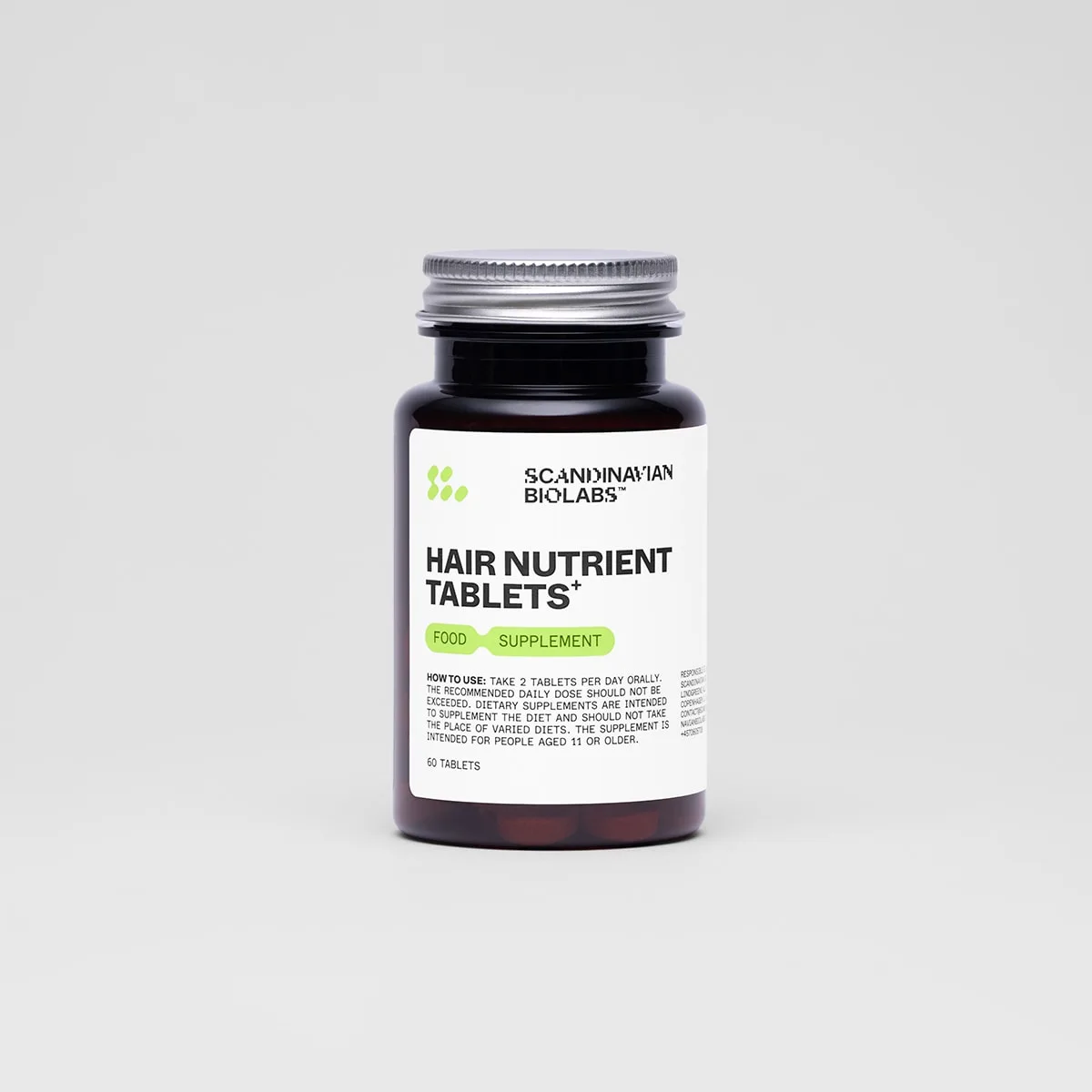
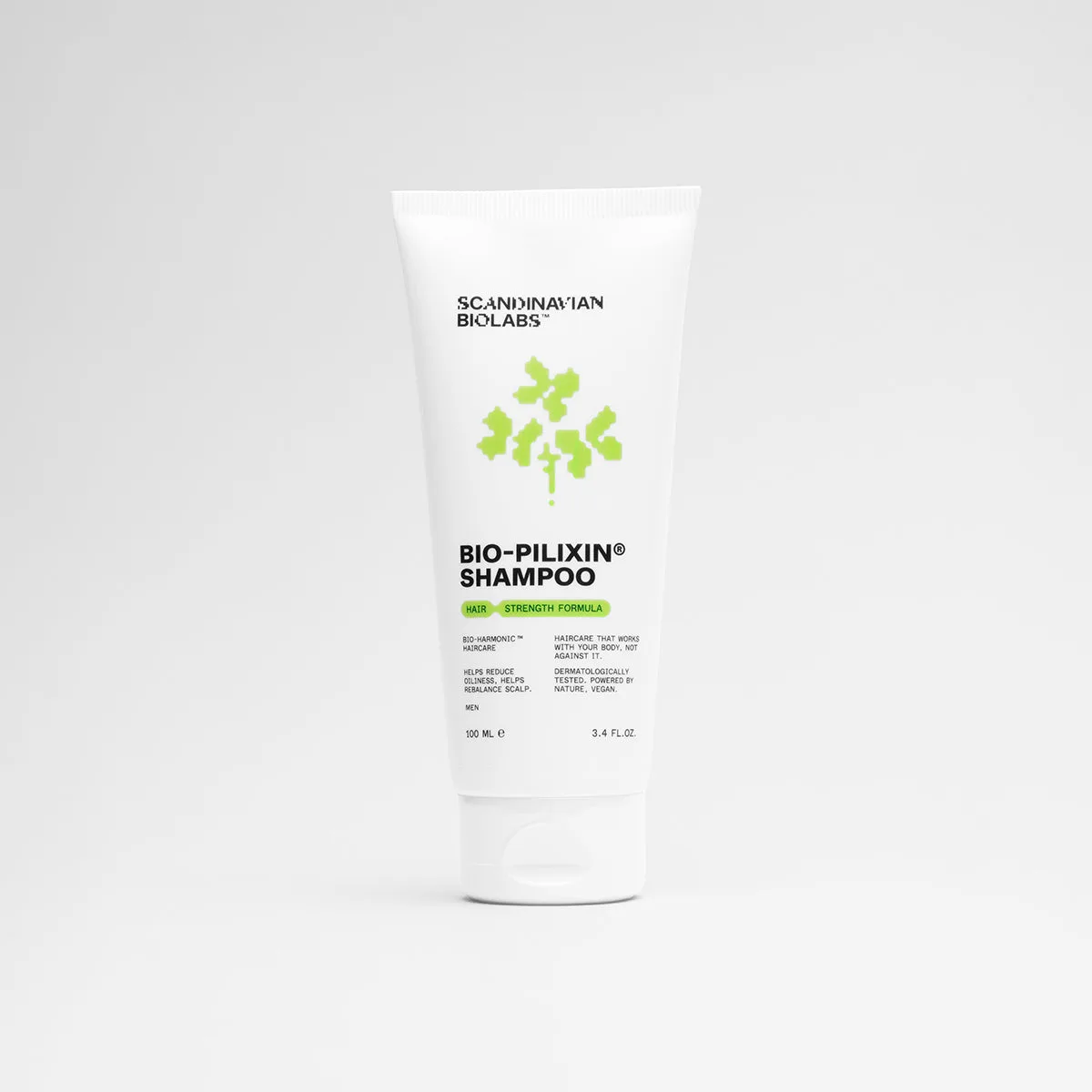
Hair health is a reflection of overall wellness, and for many, achieving luscious locks goes beyond topical treatments. Enter hair nutrient tablets – oral supplements designed to nourish hair from within. But do they truly deliver? In this review, we'll dissect the role of these supplements in a hair care regimen, what to look for, and how they complement products like the Women's Bio-Pilixin® Hairline Booster.
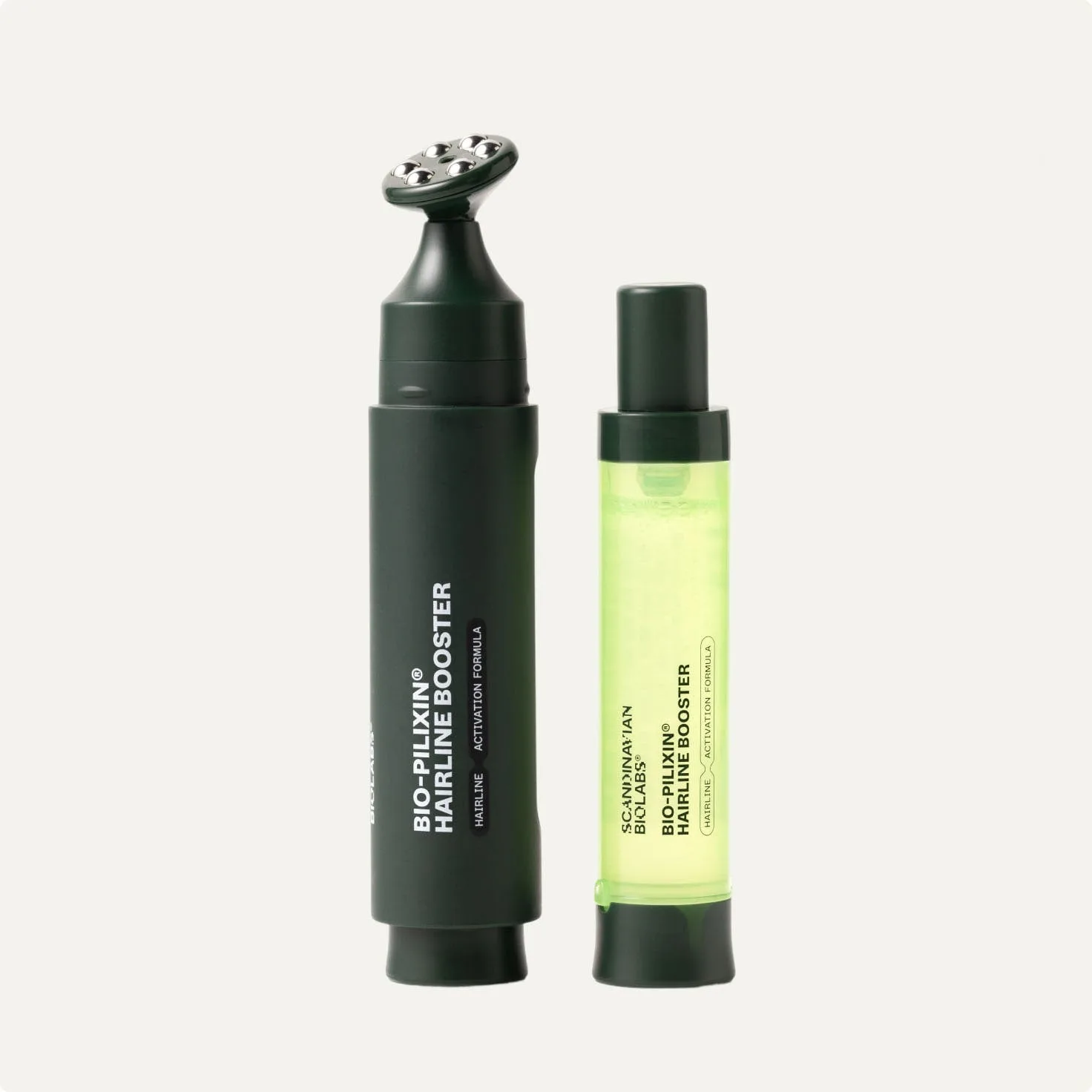
Bio-Pilixin® Hairline Booster
With a market flooded with options, it's easy to feel overwhelmed. We're here to cut through the noise, offering a balanced perspective on hair vitamins and supplements. Whether you're dealing with thinning edges or simply want to strengthen your strands, understanding the science behind nutrient tablets is the first step to making an informed choice.
What Are Hair Nutrient Tablets?
Hair nutrient tablets are oral supplements packed with vitamins, minerals, and botanical extracts aimed at supporting hair growth and health. Unlike topical serums or conditioners, these tablets work systemically, providing your body with the building blocks it needs to produce strong, healthy hair. Common ingredients include biotin, vitamin D, iron, zinc, and omega-3 fatty acids – all known to play a role in hair follicle function.
It's important to note that while these supplements can be beneficial, they are not magic pills. Results depend on your individual deficiencies, lifestyle, and consistency. A balanced diet remains foundational, but for many, a targeted supplement can fill in the gaps, making it a valuable addition to a comprehensive hair care routine.
- Look for clinically studied ingredients like biotin and vitamin D.
- Consult a healthcare provider before starting any new supplement.
- Consistency is key – give it at least 3-6 months to see noticeable changes.
Key Ingredients to Look For
When choosing a hair supplement, ingredient transparency is crucial. Biotin (vitamin B7) is perhaps the most famous, supporting keratin production. Iron helps red blood cells carry oxygen to cells, including hair follicles – a deficiency is linked to hair loss. Zinc aids in tissue growth and repair, while vitamin C boosts collagen production and iron absorption.
Beyond these, adaptogens like ashwagandha and antioxidants like vitamin E can combat oxidative stress, which is a known contributor to hair aging. Some advanced formulas also include silica, which supports hair elasticity. Always check the label for dosages that align with recommended daily allowances – more isn't always better.
- Biotin: 2.5-5 mg daily is common in hair supplements.
- Iron: Only supplement if you're deficient, as excess can be harmful.
- Vitamin D: Many people are deficient; 1000-2000 IU is typical.
How Do They Fit Into a Hair Care Regimen?
Hair nutrient tablets are not a replacement for topical treatments but rather a complement. While a serum like the Women's Bio-Pilixin® Hairline Booster works externally to target the scalp and hairline, oral supplements address internal nutritional gaps. Together, they can offer a holistic approach to hair health.
For instance, if you're using a targeted product to support your edges, adding a daily supplement that includes biotin and zinc could enhance your results by providing the necessary nutrients for hair growth. It's about creating a synergy – topical care for immediate surface benefits, and oral supplements for long-term internal support.
- Pair supplements with a consistent topical routine for best results.
- Stay hydrated and maintain a balanced diet to maximize absorption.
- Track your progress with photos to objectively assess changes.
Our Honest Review: What to Expect
In our experience, hair nutrient tablets can be a game-changer for those with specific deficiencies. Users often report shinier, stronger hair within 3-6 months of consistent use. However, those with healthy diets may notice little difference. It's also worth noting that some people experience side effects like digestive upset or skin changes – so starting with a lower dose is wise.
We appreciate that many supplements now include a blend of ingredients that target multiple pathways. For example, a formula with biotin, vitamin C, and silica can support both growth and strength. When choosing a product, look for third-party testing and clear labeling. Remember, the best supplement is one you'll take consistently – so choose one that fits your lifestyle.
- Give supplements at least 3 months to see results.
- Be aware of potential interactions with medications.
- Choose a reputable brand with transparent sourcing.
Comparing Top Supplements in the Market
While we can't endorse specific brands, we can highlight what to compare. Look at the ingredient list, dosage, and additional nutrients. Some supplements include collagen or biotin alone, while others offer a comprehensive blend. Price per serving is also a consideration – higher cost doesn't always mean better quality.
In our review, we found that supplements with a mix of vitamins and minerals tend to offer more value. For example, a product with biotin, vitamin D, and zinc may be more effective than one with just biotin. Additionally, consider the form – tablets, capsules, or gummies – and choose what you'll enjoy taking daily.
- Compare cost per serving, not just total price.
- Look for supplements that include a variety of nutrients.
- Check for allergens or dietary restrictions (e.g., gluten-free).
Hair nutrient tablets can be a valuable addition to your hair care arsenal, especially when combined with a targeted topical routine. While they're not a cure-all, they address nutritional gaps that could be holding your hair back. For a comprehensive approach, consider integrating a supplement alongside products like the Women's Bio-Pilixin® Hairline Booster to support your hair from both inside and out. Always consult a professional before starting any new supplement to ensure it's right for you.