Quick answer
Treat every hatchet and spike as a cutting tool first: keep an edge cover on until you are at the work, clear a full arm-and-tool radius around you, and carry the tool so the edge faces away from your body. For a Half Face Blades spike, the same rules apply with extra attention to the pointed tip, since a spike concentrates force into a small contact point. The steps below build one repeatable routine from storage to final put-away.
Why a spike needs its own safety habits
A hatchet and a spike look similar in a sheath, but they fail differently. A hatchet edge is a broad cutting surface, so most injuries come from glancing blows, follow-through, and hand placement near the work. A spike drives force through a narrow point, so the risk shifts to slipping off a target, over-penetration into unexpected material, and tip contact during carry. That is why the same carry position that feels fine for a hatchet can be a bad habit with a spike.
Set up a safe work zone before you unclip anything
Pick your ground and your target before the tool leaves its sheath. You want level footing, no one inside your swing or thrust arc, and a clear line of sight to what you are cutting or piercing. If you are splitting kindling, place the wood on a stable surface rather than holding it freehand. If you are using a spike, choose a target that will stop the point, such as a log or a designated ground area, rather than something that can deflect it.
Match the tool to the job instead of forcing one tool to do both
A hatchet is for chopping, splitting, and limbing. A spike is for piercing, prying light material, and making a strong anchor point. Using a spike as a chopper or a hatchet as a prying tool puts stress on the wrong part of the tool and moves your hands into unpredictable positions. Keep the two roles separate and you remove a whole category of accidents before they start.
Safety steps: from sheath to storage
- Inspect the sheath and retention before every carry: Check that the sheath is intact, the retention is firm, and the tool does not rattle or slide when you turn it upside down. For a spike, confirm the tip is fully covered and cannot poke through stitching or worn material. If retention feels loose, fix it before you carry; a tool that shifts in the sheath is a tool you will eventually grab by the wrong end.
- Choose a carry position that keeps the edge or tip away from your body: Mount the sheath so the cutting edge or point faces outward and downward, and so the handle is reachable without crossing your other hand. Test the position by sitting, bending, and reaching overhead. A carry position that digs into your hip or back will get adjusted constantly, and constant adjustment is when accidental draws happen.
- Clear a full arm-and-tool radius before you draw: Step back from your work, look for people, pets, and trip hazards, and make sure nothing is inside the arc the tool will travel. For a spike, also check what is behind your target in case the point passes through. Say the zone out loud or point to it if you are with others; a shared understanding of the safe zone prevents most bystander injuries.
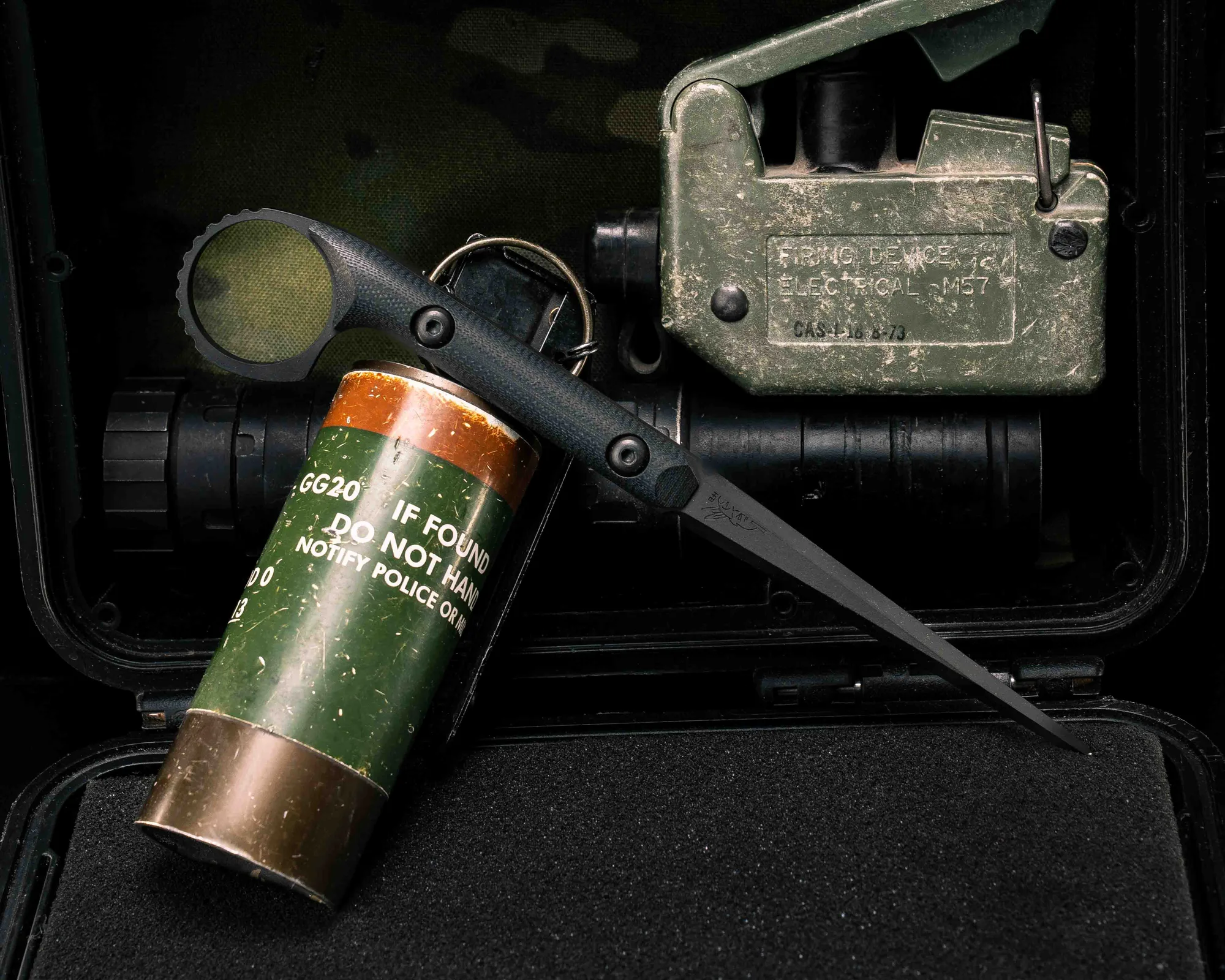
- Grip the handle fully and keep your wrist neutral: Wrap your fingers around the handle so your hand sits below any guard or finger groove, and keep your wrist straight rather than cocked. A smooth G10 handle like the one on the Ring Cardiac Spike rewards a firm, consistent grip, but it will not save a loose hold. If your knuckles are white or your hand is sliding, stop and reset your grip before the next swing or thrust.
- Use controlled strokes and let the tool do the work: For a hatchet, swing with your arm and let the weight carry the edge; for a spike, push or drive with steady pressure rather than a wild stab. Keep your off hand behind the strike path, never on the target unless the target is on a stable surface. A stroke you cannot stop is a stroke you cannot control; shorten your motion until you can freeze mid-swing on command.
- Resheath immediately after the cut, not after the next task: The moment you finish a cut or thrust, return the tool to its sheath before reaching for wood, a phone, or a water bottle. Do not set a bare-edged tool on the ground, on a log, or in a pack where it can be contacted by hand or by other gear. Most camp cuts happen during the transition between tasks, so treat resheathing as part of the task itself.
- Store the tool clean, dry, and separate from other gear: Wipe the blade or spike, check for moisture, and store it sheathed in a place where it will not slide into other tools. If you use a patch to mark the sheath, confirm it is still attached so you can identify the tool without pulling it out. A dedicated storage spot for each tool means you always know what you are reaching for and which end is sharp.
Product facts
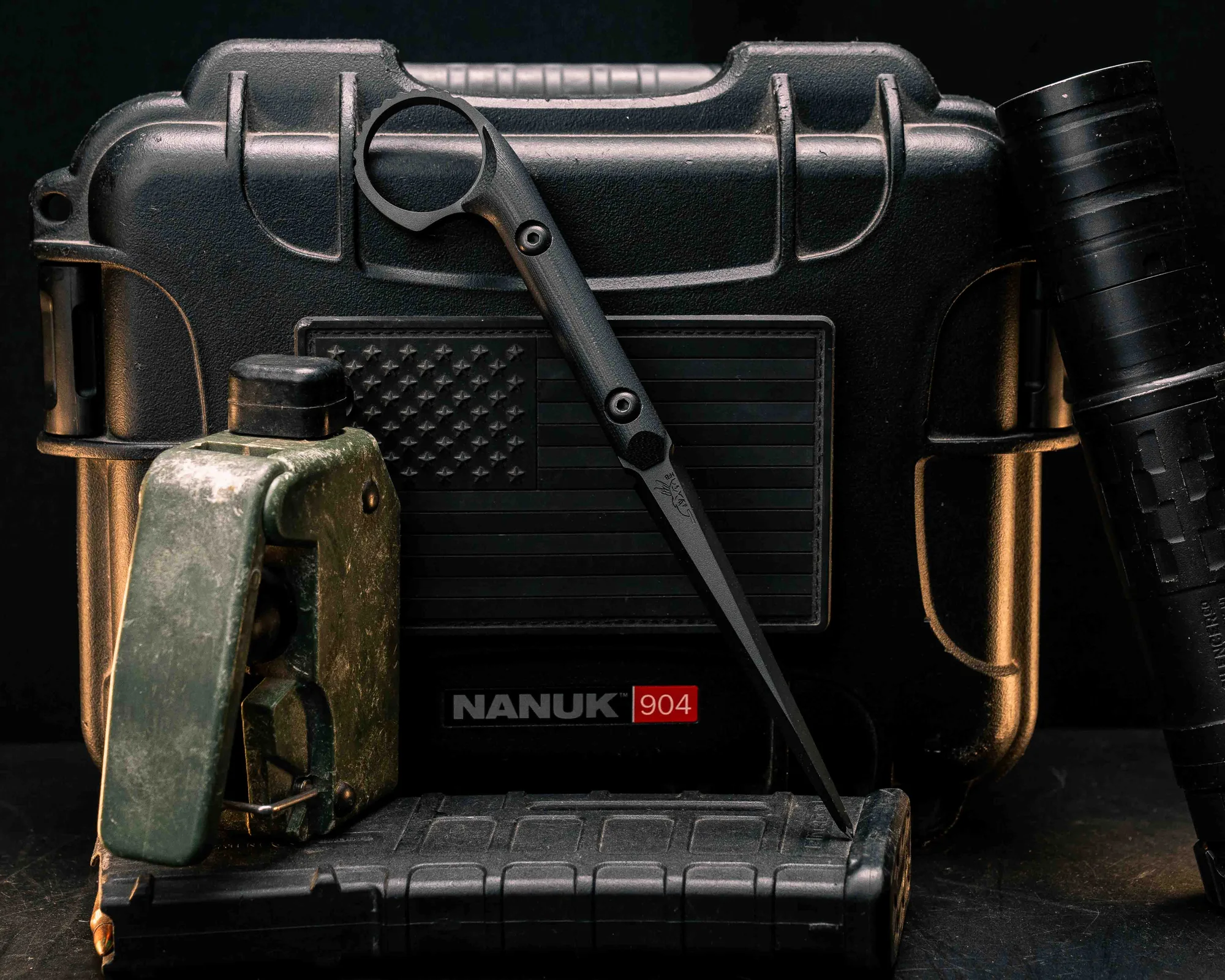
- Ring Cardiac Spike - Black G10, Armor Black Cerakote, Allen Bolts, Smooth Grip: The Ring Cardiac Spike has a 3-inch blade with .20-inch thickness in A2 American steel, a black G10 handle with smooth grip, and an Armor Black Cerakote finish. The short, thick blade and smooth handle are built for controlled piercing and grip consistency, so your safety routine should focus on tip discipline and a firm, non-slip hold rather than chopping technique.
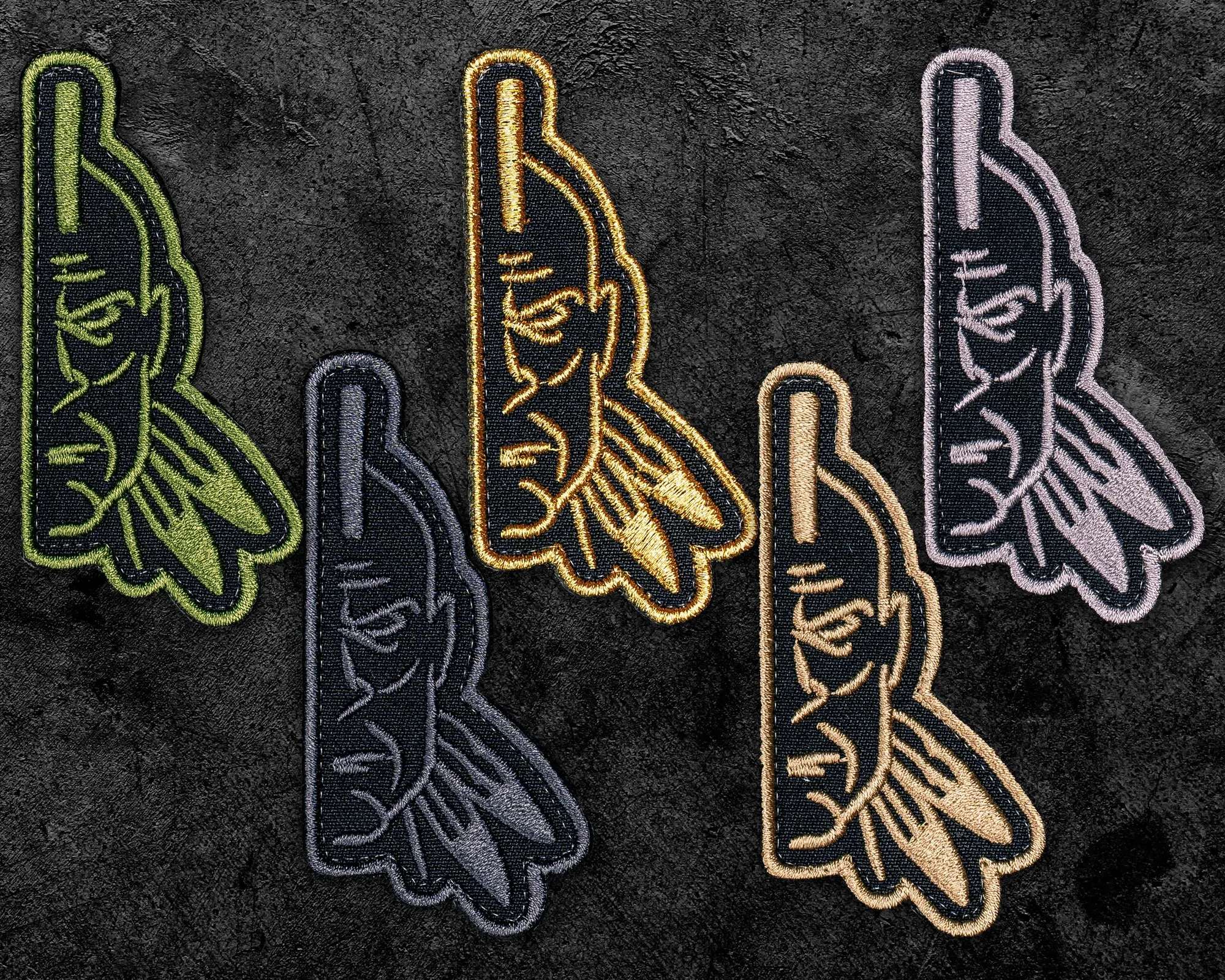
- Assorted Color Half Face Embroidered Velcro Patch 5- Pack: The Assorted Color Half Face Embroidered Velcro Patch 5-Pack includes Metallic Gold, Green, Tan, Grey, and Gunmetal patches measuring 2.7 by 1.5 inches, sold only as a set. High-visibility patches on a sheath, pack, or range bag make it easier to spot your gear and confirm which tool you are grabbing, which supports safer handling and storage.
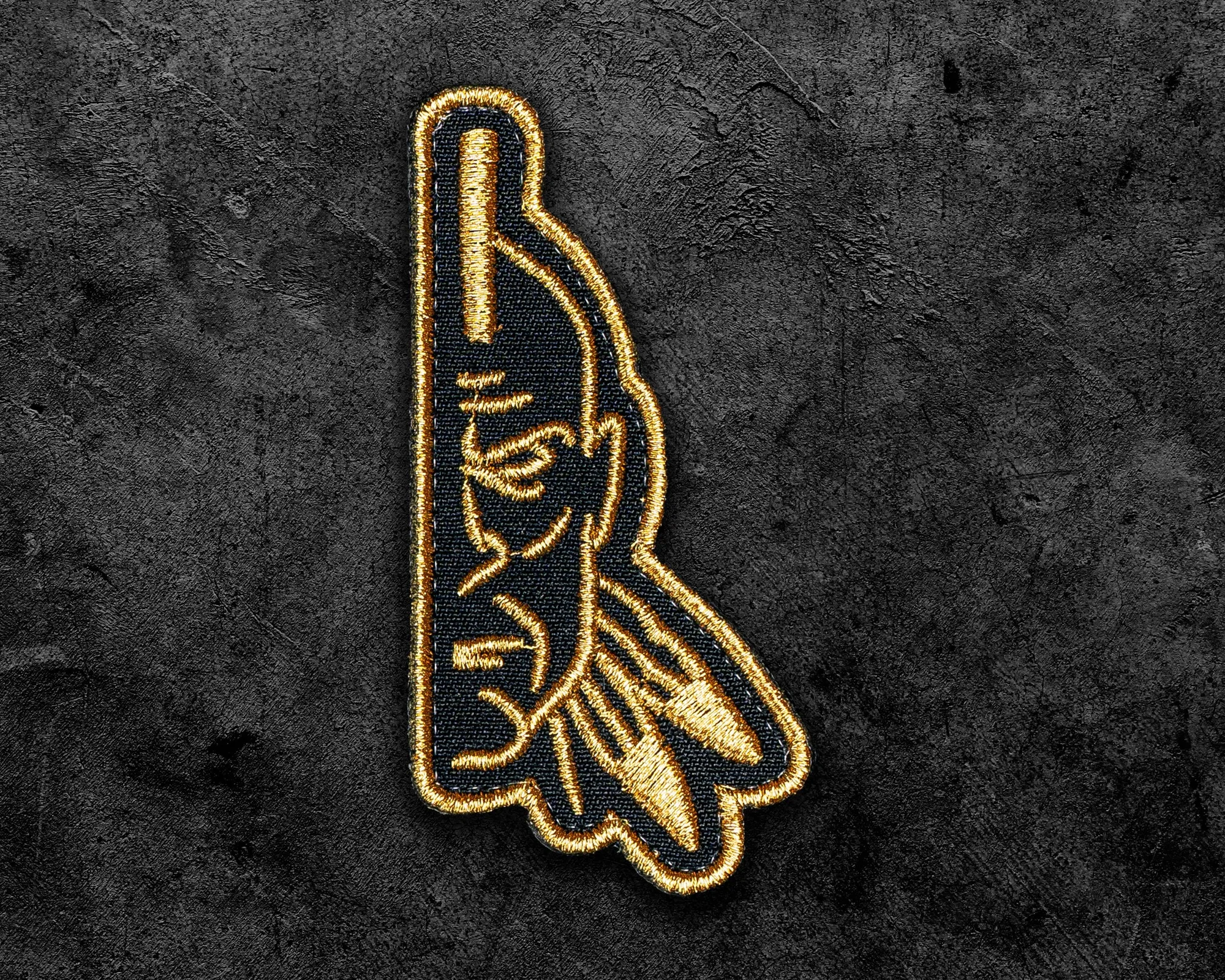
- Half Face Embroidered Velcro Patch (Metallic Gold): The Half Face Embroidered Velcro Patch in Metallic Gold measures 2.7 by 1.5 inches and has a Velcro backing for easy attachment to compatible surfaces. A single patch gives you a low-effort way to mark a specific sheath or pouch so you can identify the tool by feel or glance before you draw it.