Quick answer
Buy a leather case that is at least 1 cm longer and 1 cm wider than your fan when closed, choose smooth or lightly grained leather for daily carry, and store the case flat rather than folded. If you own several fans, measure your largest one first and buy for that size.
Measure your fan before you shop
A leather case only protects a fan if the fan fits inside without forcing the ribs. Measure your fan's length from the pivot rivet to the tip of the longest rib, then measure the width across the folded fan at its widest point. Add at least 1 cm to both numbers. If your fan has a tassel or charm, measure with it attached or plan to remove it before storing.
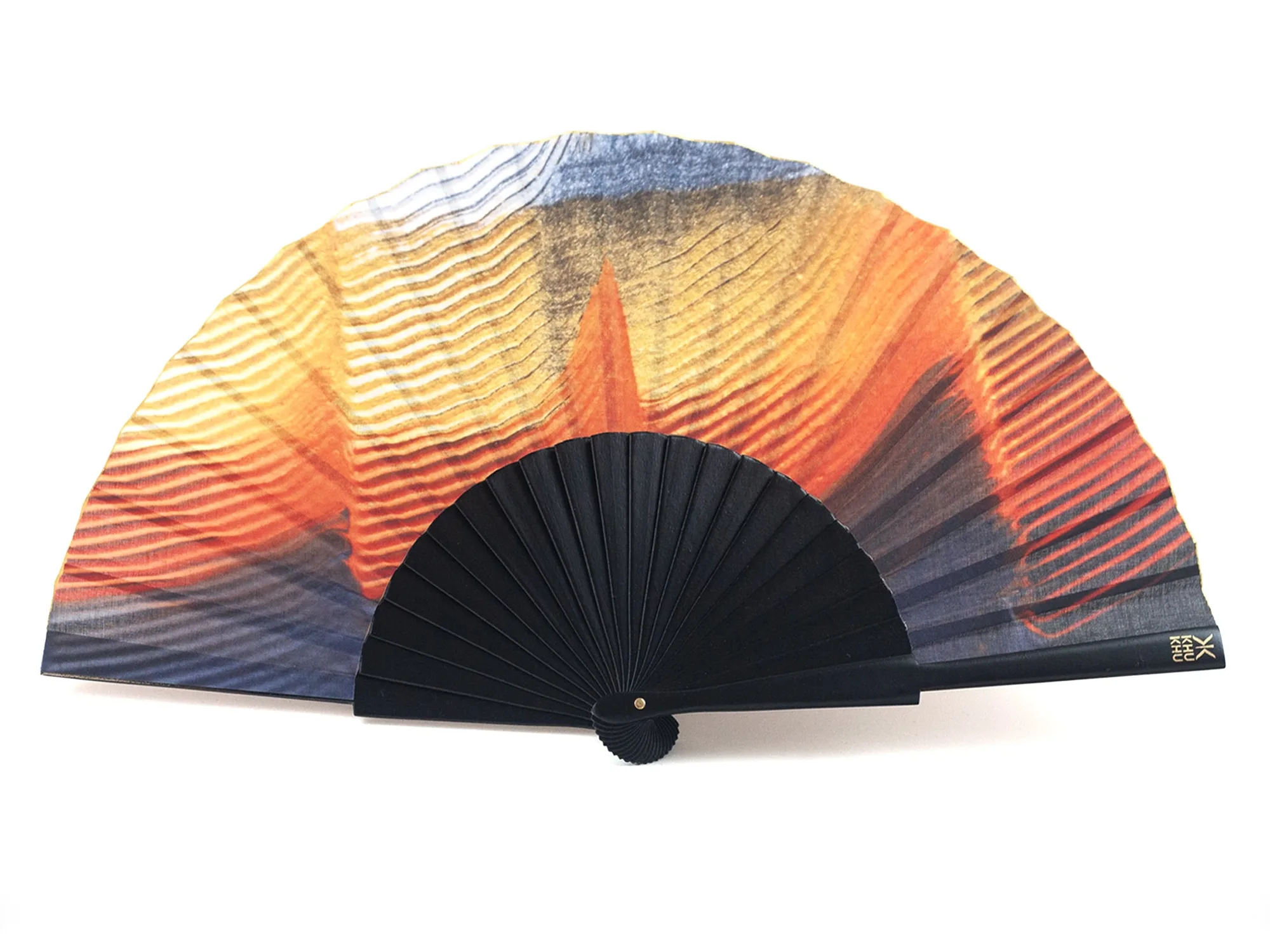
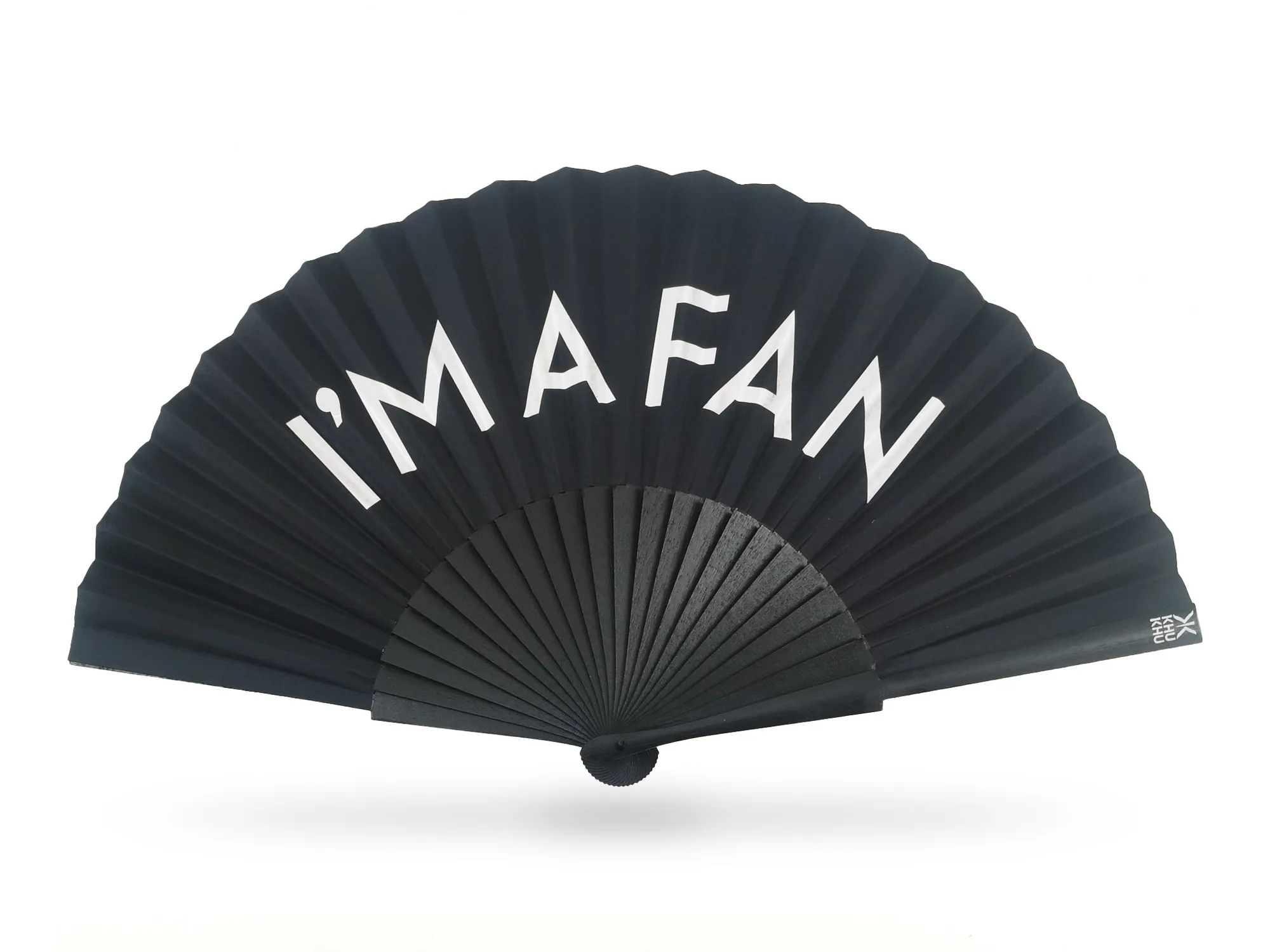
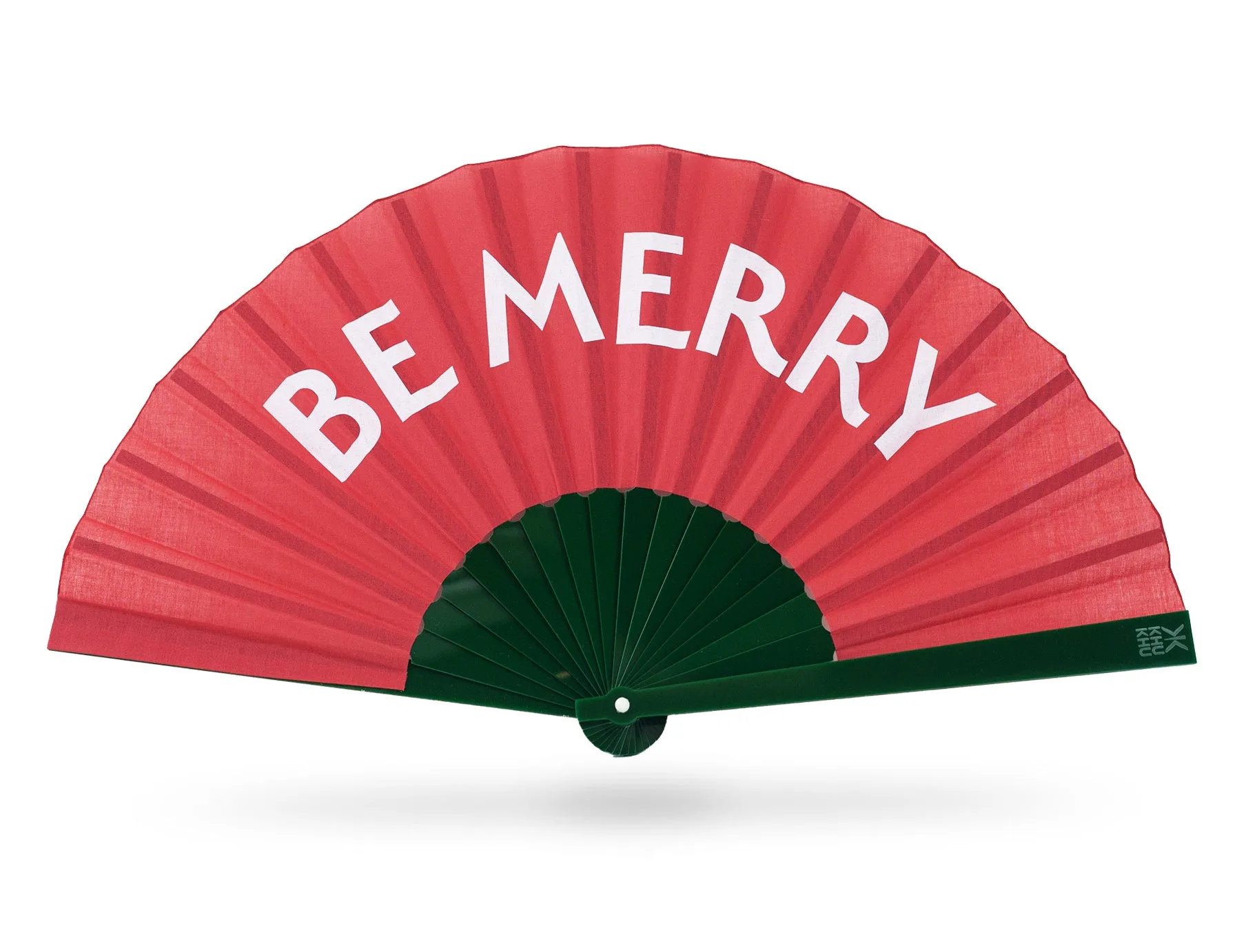
Most handmade fans from Khu Khu, including the Cotinga Hand Fan and the Lazy Leopards Hand Fan, fold to a slim profile, but the exact closed dimensions are not listed in the catalog. That means you should measure your own fan rather than rely on a standard size. Write the numbers down and take them with you when comparing cases.
Leather type and closure: what matters for daily use
Full-grain leather develops a patina and resists cracking, but it is heavier and costs more. Split leather or bonded leather is lighter and cheaper, yet it can peel at the edges after repeated flexing. For a case that lives in a bag every day, choose full-grain or top-grain leather with a smooth finish, because rough textures catch on fan ribs and tassels.
Closure style affects how quickly you can reach your fan. A snap button is fast but can pop open in a crowded bag. A zipper keeps dust out but adds bulk. A simple flap with a magnetic clasp is a middle ground: quiet, slim, and secure enough for most outings. If you often carry your fan in a tote without pockets, pick a zipper or a snug flap.
How to care for a leather case so it lasts
Leather is skin: it dries out, stains, and stretches. Wipe the case with a dry cloth after each use to remove hand oils and dust. Every three to six months, apply a small amount of neutral leather conditioner with a soft cloth, let it absorb for ten minutes, then buff off the excess. Do not use saddle soap on a case that holds a fan, because residue can transfer to the fan's fabric or paper.
Store the case flat or hanging by a loop, never folded or compressed under books. Keep it away from direct sunlight and radiators, which fade dye and make leather brittle. If the case gets wet, blot it with a dry towel and let it air-dry at room temperature; never use a hair dryer or heater.
When a leather case is the wrong choice
A leather case adds weight and bulk compared to a fabric sleeve or a gift box. If you only need dust protection at home, a cotton drawstring bag or the original gift box is lighter and cheaper. If you plan to display your fan on a shelf, an open stand or a clear acrylic case shows the design better than leather.
Leather also needs occasional conditioning, so if you want zero maintenance, choose a synthetic or waxed-canvas pouch. And if your fan is a delicate antique with fragile paper, a rigid box with acid-free tissue is safer than a soft leather case that can press against the folds.
Decision rules for buying a hand fan leather case
- Measure first, buy second: Measure your fan's closed length and width, then add 1 cm to each. If you own multiple fans, buy for the largest one. A case that is too tight bends ribs; too loose lets the fan slide and knock against the sides.
- Match leather finish to how you carry it: Smooth full-grain or top-grain leather for daily bags; grained or pebbled leather if you want to hide scratches; bonded leather only for occasional use. Rough textures can snag tassels and fan fabric, so check the interior lining too.
- Choose the closure for your routine: Snap for speed, zipper for dust and security, magnetic flap for a slim profile. Test the closure with one hand before committing. If you carry your fan loose in a tote, a zipper or snug flap prevents it from falling out.
- Plan for care before you buy: Leather needs conditioning every three to six months and must be stored flat. If you won't do that, choose a fabric or synthetic case instead. A well-cared-for leather case can outlast several fans; a neglected one cracks at the folds.
Fans that work well with a leather case
- Let's Dance Hand Fan: Designed in honour of David Bowie, this hand fan goes out to everyone who likes to move it on the dance floor. A bold, dance-floor-ready fan benefits from a case that protects the design from scuffs when you carry it to parties or gigs.
- Stay Cool Hand Fan: A classic hand fan designed for simple, functional elegance, handmade by Khu Khu. Its timeless look pairs naturally with a smooth, neutral leather case that won't compete with the fan's understated style.
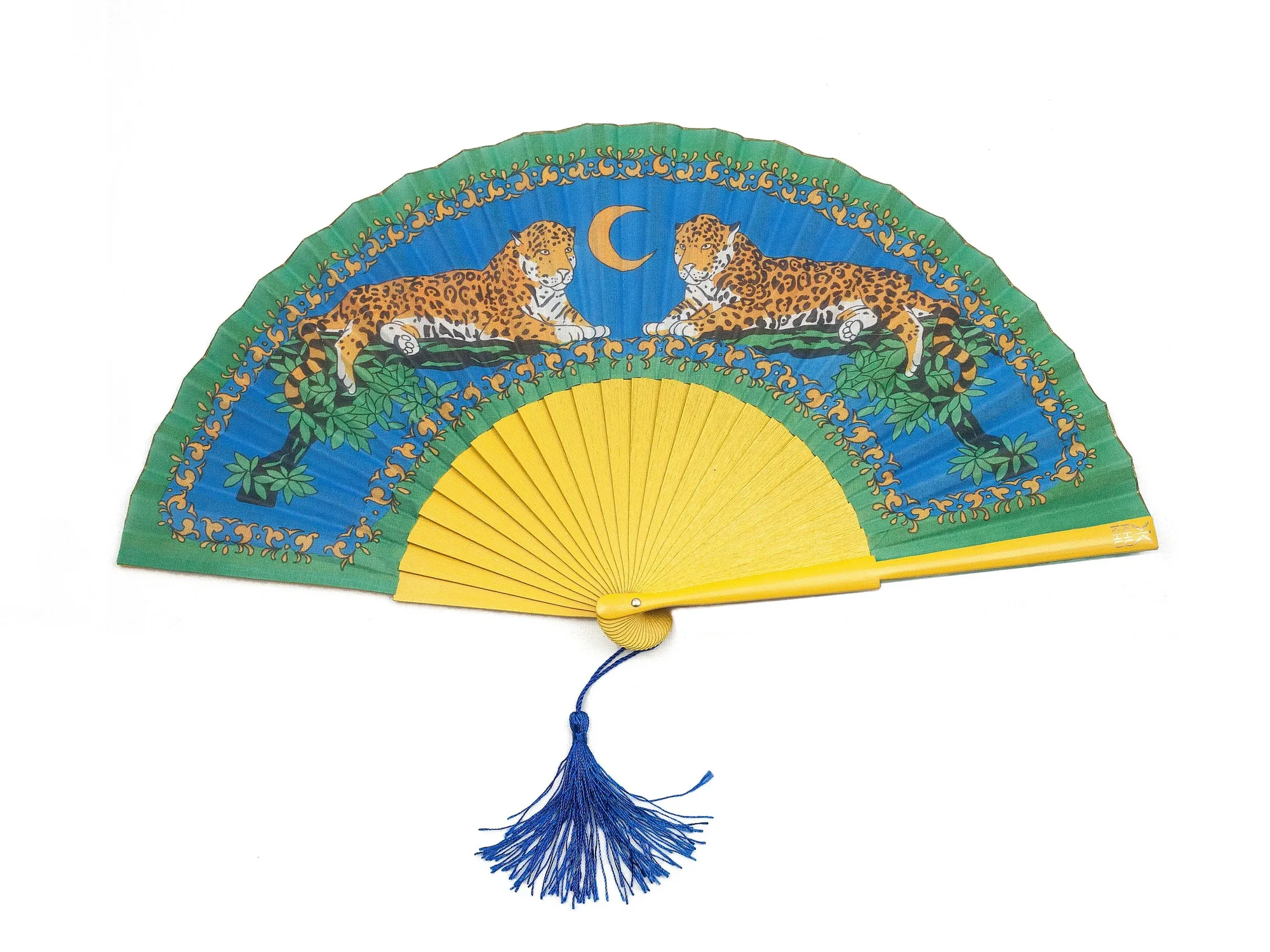
- Lazy Leopards Hand Fan: The ultimate in cool kitsch with its vintage Indian feel, pop colours, intricate detailing and sparkly feminine tassel. The tassel and detailing need a case with a smooth interior and enough width to avoid crushing the embellishments.
- Cotinga Hand Fan: Inspired by the purple-breasted Cotinga bird, this hand fan creates the chicest of breezes and is perfect for special events. For special-event fans, choose a slim leather case that slips into a clutch or evening bag without adding bulk.
Is a leather case right for your fan?
Best for
- Fans you carry daily in a handbag or tote and want protected from scuffs and dust
- Special-event fans like the Cotinga Hand Fan that need a slim, elegant case for an evening bag
- People willing to condition leather every few months to keep it supple
Not for
- Antique or fragile paper fans that need a rigid, acid-free box instead of a soft case
- Anyone who wants zero maintenance and prefers a washable fabric sleeve
- Fans you display on a shelf, where an open stand shows the design better