Quick Answer
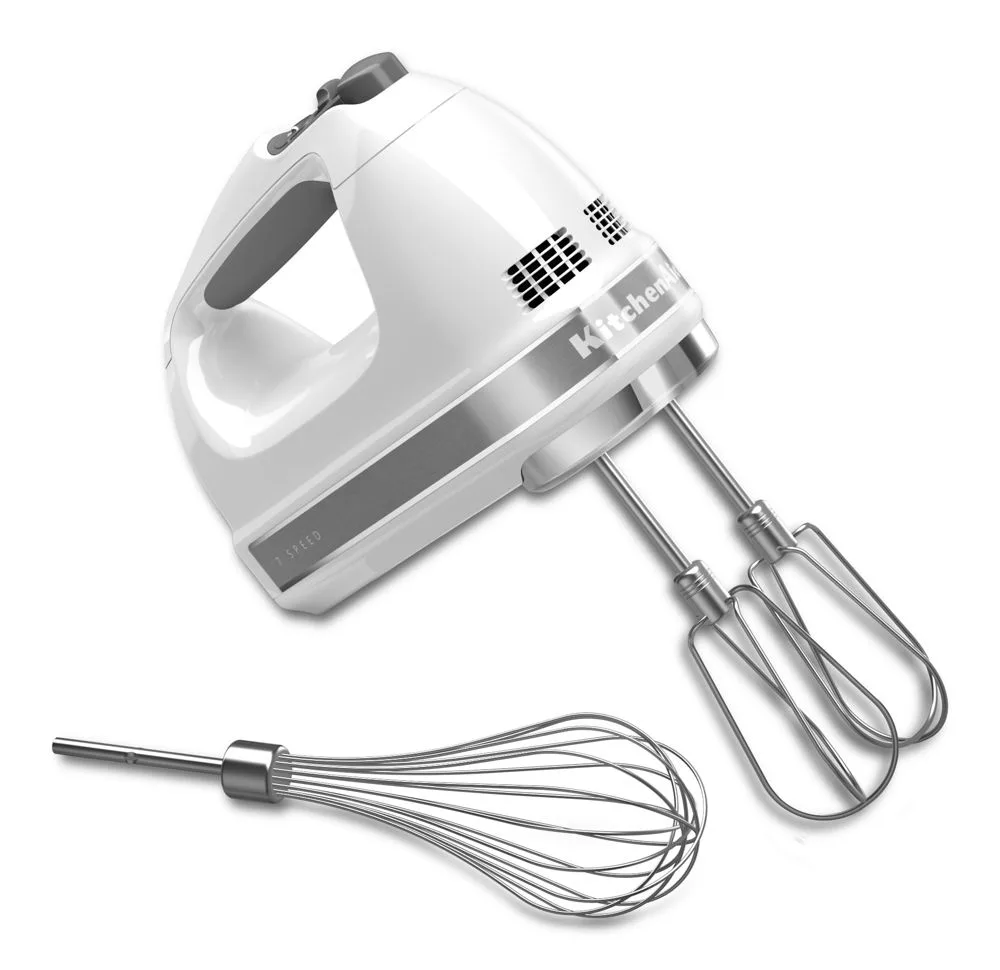
Choose a hand mixer that matches your typical batch size and mixing tasks. For everyday batters and light doughs, a standard model like the KitchenAid Hand Mixer in White offers reliable performance at a good value.
Power and Speed Matter More Than You Think
A hand mixer's motor determines how well it handles thick cookie dough or heavy cake batter. Higher wattage generally means more power, but not all brands publish this spec. KitchenAid hand mixers are engineered for consistent mixing across a range of speeds, so you can start slow to avoid splatter and ramp up for whipping cream.
Color and Finish: Style Meets Practicality
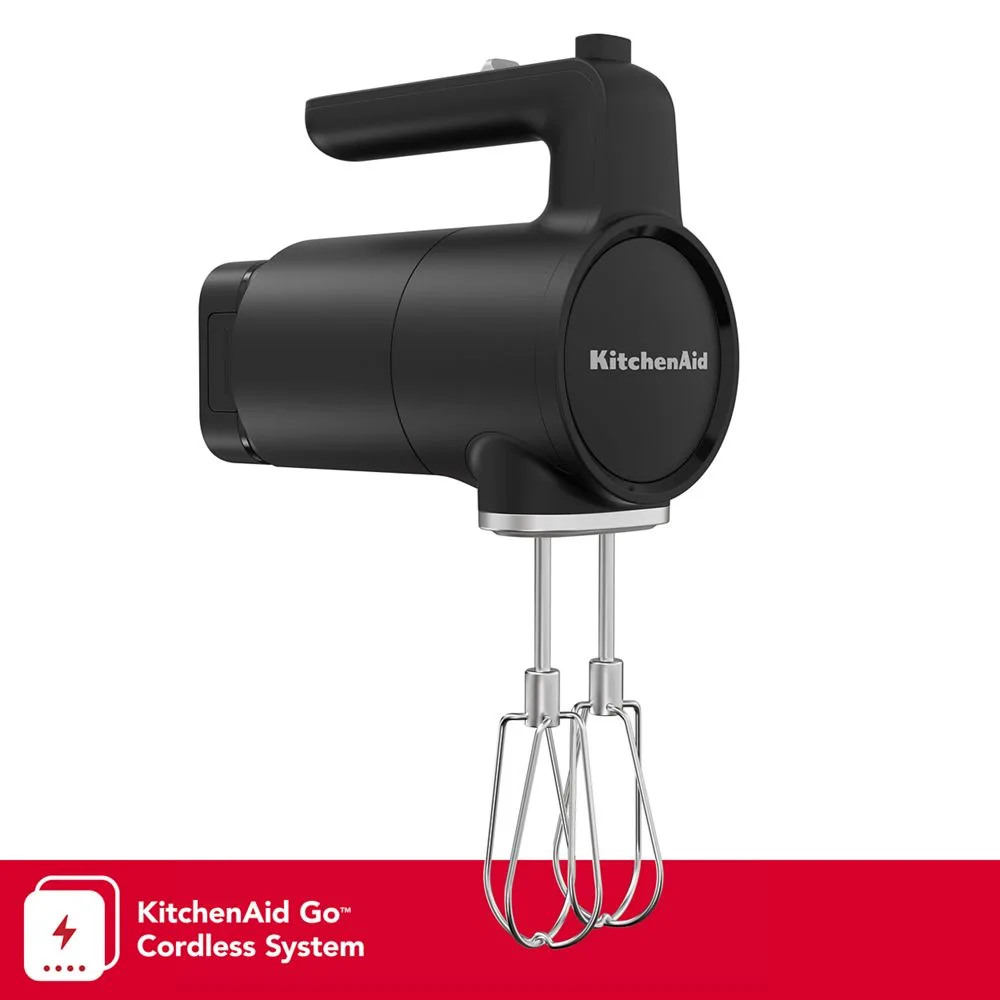
The finish affects more than looks. A matte surface, like the Black Matte option, resists fingerprints and blends into modern kitchens. Glossy colors like Empire Red add a bold accent but may show smudges. If your mixer lives on the counter, choose a finish that matches your daily routine.
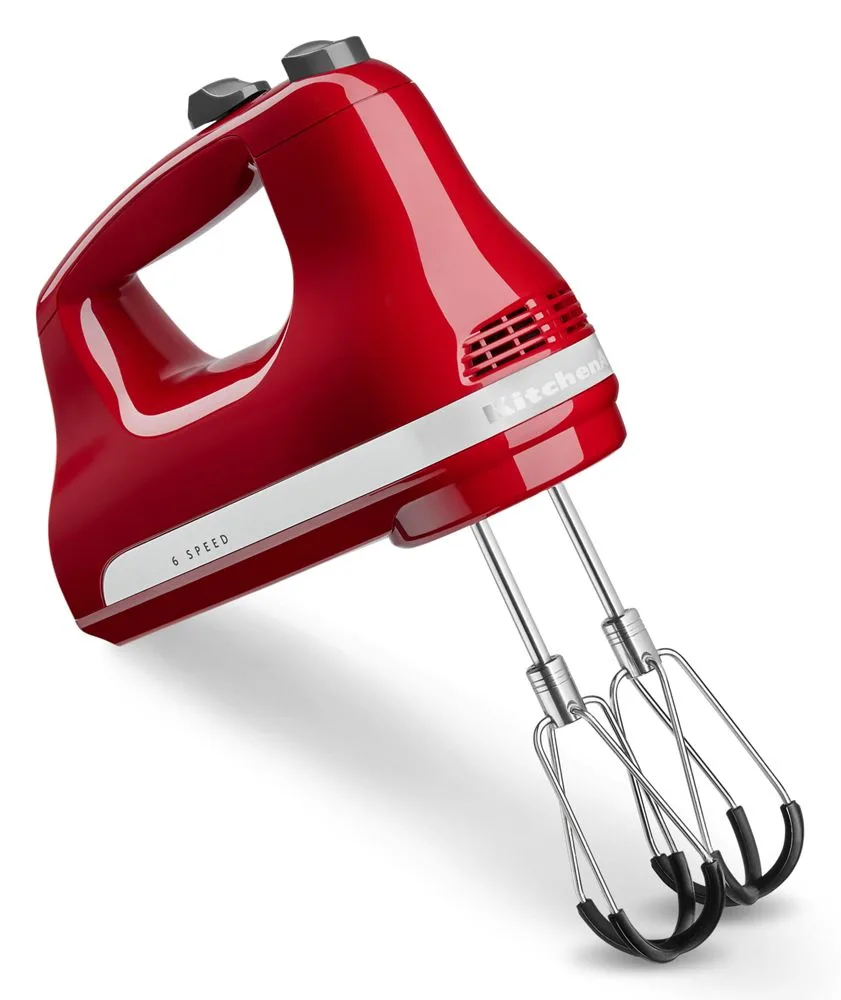
Empire Red
Price vs. Performance Trade-offs
Entry-level hand mixers (around $50-$60) handle most baking tasks but may struggle with stiff doughs or large batches. Mid-range options ($70-$85) often include ergonomic handles and better balance. The Contour Silver model, for example, features a contoured design for comfortable handling during longer mixing sessions. Weigh your budget against how often you bake.
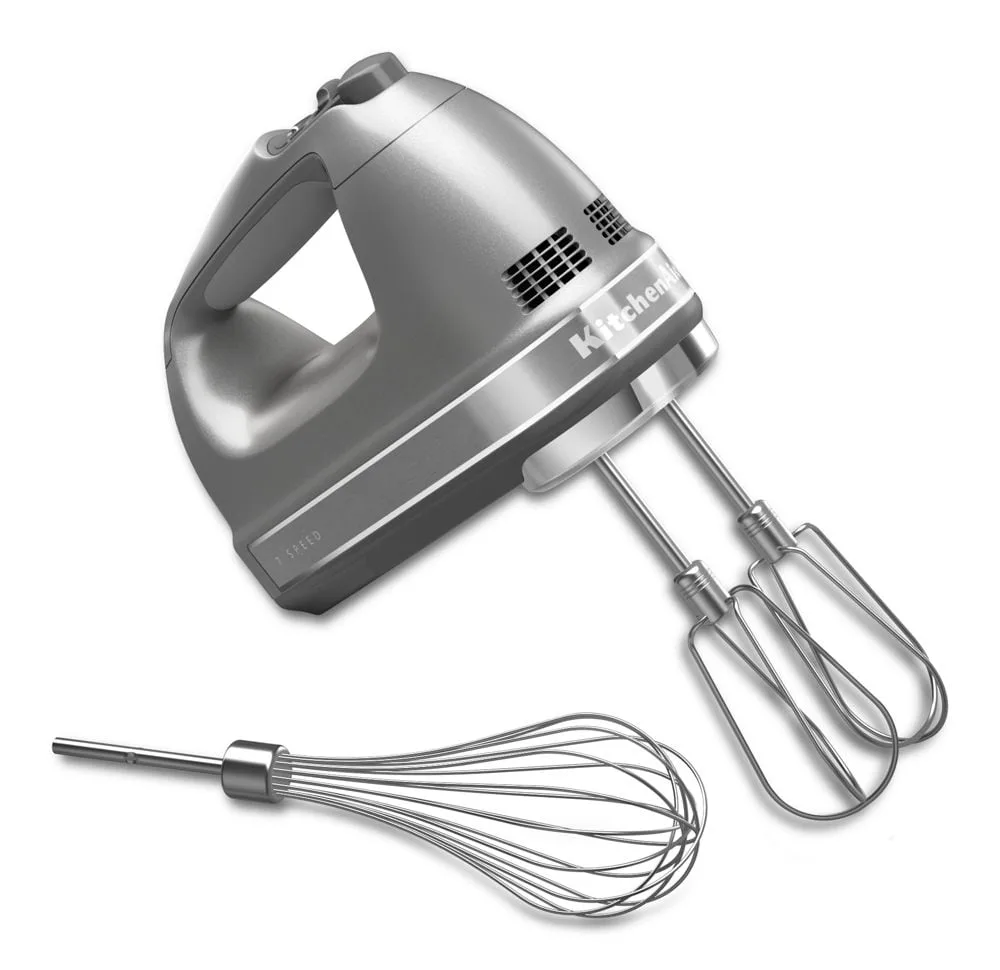
Contour Silver
How to Choose Your Hand Mixer: Decision Rules
- Assess Your Baking Frequency: If you bake cookies, cakes, or muffins weekly, invest in a mid-range model with comfortable grip. For occasional use, an entry-level mixer is sufficient. Prioritize comfort if you mix for more than 10 minutes at a time.
- Match Power to Dough Thickness: Standard hand mixers handle batters and light doughs. For stiff doughs (e.g., bread or thick cookie dough), consider a model with higher torque or a stand mixer.
- Choose a Finish That Fits Your Kitchen: Select a color and texture—glossy, matte, or neutral—that complements your countertop and resists visible wear. Matte finishes hide fingerprints; glossy colors add personality.
- Set a Budget, But Don't Sacrifice Durability: Prices range from around $50 to $140. A higher price often means better build quality and ergonomics. KitchenAid models are built for everyday use. A slightly higher upfront cost can save you from replacing a cheap mixer in a year.
Hand Mixer Options at a Glance
- White: White color option fits seamlessly into a variety of kitchen styles. If you want a mixer that blends in with any decor, the white finish is a safe, versatile choice.
- Black Matte: Black matte finish provides a stylish, fingerprint-resistant surface. A matte exterior means less cleaning and a sleek look that stays smudge-free on your counter.
Which Hand Mixer Is Right for You?
Best for
- Home bakers who make cakes, cookies, and whipped cream regularly
- Anyone who wants a reliable, easy-to-store mixer for everyday use
Not for
- Bakers who frequently make stiff bread doughs (consider a stand mixer)
- Commercial or high-volume kitchens that need continuous heavy-duty mixing