Quick answer
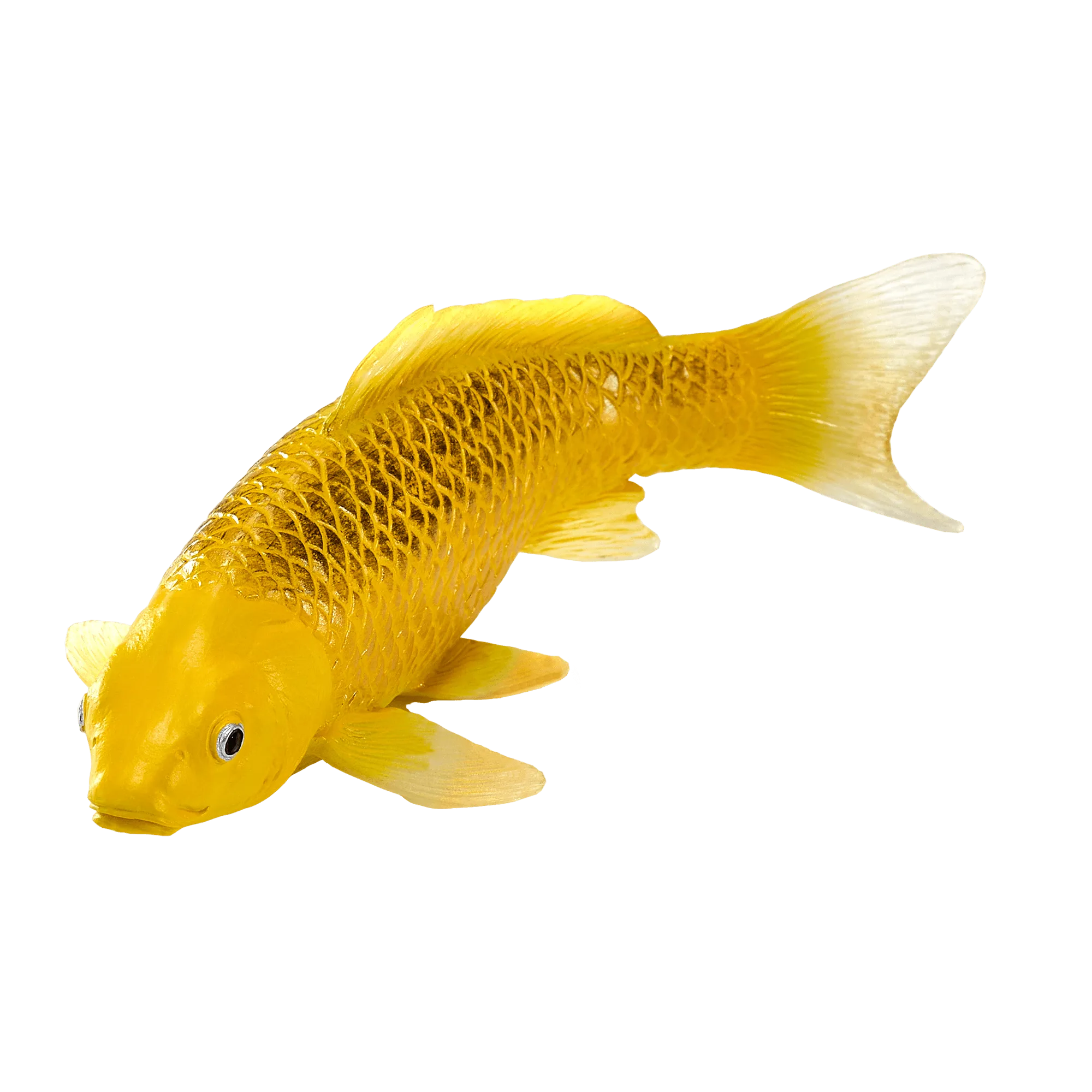
Hand-painted figures win on unique detail and color depth, while molded figures win on consistency and lower cost. For play, choose molded or sealed hand-painted pieces; for display, hand-painted detail is worth the extra care. If you want both, look for hand-painted models like the Koi Carp - Kin Matsuba or Pegasus.
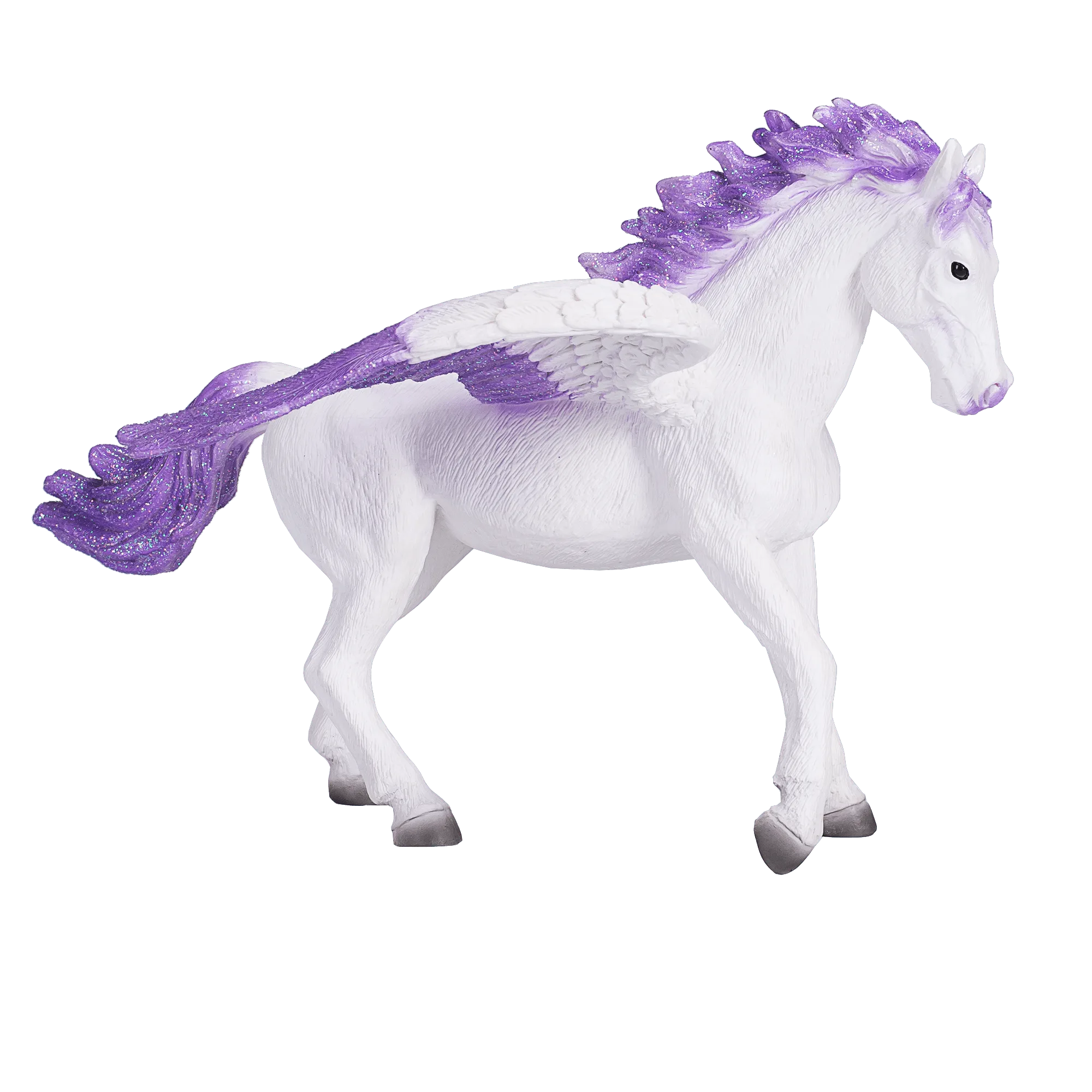
Pegasus
When you're comparing animal figures, the finish often decides whether a model feels like a toy or a collectible. Hand-painted and molded figures look different up close, age differently, and ask for different levels of care.
This comparison breaks down what actually matters: paint quality, durability, and detail. You'll see how specific Mojo Fun USA figures fit each category, so you can pick the right finish for your shelf, classroom, or playroom.
What hand-painted really means on a figure
Hand-painted figures are finished by a person, not a machine. That means small variations in brushwork, shading, and color placement from one piece to the next. On a model like the Koi Carp - Kin Matsuba, the bold gold and black scales are brought to life through hand-painted precision, giving each figure a slightly unique look.
The trade-off is consistency. Two hand-painted figures of the same model may not match exactly. For collectors, that's part of the appeal. For a classroom set where you want identical pieces, it can be a drawback. Hand-painting also adds labor cost, which is why these figures often sit at a higher price point than molded alternatives.
- Check the paint edges around eyes, fins, and hooves—those areas show hand-painting quality fastest.
- If you need multiple identical figures, ask whether the finish is consistent enough for your use.
What molded figures do better
Molded figures get their color from the material itself or from a single molded application, so every piece looks the same. That consistency matters when you're buying several figures for a play set or a homeschool lesson. Molded figures also tend to be more affordable and more resistant to chipping because there's no surface paint layer to flake.
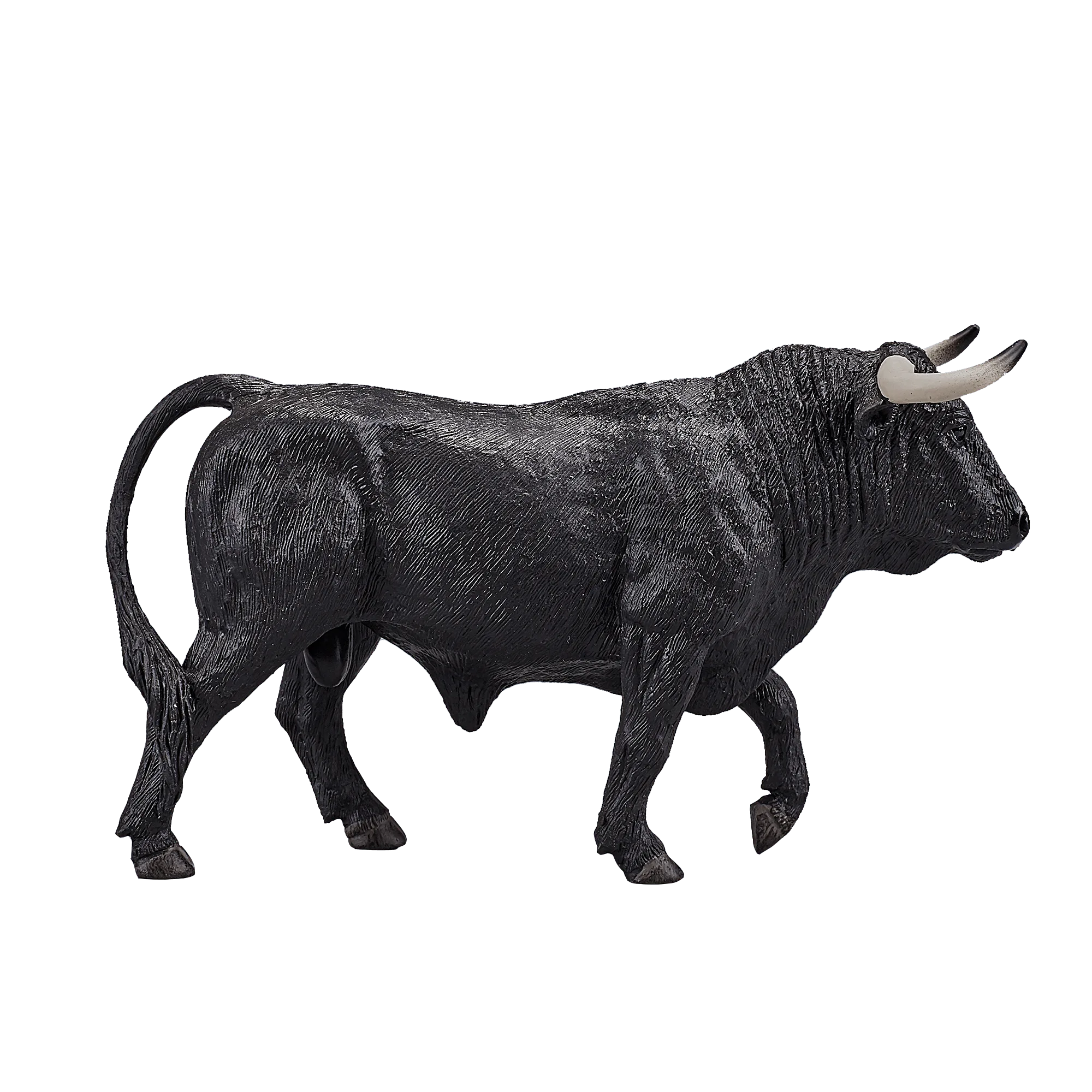
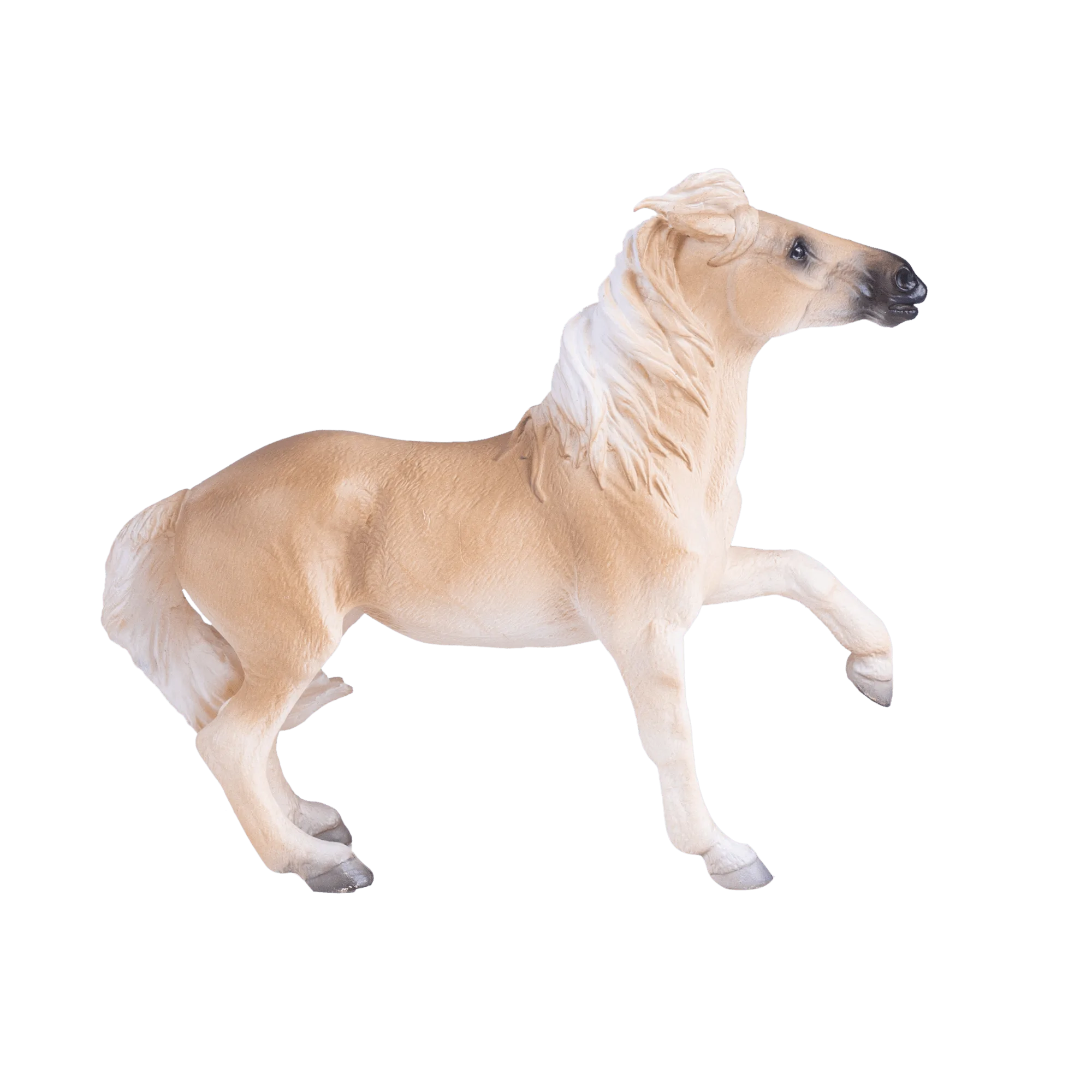
The trade-off is detail depth. Molded color can't easily reproduce the fine gradients and shading you see on a hand-painted model. Figures like the Spanish Bull or Brumby Mare rely on sculpted form and simple color blocking rather than brushwork. They read clearly from a distance but show less nuance up close.
- Molded figures are a safer bet for toddlers who chew or bang toys together.
- If the figure will be handled daily, molded color usually holds up longer without touch-ups.
Paint durability: what to expect over time
Hand-painted figures are more vulnerable to wear at high-contact points: noses, ears, tails, and feet. A sealed topcoat helps, but repeated handling can still dull or chip the paint. That doesn't make them fragile—it just means they reward gentle handling and occasional cleaning rather than rough play.
Molded figures have no separate paint layer to lose, so they keep their color even after drops and tumbles. The trade-off is that scratches can reveal the base material color underneath. For both types, keep figures out of prolonged direct sun and clean with a soft, damp cloth rather than solvents.
- Store hand-painted figures separately from loose metal toys to avoid scratches.
- For either finish, dust with a soft brush before wiping to avoid grinding grit into the surface.
Detail and realism: where each finish shines
Hand-painting lets a sculptor push realism further. On the Giant Sable Antelope, the social structure and horn-locking behavior are part of the figure's story, and hand-painted shading can emphasize the horns and coat in a way molded color can't. The same goes for the Black Crested Macaque, where subtle facial and fur variation helps the model read as a living animal.
Molded figures still deliver strong detail through sculpting alone. A well-sculpted molded figure can show muscle, fur texture, and pose clearly. But if your priority is color accuracy and fine surface variation, hand-painted models usually come out ahead.
- For dioramas, hand-painted figures often photograph better because of color depth.
- For quick identification in a lesson, molded figures with clear silhouettes work just as well.
Trade-offs at a glance
- Hand-painted detail vs consistency: Hand-painted figures like the Koi Carp - Kin Matsuba offer unique color depth, but no two may match exactly. Choose hand-painted for display; choose molded if you need identical multiples.
- Molded durability vs surface nuance: Molded figures resist chipping because color is in the material, but they show less fine shading. Pick molded for heavy play; pick hand-painted for realism.
- Cost vs care: Hand-painted figures usually cost more and need gentler handling; molded figures cost less and tolerate rough use. Match the finish to who will handle the figure most.
Example figures and what their finish tells you
- Koi Carp - Kin Matsuba: The Ki Matsuba Koi figure stands out with its bold gold and black scales, brought to life through hand-painted precision. Shows how hand-painting creates color variation and detail that molded color struggles to match, making it a strong display piece.
- Spanish Bull: The Spanish Bull is one of the very, very few domestic cattle known to defend themselves successfully from predators, and fighting bulls defeated even lions in arena fights of the past. A figure with a dramatic story benefits from clear sculpting; molded color keeps the focus on form and durability for play.
- Black Crested Macaque: Although they are monkeys, crested black macaques are sometimes wrongfully referred to as apes because of their extremely truncated tails. A subtle educational detail like tail length is easier to show with hand-painted shading, but molded figures can still teach the difference through sculpt.
- Giant Sable Antelope: Sable antelope have a social structure based on territory, age, and strength, and challenges end when bulls drop to their knees and lock horns. Hand-painted shading can highlight horn shape and coat contrast, which helps when the figure is used to discuss behavior.
Which finish fits your needs?
Best for
- Collectors who value unique color variation and display realism
- Older kids and adults who handle figures gently
- Dioramas and photography where paint depth matters
Not for
- Toddlers who chew or bang figures together
- Buyers who need several identical figures for a classroom set
- Anyone who wants the lowest-cost option for rough play
Hand-painted and molded figures aren't rivals so much as tools for different jobs. Pick hand-painted for detail and display, molded for durability and consistency, and you'll get the most from every figure in your collection.