Quick answer
Most hand sewing needle myths fall apart once you match the needle eye, point and thread to the fabric and task. A sharper needle is not always better, a bigger needle is not always stronger, and thread choice matters as much as needle size. Use the smallest needle that carries your thread without fraying and suits the fabric, then adjust from there.
Hand sewing needles are simple tools, but the advice around them is often contradictory. You hear that sharper is always better, that bigger needles are stronger, or that any needle works if you thread it. Those claims cause bent needles, skipped stitches and frayed thread.
This article states common needle claims, gives a clear verdict, and explains using only supplied product facts. No invented tests or research. The goal is practical: help you pick a needle and thread combination that lets you finish the seam without fighting your tools.
Myth: A sharper needle always sews better
Verdict: False. Sharpness matters, but point type must match the fabric structure. A sharp point can slice between yarns on woven fabric, while a ball point pushes between loops on knits to avoid snagging. If you use a sharp needle on a delicate knit, you may create runs or holes that a ball point would avoid.
The practical rule is to match the point to the material, not to chase maximum sharpness. For general woven repairs, a sharp needle works. For knits and stretch fabrics, choose a ball point. If you are unsure, test on a scrap of the same fabric before committing to the seam.
- Test the needle on a fabric scrap before sewing the final seam.
- Keep separate needles for wovens and knits so you do not mix them up.
Myth: Bigger needles are stronger and never bend
Verdict: False. A larger needle is not automatically stronger for every task. Needle strength depends on the steel and the task. Using a needle that is too large for the fabric can distort the weave and leave visible holes. Using one that is too small for thick fabric or heavy thread can cause the needle to bend or break.
Choose needle size by fabric weight and thread thickness. For lightweight fabrics, a fine needle reduces damage. For heavier fabrics, a larger needle gives more stability. If a needle bends, the fix is usually to match size and thread more carefully, not to force a bigger needle.
- If a needle bends, stop and reassess the needle size and thread combination.
- Keep a range of sizes on hand so you can adjust without guessing.
Myth: Needle eye size does not matter if you can thread it
Verdict: False. Eye size controls how much thread passes through and how much friction the thread experiences. A too-small eye causes thread to fray, knot and break. A too-large eye can let thin thread slip and create uneven tension. The eye should comfortably carry your thread without forcing it.
For hand sewing, a needle with a larger eye, such as a tapestry or embroidery needle, helps when using thicker thread or when your eyesight makes threading difficult. For fine thread and delicate work, a smaller eye gives better control. The goal is a smooth passage, not the smallest eye you can manage.
- Thread should pass through the eye without squeezing or fraying.
- If threading is a struggle, try a larger eye before blaming your technique.
Myth: Any thread works with any needle
Verdict: False. Needle and thread matching is the core of smooth hand sewing. Thread that is too thick for the eye will fray and break. Thread that is too thin for the eye can slip and tangle. The needle should carry the thread with slight tension, not force.
Match thread weight to fabric and needle size. For lightweight fabrics, use finer thread and a smaller needle. For heavier fabrics, use thicker thread and a larger needle. If you see thread shredding as you pull it through, the eye is too small or the thread is too thick for that needle.
- If thread shreds, switch to a larger eye or a finer thread.
- If thread slips, switch to a smaller eye or a thicker thread.
Myth: You need many specialty needles for basic repairs
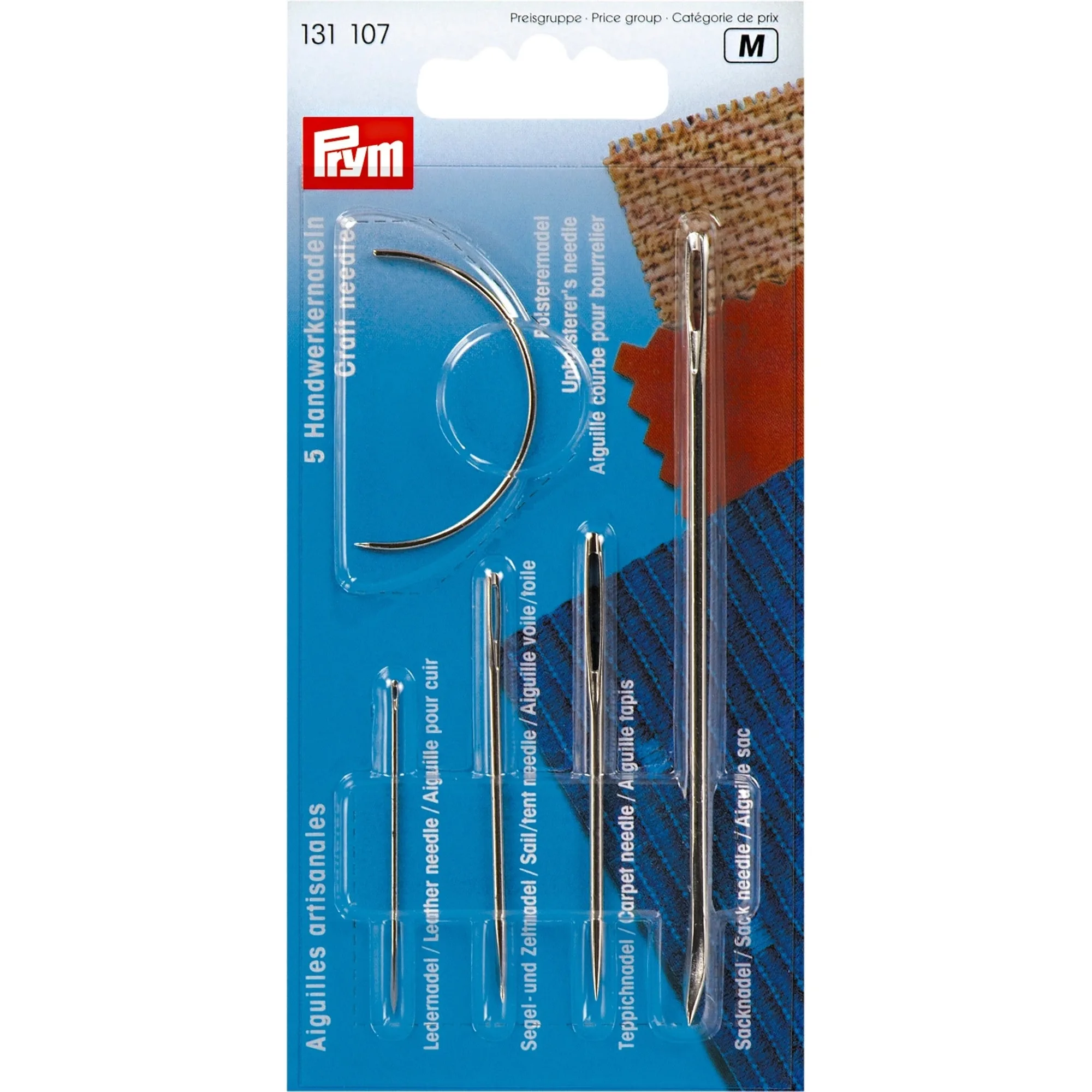
Verdict: False. A small set of general-purpose needles covers most hand repairs. You do not need every specialty needle to fix a seam or sew on a button. Start with a few sizes of sharp needles for wovens and one or two ball-point needles for knits, then add specialty needles only when a project demands them.
Specialty needles exist for specific tasks, but buying them all at once is unnecessary. Build your kit around the fabrics you actually sew. If you mostly repair cotton shirts, a few sharp needles in different sizes will do more than a drawer full of unused tools.
- Start with sharp needles in two or three sizes and one ball-point needle.
- Add specialty needles only when a specific project requires them.
Myth verdicts at a glance
- Sharper is always better: Point type should match fabric structure. Sharp for wovens, ball point for knits. Verdict: False. Match the point to the fabric.
- Bigger needles are stronger: Needle size should match fabric weight and thread thickness, not be maximized. Verdict: False. Choose size by task, not by strength claims.
- Eye size does not matter: Eye size controls thread friction and fraying. The thread should pass smoothly. Verdict: False. A comfortable eye prevents thread damage.
- Any thread works with any needle: Needle and thread must be matched. Too thick or too thin causes problems. Verdict: False. Match thread weight to needle eye and fabric.
- You need many specialty needles: A few general-purpose needles cover most hand repairs. Add specialty needles as needed. Verdict: False. Start simple and expand only when required.
Product facts that support better needle choices
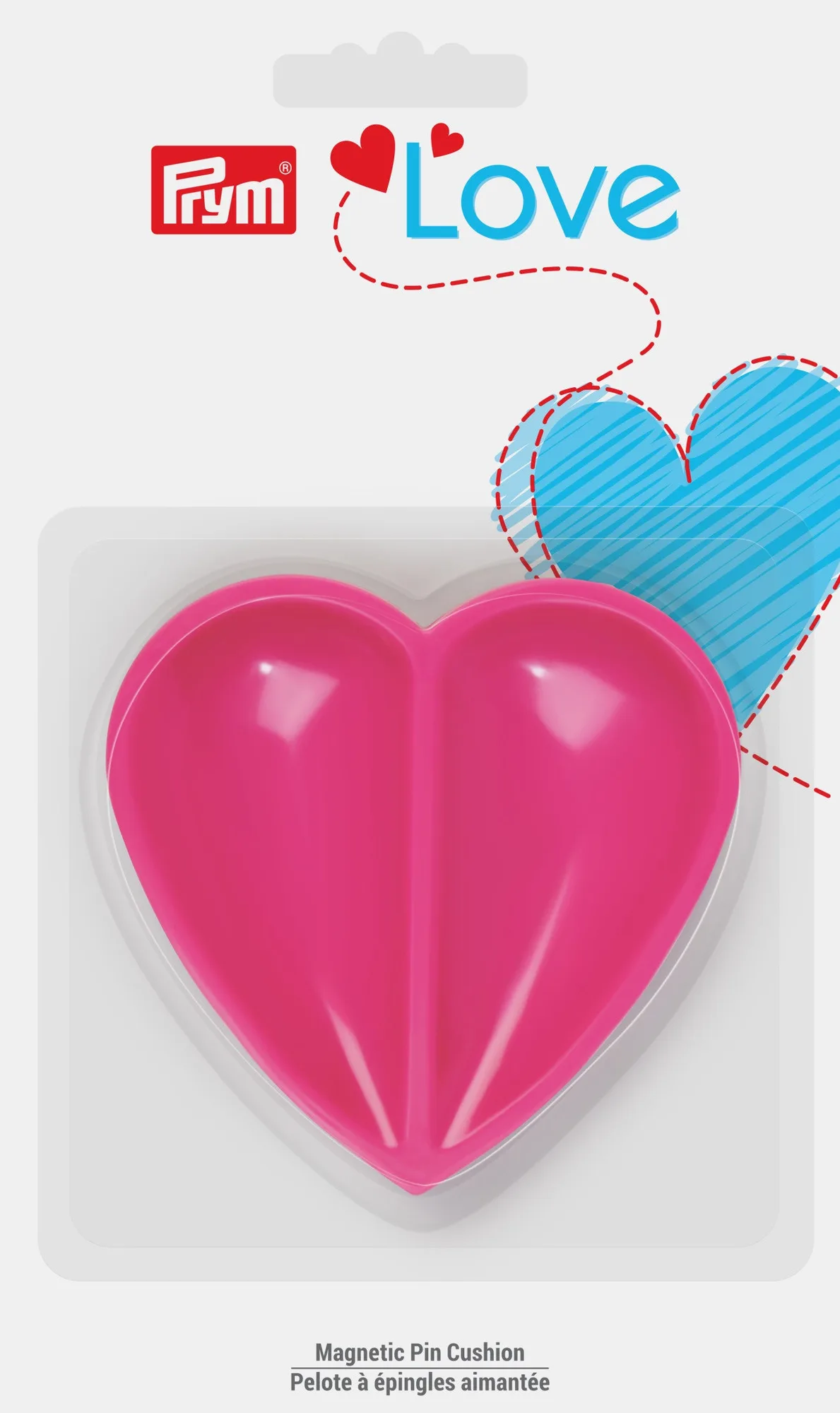
- https://prymamerica.com/products/60110-55689da1be2938eee17ce30c-1316149Magnetic Heart Pin Cushion: Prym Love Magnetic heart-shaped Pin Cushion has strong magnets to hold pins and other small metal items, and a divided tray to keep pin types or hand needles separated. Keeping needles separated by type or size prevents mix-ups, so you can grab the right needle for the fabric without sorting through a pile.
- Square Sewing Basket, Small, Black & White Polka Dots: This rectangular Polka Dots sewing basket in black/white provides a lot of room for sewing utensils in spite of its small size, with a removable transparent plastic insert that offers four compartments. A dedicated basket with compartments keeps needles, thread and small tools organized, so you spend less time searching and more time sewing.
- 1" Key Fob Hardware Set - Bonus Pack, Nickel, 5 Sets: With clamps and split rings, these sets make fashionable key chains, badges, lanyards and more, and accommodate a 1 inch strap. If you sew straps or small accessories, having the right hardware on hand means you can finish projects without a separate shopping trip.
Hand sewing needle myths often lead to bent needles, frayed thread and unfinished projects. The fix is straightforward: match the needle point, size and eye to your fabric and thread, keep your tools organized, and stop forcing a needle that is wrong for the job. With a small, well-chosen set and a clear understanding of needle and thread matching, hand sewing becomes smoother and more predictable.