Quick answer
Pack disposable hand warmers as a supplemental heat source, not as a replacement for proper insulation or emergency shelter. Use them to warm hands and keep core-adjacent areas from losing heat, but never apply them directly to bare skin for long periods. Check the package for duration and follow burn-prevention steps every time.
Why hand warmers belong in a winter emergency kit
In a cold-weather emergency, your body loses heat fastest through exposed skin and via conduction from cold surfaces. Hand warmers provide a small, portable heat source that can help you stay functional while you set up shelter, change a tire, or wait for help. They are not a substitute for dry layers, wind protection, or a sleeping bag, but they can buy comfort and dexterity when your hands would otherwise go numb. Because they are air-activated and disposable, they store easily in a glovebox, backpack, or emergency bin and do not require fuel or batteries.
How long do hand warmers last and what affects performance
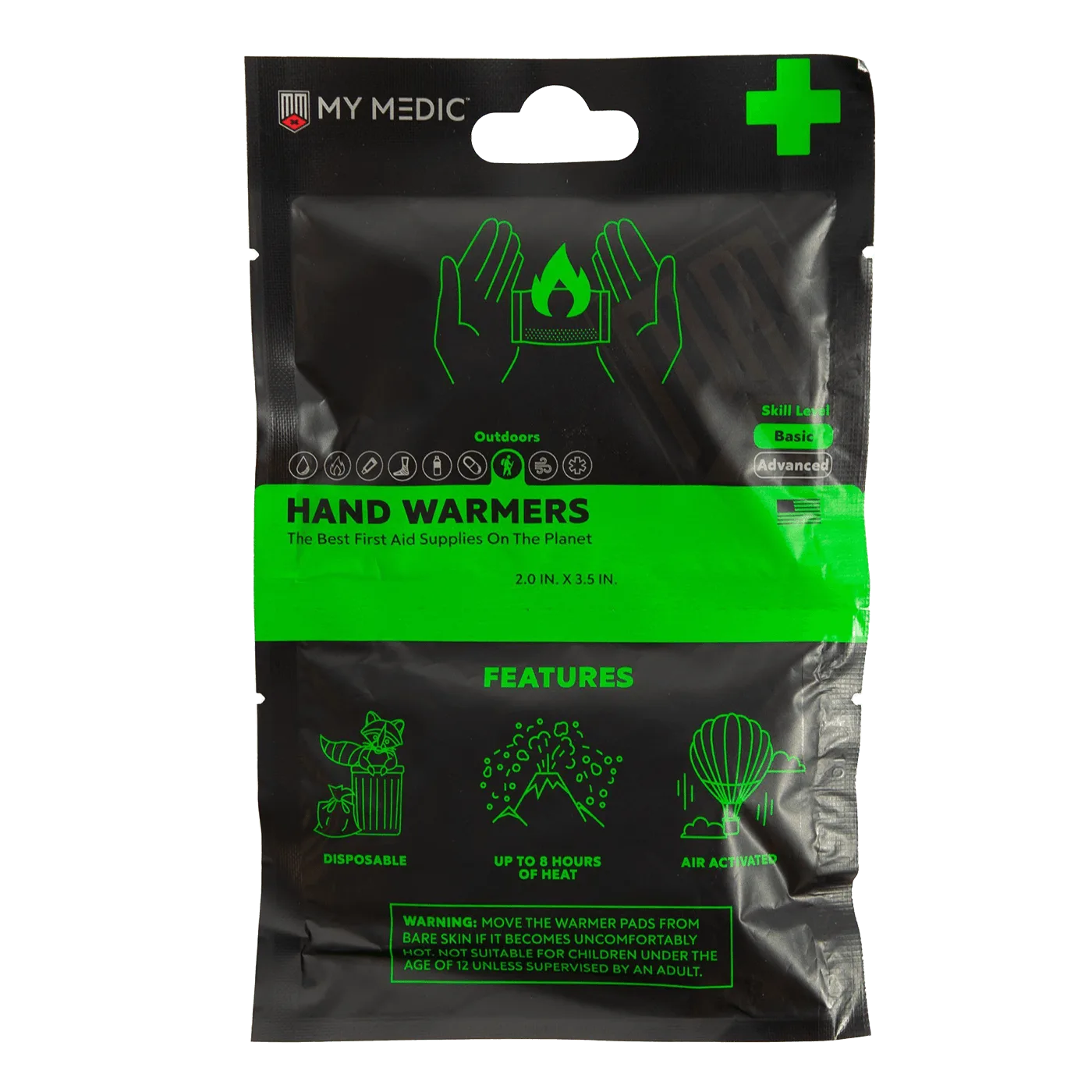
Most disposable hand warmers are rated for a specific number of hours, often up to 8 hours, but actual duration depends on exposure to air and how much you handle them. Once you open the package, the chemical reaction starts and cannot be paused. Cold temperatures slow the reaction, while airflow and movement speed it up. If you need heat later, keep unused warmers sealed until the moment you need them. For a multi-day kit, pack more pairs than you think you need, because each pair is single-use.
How to use hand warmers safely without risking burns
Hand warmers can reach temperatures high enough to cause burns, especially for people with reduced sensation, poor circulation, or thin skin. Always activate the warmer according to package directions, then place it in a pocket, glove, or cloth pouch rather than directly against skin. If you feel excessive heat, remove it immediately. Never use hand warmers while sleeping, because you may not feel a burn developing. For children or anyone who cannot reliably communicate discomfort, use extra layers of fabric between the warmer and skin, and check the area often.
Where to place hand warmers for hypothermia prevention
If you suspect hypothermia, focus on warming the core, not just the hands. Place hand warmers near the torso, such as in armpits or against the groin area, but always with a fabric barrier. Do not rub frostbitten skin or apply direct high heat. Hand warmers can support gradual warming while you seek professional medical help, but they are not a treatment for severe hypothermia. Call emergency services and insulate the person from the ground and wind.
How to store and rotate hand warmers in your kit
Store hand warmers in a cool, dry place away from direct sunlight and moisture. Keep them in their original packaging until use; once the seal is broken, they may activate slowly and be wasted. Check expiration dates if provided, and rotate stock annually before winter. A simple way to remember is to replace them at the same time you check your emergency kit for seasonal clothing and food. If you keep warmers in a car, be aware that extreme heat can degrade the packaging over time.
Step-by-step: using hand warmers in a winter emergency
- Check the package and date: Before you rely on a hand warmer, confirm the seal is intact and look for an expiration or manufacture date. If the package is torn or has been stored in a hot car for months, the warmer may not reach full temperature or last as long. Common mistake: assuming any old warmer will work. If in doubt, use a fresh pair.
- Activate the warmer fully: Open the outer package, remove the warmer, and shake it or expose it to air as directed. Give it a few minutes to heat up before you need it. Do not open it until you are ready to use it, because the reaction starts immediately. Checkpoint: if it does not feel warm after several minutes, it may be defective or expired.
- Create a fabric barrier: Place the warmer inside a glove, pocket, or wrap it in a thin cloth. Never tape it directly to skin or hold it in one spot for a long time. If you are using it for someone else, check their skin every 15 to 20 minutes for redness or discomfort. Common mistake: putting the warmer directly against bare skin and forgetting about it.
- Position for core warmth if needed: For cold stress or early hypothermia, place warmers near the torso, such as in the armpits or against the groin, always over a layer of clothing. Keep the person insulated from the ground and wind while you do this. Checkpoint: hand warmers support warming but do not replace emergency medical care.
- Remove and dispose after use: Once the warmer cools or you no longer need it, remove it from clothing and let it cool completely before throwing it away. Do not try to recharge or reuse a disposable warmer. Note how many you used so you can restock before the next trip. Next step: add replacement pairs to your kit so you are not caught short next winter.
Product facts to know
- Hand Warmers: Hand Warmers come in a 10-pair pack, are air-activated, disposable, and stay warm for up to 8 hours. A 10-pair pack gives you multiple single-use warming sessions for a family or multi-day kit, and the 8-hour rating helps you plan how many to pack for a long commute or trail day.