Quick answer
Put your lightest, bulkiest items in a handlebar bag, your heaviest tools and water in a frame bag, and your sleeping kit in a saddle bag. That split keeps weight low and centered, which matters more than total capacity. If you only add one bag, choose the frame bag; if you carry a sleep system, the saddle bag earns its place next.
What each position actually does to your bike
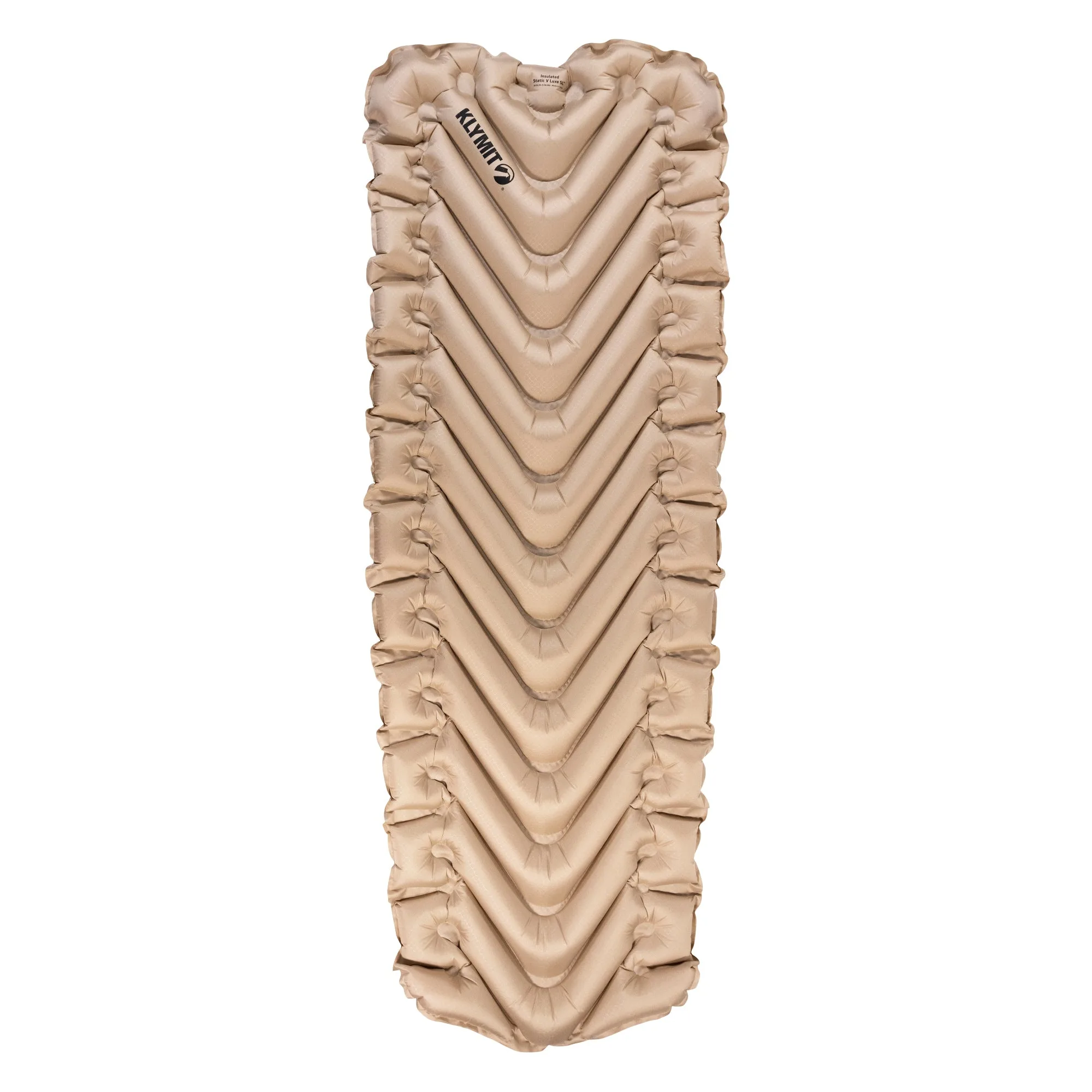
Handlebar bags sit ahead of the steering axis, so any weight there slows steering and can cause shimmy on fast descents. They suit light, compressible loads: a quilt, a down jacket, or a bivy. Frame bags sit inside the main triangle, where weight stays low and centered, so they barely change handling. Saddle bags hang behind the seatpost, adding rear weight that you feel most when standing to climb.
Top tube bags are the exception to the weight rule. They carry snacks, a phone, or a small camera within reach, and their minimal weight means the handling penalty is negligible. Treat them as access, not storage.
How to split your gear without guessing
Lay everything out and sort into three piles: ridden-in-today, heavy-and-small, and bulky-but-light. The first pile goes in the top tube bag, the second in the frame bag, and the third in the handlebar or saddle bag. If a pile does not fit, remove an item rather than adding a bag.
Keep your sleep system in one bag so you can unpack in one motion at camp. Keep tools and tubes in the frame bag so a mid-ride repair does not require unpacking the whole bike.
Frame size and clearance decide more than capacity
A frame bag only works if your triangle has room, and small frames, full-suspension bikes, and bikes with two bottle cages often do not. Measure your inner triangle before buying. Handlebar bags need clearance for brake levers and cables, and drop bars with tight cable routing can limit how wide a bag you can run. Saddle bags need enough exposed seatpost; dropper posts and slammed saddles are common dealbreakers.
What to wear under all of it
Bikepacking days mix hard efforts with long stops, so your clothing has to work at both ends. A merino base layer regulates temperature when you are sweating and then sitting still, and a cotton tee or long-sleeve layer handles the camp and town hours. Pack layers that can be worn together rather than three separate outfits.
Trade-offs by bag position
- Handlebar bag: Carries bulky, light gear and stays accessible while riding, but weight ahead of the steering axis slows handling and can trigger shimmy on descents. Keep it under roughly a sleep system plus a shell, and test a loaded descent before committing.
- Frame bag: Keeps heavy tools, water and food low and centered with almost no handling penalty, but it competes directly with bottle cages and needs a large enough triangle. Measure your inner triangle first; if it is tight, use a half-frame bag and move bottles to the fork or bars.
- Saddle bag: Swallows a full sleep system and keeps it out of the way, but adds rear weight you feel when climbing out of the saddle and needs exposed seatpost. Check seatpost exposure and dropper clearance before buying; if either is short, split the load into a handlebar bag instead.
- Top tube bag: Puts snacks, phone and a small camera within reach with negligible weight, but holds very little and can rub knees on narrow frames. Use it for access only, never as primary storage.
Layers that earn their space in a bikepacking bag
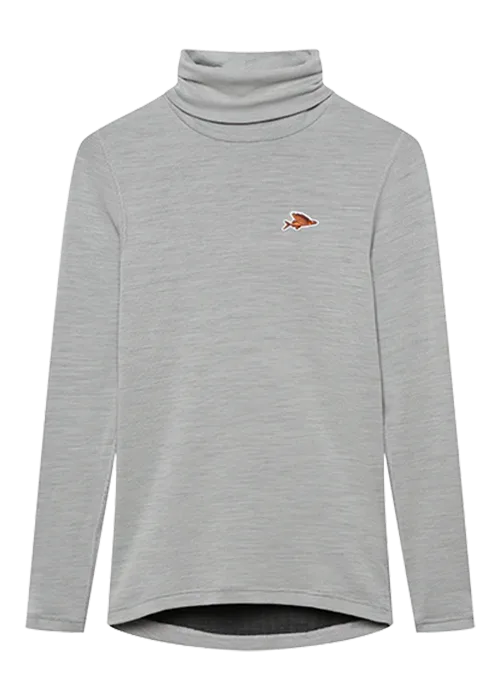
- Carmen: Merino wool round-neck base layer with a structured front section that traps air for insulation and a fabric technology that returns absorbed heat to the fibers. Cold mornings and long descents are where a base layer does the most work, and merino keeps working when you stop moving at camp.
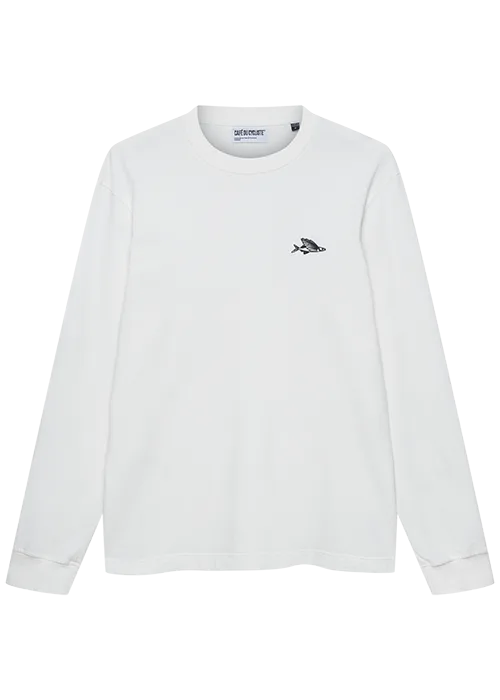
- Marylou: Long-sleeve T-shirt in 100% Portuguese organic cotton with an oversize cut, ribbed collar and cuffs. The oversize cut layers over a base layer without binding, and the long sleeves cover sun and cool evenings without a separate jacket.
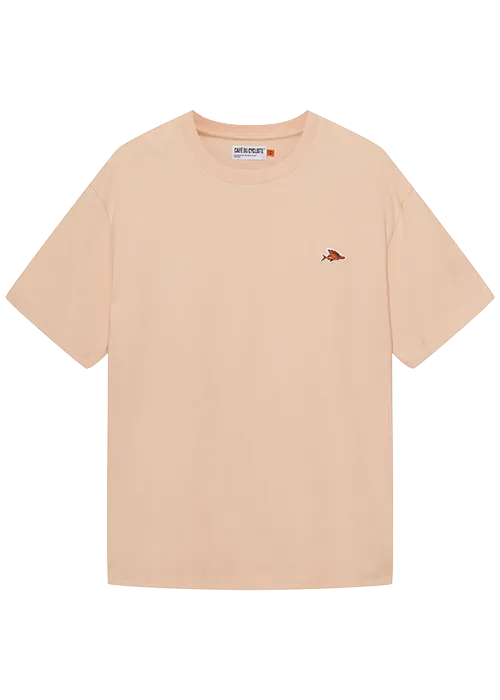
- Anne: Unisex short-sleeve T-shirt in 100% organic cotton with a classic cut, ribbed collar and set-in sleeves. A single cotton tee packs flat into a frame or handlebar bag and covers off-bike hours so you are not wearing riding kit at dinner.
Which setup fits your ride
Best for
- Riders on multi-day trips who carry a sleep system and need to split weight across the bike
- Overnighters on mixed surfaces where handling on descents matters
- Riders on medium and large frames with exposed seatpost and room for a full triangle bag
Not for
- Small-frame or full-suspension riders who cannot fit a frame bag and should look at fork and bar-mounted options instead
- Day riders carrying only a bottle, snacks and a shell, who are better served by a single top tube bag and jersey pockets
- Riders on dropper posts with minimal seatpost exposure, who should avoid large saddle bags