Quick answer
If you value unique artisan craftsmanship and a tactile, durable finish, choose handmade stoneware jars. If you prefer a more uniform, often glazed look and a lighter weight, ceramic canisters are a practical alternative.
What sets handmade stoneware apart?
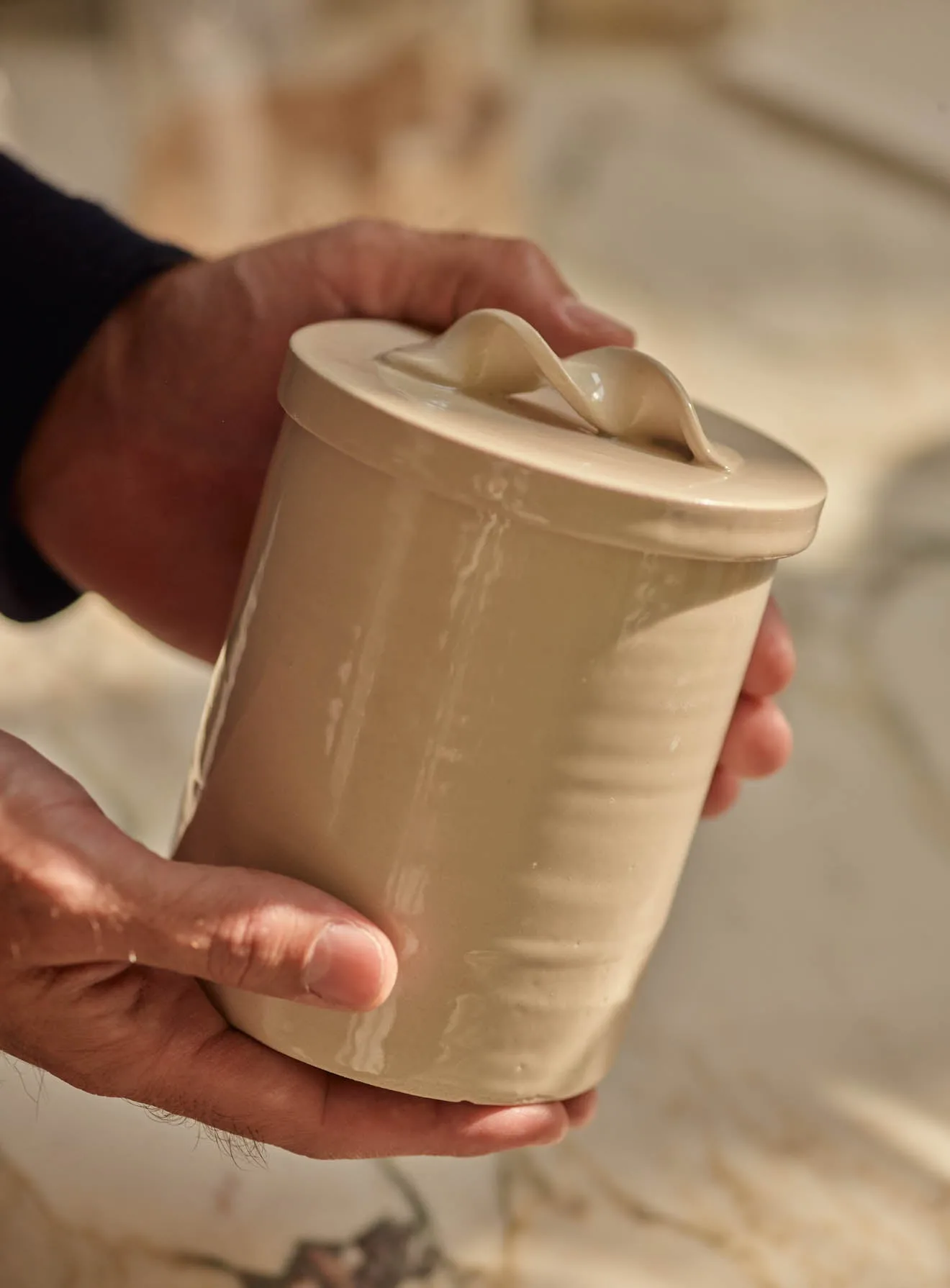
Stoneware is fired at a higher temperature than standard ceramic, making it denser, more durable, and less porous. A handmade stoneware jar, like the Handmade Stoneware Storage Jar, Large, is thrown on a potter's wheel, resulting in subtle variations in shape and glaze that give each piece a one-of-a-kind character. The stoneware body is glazed for a soft, tactile finish, often in understated tones that complement a classic English kitchen aesthetic.
Because each jar is hand-thrown, no two are identical. This means the jar you receive will have its own slight differences in rim thickness, glaze pooling, or handle shape. For many, this individuality is the main appeal, turning a simple storage container into a functional piece of art.
What to expect from ceramic canisters?
Ceramic canisters are typically mass-produced or slip-cast, resulting in a more uniform appearance. They are fired at a lower temperature than stoneware, making them slightly more porous and less resistant to chipping. The glaze on ceramic canisters is often glossy and consistent, which can be appealing if you want a clean, matching set on your countertop.
Ceramic canisters are generally lighter and more affordable than handmade stoneware. They are well-suited for dry goods like flour, sugar, or pasta, but may not be as durable for daily heavy use. If you prefer a coordinated look across your kitchen storage, ceramic canisters offer a wider range of colors and patterns.
Key differences at a glance
The main trade-off is between uniqueness and uniformity. Handmade stoneware jars offer artisan character, durability, and a natural, matte finish, but come with a higher price and slight variations. Ceramic canisters provide a consistent, often glossy look at a lower cost, but may lack the longevity and tactile charm of stoneware. Your choice depends on whether you prioritize individuality and heirloom quality or a seamless, budget-friendly set.
Trade-offs to consider
- Uniqueness vs. uniformity: Handmade stoneware jars have natural variations in shape and glaze, making each piece distinct. Ceramic canisters offer a consistent, uniform appearance that is easier to match in sets. Choose stoneware for character, ceramic for a coordinated look.
- Durability and weight: Stoneware is fired at higher temperatures, making it denser, more durable, and heavier. Ceramic is lighter and more prone to chipping or cracking under daily use. Stoneware is better for heavy daily use; ceramic suits occasional or decorative storage.
- Price and value: Handmade stoneware jars are typically more expensive due to the labor-intensive process and artisan materials. Ceramic canisters are more budget-friendly and widely available. Invest in stoneware for heirloom quality; choose ceramic for affordability.
Product facts
- Handmade Stoneware Storage Jar, Large: A handcrafted stoneware storage jar with a delicately twisted handle on the lid. Hand-thrown in ceramicist Nathalie Hammond’s Norfolk studio. Glazed for a soft, tactile finish in understated cream or oatmeal tones. Inspired by the simplicity of classic, pared-back English kitchens. Each piece is unique, with small variations that reflect its handmade nature. This jar is not just storage; it's a functional art piece that adds warmth and character to your kitchen. The unique variations mean you own something truly one-of-a-kind.
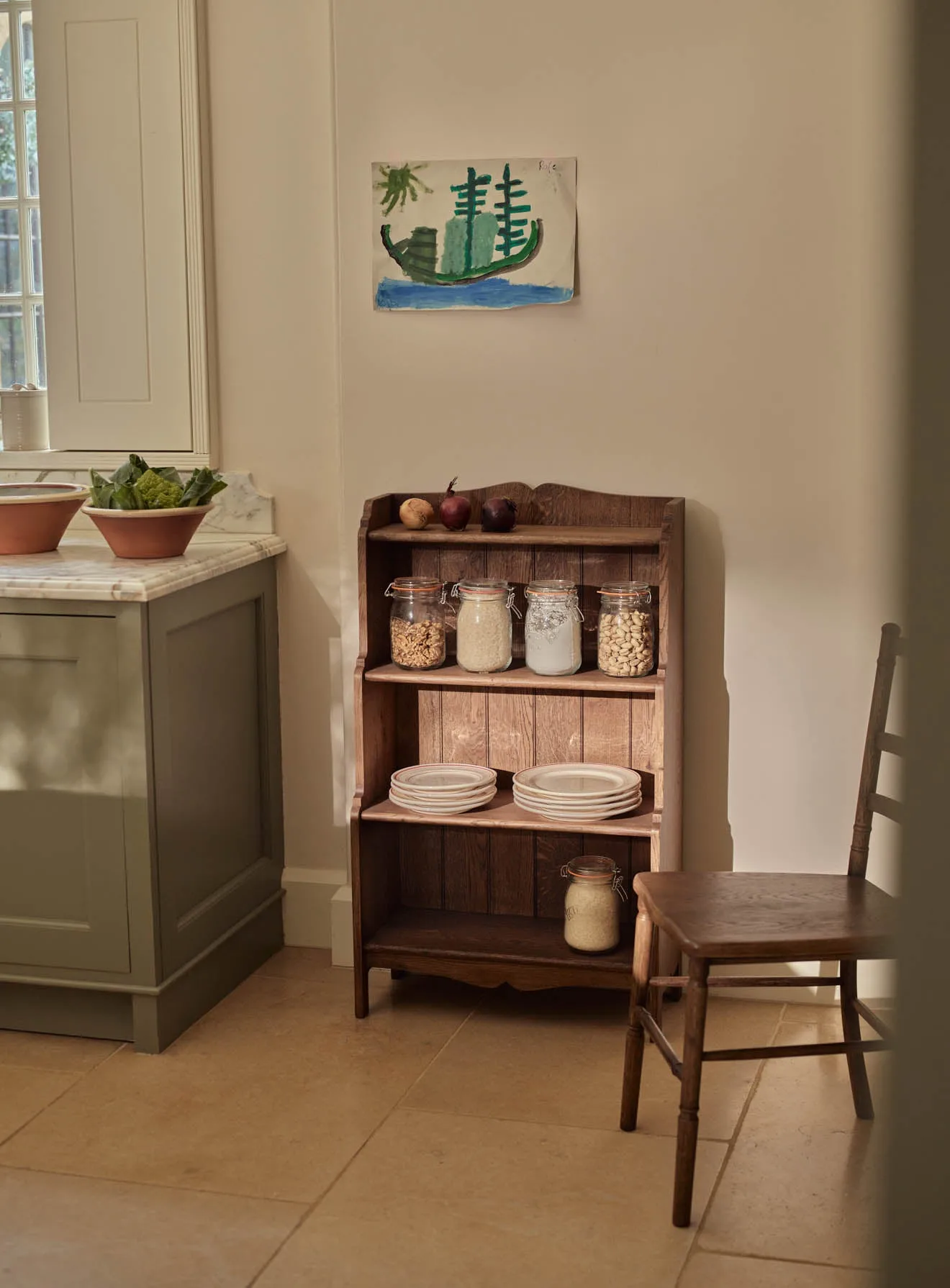
- Amelie Carver Chair: A beautifully made oak kitchen chair rooted in traditional craftsmanship. Hand-carved from FSC-certified solid oak. Finished in a warm, deep-toned oil that brings out the natural grain. A heritage-inspired ladderback silhouette, gently refined for modern living. Softly rounded legs with subtly turned detailing. While not a storage jar, this chair exemplifies the same commitment to artisan quality and timeless design. Pairing it with handmade stoneware creates a cohesive, crafted look in your dining or kitchen space.
Which one is right for you?
Best for
- Those who appreciate artisan craftsmanship and want a unique, durable storage piece that doubles as decor
- Kitchens with a rustic, classic, or English country style that values natural materials and tactile finishes
Not for
- Shoppers who need a perfectly matching set of identical canisters for a sleek, modern kitchen
- Those on a tight budget who prefer a lighter, more affordable storage option