Movie posters are more than just decoration—they're a statement of your fandom and a way to bring your favorite films into your living space. But the thought of poking holes in your wall or creasing a prized poster can be daunting. Fortunately, there are several effective, damage-free methods to display your posters beautifully without sacrificing your walls or your collectibles.
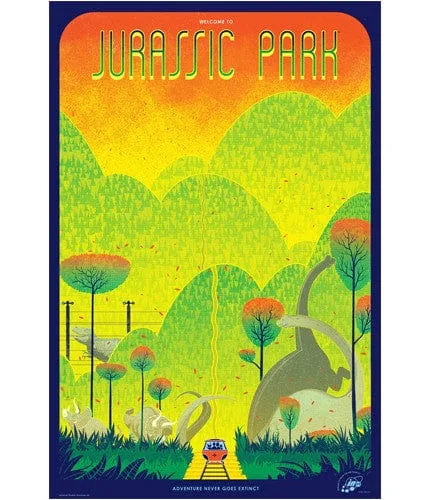
Whether you're hanging a rare variant like the https://mondoghc.com/products/ghostbusters-poster-variant-by-ken-taylor-406423Ghostbusters Poster (Variant) by Ken Taylor or a classic like the https://mondoghc.com/products/jurassic-park-english-poster-406744https://mondoghc.com/products/jurassic-park-406735Jurassic Park (English) Poster, this guide will walk you through the safest techniques, from simple adhesive strips to clever magnetic frames. You'll learn how to hang posters like a pro, keeping your walls pristine and your posters in mint condition.
Why Damage-Free Methods Matter for Collectors
For serious collectors, the condition of a poster is paramount. A single crease, tear, or stain can drastically reduce its value. Similarly, walls in rental apartments or freshly painted rooms shouldn't be left with unsightly holes. Using damage-free hanging methods protects both your investment and your living space.
Moreover, many movie posters are printed on high-quality paper that can be easily damaged by tape or adhesives that leave residue. By choosing the right hanging technique, you ensure that your posters remain in pristine condition, ready to be re-framed or sold in the future if you ever choose to.
- Preserves the collectible value of limited edition posters.
- Ideal for renters who need to avoid wall damage.
- Allows you to change posters frequently without leaving marks.
Method 1: Adhesive Strips and Hooks
Adhesive strips, like those from Command, are a popular choice for hanging posters without frames. They are easy to apply and remove, and they leave no residue or holes. For best results, use small strips on each corner and a couple along the edges for larger posters.
However, adhesive strips can sometimes cause slight bubbling or damage to the poster's surface if removed too quickly. To avoid this, stretch the strip horizontally rather than pulling it away from the wall. This technique releases the adhesive without stressing the paper.
- Use strips rated for the weight of your poster (most posters are light).
- Apply strips to a clean, dry wall surface.
- For extra safety, use a piece of acid-free tape on the back of the poster before attaching the strip.
Method 2: Poster Hangers and Magnetic Frames
Poster hangers, which consist of two magnetic bars that hold the top and bottom of the poster, are an elegant and damage-free solution. They allow you to hang your poster without any adhesive touching the paper itself, and they make it easy to swap out posters whenever you like.
Magnetic frames are especially great for rotating your collection. If you have a poster like the Master of the Flying Guillotine Variant Poster, you can change it out seasonally without worrying about wear and tear. Simply slide the old poster out and the new one in.
- Choose a hanger that matches your decor—wood, metal, or plastic.
- Ensure the magnet strength is sufficient for the poster's weight.
- Hang the hanger on a nail or adhesive hook, depending on your wall type.
Method 3: Clip Frames and Document Frames
Clip frames are another stylish option that doesn't require any adhesive on the poster. They consist of a clear plastic front and a rigid backing, with clips on the top and bottom that hold the poster in place. This method is perfect for posters that you want to display without the hassle of traditional framing.
Document frames are similar but often have a more professional look, with a thin metal or wooden border. They are excellent for showcasing high-value posters like the Star Feels by Dave Neabore LP artwork, providing protection from dust and UV light while keeping the poster safe from wall damage.
- Clip frames are inexpensive and easy to assemble.
- Document frames offer better protection and a more polished appearance.
- Both options allow you to change posters without removing the frame from the wall.
Method 4: Using Poster Tape and Putty
Poster tape and putty are classic solutions for hanging posters without frames. They are removable and generally leave minimal residue, but they can sometimes damage delicate paper if not used carefully. To minimize risk, apply tape only to the corners and use a gentle touch when removing.
For a more secure hold, consider using a combination of poster tape on the back and a few small pieces of putty at the corners. This distributes the weight and reduces the chance of the poster peeling off the wall.
- Use acid-free tape to prevent yellowing over time.
- Apply putty in small balls and press firmly, but not too hard.
- Test a small corner first to ensure the tape doesn't leave residue.
Method 5: Washi Tape for a Temporary, Decorative Look
Washi tape is a decorative paper tape that is gentle on both walls and posters. It's perfect for creating a temporary gallery wall or for renters who want to add a pop of color without commitment. Washi tape comes in various patterns and colors, allowing you to customize the look of your display.
However, washi tape may not hold heavier posters for long periods. It's best used for lightweight posters or for short-term displays. If you're hanging a poster with a lot of surface area, you might need to reinforce with additional tape or use a combination of methods.
- Choose washi tape that is labeled 'removable' for best results.
- Apply tape along the edges, not over the artwork.
- For a neat look, use washi tape to create a border effect.
Method 6: Professional Framing with UV-Protective Glass
If you own a truly valuable poster, such as a limited edition or a vintage piece, the best way to protect it is through professional framing. A custom frame with UV-protective glass not only prevents wall damage but also shields the poster from sunlight, dust, and moisture.
While this is the most expensive option, it's worth the investment for rare posters that you plan to keep for years. Professional framers can also use acid-free mounting materials to ensure the poster remains in pristine condition.
- Look for frames with museum-grade glass for maximum protection.
- Ensure the matting is acid-free to prevent discoloration.
- Hang framed posters on a sturdy wall anchor to support the weight.
Hanging movie posters without damaging your wall or poster is entirely achievable with the right methods. Whether you choose adhesive strips for quick changes, magnetic frames for elegance, or professional framing for your most prized pieces, the key is to prioritize both the condition of your poster and the integrity of your walls. Remember to always test any adhesive on a small area first, and when in doubt, opt for a method that uses no direct contact with the paper. With these tips, you can enjoy your favorite movie posters every day, knowing they're displayed safely and securely.