Quick answer
Yes, hard water can cause hair breakage. The calcium and magnesium in hard water leave a mineral film on each strand, making it feel rough, dry, and more likely to snap when you brush or style. If your hair has suddenly become brittle and you live in a hard water area, a shower filter is the most direct fix.
Why hard water makes hair snap
Hard water contains dissolved calcium and magnesium. When that water hits your hair, those minerals bind to the surface and form a microscopic coating. This coating does two things: it blocks moisture from getting in, and it creates friction between strands. Dry hair with high friction is hair that breaks.
The effect builds up over time. You might not notice anything after one wash, but after weeks or months of washing with hard water, the cuticle stays rougher, conditioner struggles to penetrate, and mechanical damage from combing gets worse. That is why breakage often seems to appear out of nowhere.
Signs you are dealing with mineral buildup, not just dryness
Dryness from hard water has a few tells that regular dryness does not. If your hair feels coated or filmy even after rinsing, or if shampoo does not lather well, minerals are likely involved. Another sign is stiffness: hair that feels wiry or crunchy at the ends rather than simply dry.
You may also notice more split ends than usual, or breakage that happens mid-shaft rather than at the very tip. If your styling products stop working the way they used to, or your hair takes longer to dry, that points to a buildup problem. These are the same signs that show up in hard water and split ends cases, where the cuticle is already compromised.
What to do first: remove the buildup
Before you buy anything, try a clarifying wash. A shampoo with chelating ingredients (look for EDTA or phytic acid) can strip some mineral residue. Use it once, then follow with a deep conditioner. If your hair feels noticeably softer and more flexible, buildup was part of the problem.
Do not over-clarify. Once a week is plenty for most people; more often can strip natural oils and make breakage worse. If clarifying helps but the effect fades after two or three washes, the water itself is the ongoing source, and you need to address that.
When a shower filter is the right fix
If you have confirmed hard water (your utility report or a test strip will tell you) and clarifying only gives temporary relief, a shower filter is the logical next step. A filter does not soften water in the traditional sense, but it can remove chlorine, heavy metals, and some of the minerals that leave residue on hair.
For breakage specifically, the goal is to reduce the mineral load so your hair stays smoother and retains moisture. That means fewer rough spots for strands to catch on each other. A filter will not repair existing split ends, but it can stop the cycle from repeating every time you wash.
Hair breakage prevention tips that work with filtered water
Even with a filter, your handling matters. Detangle with a wide-tooth comb or your fingers while hair is wet and coated with conditioner. Start at the ends and work up. Never rip through tangles.
Skip tight ponytails and buns if you are already seeing breakage, especially on wet hair. Wet hair stretches and snaps more easily. When you dry, use a microfiber towel or a cotton t-shirt and squeeze rather than rub. If you heat style, keep the tool moving and use a heat protectant. These habits reduce mechanical stress so the filter can do its job.
Diagnose your breakage: symptom, cause, action, and when to stop
- Symptom: hair feels coated and stiff after washing: This is the classic sign of mineral buildup. The cuticle is covered in calcium and magnesium deposits, which blocks moisture and makes hair feel rough. Try a chelating shampoo once. If hair feels softer, buildup is confirmed. If not, move to the next step.
- Symptom: breakage mid-shaft and more split ends than usual: Mid-shaft breakage usually means the hair is dry and brittle from the inside out. Hard water accelerates this by preventing conditioner from penetrating. Start using a shower filter to reduce the mineral load. If breakage continues after 4–6 weeks of filtered water and gentle handling, see a dermatologist or trichologist.
- Symptom: breakage only in certain spots (nape, hairline): This pattern often points to mechanical damage from tight styles or heat tools rather than water quality alone. Change your styling habits first. If the breakage persists in those spots even after you stop pulling hair tight, then consider a filter as an additional measure.
Products that help with hard water breakage
- Hello Klean Shower Head Plus: The first intelligent shower filter with advanced filtration for scale, metals and chlorine, plus hydropowered tracking that tells you exactly when to replace your filter. If you want to reduce the minerals that coat your hair without guessing when to change the cartridge, this filter tracks its own lifespan so you stay protected.
- Shower Filter Refill Capsule: Compatible with our Shower Filter 1.0 only. Replace every 3–4 months to remove over 90% of chlorine, heavy metals, and impurities. If you already own the Shower Filter 1.0, this refill keeps your filtration working. A spent filter stops removing minerals, so replacing on schedule is what actually prevents buildup.
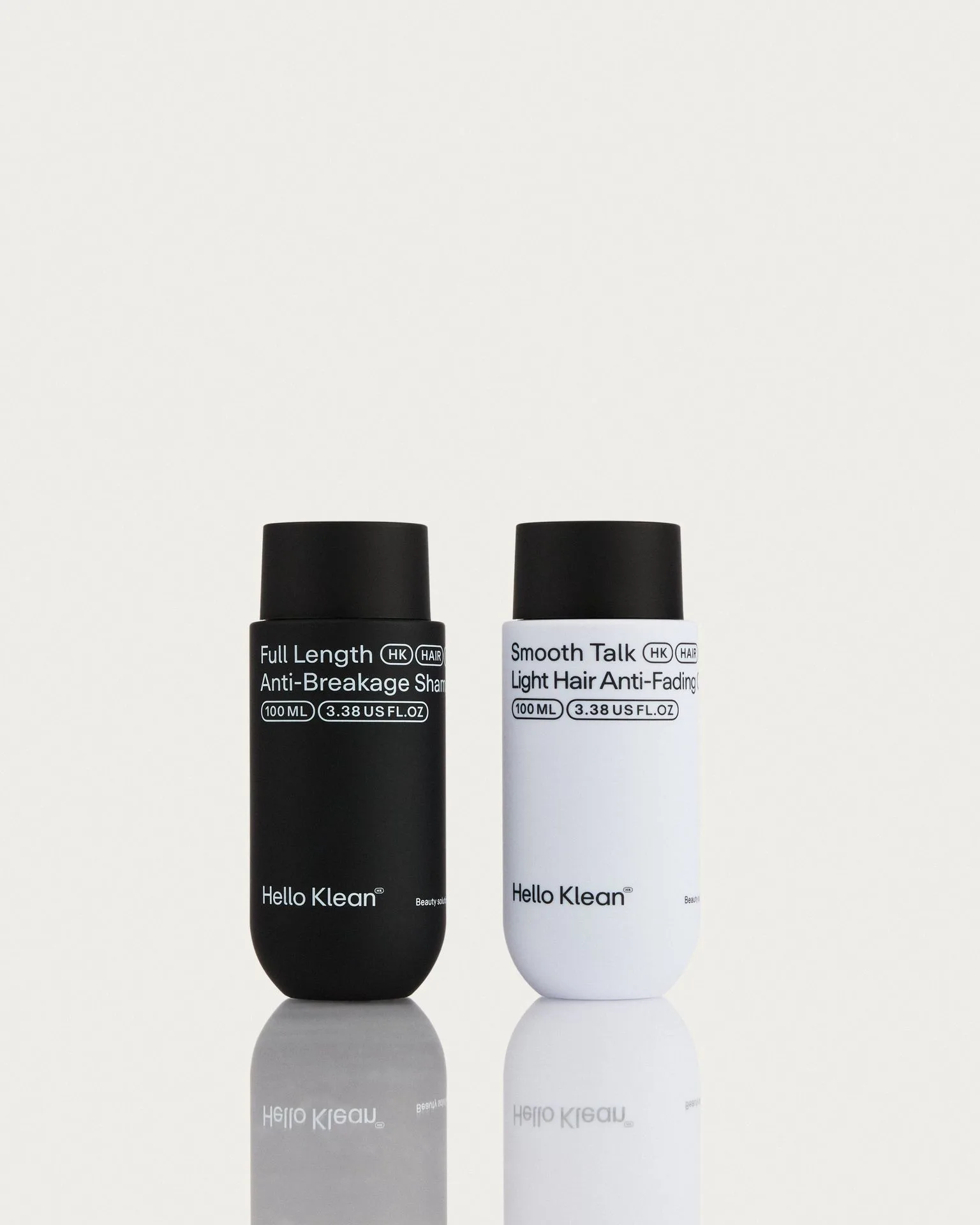
- Anti-Breakage Travel Kit: Your go-to travel-sized kit to strengthen hair, reduce breakage, and fight hard water damage on the go. If you travel to areas with hard water, this kit lets you keep your routine consistent and protect your hair from breakage even when you cannot control the shower water.