Quick answer
Clean hardside luggage by wiping the shell with mild soap and water, then clearing hair and grit from each spinner wheel with a dry brush before it gets wrapped around the axle. Do this after every few trips, and check wheel housings for cracks or wobble so small issues do not become replacement-level damage.
Gather the right supplies before you start
You need two soft microfiber cloths, a mild dish soap or gentle hand soap, a soft-bristle brush (an old toothbrush works), and a dry towel. Skip abrasive cleaners, bleach, solvent-based sprays, and scouring pads; they can cloud polycarbonate or polypropylene surfaces and strip protective finishes. If your case has a zippered expansion section, keep the zipper closed during cleaning so water does not seep into the lining.
Work the shell from top to bottom
Mix a few drops of mild soap in a bowl of lukewarm water. Dampen one microfiber cloth, wring it out so it is not dripping, and wipe the shell in overlapping passes. Rinse the cloth and repeat until the surface is free of sticky residue. Dry immediately with the towel rather than letting the case air-dry, which can leave water spots on darker finishes. For scuffs that do not lift with soap, a small amount of baking soda on a damp cloth can help, but test it on a hidden area first.
Clear wheels before they seize
Turn the case on its side and inspect each wheel. Hair, carpet fibers, and grit wrap around the axle and create drag that makes the suitcase feel heavier than it is. Use the dry brush to loosen debris, then pull it away with your fingers or tweezers. Spin each wheel by hand; it should rotate freely and quietly. If a wheel wobbles or grinds after cleaning, note it before your next trip rather than waiting for it to fail at the airport.
Dry, store, and know when to stop cleaning
Let the case sit open in a dry room until every crevice is fully dry, then store it upright or flat with nothing stacked on top. Cleaning cannot fix a cracked wheel housing, a bent axle, or a shell crack that catches on your fingernail. Those are repair or replacement decisions, not maintenance ones. If you are unsure whether a wheel issue is cosmetic or structural, compare it against the other wheels; one that sits at a different angle or spins noticeably slower is a warning sign.
Step-by-step hardside spinner care
- Empty and inspect the case: Remove everything, open all compartments, and look at the shell, zippers, handles, and wheels in good light. Common mistake: cleaning a loaded case, which hides cracks and traps moisture inside.
- Wipe the shell with mild soap: Use a damp microfiber cloth and a few drops of mild soap, working from top to bottom in overlapping passes. Checkpoint: the cloth should be damp, not dripping, so water does not run into seams.
- Rinse and dry the shell immediately: Wipe away soap residue with a clean damp cloth, then dry with a towel instead of letting it air-dry. Common mistake: leaving soap film on the shell, which attracts dust and dulls the finish.
- Brush debris from each wheel: Turn the case on its side and use a dry soft brush to loosen hair, lint, and grit around the axle and wheel housing. Checkpoint: spin each wheel by hand; it should turn freely without grinding.
- Remove wrapped hair with tweezers: Pull out any fibers the brush loosened, working carefully so you do not cut or bend the wheel or axle. Common mistake: yanking hair out, which can pull the wheel out of alignment.
- Dry fully before storing: Leave the case open in a dry room until wheels, zippers, and lining are completely dry, then store it upright or flat. Next step: if a wheel still wobbles or grinds after drying, plan a repair or replacement before your next trip.
What good wheel design looks like
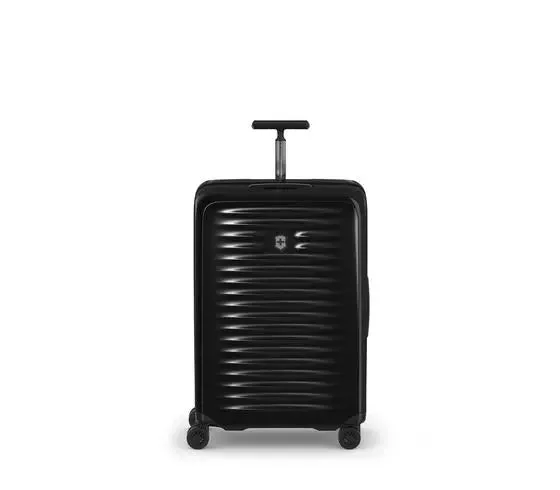
- Airox-Medium Hardside Case: The Airox Medium Hardside Case uses 60 mm dual-caster wheels and Hinomoto wheels with silent tires. Larger dual-caster wheels roll over uneven pavement more easily, and Hinomoto components are known for smooth, quiet movement, so keeping them free of hair and grit preserves the feel you paid for.
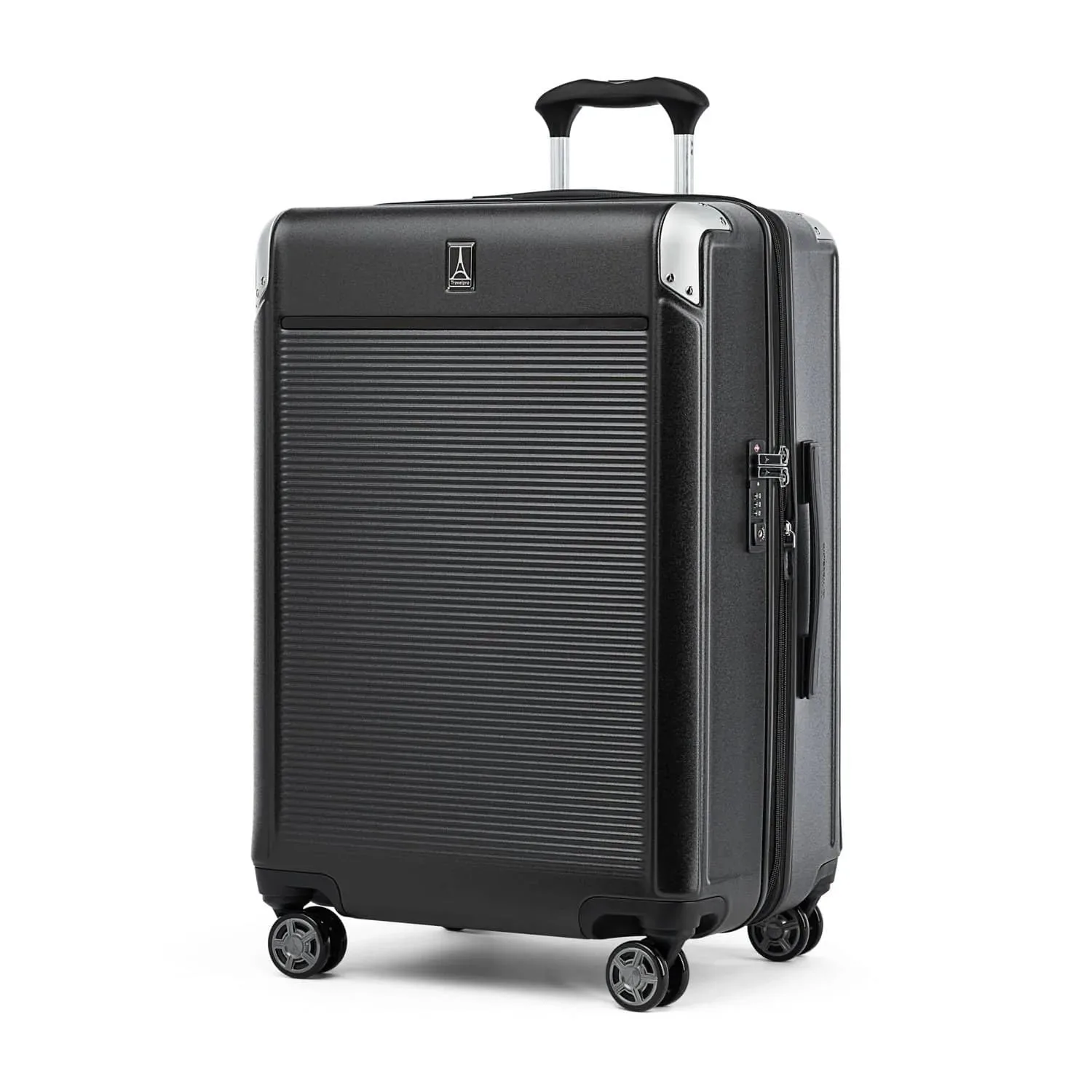
- Platinum® Elite Medium Check-In Expandable Hardside Spinner: The Platinum Elite Medium Check-In Expandable Hardside Spinner has a zippered 2-inch expansion option and is built for medium and longer trips. If you use the expansion zipper often, check that area for trapped grit and close it before cleaning so water does not reach the lining.
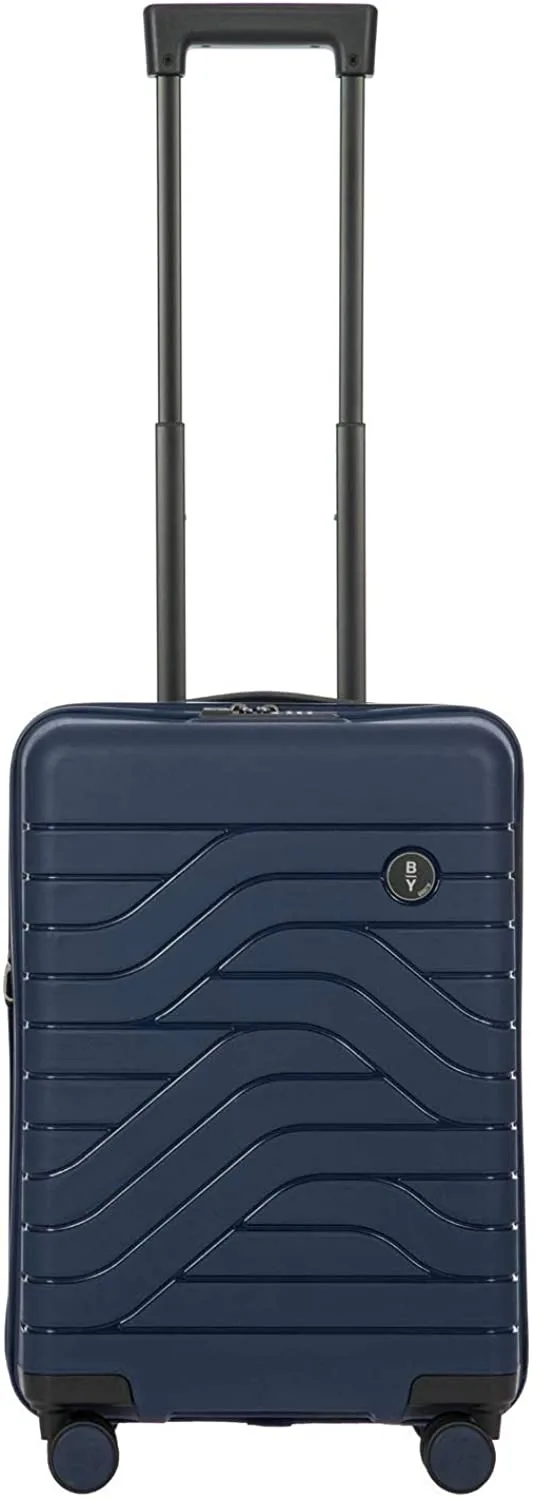
- Bric's Milano B|Y Bric's Ulisse 21" Expandable Spinner: The Bric's Milano B|Y Bric's Ulisse 21-inch Expandable Spinner is made of polypropylene, described as strong, durable, lightweight, and resistant to shocks and scratches. Polypropylene responds well to mild soap and water, but abrasive pads can still dull the finish, so stick with soft cloths.