Quick answer
Choose hardside luggage if you check bags, carry fragile items, or travel through wet conditions. Choose softside luggage if you need exterior pockets, want to squeeze a bag into tight overhead bins, or prefer a lighter feel. For many travelers, a hardside checked bag plus a softside carry-on covers both needs.
Picking between hardside and softside luggage usually comes down to how you travel, not which material is objectively better. Hardside shells resist crushing and moisture, while softside fabrics flex and offer quick-access pockets. The right choice depends on whether you check bags, what you pack, and how much you value easy access versus rigid protection.
This comparison uses real CALPAK options to show how those trade-offs play out. You will see how a hardside carry-on, a hardside large checked bag, and a softside duffel each solve different problems, so you can match the material to your trip instead of guessing.
Protection and durability
Hardside luggage uses a rigid shell that absorbs impact and keeps its shape, which helps protect fragile items and prevents the bag from being crushed in a crowded overhead bin or baggage hold. The Vault Large Luggage, for example, has a durable hard-shell construction, a reinforced aluminum frame, and built-in TSA-approved locks. That combination matters when you check a bag and want secure, structured protection.
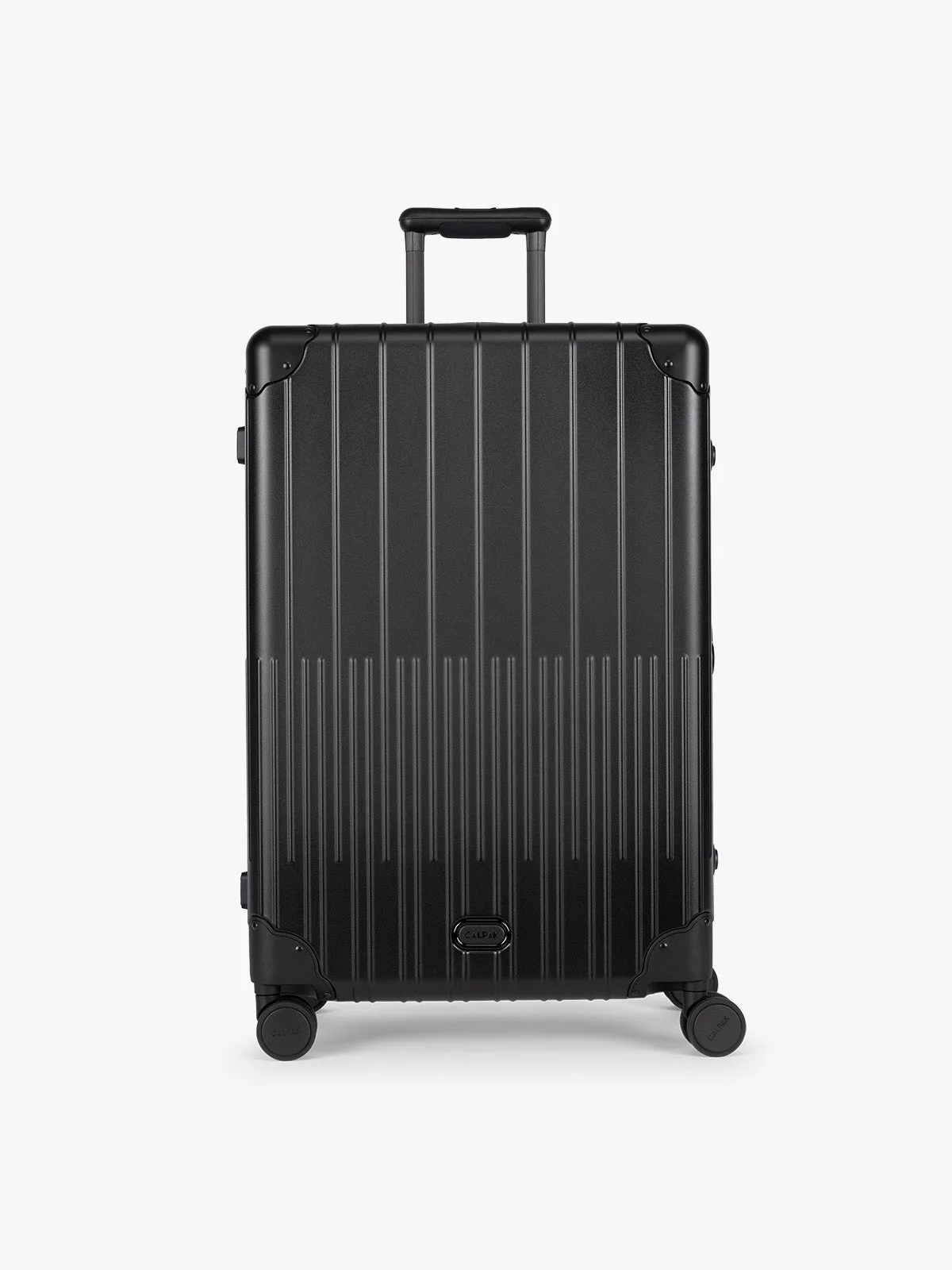
Vault Large Luggage
Softside luggage relies on fabric and padding rather than a hard shell. It can still be durable, but it flexes under pressure, so it offers less defense against crushing and water. If you routinely pack electronics, bottles, or souvenirs that can break, hardside gives you a more predictable protective layer. If your priority is a bag that gives a little when shoved into a tight space, softside has the advantage.
- Check a bag often? Lean hardside for crush resistance and built-in locks.
- Carry on and stow in tight bins? Softside can flex where a hard shell will not.
Packing flexibility and access
Softside bags often include exterior pockets that let you reach a laptop, snack, or boarding pass without opening the main compartment. The Stevyn Duffel Bag with Shoe Compartment shows how softside design can add structure without a rigid shell: it has a dedicated shoe compartment, interior pockets, and a luggage sleeve. That layout keeps dirty shoes separate and slides over a rolling bag handle, which is handy for gym-to-weekend transitions.
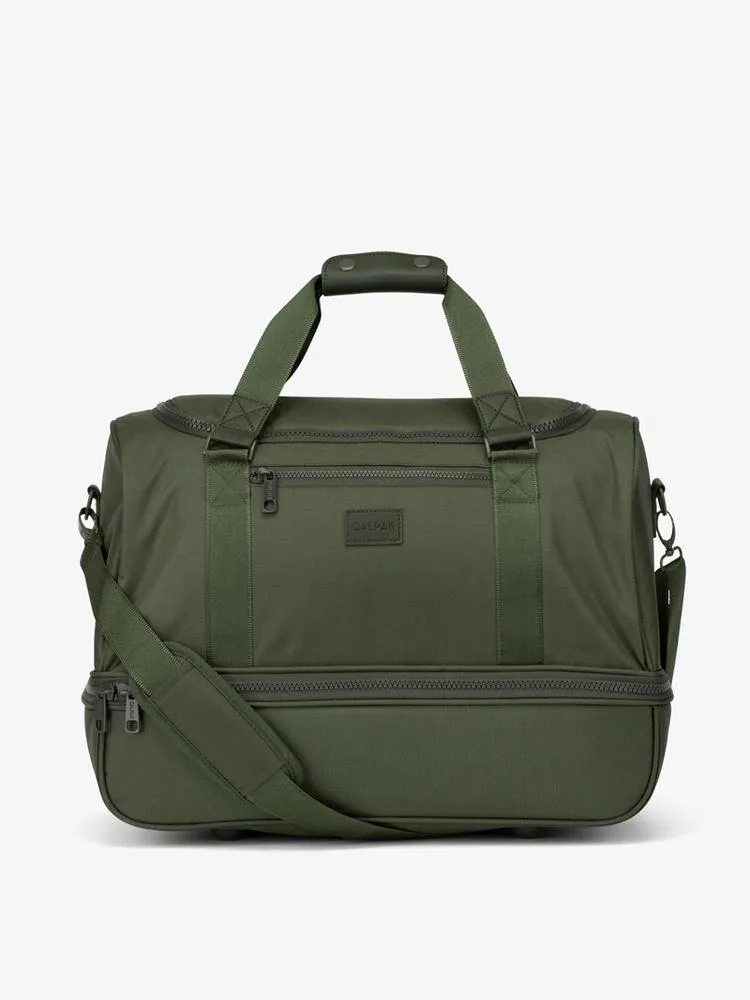
Stevyn Duffel Bag with Shoe Compartment
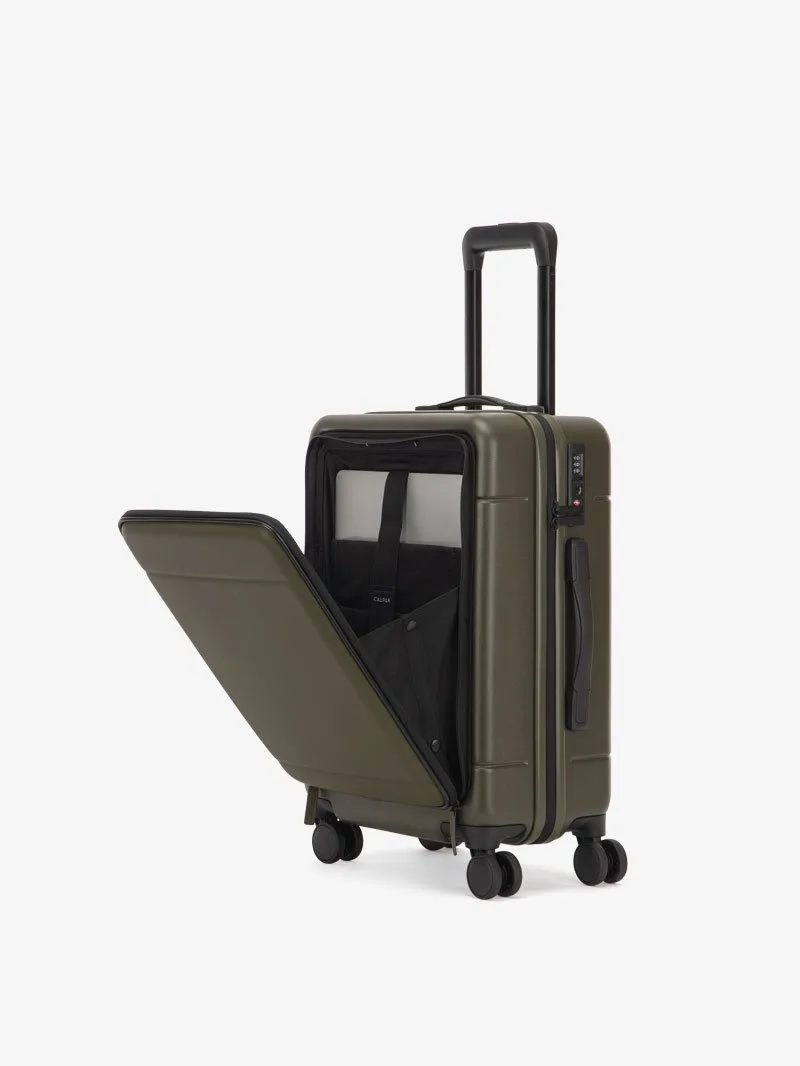
Hardside bags typically open flat into two halves, which makes packing and unpacking straightforward but limits quick-access exterior storage. The Hue Front Pocket Carry-On Luggage addresses that with a padded front laptop compartment, so you get hardside protection plus a dedicated spot for a computer. If you want both a rigid shell and fast access to a laptop, that front-pocket hardside design is the compromise to look for.
- Need a shoe compartment or exterior pocket? Softside usually wins.
- Want a laptop slot on a hardside bag? Look for a front-pocket carry-on.
Weight, capacity, and maneuverability
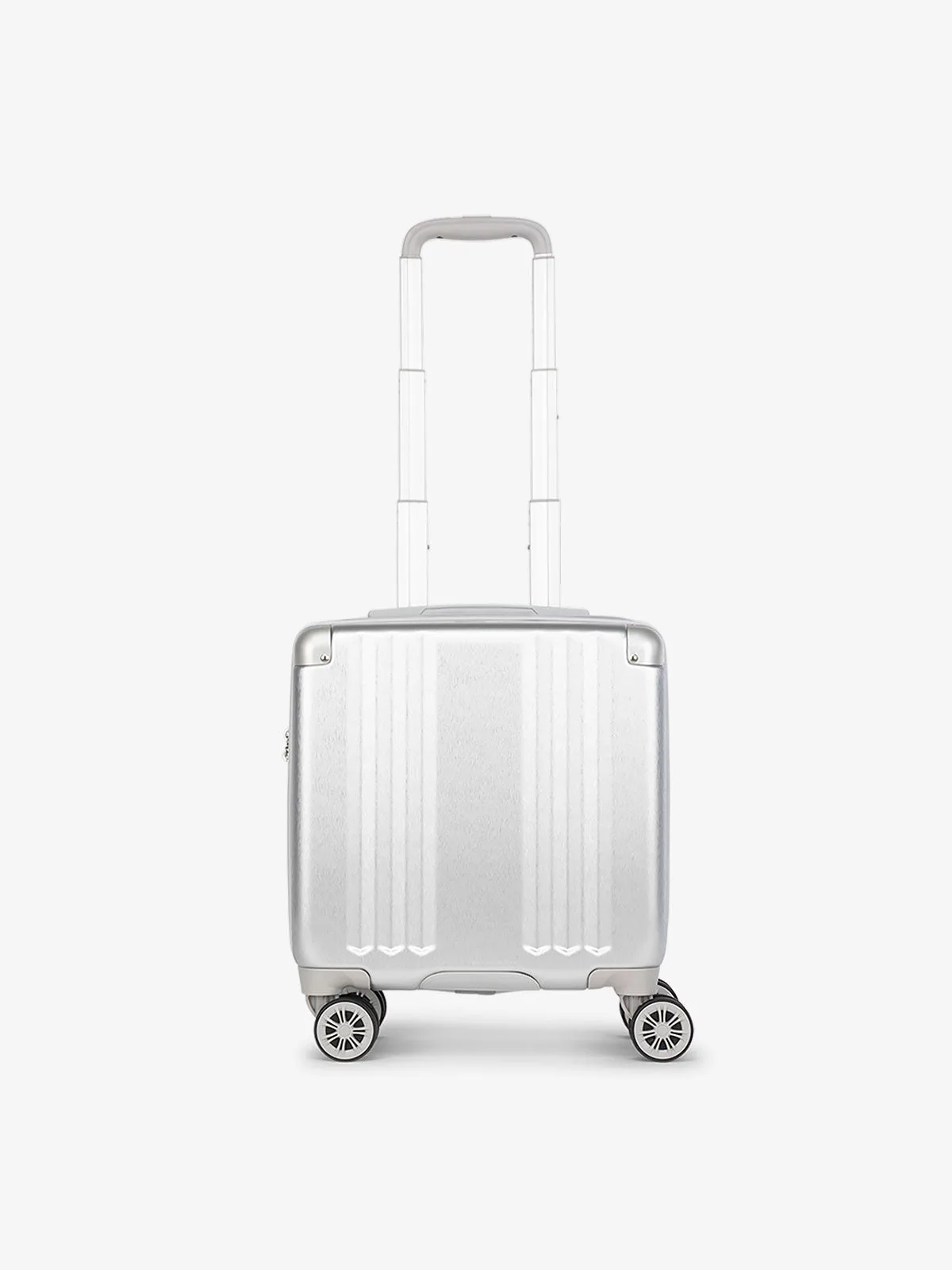
Hardside shells can add weight, but they also hold their shape so packing is more predictable. The Vault Large Luggage uses oversized spinner wheels, which help when a heavy checked bag needs to roll smoothly through an airport. The Ambeur Mini Carry-On Luggage is sized to fit under most airplane seats and also uses smooth spinner wheels plus multiple interior pockets, so a small hardside bag can still be easy to move and organize.
Softside bags can feel lighter and more forgiving when you need to squeeze one more item into a full bag. The trade-off is less structure: without a rigid frame, a softside bag may slump when partially empty and offers less protection for fragile contents. If you pack to the limit and want the bag to give, softside helps. If you want the bag to keep its shape and protect what is inside, hardside is the better fit.
- Heavy packer? Spinner wheels on a hardside bag reduce strain.
- Frequent overpacker? Softside flexes to accept the last item.
Weather and travel conditions
Hardside luggage handles rain, snow, and wet airport tarmacs better because water runs off the shell instead of soaking into fabric. If you travel to rainy destinations or check bags that sit on wet carts, a hardside shell is the more forgiving choice. The Vault Large Luggage and Hue Front Pocket Carry-On Luggage both use durable shells that help keep contents dry in damp conditions.
Softside luggage can be treated or coated, but fabric seams and zippers are still more vulnerable to moisture over time. That does not rule out softside for everyday travel, but it does mean you should use packing cubes or a rain cover if you expect wet weather. For checked bags in unpredictable climates, hardside reduces the chance of damp clothes at your destination.
- Rainy trip with checked bags? Hardside shell sheds water more readily.
- Softside in wet weather? Use packing cubes and a rain cover.
Trade-offs at a glance
- Protection vs. flexibility: Hardside shells resist crushing and moisture but do not flex. Softside fabric flexes into tight spaces but offers less defense against impact and water. Check fragile items? Go hardside. Squeeze into tight bins? Go softside.
- Access vs. security: Softside bags often add exterior pockets for quick access. Hardside bags open flat and may include built-in locks, as seen on the Vault Large Luggage. Need a laptop pocket on a hardside bag? Choose a front-pocket design like the Hue Front Pocket Carry-On Luggage.
- Weight vs. structure: Hardside can weigh more but holds its shape for predictable packing. Softside can feel lighter and accept last-minute items but may slump when partially empty. Pack to the limit? Softside gives. Want structure? Hardside holds.
CALPAK options that show the trade-offs
- Vault Large Luggage: Durable hard-shell construction, reinforced aluminum frame, oversized spinner wheels, secure interiors, and built-in TSA-approved locks. Best for extended vacations, international travel, and family trips where you check a bag and want protection plus security.
- Hue Front Pocket Carry-On Luggage: Dedicated padded front laptop compartment, durable shell, and spinner wheels. Best for business trips and quick getaways when you want hardside protection but still need fast access to a laptop at security.
- Ambeur Mini Carry-On Luggage: Sized to fit under most airplane seats, with smooth spinner wheels, multiple interior pockets, and a durable hardshell exterior. Best for weekend getaways, personal item travel, and business trips when you want a small hardside bag that still organizes essentials.
- Stevyn Duffel Bag with Shoe Compartment: Lightweight duffel with a dedicated shoe compartment, interior pockets, and a luggage sleeve. Best for gym sessions and weekend plans when you want softside flexibility and separate shoe storage instead of a rigid shell.
Which should you choose?
Choose hardside if you
- Check bags and want crush resistance plus built-in TSA-approved locks
- Carry fragile items or travel through rainy, wet conditions
- Prefer a bag that keeps its shape and rolls on spinner wheels
Choose softside if you
- Need exterior pockets or a dedicated shoe compartment for quick access
- Want a bag that flexes to fit tight overhead bins or last-minute items
- Prefer a lighter feel and do not mind less rigid protection
There is no single winner in the hardside vs softside luggage debate. Match the material to how you travel: hardside for checked bags, fragile gear, and wet weather; softside for exterior pockets, flexibility, and easy access. Many travelers end up with one of each, using a hardside checked bag and a softside carry-on or duffel for shorter trips.