Quick answer
A harness digs in because it's too tight, the straps aren't adjusted evenly, or the hardware sits on a bony area. Loosen the straps one notch at a time, redistribute tension across your chest and shoulders, and add padding under pressure points. If it still digs after those fixes, the harness is likely the wrong size or cut for your body.
Check strap tension first
Most digging comes from over-tightening. A harness should feel snug but not restrict breathing or leave deep marks. Start with all straps loose, then tighten gradually. The chest strap should sit flat against your ribcage, and the shoulder straps should run over the meatiest part of your shoulders, not the collarbone. If you can slide two fingers under each strap, the tension is about right.
Adjust for even pressure
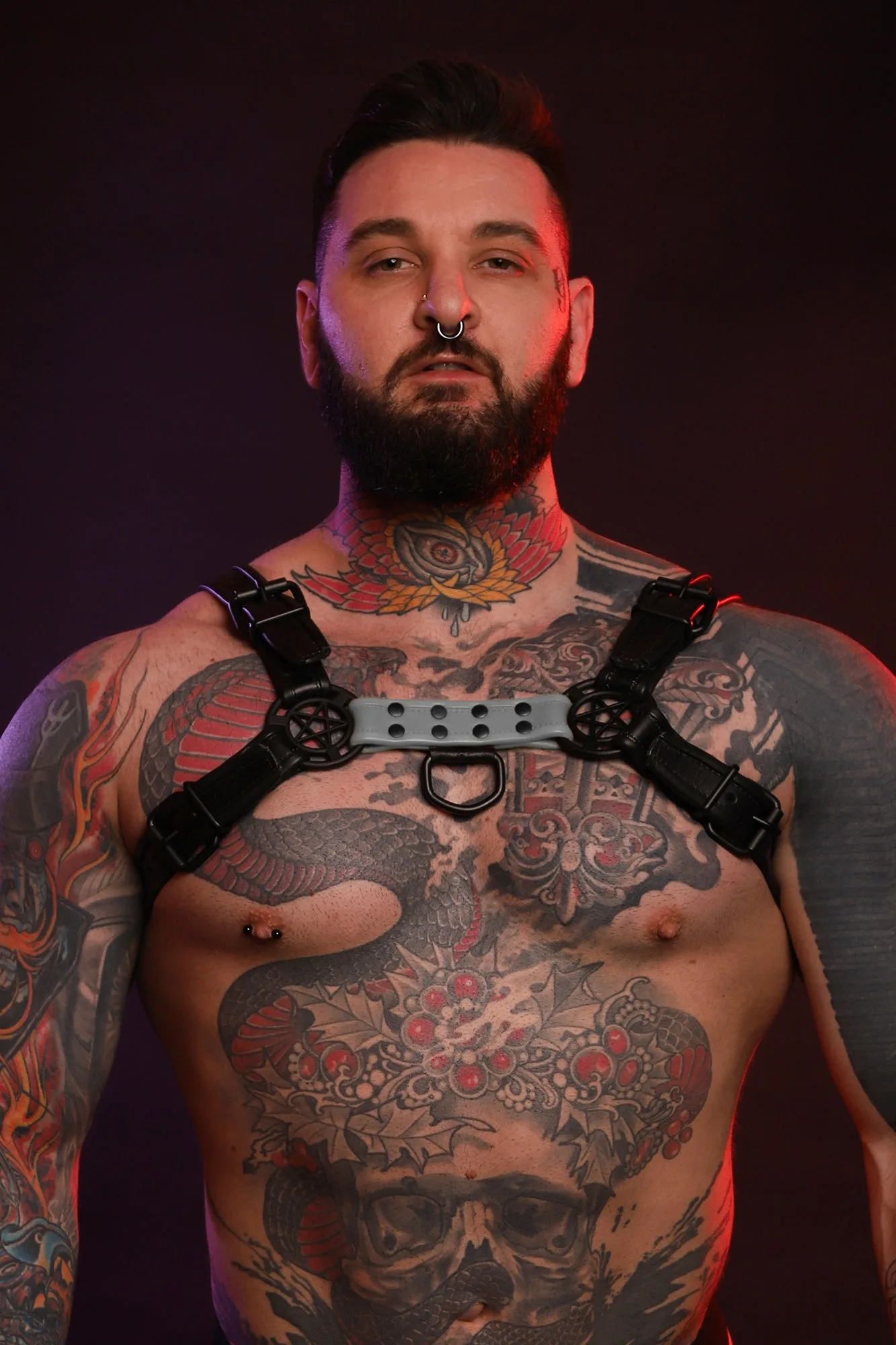
Uneven adjustment pulls the harness to one side, concentrating pressure. Stand in front of a mirror and check that the O-rings sit centered on your chest. Tighten left and right sides in small increments, alternating until they match. For a traditional leather chest harness like the Beef Harness, the pentagram O-rings are fixed points—if they sit off-center, the straps will dig on one side. Reposition the harness so the rings are level before you tighten anything.
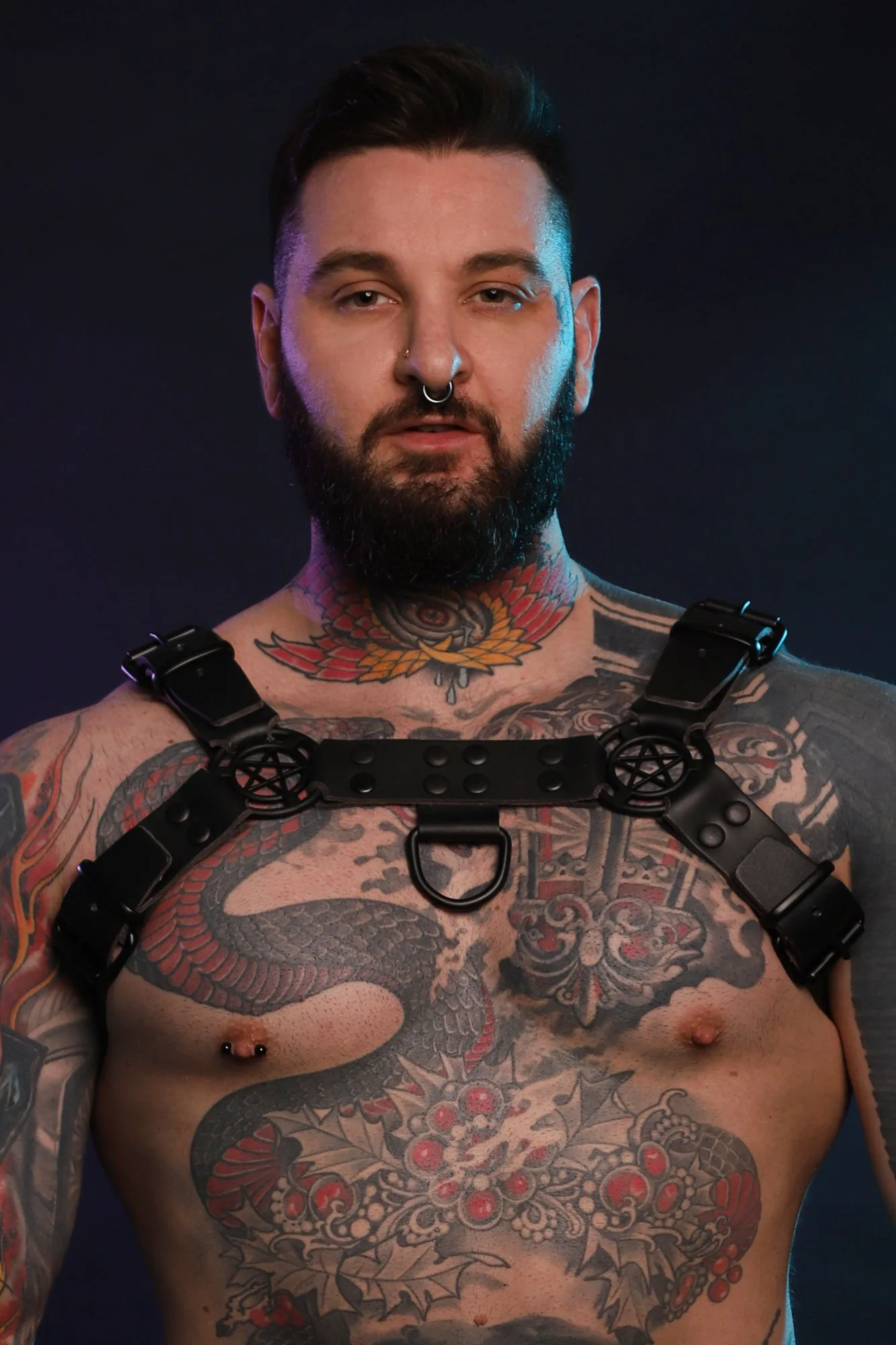
Beef Harness
Add padding at pressure points
If loosening isn't enough, padding can bridge the gap. Soft leather straps will break in over time, but you can speed up comfort by wearing a thin, tight-fitting shirt under the harness. For bony areas like the collarbone or underarms, a small piece of moleskin or a folded bandana under the strap works. Avoid thick padding that changes the fit—it can make the harness slide and require more tightening.
When to size up or switch styles
If the straps are already at their longest setting and still dig, the harness is too small. Leather doesn't stretch much, so sizing up is the real fix. Also consider the cut: a harness with wide, soft leather straps (like the https://twistedbeaststoreyht.com/products/beast-harness-1-844caa0183613c1d078da31d-641746https://twistedbeaststoreyht.com/products/beast-harness-22d7f2117e5a170434391253-641747Beast Harness) distributes pressure better than a narrow-strap design. If you have a short torso, a chest harness may sit too low and dig into your ribs—a jockstrap-style harness or a different configuration might suit you better.
Diagnose your dig
- Red marks that fade quickly: Normal after wear, especially with new leather. If marks fade within an hour, fit is likely fine. No change needed.
- Deep grooves or pain during wear: Straps are too tight or hardware is pressing on bone. Loosen straps and check O-ring placement. Adjust and retest.
- Digging persists after loosening: The harness is the wrong size or cut for your body. Size up or try a different style with wider straps. Consider a different harness.
Harness options built for comfort
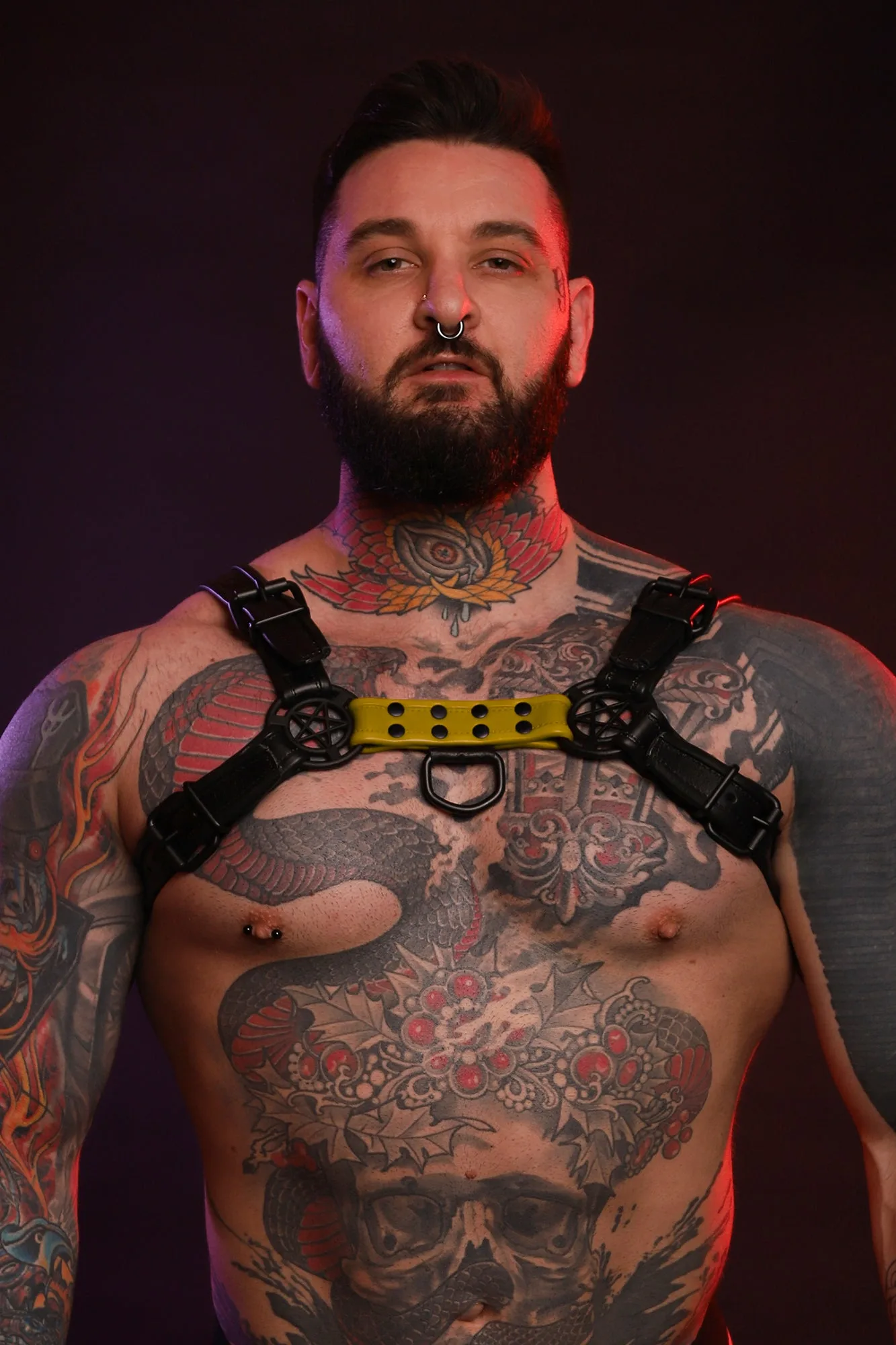
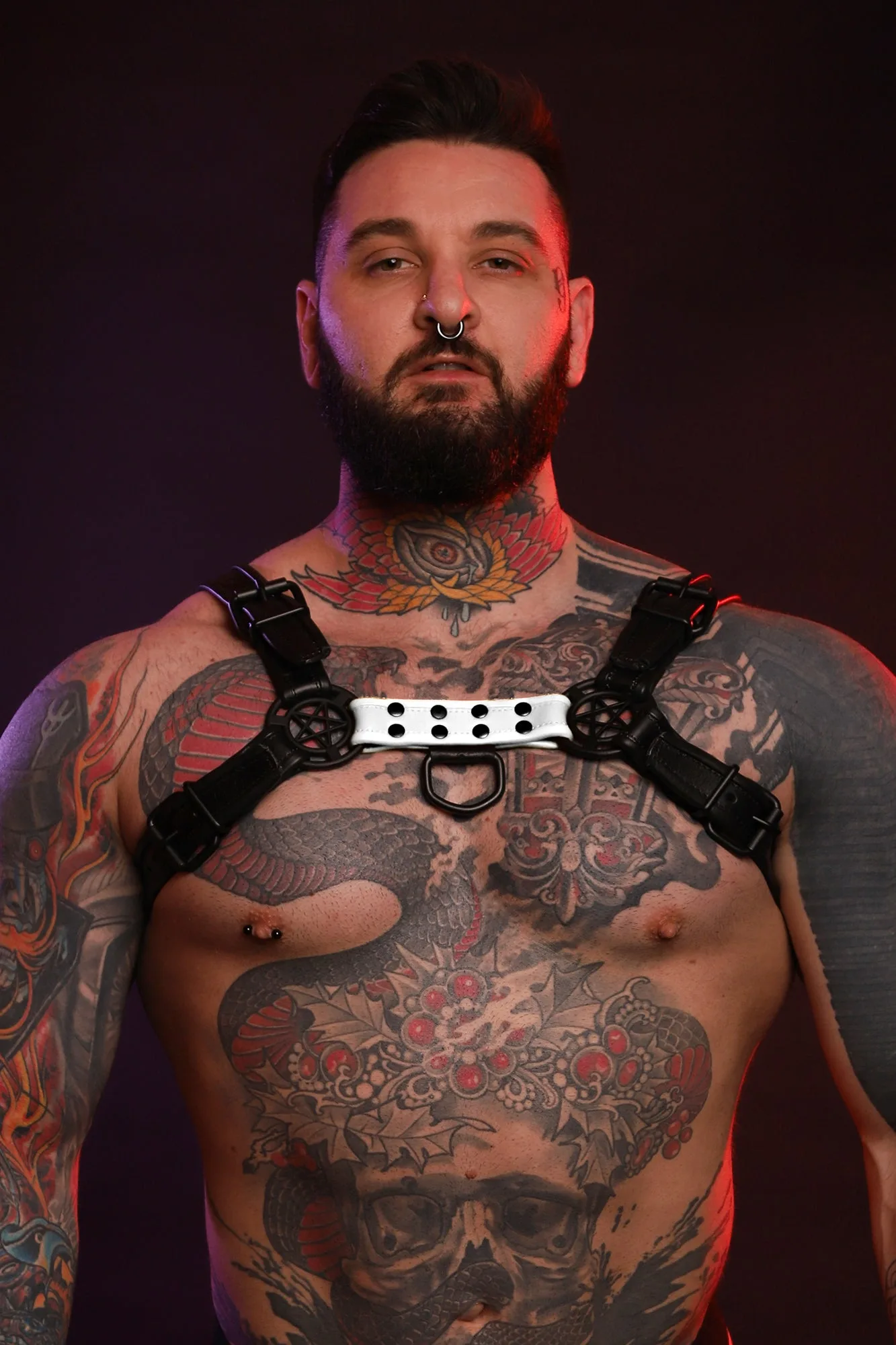
- Beef Harness: The Beef Harness is a traditional style leather chest harness crafted from premium leather with classic cut, nickel hardware, and custom pentagram O rings. The classic cut and nickel hardware mean the straps are wide and smooth, reducing edge dig compared to narrow or rough hardware.
- Beast Harness: The Beast Harness is a top-of-the-line leather chest harness with custom pentagram o-rings, black hardware, and soft leather. Soft leather and black hardware reduce friction and pressure points, making it a strong choice if you're prone to digging.