Quick Answer
For most cold range days, start with a hat—specifically the USA Patch Snapback in Multicam Black—because it keeps your head warm without adding bulk around your neck or waist. Add a hoodie only if you need core insulation and can manage the extra fabric over your belt line. If you carry a fixed blade, the hoodie's hem can interfere with a low-profile sheath, so test your draw before you commit.
Why a Hat Usually Beats a Hoodie on the Range
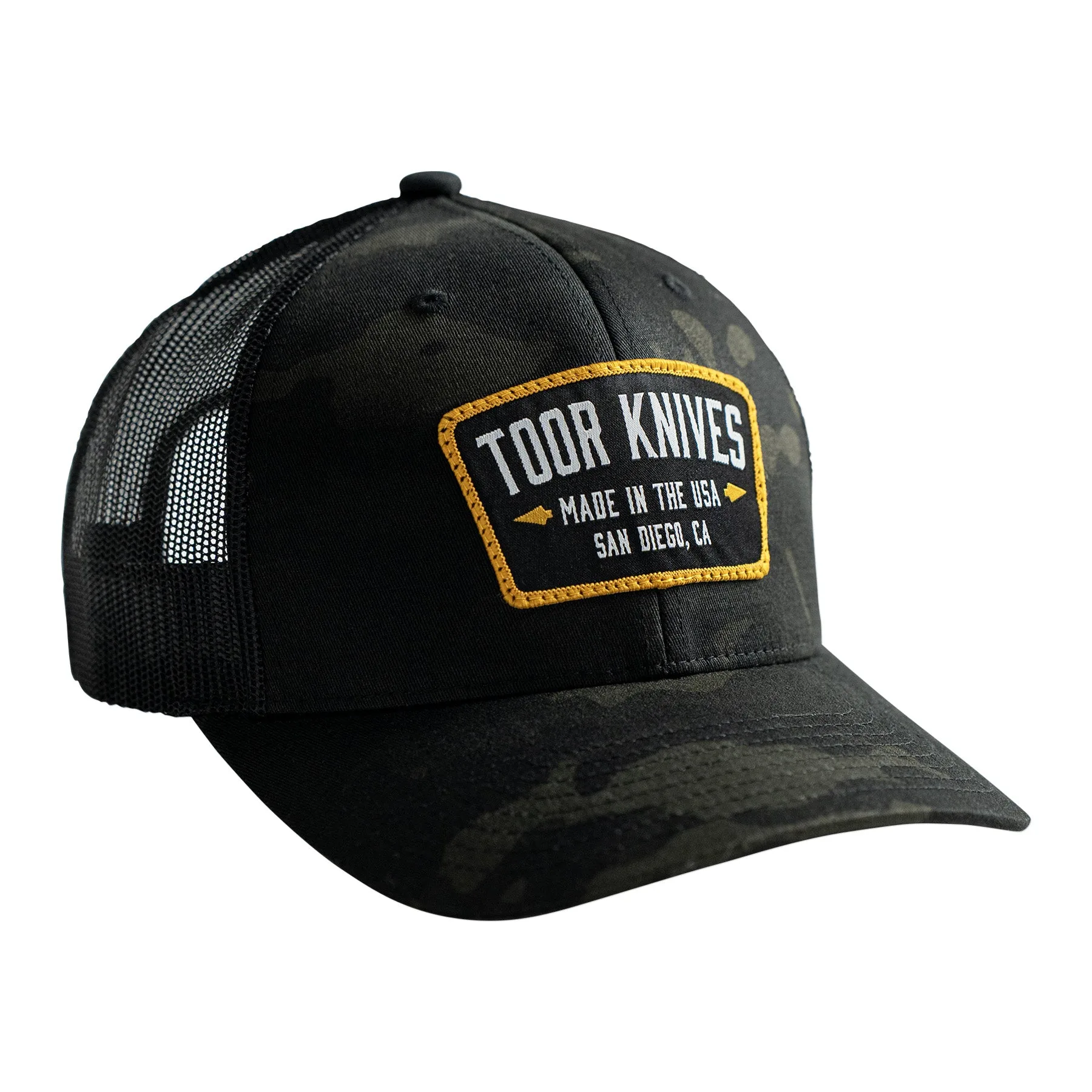
A hat solves the main problem of cold range days—heat loss from your head—without creating new problems at your waistline. The USA Patch Snapback in Multicam Black is a one-size-fits-all, adjustable 6-panel design with a custom patch over Multicam black camo and black mesh. That mesh matters: it vents heat during string after string of fire, so you don't overheat and then freeze when you stop moving.
A hoodie, by contrast, adds a layer of fabric around your torso and often a bulky hood behind your neck. That hood can block your cheek weld or interfere with ear protection. It can also bunch up over a belt-mounted sheath, slowing your draw. If you carry a fixed blade, that bunching is a real safety and access issue, not just a comfort one.
When a Hoodie Earns Its Place in the Layering System
If the temperature drops below freezing or you're standing still for long periods, a hoodie becomes worth the trade-offs. The key is choosing a cut that doesn't balloon at the waist. A slimmer hoodie worn under a shell keeps your core warm while leaving your belt line accessible.
Pair that hoodie with a hat rather than choosing one or the other. The hat handles head and ear warmth; the hoodie handles core insulation. Together they cover more of the body's heat-loss zones than either piece alone. The mistake is wearing a hoodie with the hood up over a hat—that traps moisture and blocks your hearing.
How Your Blade Choice Changes the Hat vs Hoodie Math
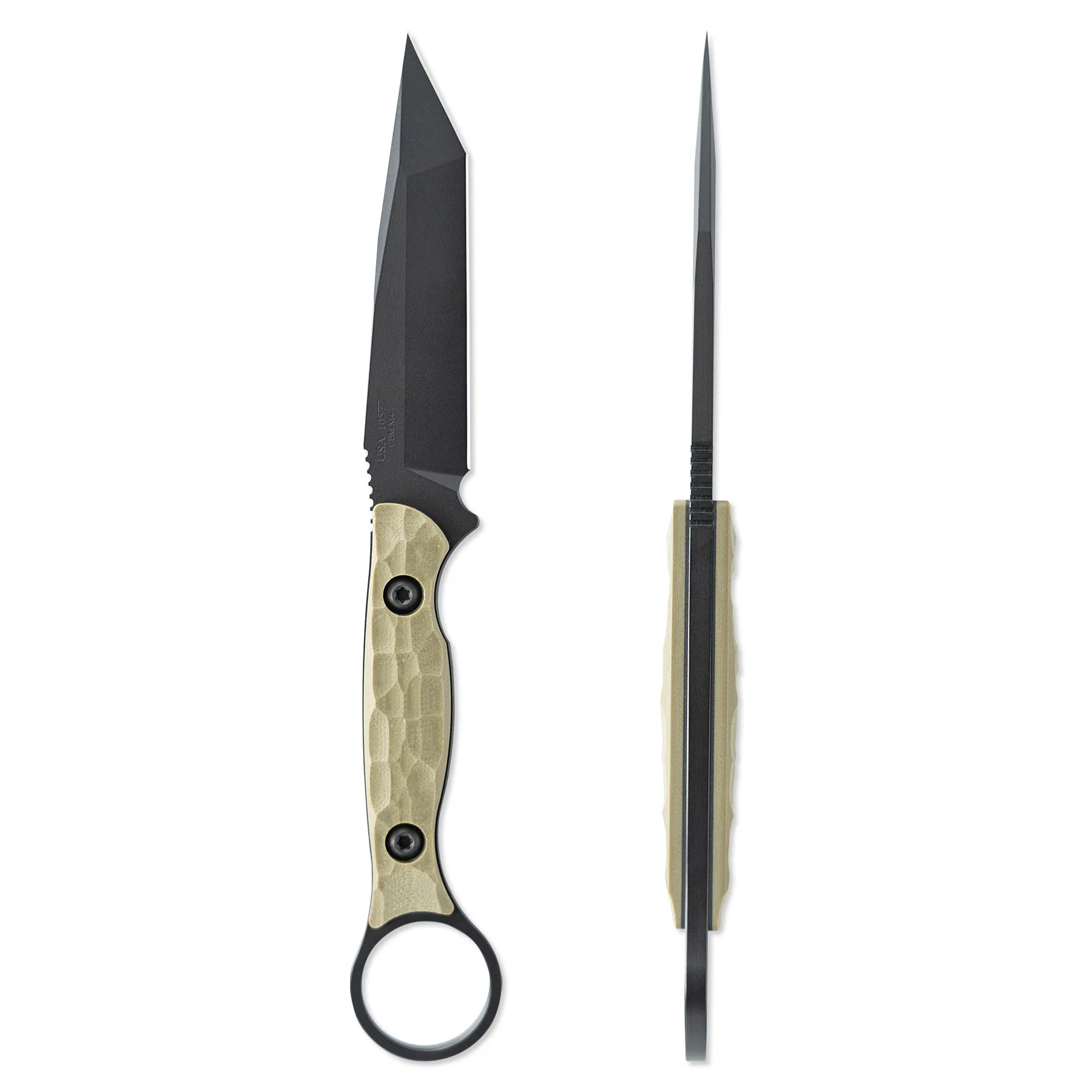
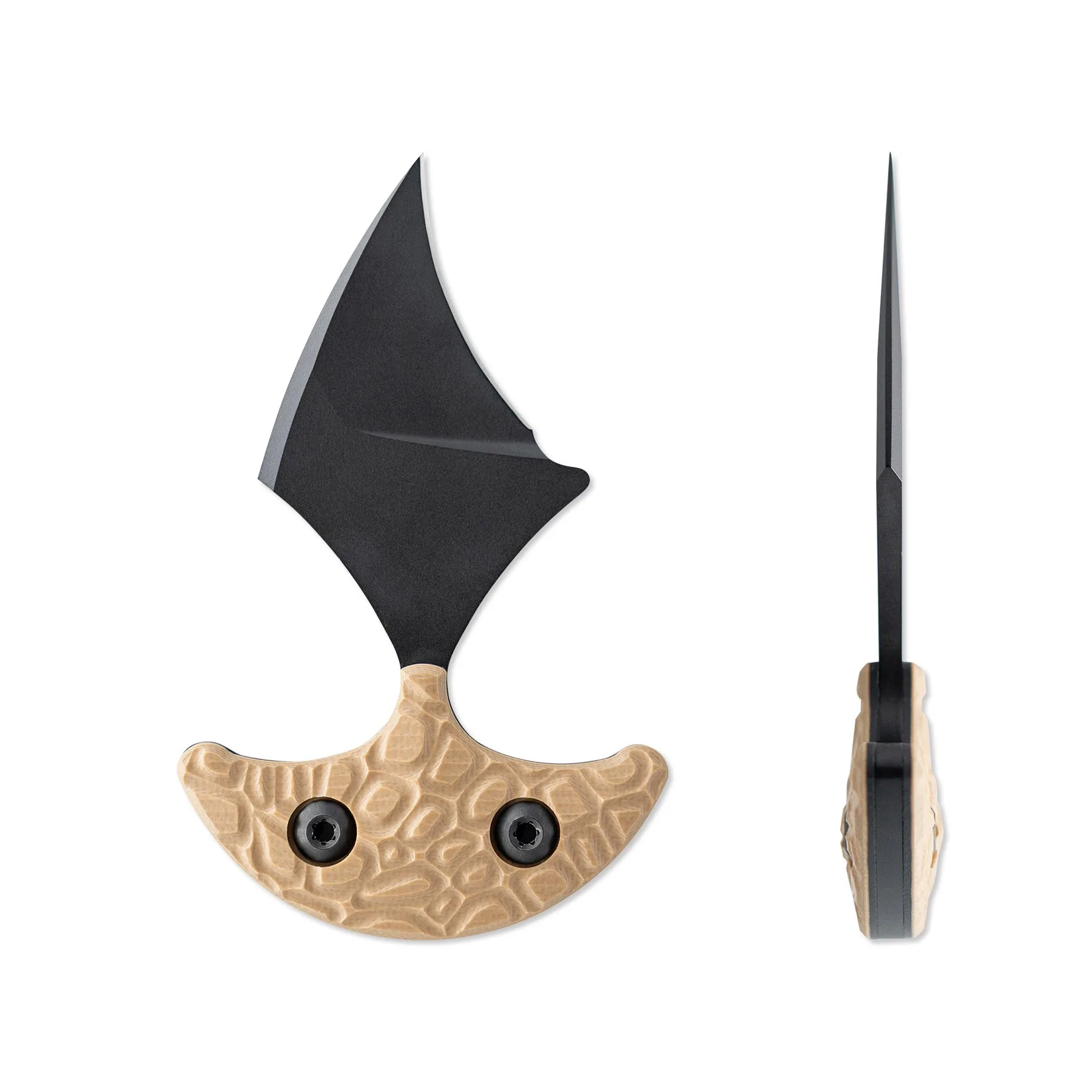
If you carry a fixed blade on your belt or waistband, your layering has to preserve access. The Serpent T in Ranger Green uses a slimline FlexTech sheath that takes up minimal room, and its 1.125-inch ring allows an easy draw with or without gloves. That ring design is far more forgiving of a jacket or hoodie hem than a sheath you have to grab by the handle.
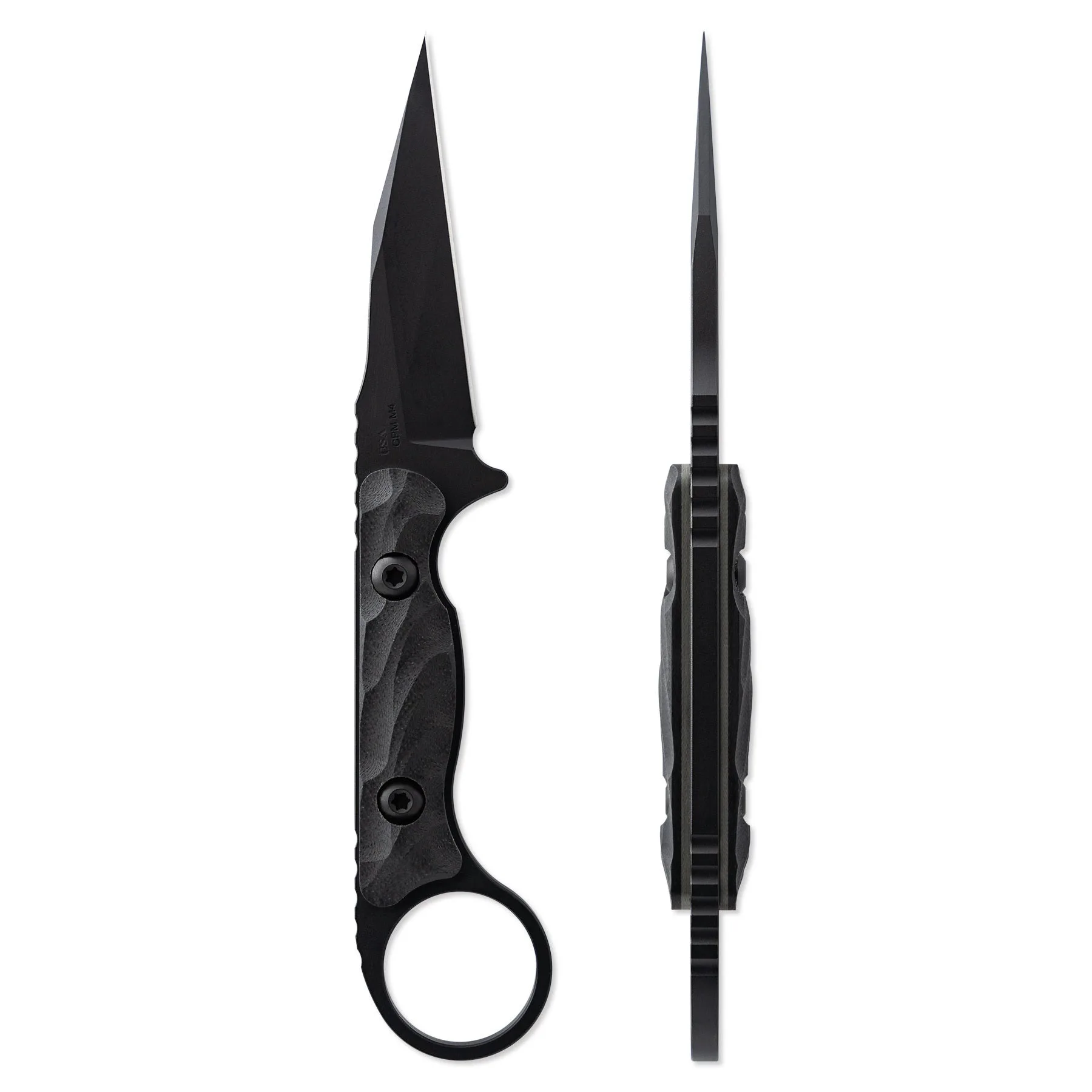
The Krypteia S in SOCOM Black is a concealable blade with a low-profile KYDEX® sheath, fitted with a textured handle and a thumb ramp with jimping. The low-profile sheath sits close to the body, which helps under a hoodie, but the textured handle still requires a clean grip. If your hoodie hem covers the handle, you lose that grip.
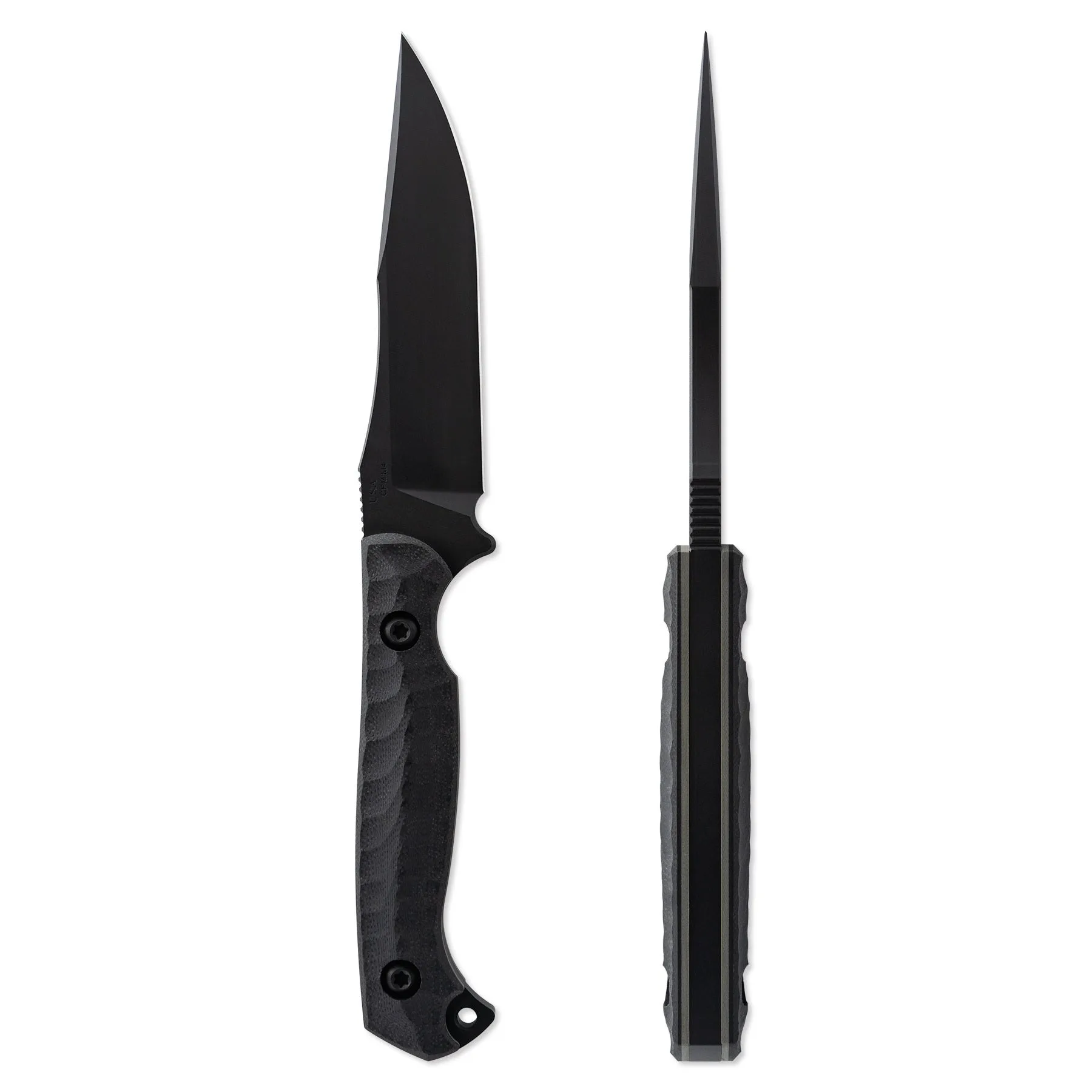
The Jank Shank W in SOCOM Black is the heaviest of the three at 3.6 oz, up from 2.4 oz in its previous skeletonized version, because of its new textured scales. Those scales increase grip under demanding conditions, but the added weight is noticeable on a waistband. With a hoodie, that weight can pull the waistband down and shift the sheath position.
A Practical Cold-Weather Range Setup
Start with a base layer that wicks moisture, add a mid-layer fleece or hoodie if needed, then a windproof shell. Top it with the USA Patch Snapback. Keep your fixed blade on a belt that sits below the hoodie hem, or use a sheath that rides high enough to clear the fabric.
Before you leave for the range, do a dry draw with your full layering system on. If you can't get a clean grip on the Serpent T, Krypteia S, or Jank Shank W with gloves and a hoodie, adjust your layers or your carry position. The range is not the place to discover that your hoodie blocks your blade.
Trade-Offs at a Glance
- Hat only: The USA Patch Snapback keeps your head warm and vents heat through black mesh, but it does nothing for your core. On a windy 40°F day, you'll feel it in your chest and hands. Best for mild cold and active shooting where you generate your own heat.
- Hoodie only: A hoodie warms your core and can shield your neck, but the hood and hem add bulk. That bulk can block a clean grip on a belt-mounted fixed blade and interfere with ear protection. Best for stationary shooting in dry cold, if you can keep your belt line clear.
- Hat plus hoodie: Layering both covers head and core, but you must manage the hoodie hem over your sheath. The Serpent T's ring draw is the most forgiving; the Jank Shank W's added weight is the least forgiving on a waistband. Best for deep cold, provided you dry-draw with gloves before you go.
Product Facts
- USA Patch Snapback – Multicam Black: Our adjustable 6-panel snapback is a perfect choice for your everyday headwear and features a custom patch over Multicam black camo combined with black mesh. One size fits all. The mesh vents heat during activity, and the one-size-fits-all adjustability means you can wear it over a beanie or alone without buying a second hat.
- Serpent T - Ranger Green: The Serpent's 1.125” ring allows for an easy draw, with or without gloves. The blade is ground with a Tanto grind, leaving two razor sharp straight edges and at 0.1875” thick, is just thick enough to be used as a prying tool, while thin enough to still be a capable slicer. The ring makes the draw more forgiving of a hoodie hem or gloves, and the 0.1875-inch thickness balances prying strength with slicing ability for range chores.
- Krypteia S - SOCOM Black: As a concealable blade with a low profile KYDEX® sheath, our Krypteia S has a proven track record of versatility and protection. It's fitted with a textured handle and includes a thumb ramp with jimping. The low-profile sheath sits close to the body under a hoodie, while the textured handle and thumb ramp help you maintain control when your hands are cold.
- Jank Shank W - SOCOM Black: We've updated the Jank Shank W frame to better accommodate the new style of textured scale, while keeping its 0.1875" steel width. While this adds some weight compared to the previous skeletonized version of the blade (from 2.4 oz to 3.6 oz), the new patterned scales provided increased grip under the most demanding situations. The added weight and grip are a trade-off: better control in cold, wet conditions, but more pull on a waistband if you layer a heavy hoodie over it.
Which Should You Choose?
Choose a hat (plus optional hoodie) if you:
- Shoot in mild cold and move enough to stay warm
- Carry a fixed blade on your belt and need a clean, fast draw
- Want one piece of gear that works alone or under a hood
Choose a hoodie only (or a different layering system) if you:
- Stand still for long periods in freezing wind and need maximum core insulation
- Cannot keep your hoodie hem clear of your sheath and refuse to adjust your carry position
- Prefer a full head-and-neck cover instead of a hat with mesh venting