Transporting a working K9 safely and comfortably is a top priority for law enforcement, military, and search and rescue teams. Havis has long been a trusted name in vehicle equipment, offering a range of K9 transport systems designed to fit different vehicles and operational needs. In this comparison, we break down the key differences between Havis models, helping you choose the right one for your vehicle—whether it's a Ford Expedition, Dodge Ram, or another popular patrol vehicle.
We'll cover the essential features, installation considerations, and safety aspects of Havis K9 transport systems. By the end, you'll have a clear understanding of which model suits your specific vehicle and how to make the most of your investment. Plus, we'll touch on complementary gear that can enhance your K9's comfort and safety during transport.
Why Choose Havis for K9 Transport?
Havis has been manufacturing vehicle equipment for decades, and their K9 transport systems are engineered with the unique needs of working dogs in mind. From temperature control to crash protection, Havis prioritizes safety and functionality. Their systems are designed to integrate seamlessly with various vehicle makes and models, ensuring a professional installation and reliable performance.
protection
One of the standout features of Havis systems is their modularity. Many models offer adjustable components, allowing you to customize the setup for your dog's size and the vehicle's interior. This flexibility makes Havis a versatile choice for departments that use multiple vehicle types or rotate dogs between handlers.
- Durable construction that withstands rigorous daily use.
- Compliance with industry safety standards for K9 transport.
- Compatibility with a wide range of vehicles, from SUVs to trucks.
Key Considerations Before Choosing a Model
Before diving into specific models, it's crucial to assess your vehicle's dimensions and your typical transport needs. Measure the cargo area or back seat space where the system will be installed. Consider the size and weight of your K9, as well as any additional equipment you might need to store, such as first aid kits or water bowls.
Another factor is how often you switch vehicles. If your K9 is transported in different vehicles, you might prefer a portable system that can be easily transferred. On the other hand, a permanent installation might offer more stability and security for a dedicated patrol vehicle.
- Measure your vehicle's interior space accurately.
- Consider the dog's size and temperament.
- Decide between permanent and portable installations.
Havis Models for SUVs: Ford Expedition and Similar
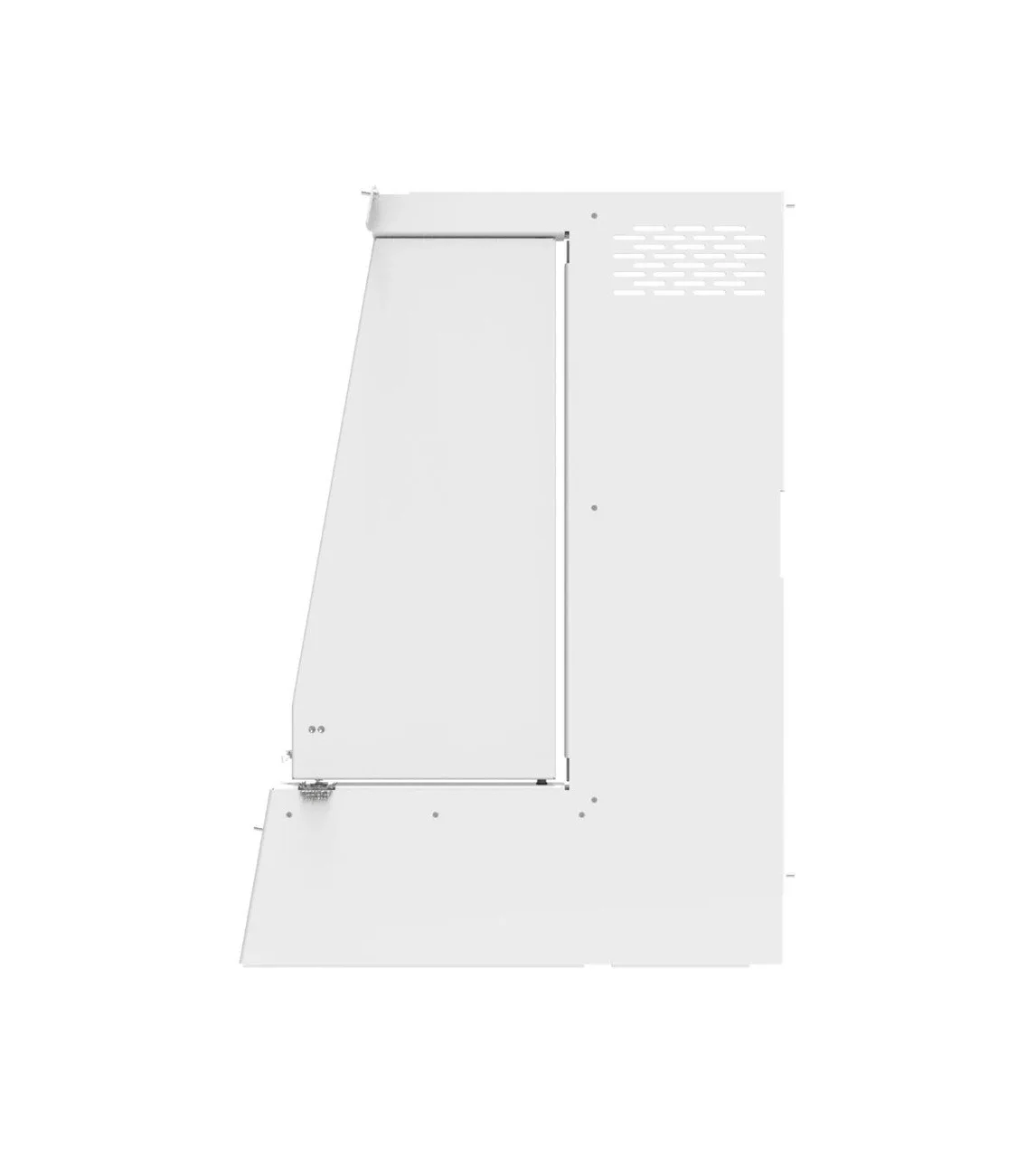
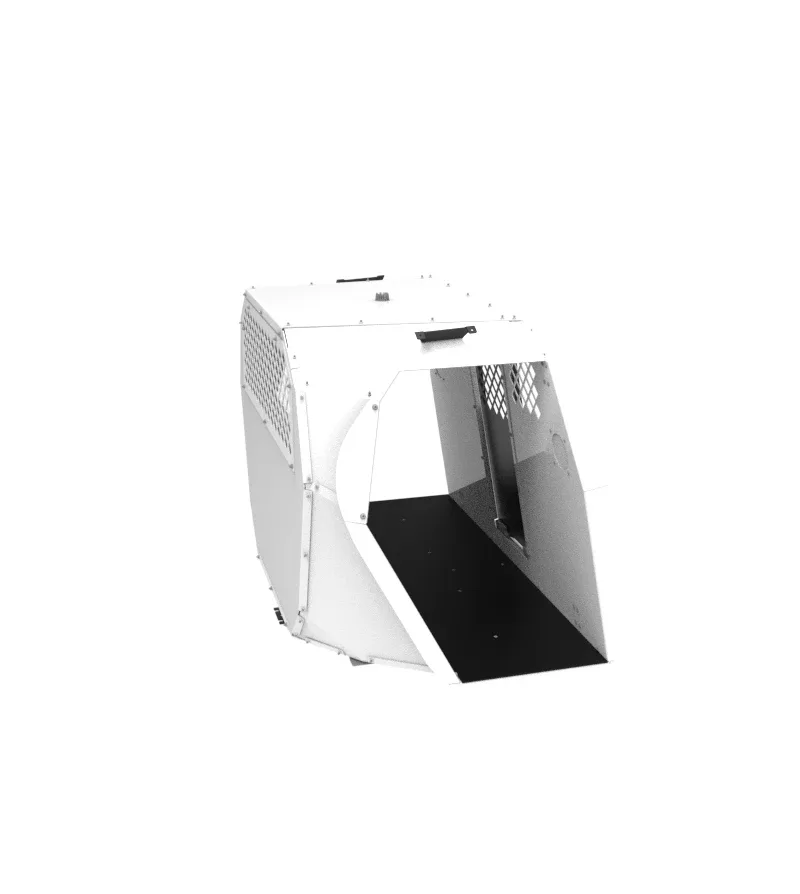
SUVs like the Ford Expedition are common in K9 units due to their spacious interiors. Havis offers inserts specifically designed for these vehicles, providing a secure enclosure that keeps the dog safe while allowing airflow and visibility. The inserts typically feature a partition that separates the dog from the driver and passengers, with a door that can be opened from either side for easy access.
When comparing models for SUVs, look for features like adjustable height and width, as well as built-in ventilation systems. Some models also include a fan or temperature monitoring, which is essential for keeping your K9 comfortable during long shifts. The installation process usually involves bolting the insert to the vehicle's floor and side panels, ensuring a stable fit.
- Check for compatibility with your SUV's specific year and model.
- Look for models with integrated fan or temperature control options.
- Ensure the insert allows easy access for the dog and handler.
Havis Models for Trucks: Dodge Ram and Other Pickups
Trucks like the Dodge Ram present unique challenges for K9 transport, as the cab space is often more limited than an SUV's. Havis offers models that are tailored to fit the rear seat area of pickup trucks, providing a secure and comfortable space for the dog. These systems often feature a more compact design, with a partition that mounts behind the front seats.
For trucks, consider models that offer easy installation and removal, as some handlers may need to use the truck for other purposes when not transporting a K9. Look for systems with a sturdy frame that can withstand the dog's movement without rattling or shifting. Additionally, ensure that the system provides adequate ventilation, especially if the truck's rear window is not operable.
- Opt for models with a compact design for truck cabs.
- Consider portability if the truck is used for multiple purposes.
- Verify that the system includes proper ventilation features.
Comparing Features Across Models
While specific models vary, Havis K9 transport systems generally share core features such as powder-coated steel construction, safety locks, and easy-clean surfaces. However, there are notable differences in terms of size adjustability, door configurations, and optional accessories. For instance, some models come with a sliding door, while others have a hinged door. Some include a removable tray for easy cleaning, which is a practical feature for maintaining hygiene.
Another differentiator is the level of insulation and soundproofing. If your K9 is sensitive to noise or temperature, you might prefer a model with additional insulation. Additionally, some Havis systems are designed to work with specific vehicle models, offering a perfect fit that minimizes gaps and maximizes safety.
- Compare door types: sliding vs. hinged.
- Look for removable trays for easy cleaning.
- Consider insulation and soundproofing options.
Installation and Fit: What to Expect
Proper installation is critical for the safety of both the dog and the occupants. Havis systems typically require professional installation, especially when they involve bolting to the vehicle's frame. However, some models are designed for DIY installation with basic tools. Always follow the manufacturer's instructions and, if in doubt, consult a professional installer.
When fitting the system, ensure that it does not obstruct any airbags or interfere with the vehicle's safety features. It's also important to test the system with your dog before hitting the road, allowing them to acclimate to the new space. This reduces stress and ensures a smooth transition.
- Professional installation is recommended for most models.
- Check for airbag clearance and other safety considerations.
- Acclimate your dog to the new system gradually.
Complementary Gear for K9 Transport
While the transport system is the centerpiece, adding complementary gear can enhance your K9's comfort and safety. For example, a durable crate insert like the MIM Safe Variocage Minimax offers an extra layer of protection and can be used in conjunction with your Havis system. This crash-tested crate is ideal for dogs that need additional security during transit.
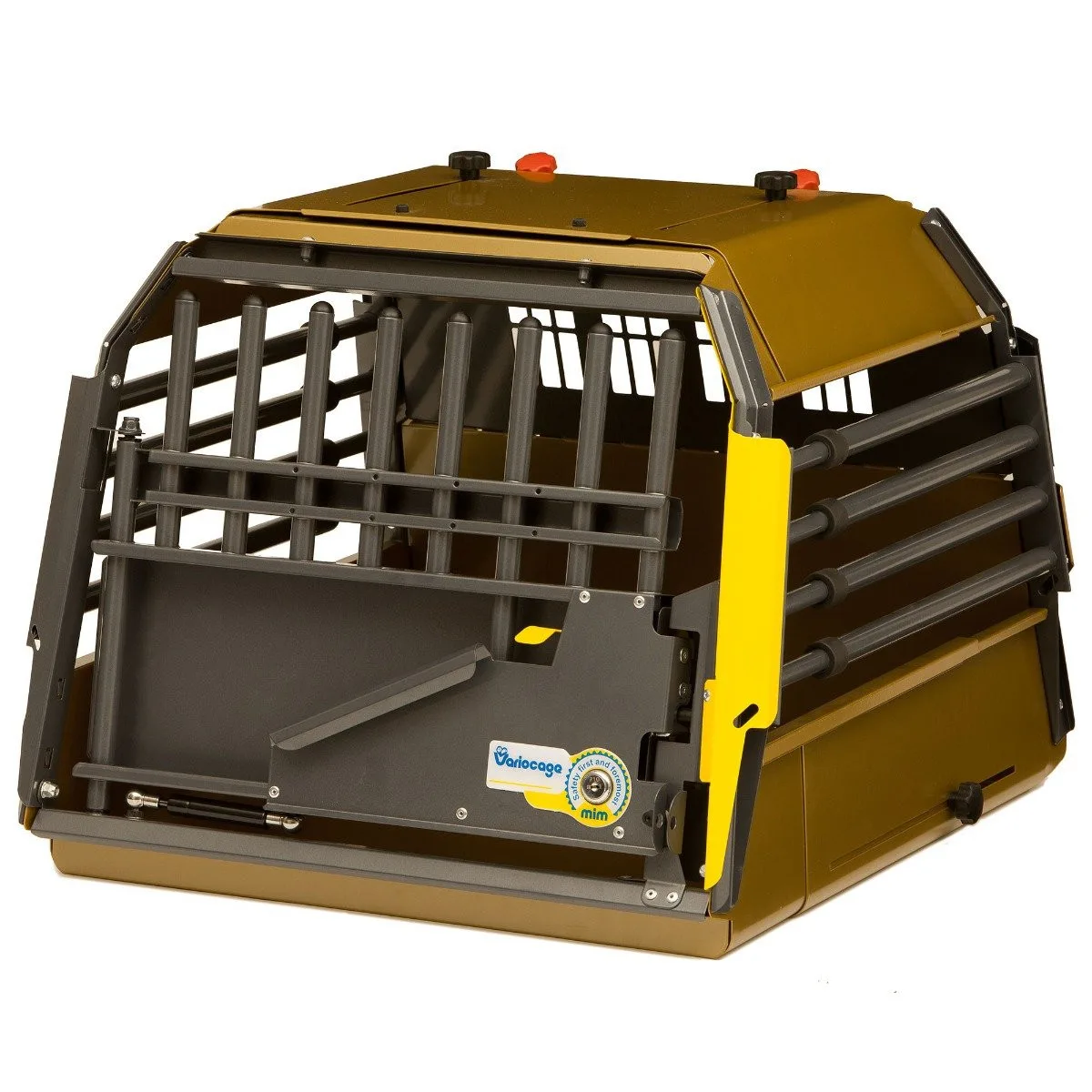
MIM Safe Variocage Minimax
Another essential is a reliable leash for safe handling during loading and unloading. The Rader K9 Leash is a popular choice among professionals, offering durability and control. Additionally, consider using a Clean Break Disinfectant to keep the transport area hygienic, especially after long deployments.
- Invest in a crash-tested crate for extra safety.
- Use a high-quality leash for controlled access.
- Keep disinfectant wipes handy for quick cleanups.
Choosing the right Havis K9 transport system depends on your vehicle type, your dog's needs, and your operational requirements. By comparing models and considering the factors outlined above, you can make an informed decision that ensures the safety and comfort of your K9 partner. For more information and to explore compatible accessories, check out the MIM Safe Variocage Minimax to see how it can complement your transport setup.