Quick answer
Headphone stands do not inherently damage headphones; the damage comes from using the wrong stand. A stand that concentrates pressure on a small area of the headband can cause a dent, while a wide, curved stand distributes weight and protects your headphones. Choose a stand that matches your headphone's weight and headband design.
The Real Cause of Headband Dents
A headband dent is not caused by the stand itself but by how the stand supports the headphone. If the stand's contact point is narrow or hard, it creates a pressure point. Over time, this can leave a permanent indentation, especially on headphones with padded headbands. The solution is to use a stand with a wide, soft contact area that mimics the curve of your head.
Why Some Stands Are Safer Than Others
Stands with a single narrow post or a sharp edge are the most likely to cause damage. In contrast, stands with a broad, curved top or a saddle shape spread the weight evenly. For heavy headphones, a stand with a sturdy base and a wide contact area is essential to prevent both dents and tipping. Always check the stand's weight capacity and material.
How to Choose the Best Headphone Stand
When selecting a stand, consider your headphone's weight, headband material, and the space on your desk. A heavier headphone needs a stand with a wider and more robust support. If you have multiple headphones, a multi-headphone stand can save space but ensure each slot has adequate padding. Avoid stands with rough edges or metal hooks that can scratch.
Headphone Storage Tips for Long-Term Protection
Beyond using a stand, proper storage habits matter. Keep your headphones away from direct sunlight and extreme temperatures. If you won't use them for a while, consider storing them in a case. Regularly clean the stand's contact area to prevent dust and grit from causing abrasion. And never hang headphones by the cable, as this can damage the cable and the headband.
Verdicts on Common Claims
- Claim: All headphone stands damage headphones.: False. Damage occurs only when the stand creates a pressure point or is unstable. A well-designed stand with a wide, soft contact area protects your headphones. Choose a stand with a broad, curved support.
- Claim: A headband dent from a stand is permanent.: Not always. If caught early, some dents may recover, but prevention is better. Using a proper stand avoids the issue entirely. Prevent dents by using a stand that distributes weight evenly.
- Claim: Any stand works for any headphone.: False. Heavy headphones need sturdier stands, and headphones with delicate finishes need soft, non-abrasive contact points. Match the stand to your headphone's specs. Check weight capacity and material compatibility.
Product Facts
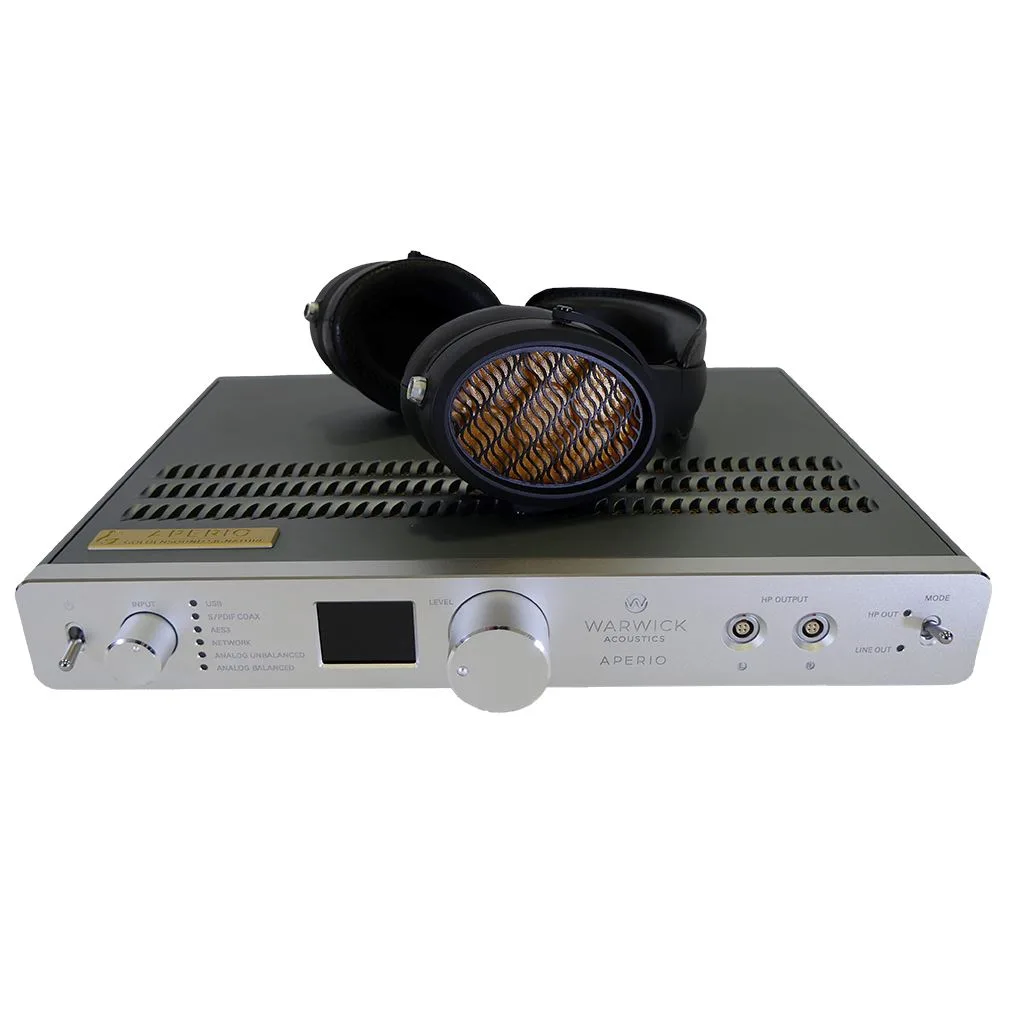
- Aperio - GoldenSound Edition: The Warwick Acoustics APERIO - GoldenSound Edition is a high-end listening system created in collaboration between Warwick Acoustics and GoldenSound. If you own this flagship system, its substantial weight and premium build demand a stand with a wide, sturdy support to avoid any risk of headband deformation.
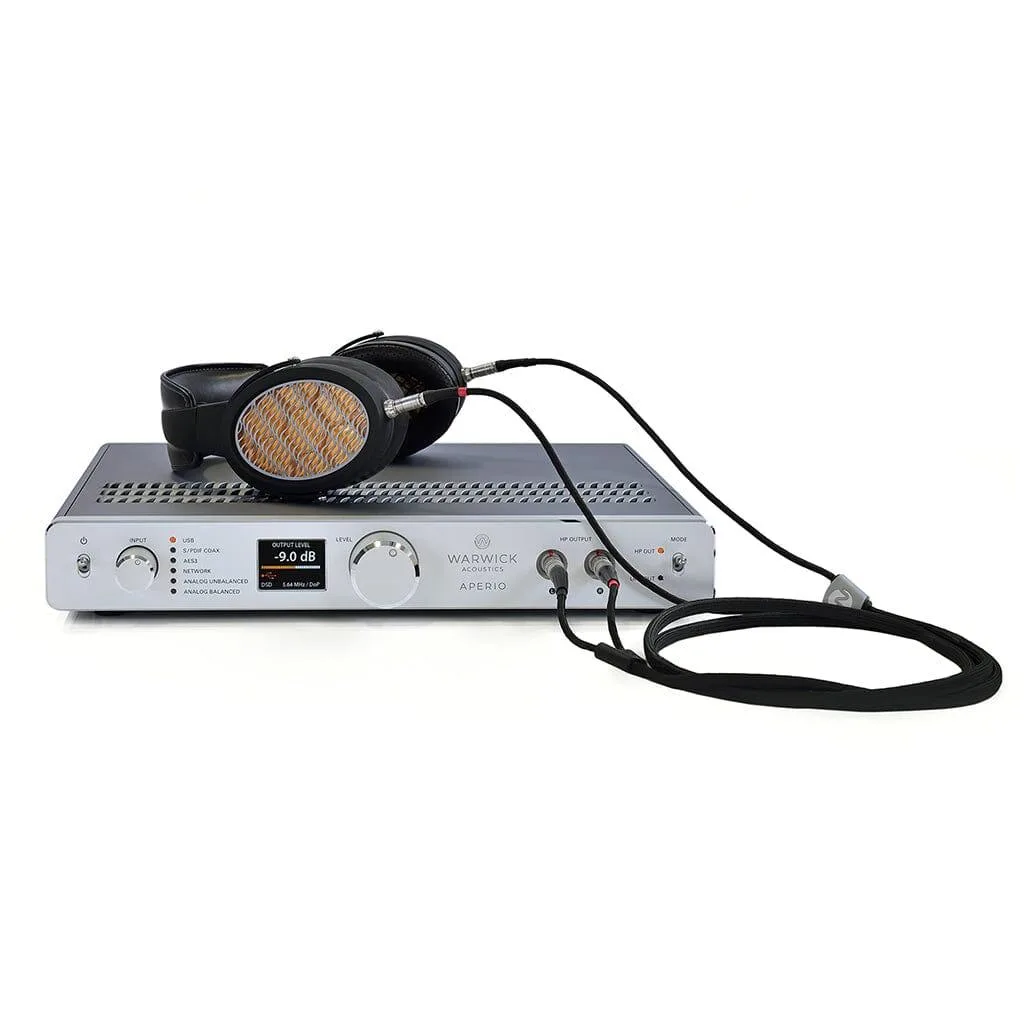
Warwick Acoustics APERIO
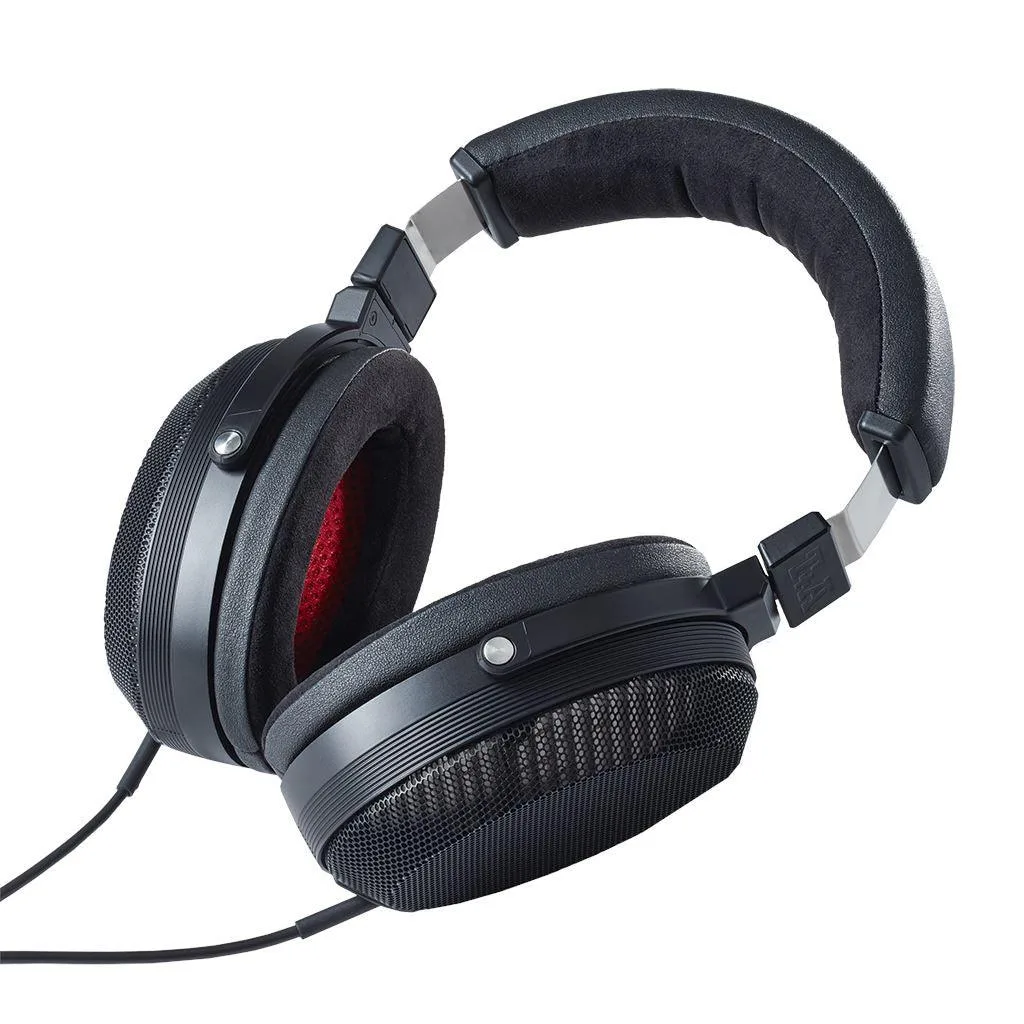
- T+A Solitaire P-SE Headphones: The T+A Solitaire P-SE Open-Back Planar Magnetic Headphones are built on the foundation of the Solitaire P, designed for high-fidelity audio. These headphones have a rigid headband, so a stand with a broad, padded top will prevent pressure points and keep the headband in shape.
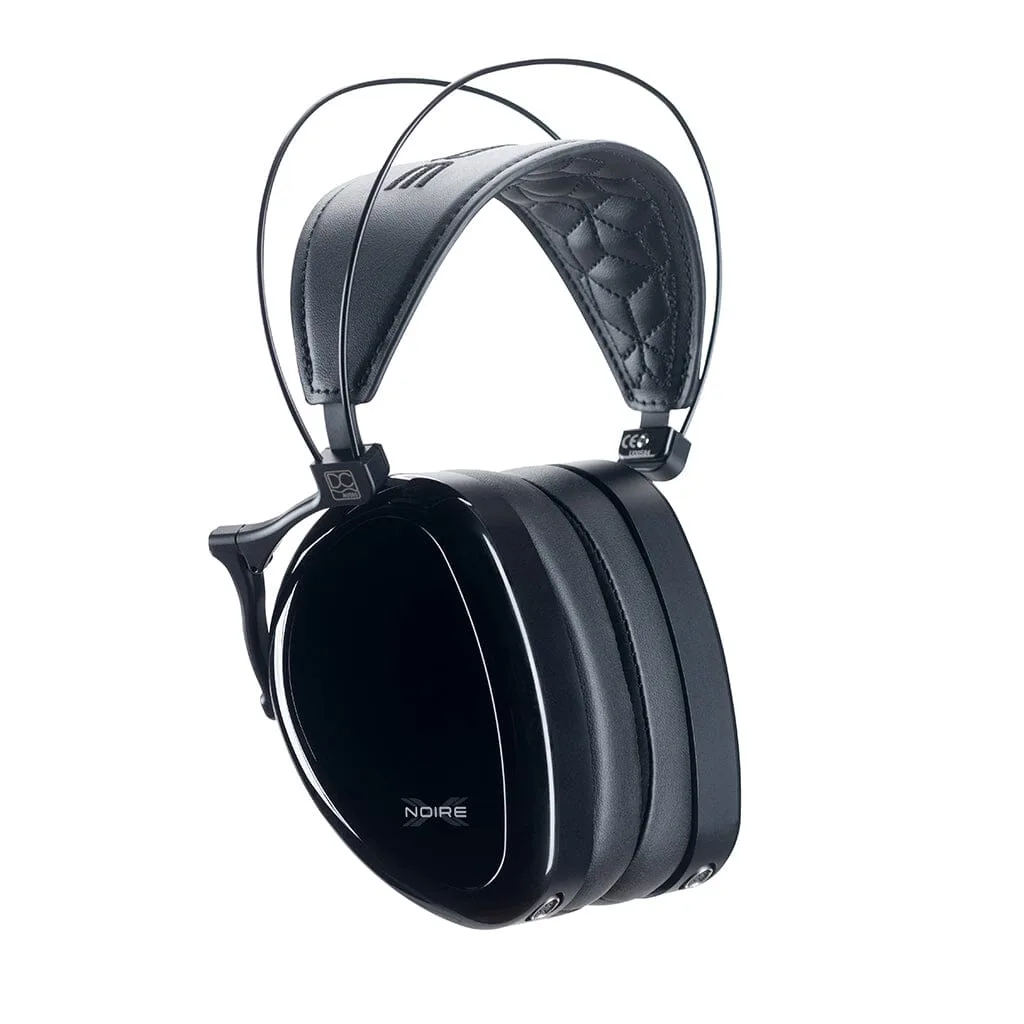
- Dan Clark Audio NOIRE X Headphones: The Dan Clark Audio NOIRE X Planar Magnetic Headphones incorporate Acoustic Metamaterial Tuning System (AMTS) and an enhanced planar driver, with a dramatic black-on-black design. Their lightweight yet robust build makes them suitable for most stands, but a stand with a wide contact area will protect the headband's finish and padding.