Quick Answer
Hibiscus tea is a tart, caffeine-free herbal infusion with promising science behind its ability to support healthy blood pressure and provide antioxidants. While it's not a cure-all, adding it to your routine can be a flavorful way to boost your wellness—just be mindful of potential interactions with certain medications.
If you're looking for a tea that's both delicious and functional, hibiscus tea often tops the list. Its deep ruby color and tangy flavor make it a favorite, but the real draw is what's happening inside your body after you sip. From supporting heart health to fighting oxidative stress, hibiscus has earned a spot in the wellness spotlight—and the research is worth exploring.
But before you stock up, it's important to separate fact from hype. Not every benefit is equally backed by science, and hibiscus isn't right for everyone. This guide breaks down what studies suggest, how to choose a quality product, and when you should talk to a healthcare provider first.
What the Science Says About Blood Pressure
One of the most studied benefits of hibiscus tea is its potential to help manage blood pressure. Several small clinical trials have observed that drinking hibiscus tea daily for a few weeks can lead to modest reductions in systolic and diastolic blood pressure in adults with mild hypertension. The effect appears similar to what you might see from some lifestyle changes, though it's not as strong as prescription medication.
The mechanism isn't fully understood, but hibiscus is rich in polyphenols and anthocyanins—plant compounds that may support blood vessel function and promote healthy circulation. If you're already on blood pressure medication, talk to your doctor before adding high amounts of hibiscus, as it could have an additive effect.
- For best results, steep 1–2 teaspoons of dried hibiscus in hot water for 5–10 minutes and drink 1–2 cups daily.
Antioxidant Power: More Than Just a Buzzword
Hibiscus tea is packed with antioxidants, particularly anthocyanins, which give the petals their vivid red color. These compounds help neutralize free radicals—unstable molecules that can damage cells and contribute to aging and chronic disease. While antioxidant tests in a lab look impressive, the real-world impact depends on how well your body absorbs and uses these compounds.
Regularly consuming antioxidant-rich beverages like hibiscus tea is linked to better overall health, but it's not a magic shield. A balanced diet with plenty of fruits and vegetables remains the foundation. Think of hibiscus as a tasty addition, not a replacement for healthy habits.
- Pair hibiscus tea with vitamin C-rich foods to potentially enhance antioxidant absorption.
Other Potential Benefits and What We Don't Know
Beyond blood pressure and antioxidants, hibiscus has been studied for its potential to support liver health, aid digestion, and even help with weight management. However, the evidence is preliminary, and many studies are small or done on animals. It's important not to overstate these findings.
What we do know is that hibiscus is naturally caffeine-free, making it a great evening drink, and it's hydrating. Some people also find its tart flavor helps curb sugar cravings. Just be aware that quality varies widely between products, so choosing a well-sourced organic tea can make a difference in both taste and safety.
- Look for organic hibiscus to avoid pesticide residues, especially if you brew it often.
Potential Side Effects and Who Should Be Cautious
Hibiscus tea is generally safe for most people when consumed in food amounts, but there are important caveats. Because it can lower blood pressure, those already on antihypertensive medication should monitor their levels closely. Hibiscus may also interact with diuretics and nonsteroidal anti-inflammatory drugs (NSAIDs).
Pregnant women are often advised to avoid hibiscus due to concerns about possible effects on pregnancy. If you're taking any medication or have a chronic condition, it's wise to consult your healthcare provider before making hibiscus a daily habit. When in doubt, start with a small amount and observe how your body responds.
- If you experience dizziness or lightheadedness, reduce your intake and check with your doctor.
How to Choose a Quality Hibiscus Tea
Not all hibiscus teas are created equal. Loose-leaf hibiscus or tea bags with visible whole petals are often higher quality than fine dust. Organic certification ensures no synthetic pesticides were used, which matters when you're brewing petals directly in water. Some blends add natural flavors—these can be tasty but may mask lower-quality base herbs.
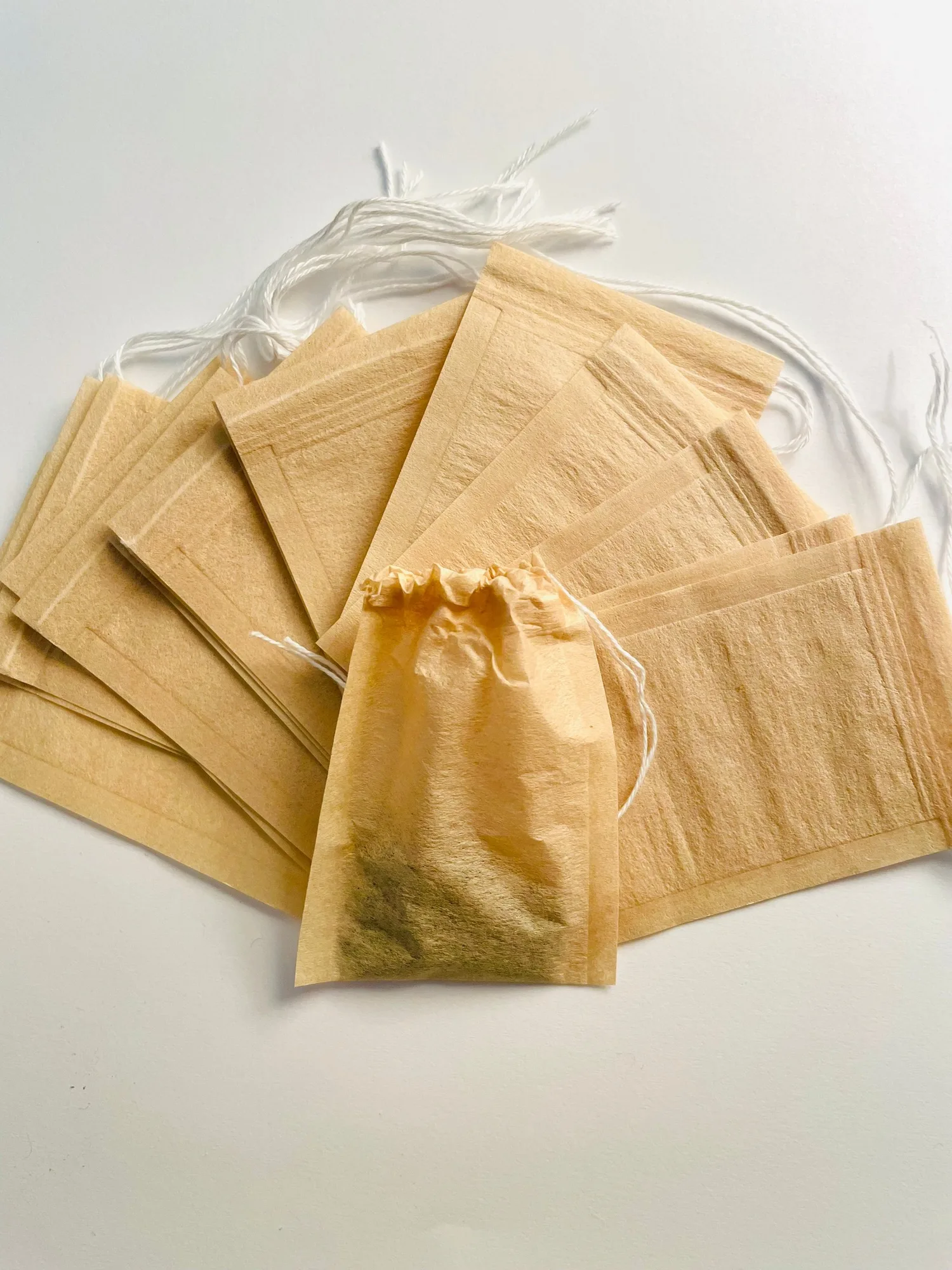
tea bags
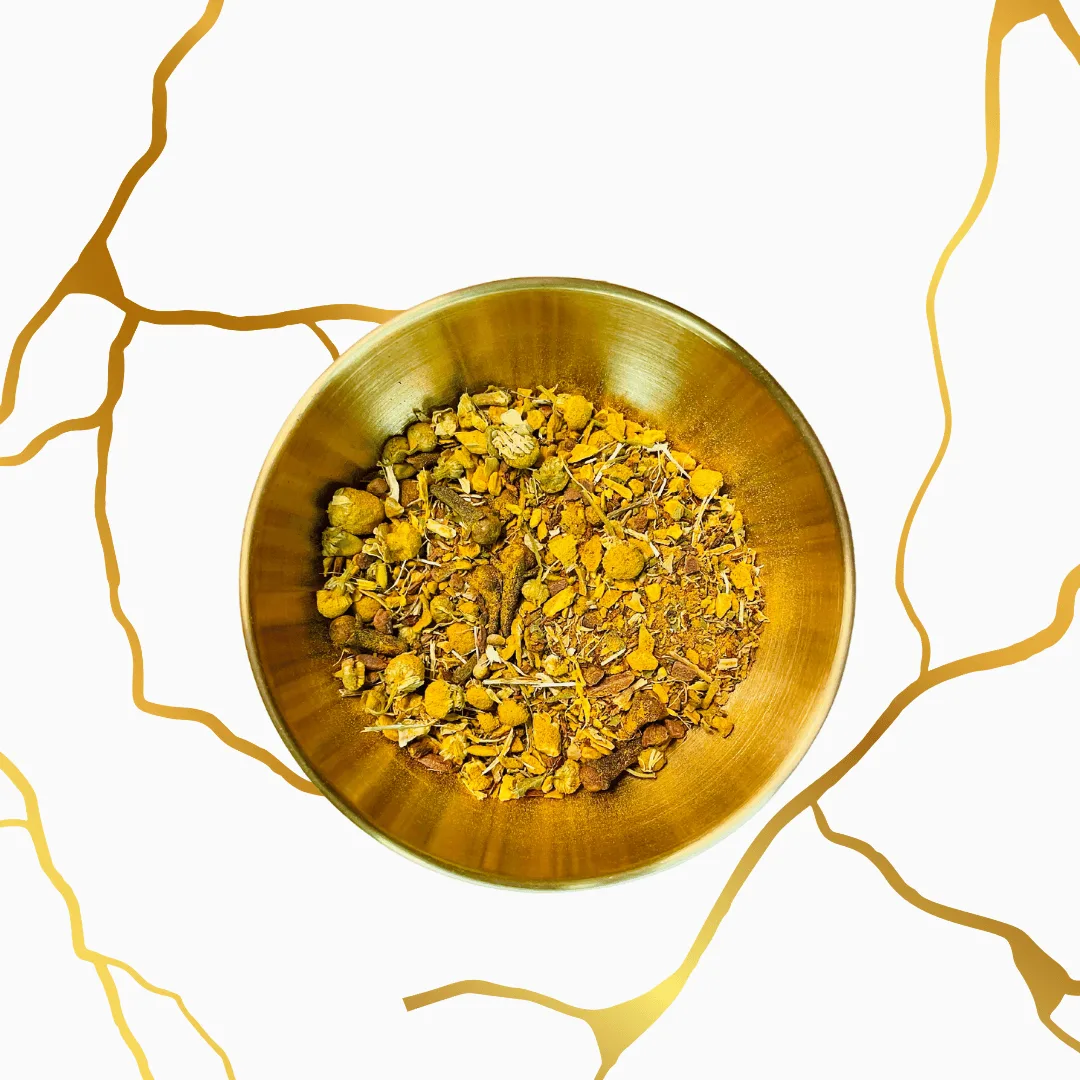
At Herbal Tea Healing, you'll find organic options that combine hibiscus with complementary ingredients. For example, the Inflammation Be Gone Turmeric Tea includes hibiscus alongside turmeric, ginger, and cinnamon—a blend that adds anti-inflammatory potential to the mix. While that tea isn't solely hibiscus, it offers a convenient way to enjoy its benefits with other supportive herbs. If you prefer a pure experience, look for a single-ingredient hibiscus tea, though it's not currently in our catalog.
- Check the ingredient list: if you see 'hibiscus' listed alone, you're getting the real deal.
Is Hibiscus Tea Right for You? A Quick Diagnosis
- Symptom: You're looking for a natural way to support healthy blood pressure or boost your antioxidant intake without caffeine. Hibiscus tea shows promise for these goals, but it's not a substitute for medication or a healthy lifestyle.
- Likely Cause: Your interest is likely driven by the desire to add a functional beverage to your routine, but you may be unsure about the evidence or how to choose a quality product. Focus on organic, whole-petal hibiscus and brew it properly to get the most benefit.
- Corrective Action: Start with 1–2 cups of hibiscus tea daily, steeped for 5–10 minutes. Choose a trusted organic brand. Monitor how you feel, and if you're on medication, check with your doctor first. If you enjoy the taste and feel good, you can make it a regular part of your routine.
- When to Stop or Choose Another Option: If you experience dizziness, low blood pressure, or any unusual symptoms, stop drinking hibiscus and consult a healthcare provider. Pregnant women and those on diuretics or NSAIDs should avoid or limit hibiscus. If hibiscus isn't right for you, consider other caffeine-free herbal teas like rooibos or chamomile, which offer their own benefits without the same interactions.
Related Products to Consider
- Inflammation Be Gone Turmeric Tea (Organic): A combination of knock out herbal ingredients to get rid of inflammation. Provides a spicy earthy taste to help ease congestion/ inflammation. Ingredients: Turmeric, ginger root, cinnamon bark, cloves, nettle leaf & root, chamomile, black pepper, rooibos tea. Benefits: Help assist with anti inflammatory, respiratory infection, allergies, sinus, chest congestion, improves blood pressure, arthritis, digestive... This blend includes hibiscus-like anti-inflammatory herbs and is a flavorful way to support overall wellness, especially if you're dealing with inflammation or want a caffeine-free option.
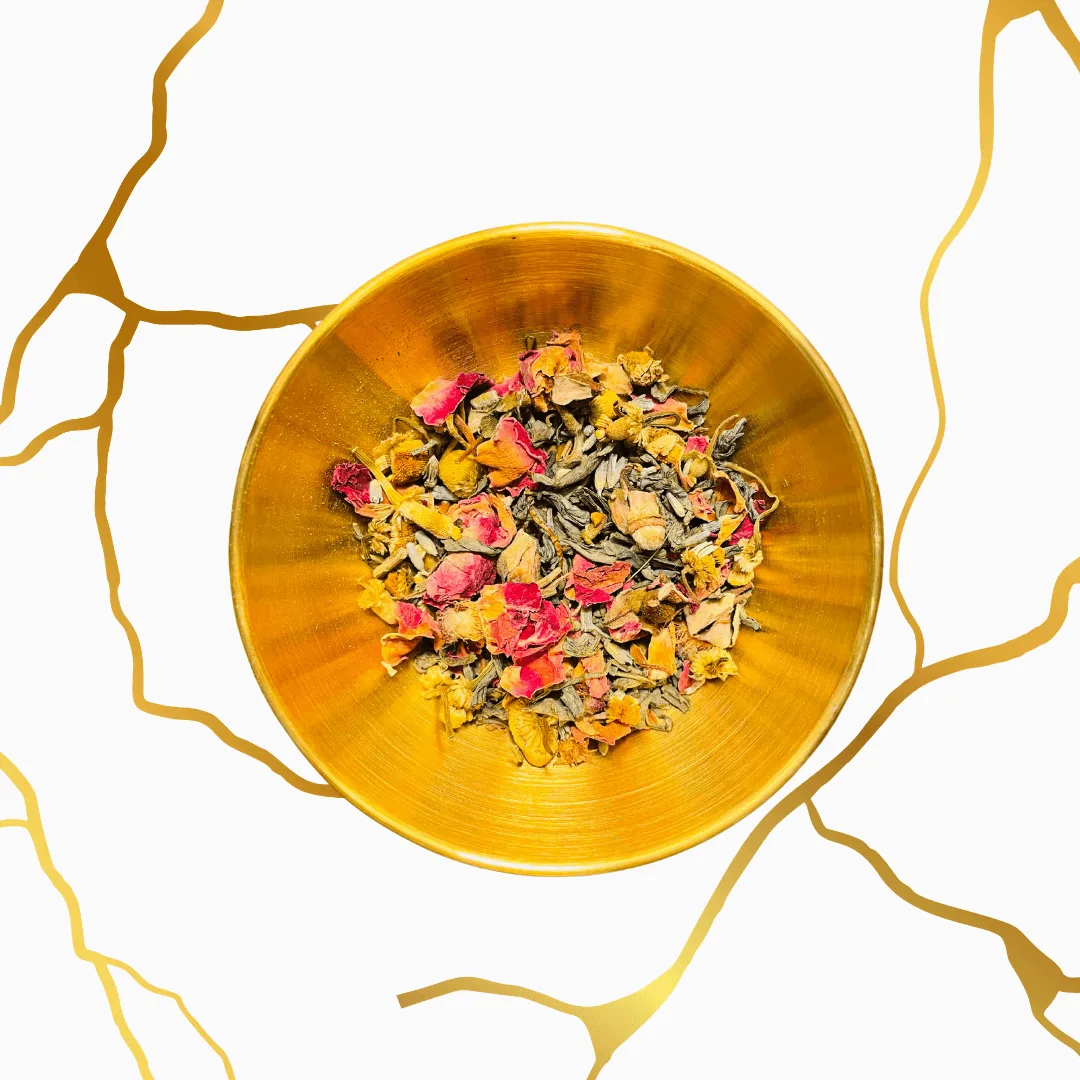
- BEAUTY TEA (Organic) *Green Tea: Ingredients: Lavender, rose, camomile, camellia sinensis / green tea. Daily Serving Size: Pour 8-12oz of boiling water (212°F) over 1 tsp. of tea. Steep 3-4 minutes. Brews: 30-35 If you're drawn to hibiscus for its antioxidant content, this green tea blend also offers antioxidants and calming botanicals—a nice alternative if you prefer a more floral, less tart cup.
Hibiscus tea is a flavorful, caffeine-free beverage with real science behind its potential to support blood pressure and provide antioxidants. While it's not a miracle cure, it can be a wonderful addition to a balanced routine. Just remember to choose quality, brew it right, and consult your doctor if you have any health concerns or take medications. Cheers to your health!