Quick answer
Buy a heat tool if your projects involve embossing powder, heat-set inks, or speeding up drying. Buy a light pad if you trace, layer, or need to see through paper and vellum. They solve different problems, so the right pick depends on your next project, not on which tool sounds more advanced.
Heat tools and light pads often sit on the same craft store shelf, but they do opposite jobs. One adds heat to set or dry materials; the other adds light to reveal what is underneath. If you are deciding between them, start by naming the step in your project that feels slow, messy, or inaccurate.
This comparison breaks down what each tool actually does, where each one falls short, and how to choose based on the crafts you make most. It also covers a few supporting supplies, such as low tack tape and pigment inkpads, that make either tool easier to use well.
What a heat tool does and when it earns its space
A craft heat tool is a small, directed hot-air tool. Its main jobs are melting embossing powder, heat-setting stamped or inked surfaces, and drying wet mediums faster than air alone. If you make cards with embossed sentiments, use pigment inks, or work with shimmer sprays and glossy accents, a heat tool turns a waiting game into a controlled step.
The trade-off is that heat tools require attention. Too much heat or too little distance can warp thin paper, scorch cardstock, or blow powder off before it melts. They also do nothing for tracing or alignment. If your frustration is seeing through layers or lining up a design, a heat tool will not solve it.
- Keep the tool moving and test on scrap cardstock before working on a finished piece.
- Use a heat-resistant craft mat underneath to protect your table.
What a light pad does and when it is the better buy
A light pad is a flat, illuminated surface. You place paper, vellum, or fabric on top and the light shines through, making it easier to trace, align layers, or check registration. It is the tool you want for hand lettering practice, embroidery transfer, or positioning a sentiment on a see-through overlay.
The trade-off is that a light pad only helps with visual tasks. It does not dry ink, melt powder, or speed up any chemical step. If your projects are mostly about adding texture, embossing, or finishing with heat, a light pad will sit unused. It also works best in a dim room, so bright daylight can reduce its usefulness.
- Pair a light pad with vellum washi tape or translucent overlays to check placement before committing.
- Use low tack tape to hold artwork in place without tearing delicate paper.
Where the two tools overlap and where they do not
The overlap is smaller than it looks. Both tools are about control: a heat tool controls how ink and powder set, while a light pad controls how accurately you position and trace. You might use both in one project, such as tracing a design onto vellum and then heat embossing a sentiment over it. But neither replaces the other.
If you can only buy one, choose based on the step that currently causes the most rework. Rework from smudged ink or unmelted powder points to a heat tool. Rework from misaligned layers or shaky tracing points to a light pad. That single question usually settles the decision faster than a feature list.
- List your last three projects and mark which step caused a do-over.
- Buy the tool that fixes the most frequent do-over first.
Supporting supplies that make either tool work better
A few inexpensive supplies improve results with both tools. Low tack tape holds stencils, masks, and die-cut pieces in place without damaging paper, which matters whether you are heat embossing a layered card or tracing a design on a light pad. Pigment inkpads are another useful companion because their slow-drying texture gives you time to add embossing powder before heat setting.
For shimmer sprays, a care kit keeps nozzles clean and clog-free so you can spray consistently. These are not the main decision, but they reduce the small failures that make a tool feel unreliable. If you already own a heat tool or light pad, adding the right tape and inkpad often improves your results more than switching tools.
- Keep low tack tape on hand for masking and holding layers during both heat and light work.
- Clean shimmer spray nozzles after each session to avoid clogs.
Trade-offs at a glance
- Heat tool: speed versus control: A heat tool speeds up embossing and drying, but it requires constant motion and distance control to avoid scorching or blowing powder off. Choose it if you emboss or heat-set often and are willing to practice the technique.
- Light pad: visibility versus versatility: A light pad makes tracing and alignment easier, but it only helps with see-through tasks and works best in low light. Choose it if your projects involve vellum, tracing, or precise layering.
- Supporting supplies: small cost, big effect: Low tack tape and slow-drying pigment inkpads improve results with either tool, but they add a small extra cost. Budget for one or two supporting supplies alongside your main tool.
Product facts that support the decision
- Crafter's Companion - Low Tack Tape (3PC): Designed for die cutting, stencils, masking, and ink techniques, the low tack adhesive holds projects securely while allowing easy removal without damaging paper or card. Each roll measures 1.9cm x 75 metres and includes a tape dispenser. Whether you are heat embossing a masked area or holding vellum on a light pad, this tape keeps layers in place without tearing delicate surfaces.
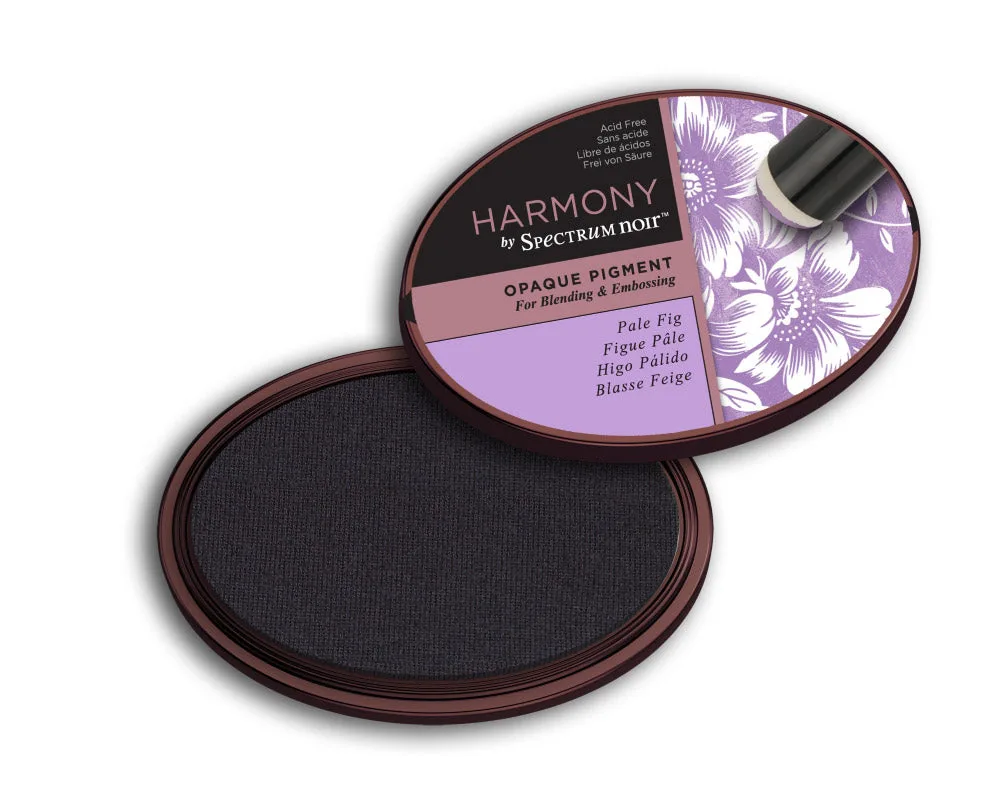
- Spectrum Noir Harmony Opaque Pigment Inkpad - Pale Fig: These pigment inkpads have a sticky, slow-drying texture that gives you time to manipulate shades and add a layer of clear embossing powder for blending and embossing. If you choose a heat tool for embossing, a slow-drying pigment inkpad gives you the working time to apply powder before it dries.
- Crafter's Companion - Shimmer Spray Care Kit: Designed to be used with the Crafter’s Companion range of Shimmer Sprays, this set keeps spray nozzles clean, clear, and clog-free. If your heat tool is used to dry shimmer sprays, keeping nozzles clean prevents splatters and inconsistent coverage.
Which tool fits your craft?
Best for
- Crafters who emboss, heat-set inks, or dry shimmer sprays regularly
- Card makers who use pigment inkpads and embossing powder
- Anyone whose main frustration is smudged ink or unmelted powder
Not for
- Crafters who mainly trace, align layers, or work with vellum and need a light source
- Anyone who works mostly in bright daylight and needs no see-through help
- Crafters who want a single tool to solve both heat and visibility tasks
Pick the tool that fixes the step you redo most often. If that step involves heat, embossing, or drying, a heat tool is the practical choice. If it involves tracing, layering, or seeing through paper, a light pad will earn its place. Many crafters eventually own both, but starting with the one that solves your current bottleneck is the smarter buy.