Quick Answer
Heated insoles slip into boots you already own, so they suit riders who want warmth without replacing footwear. Heated socks replace your socks entirely and put heat directly against the foot, which many riders find warmer and easier to manage on long winter rides. If your boots fit well and you want the lowest-cost upgrade, start with insoles. If you ride in serious cold and want heat wrapped around the whole foot, choose heated socks.
Cold feet end rides early. When the temperature drops, the first question most riders ask is whether to add heat inside their existing boots or switch to socks with built-in heating. Both work, but they solve the problem differently.
This comparison covers how heated insoles and heated socks differ in fit, warmth, battery placement, and cost, plus which one makes sense for your boots and your riding. We'll use real Kemimoto gear to show how these choices play out in practice.
How Heated Insoles Work
Heated insoles are flat, battery-powered inserts that sit inside your existing boots, replacing the factory insole or adding a layer above it. Because they rely on the boot you already own, the main variables are thickness and how much room your boot has. A tight boot leaves no space for a heated insole, and a loose boot may let the insole shift. Check that your boot has removable insoles and enough volume before buying.
Heat comes from a thin element built into the insole, powered by a small battery pack that usually clips to your boot, calf, or waistband. That means the battery is outside the boot, which keeps the footbed slim but adds a cable to route. Warmth is concentrated under the foot, so toes get heat mainly through conduction from the sole.
- Measure your existing insole and match the heated insole to that length.
- Confirm your boots have removable insoles and enough volume for an added layer.
- Plan where the battery will sit so the cable does not rub inside the boot.
How Heated Socks Work
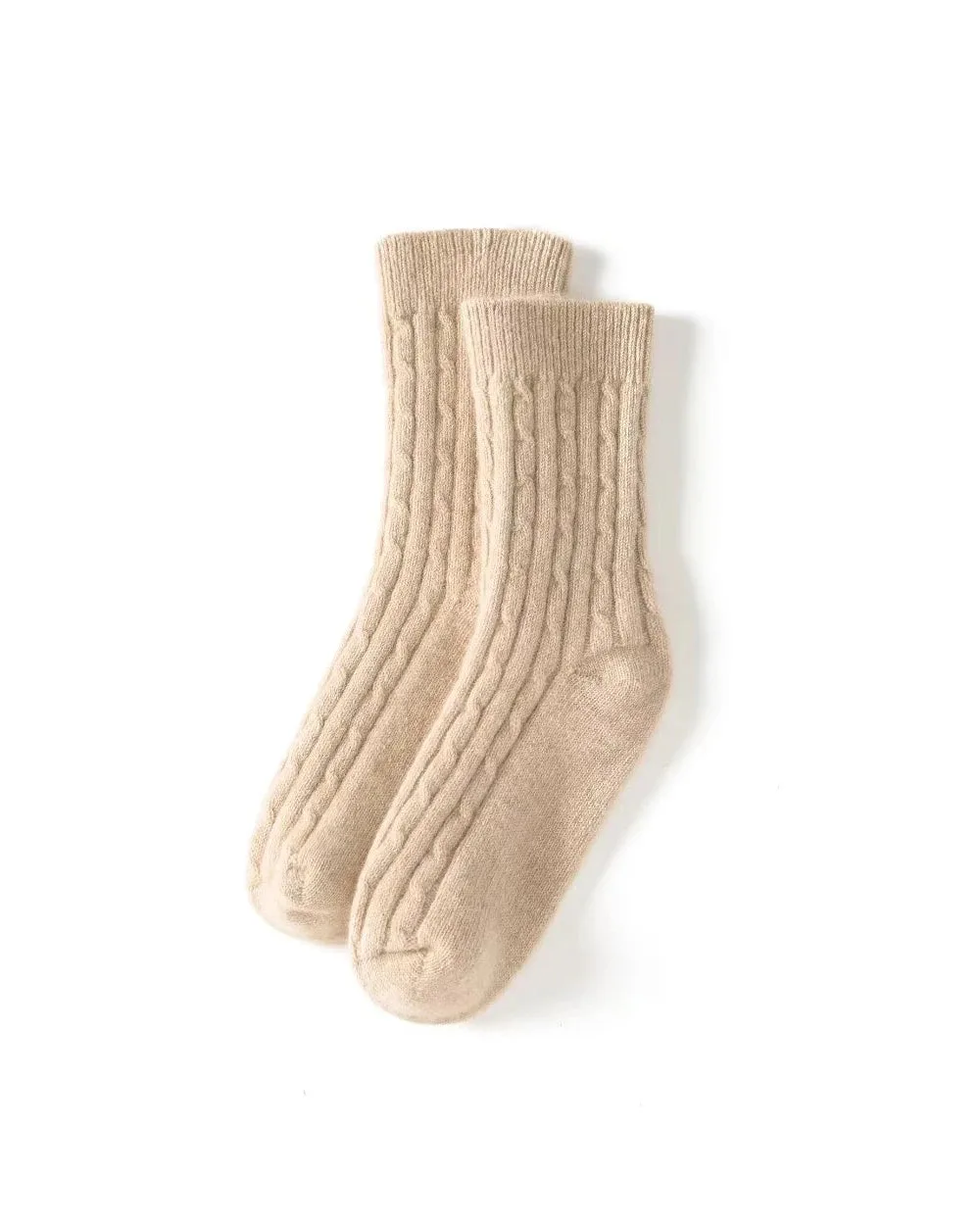
Heated socks replace your regular socks and place heating elements directly against the foot, often around the toes and top of the foot. Because the heat source is part of the sock, the battery pack sits at the calf or waistband and connects with a short cable. Many riders find this delivers more even warmth than a footbed-only solution, especially in the toes.
The trade-off is that heated socks are a complete footwear layer. You wear them instead of your normal socks, and you need to keep them charged and clean. They also add bulk at the calf where the battery sits, which can matter if your boots are snug around the shin.
- Choose a sock height that matches your boot so the battery sits above the boot cuff.
- Check the battery position against your riding pants and knee protection.
- Buy a second pair if you ride back-to-back days and cannot recharge overnight.
Fit and Boot Compatibility
Fit decides which option you can actually use. Heated insoles need vertical room inside the boot; if your toes already touch the front, adding an insole will make the boot too tight and can reduce circulation, which makes feet colder. Heated socks need horizontal room at the calf for the battery and enough stretch so the heating elements stay in contact with the foot.
For riders on a UTV, fit also interacts with how long you sit still. A loose insole that shifts when you move your feet can create pressure points, while a sock that bunches can do the same. The right answer depends on your specific boots and how much space you have.
- Try your boots on with the heated layer installed before committing to a long ride.
- If your boots are tight, insoles are usually the wrong choice.
- If your boots are loose, a heated sock may fit better than an insole.
Warmth, Battery, and Real-World Riding
Heated insoles warm the sole of the foot, so heat reaches the toes indirectly. Heated socks warm the foot directly and often feel warmer faster, but they also put the battery and cable against your leg. Neither option is a substitute for a boot that blocks wind and water; if your boots leak, heat escapes and feet still get cold.
Battery placement matters on a UTV. A pack clipped to the calf can interfere with knee pads or riding pants, while a waistband pack keeps weight off the boot but requires a longer cable. Check cable length and routing before you ride, and carry a power bank only if the manufacturer supports it, since not all systems allow external charging while in use.
- Test heat settings on a short ride before relying on them all day.
- Keep spare batteries charged and stored somewhere warm.
- If your feet sweat, manage moisture with a liner sock or breathable boot.
Trade-Offs at a Glance
- Heated insoles: lower cost, less commitment: Insoles work with boots you already own and cost less than a full heated sock system. The trade-off is that heat is concentrated under the foot and depends on your boot having enough room. Choose insoles if your boots fit well and you want a simple upgrade.
- Heated socks: more warmth, more bulk: Socks put heat directly against the foot and often feel warmer in the toes, but they replace your regular socks and add a battery at the calf. Choose socks if you ride in serious cold and want heat wrapped around the foot.
- Battery placement: outside the boot vs on the leg: Insole batteries usually clip outside the boot, keeping the footbed slim. Sock batteries sit at the calf or waistband and connect with a short cable, which can interfere with knee protection. Check battery position against your riding pants and knee pads before you buy.
Kemimoto Gear That Fits This Decision
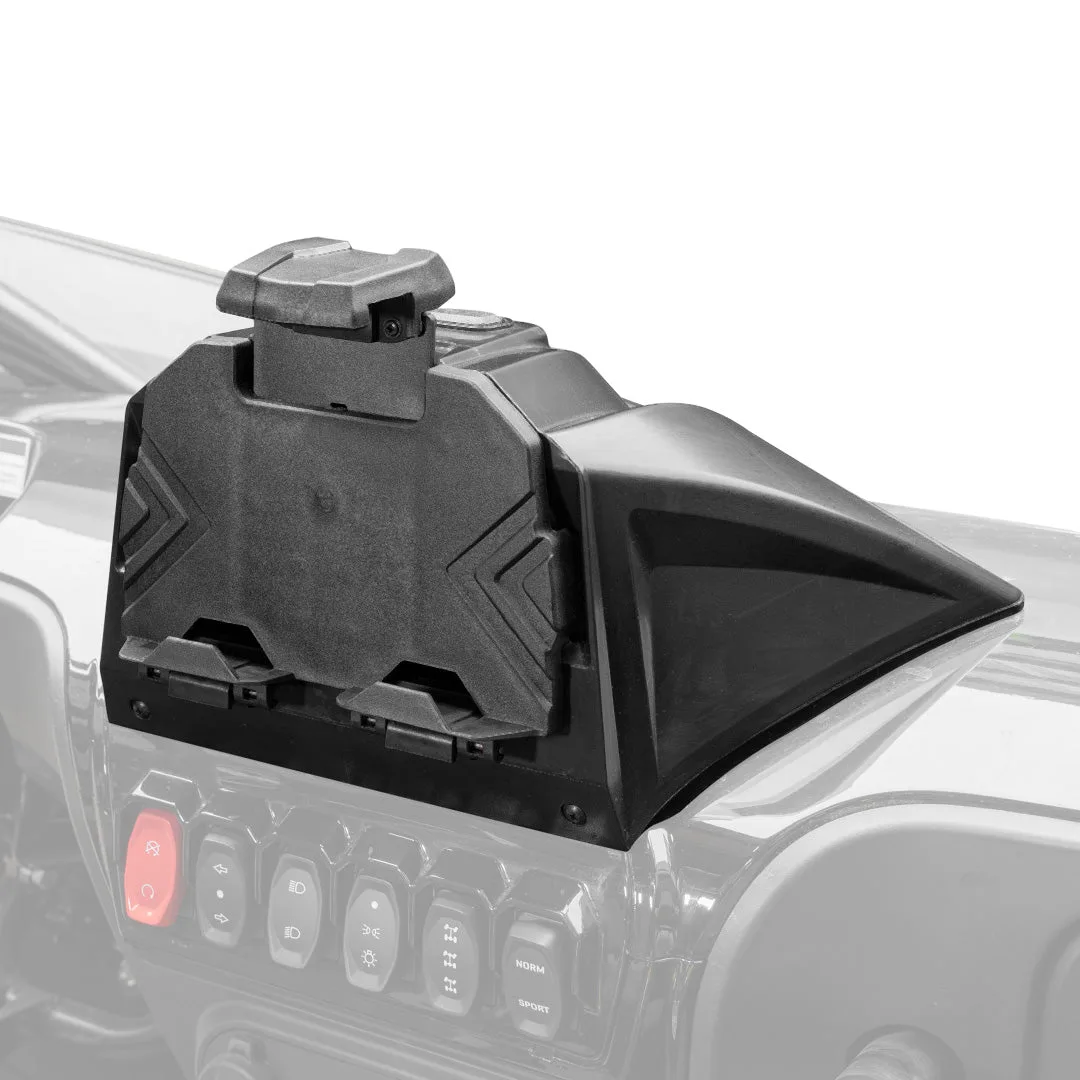
- Tablet Holder for CFMOTO ZForce 950 HO Sport / HO EX / Sport: KEMIMOTO electronic device holder fits most tablets and phones with an adjustable mounting clip for devices from 5 inches to 8 inches, and includes a dashboard storage box that provides more usable storage than the factory compartment. On cold rides you often want your phone or tablet visible for maps and temperature checks. This holder keeps the device secure and adds storage for small items like spare batteries or gloves, so your heated gear stays organized.
- UTV Universal 3-in-1 Triangle Turn Signal Kit with Column Switch & 110dB Horn: Fully pre-wired system with extended cables and labeled connectors; the column switch integrates turn signals, hazard lights, and a horn, and it fits 2-seat, 4-seat, and 6-seat UTVs. Cold-weather riding often means low light and reduced visibility. A plug-and-play signal kit with a column switch keeps your hands on the wheel and makes your intentions clear without fumbling for separate switches while wearing gloves.
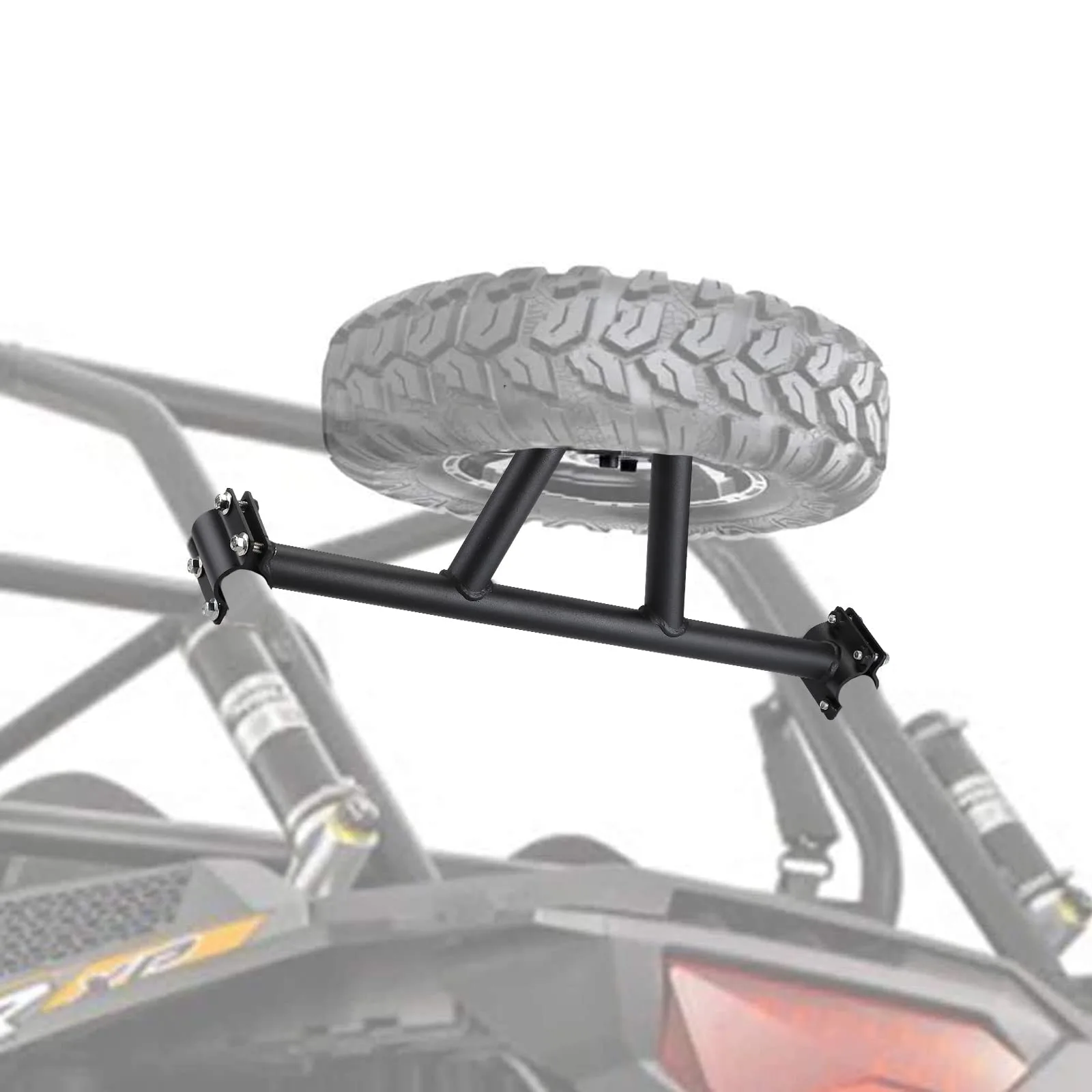
- Spare Tire Carrier Mount for Polaris RZR XP 1000/4 1000 /Turbo: Designed with anti-slip tube clamps and keeps the trunk available for cargo, cooler, and storage boxes; maximum tire size is 30 inches and it fits 2014-2023 Polaris RZR XP 1000/4 1000 /Turbo. Winter rides often mean carrying extra gear. Mounting the spare tire outside the trunk frees space for a cooler, tools, or a bag with spare heated socks and batteries, so your cold-weather kit stays accessible.
Which Should You Choose?
Best for
- Riders whose boots have removable insoles and enough room for an added layer
- Budget-conscious riders who want warmth without replacing their socks
- Short rides where a simple footbed heater is enough
Not for
- Riders with tight boots where adding an insole would reduce circulation
- Riders who need maximum toe warmth in extreme cold, where heated socks usually perform better
- Riders who cannot manage a battery cable at the calf or waistband
There is no single winner. If your boots fit well and you want the least expensive way to add heat, start with heated insoles. If you ride in real cold and want warmth around the whole foot, heated socks are the better tool. Match the choice to your boots, your battery tolerance, and how long you plan to ride.