Quick answer
For most cold-weather rides, start with merino cycling socks and add overshoes only when wind, road spray, or temperatures below freezing demand it. Socks regulate warmth and manage moisture next to your skin; overshoes block external wind and water but add bulk and cost. If you must choose one, choose socks first.
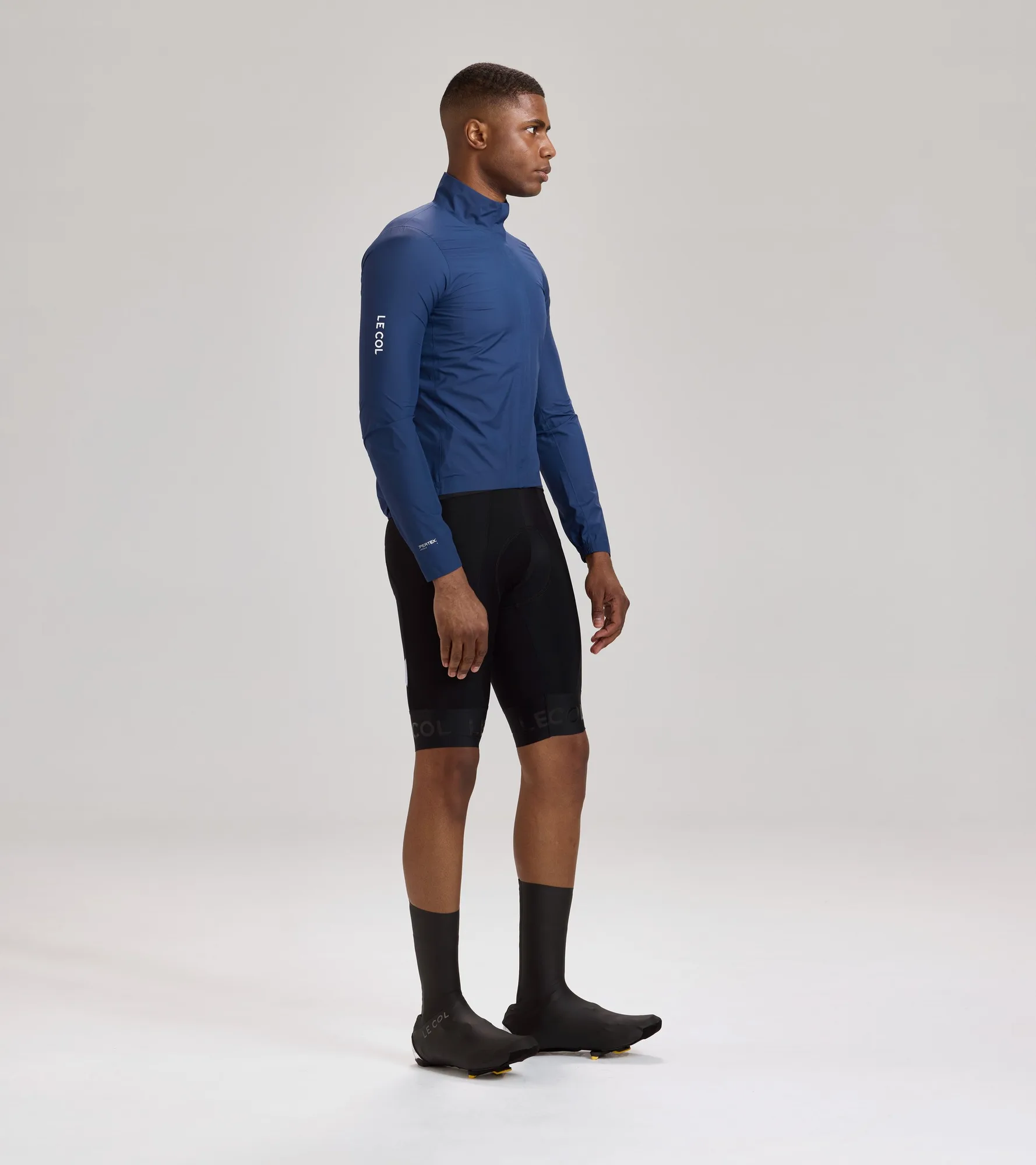
overshoes
Why socks and overshoes solve different problems
Cold feet on the bike usually come from two separate issues: heat loss from your foot itself, and external wind or water stripping warmth from the shoe. Socks address the first by trapping warmth and moving sweat away from skin. Overshoes address the second by creating a barrier over the shoe. Using one without the other leaves a gap. A thin cotton sock under a heavy overshoe still gets clammy; a thick merino sock in a vented summer shoe still gets cold when wind blows through.
Socks: warmth, moisture, and fit inside the shoe
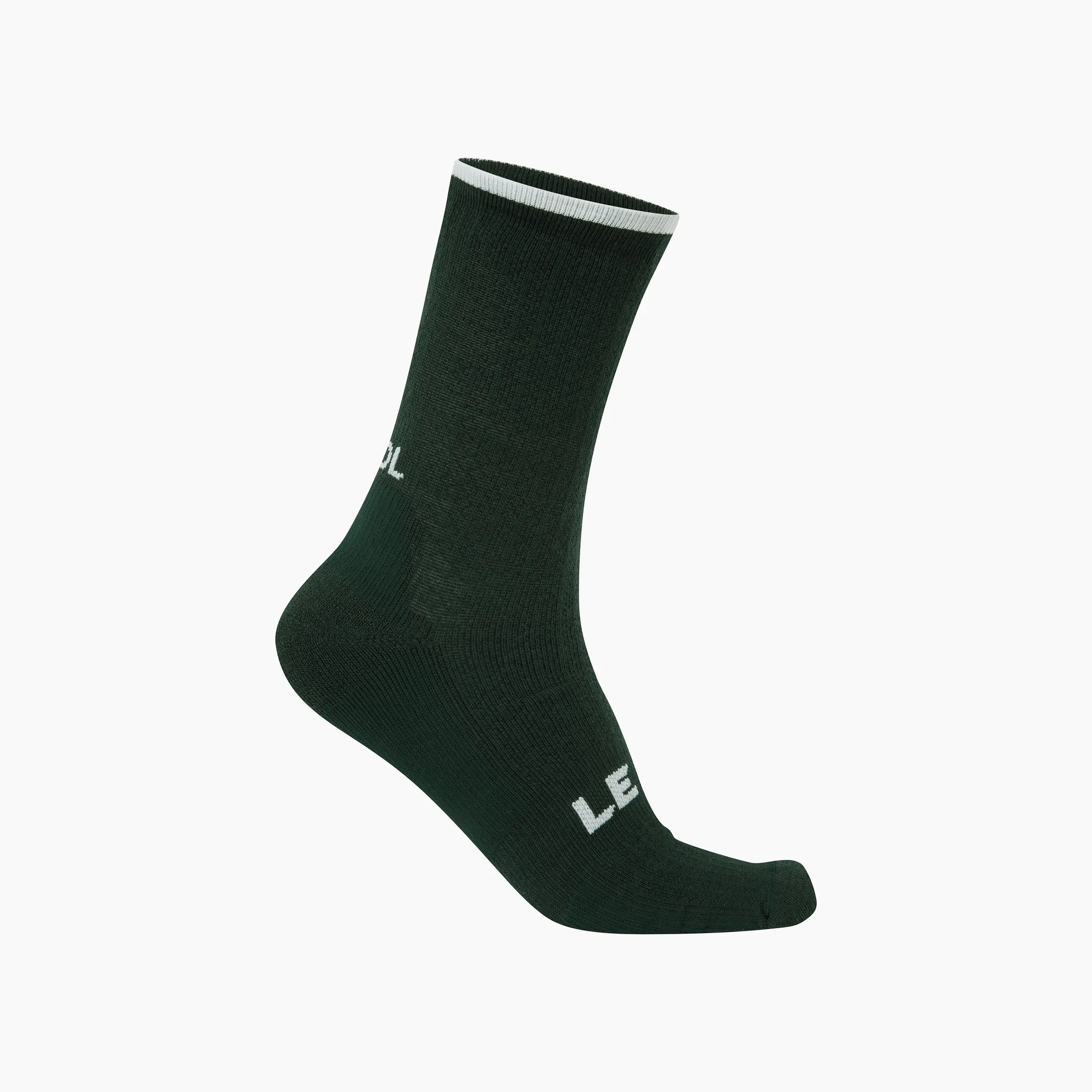
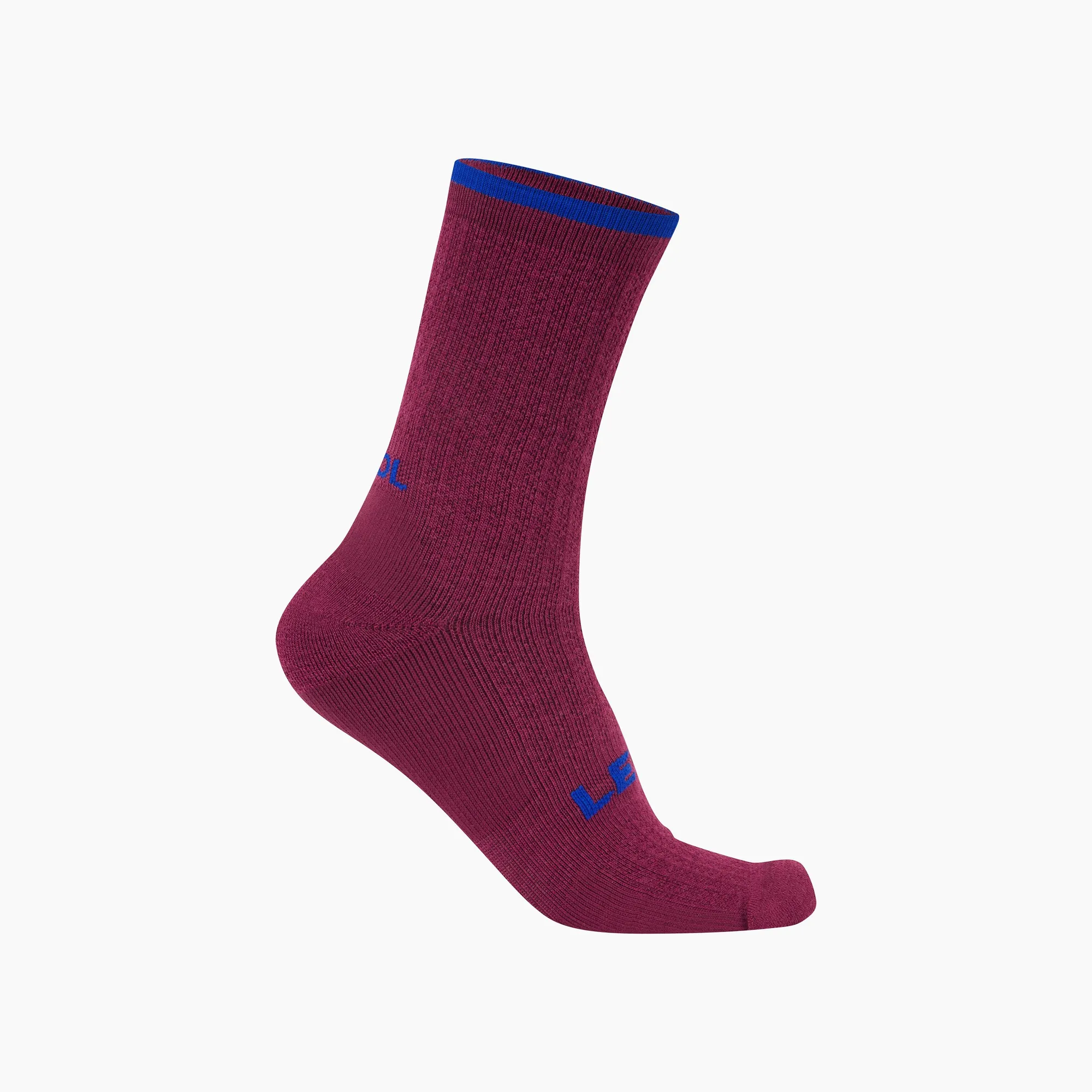
Merino cycling socks like the Long Tech Wool Cycling Socks deliver a high warmth-to-weight ratio, so they keep you warm without the bulk of a heavy winter sock. Synthetic fibres and reinforced seams add durability, and strategically placed cushioning supports comfort at the heel and forefoot. The longer cuff gives more coverage and compression above the ankle, which helps on rides where cold air creeps up the leg. The main trade-off is that socks alone cannot stop wind-driven rain or road spray from cooling the shoe surface.
Overshoes: external protection with bulk and cost
Overshoes add a wind- and water-resistant layer over your cycling shoes. They work best when temperatures drop near freezing, when roads are wet, or when you ride in exposed wind. The trade-offs are real: they add weight, can trap moisture if your socks are too thick, and often cost more than a pair of socks. They also wear faster if you walk in them. If your feet are cold mainly because your shoes are vented, overshoes solve that quickly. If your feet are cold because your socks are thin and damp, overshoes only mask the problem.
How to combine socks and overshoes without overheating
The best winter cycling foot warmth comes from layering, but only when each layer has room to work. Start with a merino sock that fits snugly without wrinkling. Then choose an overshoe that fits over the shoe without compressing the sock. If your feet sweat, switch to a thinner sock before adding more insulation. On milder cold days, skip the overshoe and rely on the sock alone. On wet or windy days, the overshoe earns its place. Check circulation: if your toes feel numb rather than cold, your setup is too tight, not too thin.
Trade-offs at a glance
- Socks only: Merino cycling socks like the Long Tech Wool Cycling Socks manage moisture and provide lightweight warmth, but they cannot block wind or rain. Best for dry cold above freezing or as a base layer under overshoes.
- Overshoes only: Overshoes add wind and water protection over the shoe, but they add bulk, cost more, and can trap sweat if your socks are too thick. Best for wet, windy, or near-freezing rides when your shoes are vented.
- Socks plus overshoes: Combining a merino sock with an overshoe covers both internal warmth and external protection, but you must leave room so the sock is not compressed. Best for the coldest, wettest rides; check circulation before you commit.
Product facts
- Long Tech Wool Cycling Socks: The Long Tech Wool Cycling Socks are cut for riders who prefer a longer cuff, giving more coverage and compression. The Tech Wool Socks deliver a high warmth to weight ratio, ensuring they keep you warm while remaining lightweight. Enhanced durability is achieved through synthetic fibres and reinforced seams, while strategically placed cushioning provides comfort and support in all the right places. A longer cuff and high warmth-to-weight ratio make these a strong first layer for cold rides, especially when you want warmth without bulk inside the shoe.
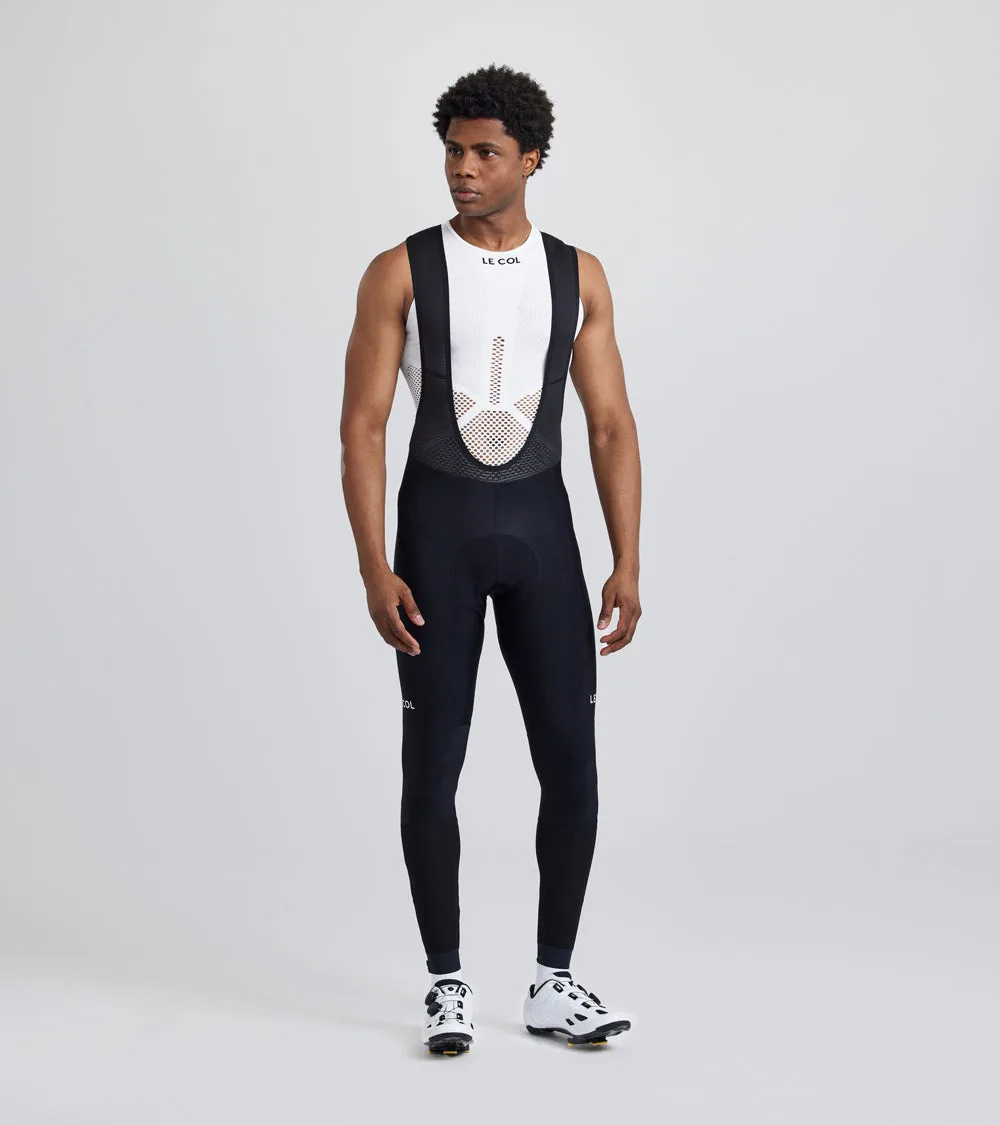
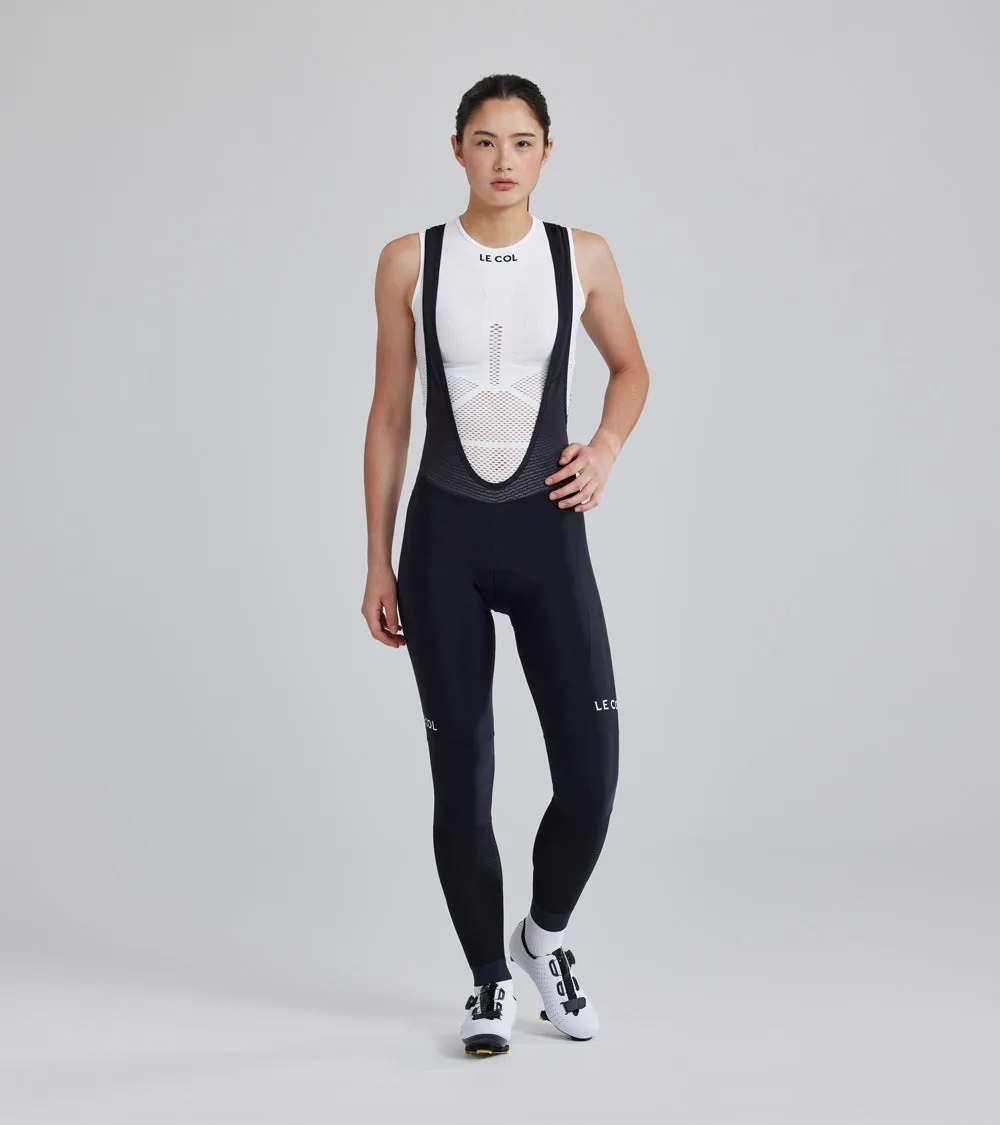
- Womens Pro Bib Tights: Built for the colder conditions, these Women's Pro Bib Tights offer advanced thermal protection without unnecessary bulk. The combination of Polartec® and Super Roubaix fabrics work together to regulate your body temperature, keeping you warm yet breathable when you push hard. Strategically placed textured fabrics along the lower legs reduce drag, helping you maintain speed and efficiency with every pedal stroke. Warm legs and ankles support foot comfort because circulation stays higher; these tights pair well with merino socks and overshoes on cold, fast rides.
Which setup fits your ride?
Best for
- Riders who get cold feet on dry rides just above freezing and want lightweight warmth
- Cyclists who prefer a longer cuff and compression above the ankle
- Riders building a winter layering system who will add overshoes only when needed
Not for
- Riders facing heavy rain or road spray without an overshoe
- Cyclists who need maximum insulation below freezing with no external barrier
- Anyone who prefers a thin summer sock and relies only on shoe covers