Quick answer
Choose a heavy-duty collar when your dog pulls hard, is a strong breed, or wears the collar daily for training or walks. Stick with a standard collar for calm, well-trained dogs that mostly need ID and light walks. The deciding factor is usually the hardware and fit, not the label.
Most collar problems are not about the strap. They are about the buckle, the ring, and whether the collar actually fits. A standard collar can be perfectly fine for a relaxed dog, while a strong dog collar earns its keep when pulling, training, or daily wear puts real load on the hardware.
This comparison looks at heavy-duty versus standard collars on the facts that matter: material thickness, hardware style, and how each adjusts. You will also see where a heavy-duty collar adds weight and cost you may not want, and how to size either type correctly.
What actually separates heavy-duty from standard
Heavy-duty collars are built around stronger hardware and thicker materials. That usually means a wider strap, a sturdier buckle or prong mechanism, and a ring that resists bending under load. Standard collars are lighter and often use thinner webbing with a basic plastic or metal buckle. Neither is automatically better; they are built for different loads.
The practical difference shows up during pulling, lunging, or training sessions where force travels through the collar. A heavy-duty collar spreads that force and holds its shape. A standard collar may flex, slip, or wear faster under the same conditions. For a calm dog on a loose leash, that extra strength rarely gets tested.
- Check the ring and buckle first: those are the failure points, not the strap.
- A heavier collar is not automatically safer if it fits poorly.
Where adjustable links change the fit equation
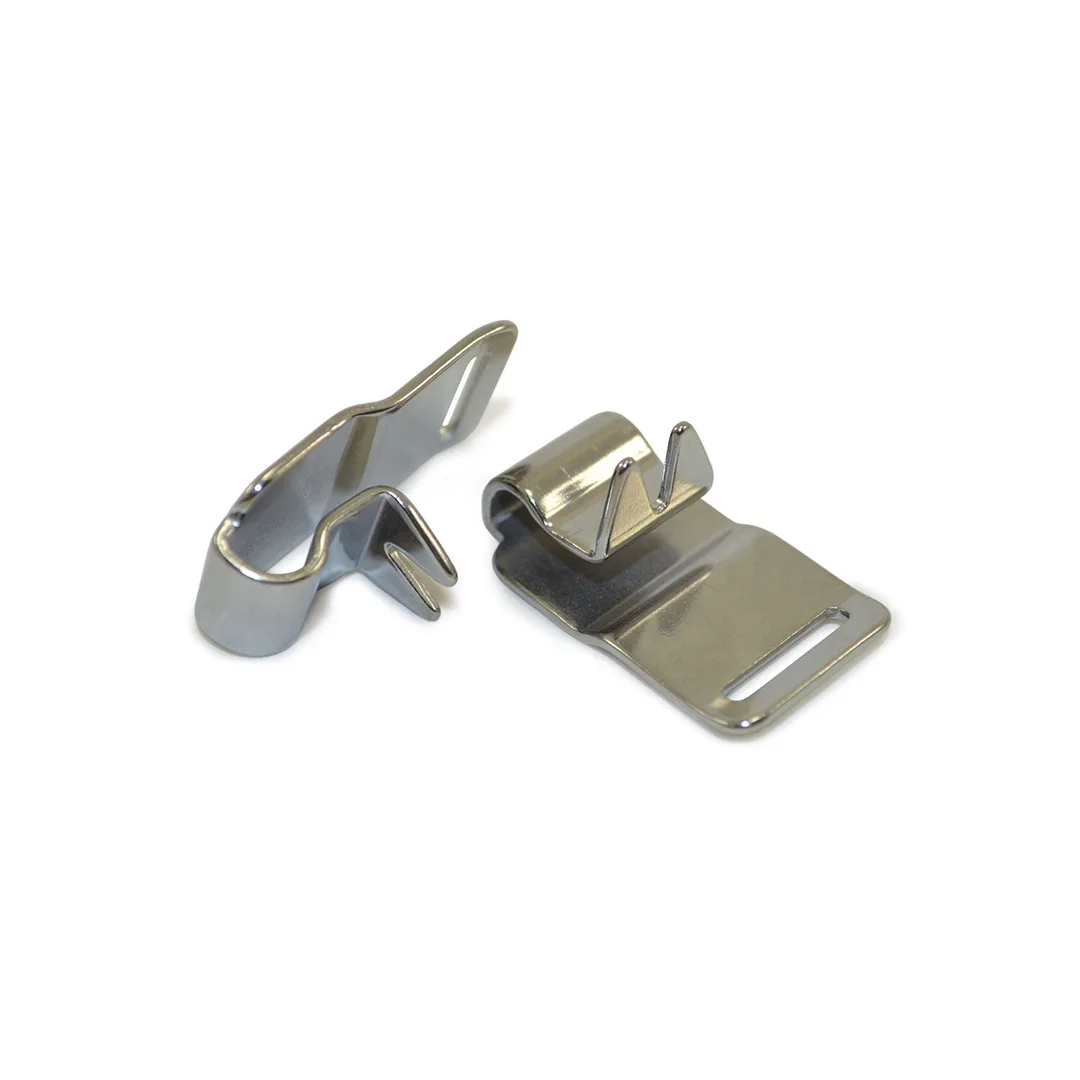
Some heavy-duty training collars use removable links rather than a traditional buckle. That design lets you fine-tune length in small steps instead of choosing the nearest fixed size. The 2.25mm, 3.25mm, and 4.0mm Black Stainless Herm Sprenger Ultra-Plus Prong Training Dog Collar Replacement Links all add length to an existing Ultra-Plus collar, and the blunt design attaches to existing links for a precise fit.
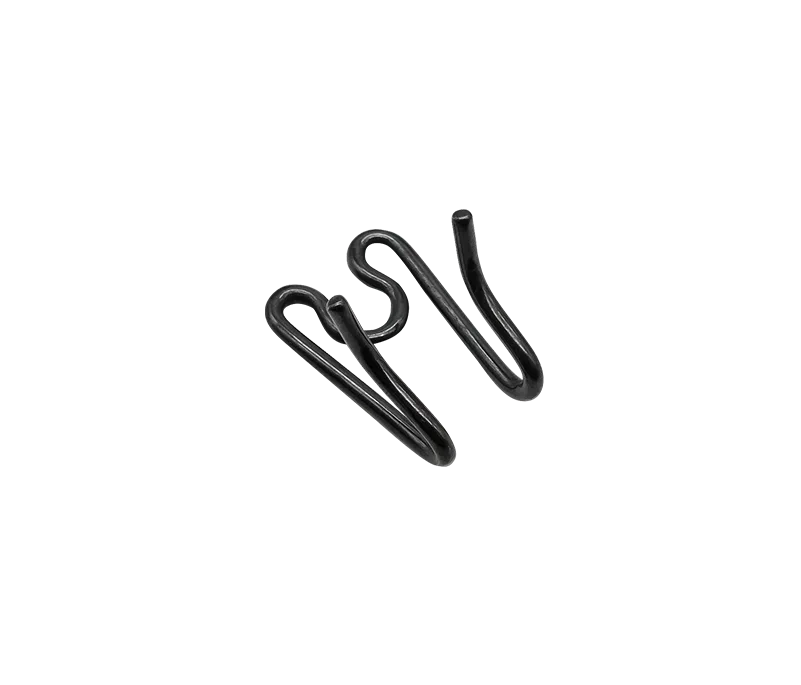
4.0mm Black Stainless Herm Sprenger Ultra-Plus Prong Training Dog Collar Replacement Links
Link-based sizing is a real advantage for dogs between standard sizes or dogs whose neck measurement changes with coat growth. It also means the collar is only as strong as the links you add. If you need a longer collar, buy the correct link thickness rather than mixing sizes, and recheck fit after every change.
- Add links in small increments and re-measure after each change.
- Keep spare links so you can adjust seasonally instead of buying a new collar.
Standard collars: lighter, cheaper, and often enough
A standard collar is the right call for a dog that walks on a loose leash, has reliable recall, and mainly needs ID and a leash attachment point. It is lighter on the neck, usually less expensive, and easier to swap between dogs or outfits. For many owners, that is the whole job.
The trade-off is durability under stress. Thin webbing and basic hardware can stretch, corrode, or bend if your dog lunges regularly. If you notice the buckle deforming, the ring opening, or the strap fraying at the attachment point, that is your signal to move up to a stronger collar rather than replace like for like.
- Inspect the buckle and ring monthly for bending or sharp edges.
- Retire any collar with frayed webbing near the ring.
How to measure and fit either type
Measure the widest part of the neck, then add about two fingers of slack for a standard collar. A properly fitted collar sits high on the neck, behind the ears and jaw, and should not slide over the head when the dog pulls back. If it slips off, it is too loose regardless of how strong the hardware is.
For link-based training collars, fit follows the same principle but you adjust by adding or removing links. The Herm Sprenger NeckTech Sport Extra Stainless Links come in packs of two, and each extra link adds 1.25 inches (3 cm) to the total length of a stainless steel Neck-Tech collar. That makes small fit corrections possible without changing the whole collar.
- Fit high on the neck, not low near the shoulders.
- Recheck fit after grooming, weight change, or a new winter coat.
Trade-offs to weigh before you switch
- Strength vs weight: Heavy-duty collars use thicker materials and stronger hardware, which handles pulling and training loads better but adds weight on the neck. Pick heavy-duty if your dog pulls or trains daily; stay standard if the leash is usually loose.
- Adjustability vs simplicity: Link-based collars let you fine-tune length in small steps, but you have to manage extra links and recheck fit after changes. Choose links if your dog sits between sizes; choose a buckle if you want one-and-done sizing.
- Durability vs cost and care: Stainless steel and reinforced hardware resist rust and bending, but cost more upfront and still need periodic inspection. Spend up only where your dog actually stresses the collar.
Product facts behind these recommendations
- 3.25mm Black Stainless Herm Sprenger Ultra-Plus Prong Training Dog Collar Replacement Links: These links add length to Herm Sprenger Ultra-Plus Prong Training Dog Collars, and the blunt design attaches to existing links for a precise fit. If your Ultra-Plus collar is slightly too short, adding the correct link size is cheaper and more precise than buying a whole new collar.
- Herm Sprenger NeckTech Sport Extra Stainless Links (2): Sold in packs of two, each extra link adds 1.25 inches (3 cm) to the total length of a stainless steel Neck-Tech collar, and the stainless steel resists rust and corrosion. Small, predictable length steps make it easier to dial in fit for dogs between standard sizes, and stainless steel holds up to outdoor wear.
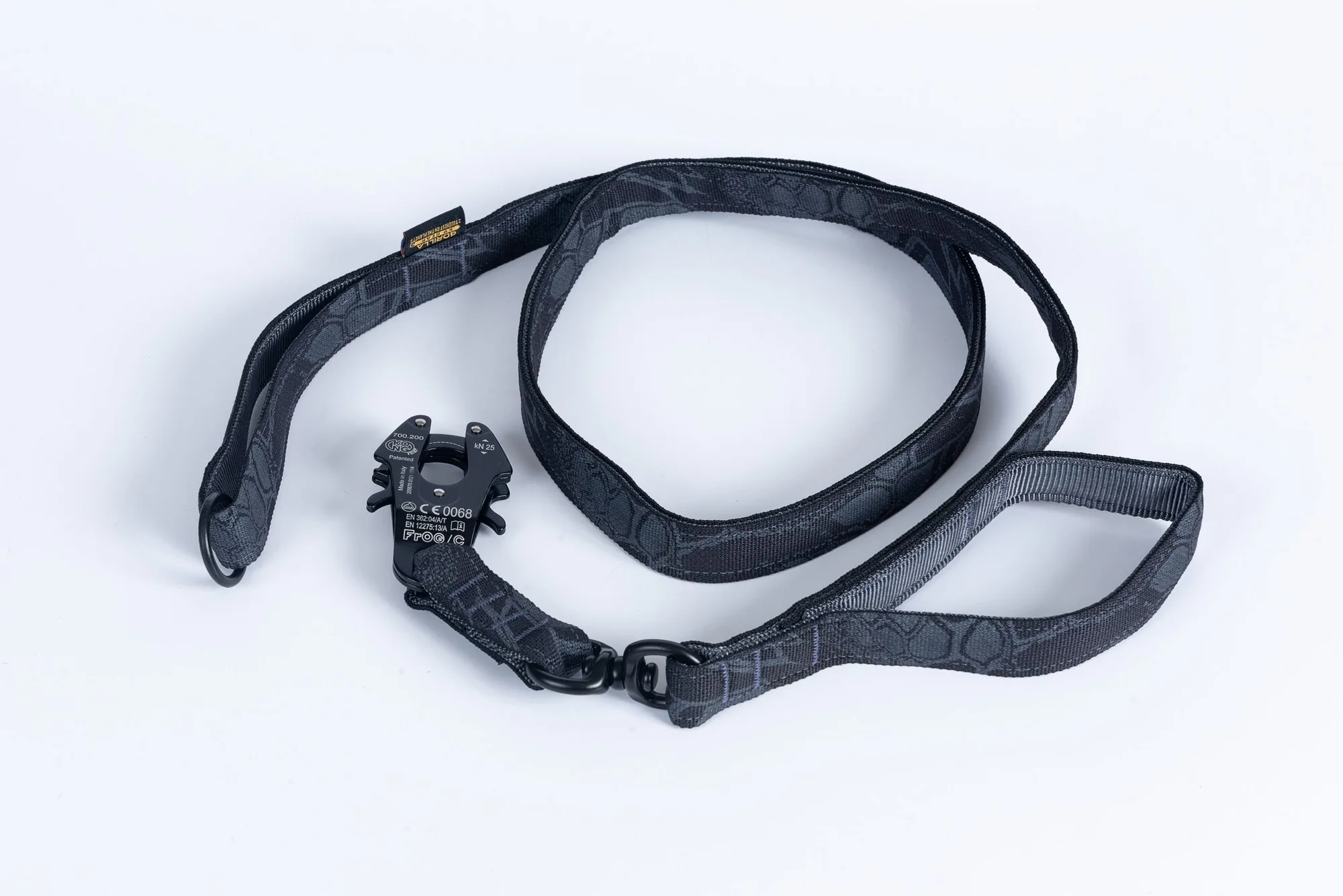
- Alpha Elite Short Handle Add-On Extension: The extension is made from the same 100% American made nylon material as the Alpha Elite leash, described as strong, durable, and soft. If you already use an Alpha Elite leash, matching the extension material keeps the handle feel consistent instead of mixing hardware and webbing.
Which collar fits your dog
Best for heavy-duty
- Strong breeds or dogs that pull hard on walks
- Dogs in active training that wear a collar daily
- Owners who want adjustable link-based sizing
Not for heavy-duty
- Calm, well-trained dogs that walk on a loose leash
- Owners who want the lightest possible collar for small or senior dogs
- Dogs that only need ID and occasional light walks
Match the collar to the load, not the label. If your dog pulls, trains, or wears the collar all day, heavy-duty hardware and adjustable links are worth it. If your walks are calm and the leash stays loose, a standard collar does the job without the extra weight.