Quick answer
If you have factory 4-inch dash or door locations and want a drop-in midrange upgrade, choose the Helix Compose i3 Ci3 M100FM-S3. If you have 5.25-inch door openings and want a two-way component set with a separate tweeter, choose the Helix Compose i3 Ci3 K130.2-S3. Measure your existing speaker cutout and mounting depth before ordering, because FlexMount helps with bolt pattern and depth, not with a hole that is physically too small or too large.
What FlexMount actually solves
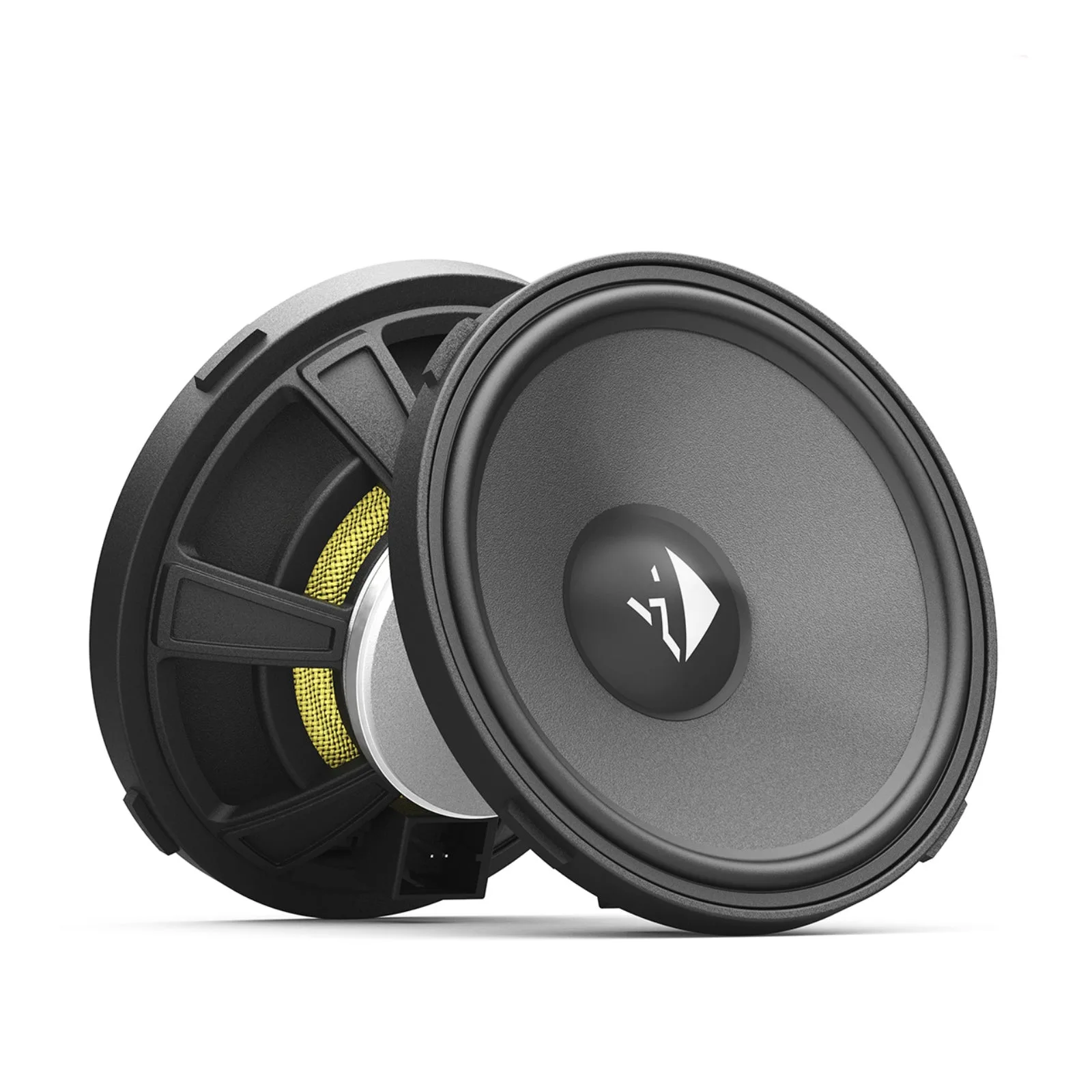
FlexMount is Helix's mounting system for the Compose i3 platform. It is designed to make the speaker fit a range of factory locations without custom brackets. That means the bolt circle and mounting depth are more adaptable than a fixed-frame speaker. It does not change the nominal diameter of the driver, so a 4-inch speaker still needs roughly a 4-inch opening and a 5.25-inch speaker still needs roughly a 5.25-inch opening. Measure the cutout diameter and the available depth behind the grille before you buy.
4-inch midrange vs 5.25-inch component: the real difference
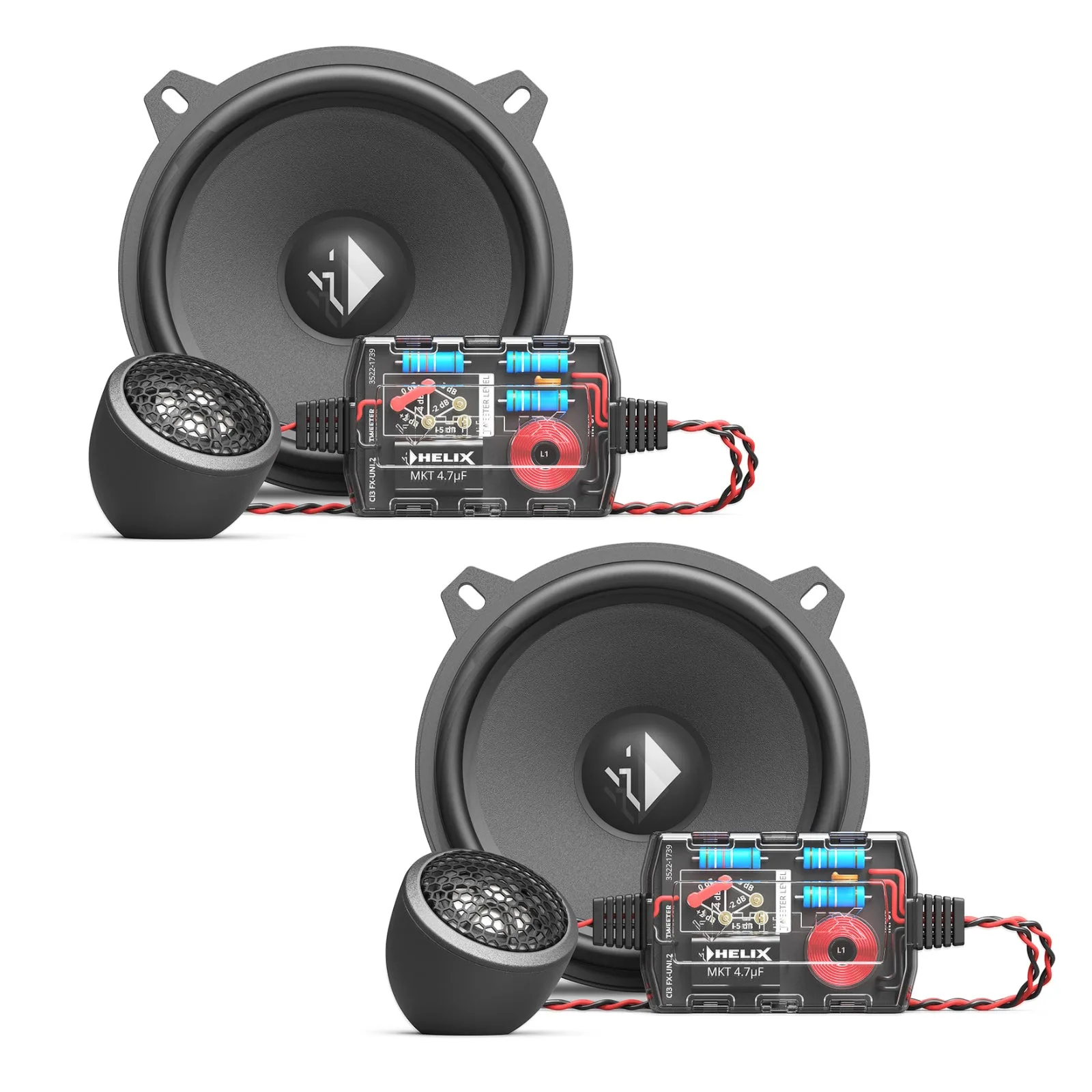
The M100FM-S3 is a 4-inch midrange rated at 80W RMS. It is built to reproduce midrange frequencies, not deep bass. In many cars, a 4-inch location is a dash or rear fill spot where bass is handled by a separate woofer or subwoofer. The K130.2-S3 is a 5.25-inch component set rated at 80W RMS and includes a separate tweeter, so it can cover more of the frequency range from a door location. If you are replacing a factory 4-inch speaker that already sounds thin, moving to a 5.25-inch component set in the doors will usually give you more midbass and better staging, but only if the door can physically take the larger driver.
Power and amplification: what 80W RMS means for your setup
Both Helix Compose i3 models are rated at 80W RMS. That is a continuous power handling figure, not a peak number. Running them from a factory head unit will work, but you will not get the most from them. An aftermarket amplifier that delivers around 80W RMS per channel will let them play cleanly at higher volumes. If you already have a factory amplifier with lower continuous power, the speakers will still function, but you should set expectations accordingly. Do not judge the speakers by a single loud moment; RMS ratings are about sustained output.
When a simpler coaxial makes more sense
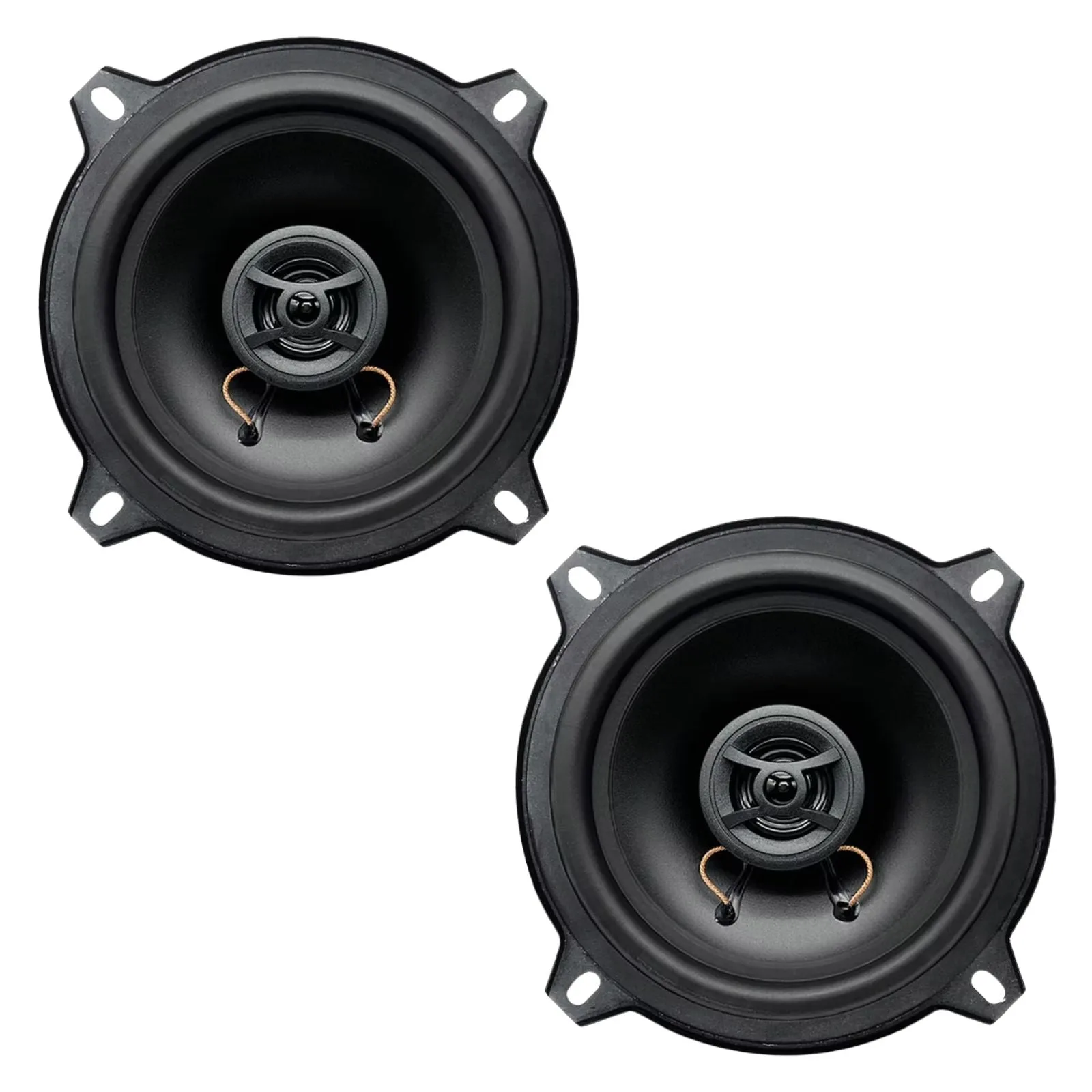
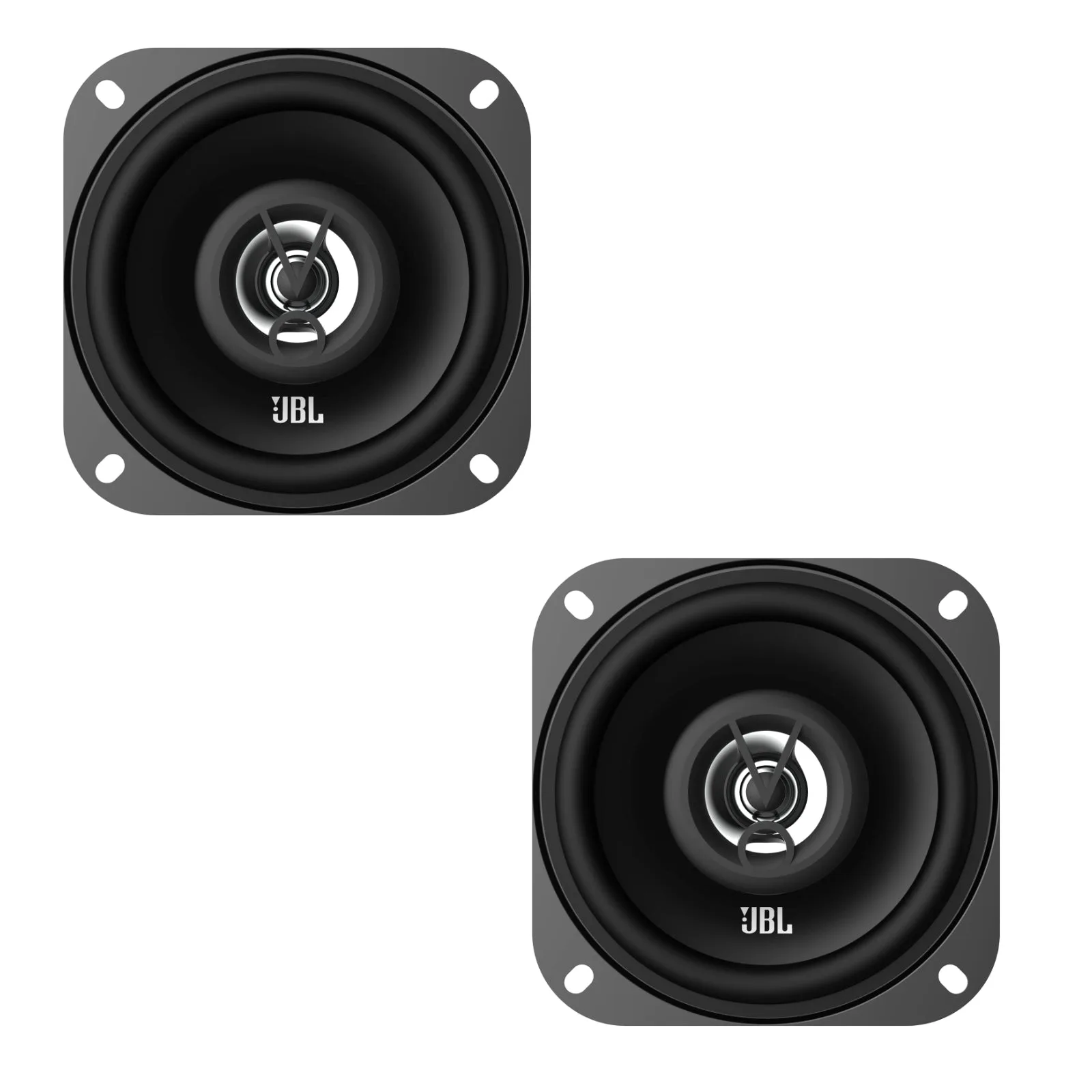
If your car has a 4-inch location and you want a basic, low-cost drop-in replacement without separate tweeters or crossovers, a coaxial like the JBL Stage 1 41F is a practical choice. It is a 4-inch 2-way coaxial rated at 25W RMS and sold as a pair. It will not match the output capability of the Helix midrange, but it is easier to install and costs far less. Similarly, the ESB HR 5C is a 5-inch 2-way coaxial rated at 50W RMS and sold as a pair. It sits between the budget JBL and the Helix component set in both price and power handling. These are valid options when you want sound improvement without building a system around separate amplifiers and crossovers.
Decision rules for choosing your size
- Measure the cutout first: Remove the factory speaker or grille and measure the hole diameter and the depth from the mounting surface to any window or door mechanism. FlexMount adapts bolt patterns, not the hole itself. If the hole is closer to 4 inches, choose the M100FM-S3. If it is closer to 5.25 inches, choose the K130.2-S3.
- Match the speaker to the job: A 4-inch midrange is for midrange duty in a multi-speaker system. A 5.25-inch component set is for a door location where you want midbass and a separate tweeter. Do not buy a 4-inch midrange expecting full-range sound, and do not buy a 5.25-inch set if you cannot mount the tweeter.
- Plan amplification before you buy: Both Helix models are rated at 80W RMS. If you will run them from a factory head unit, expect modest output. If you add an amplifier, match its continuous power per channel to the speaker rating. Budget for an amplifier if you want the full benefit of the Helix Compose i3 platform.
- Consider a coaxial if you want simplicity: The JBL Stage 1 41F and ESB HR 5C are coaxial pairs that install without separate crossovers or tweeter mounting. They handle less continuous power but cost less and are easier to fit. Choose a coaxial for a basic factory replacement. Choose Helix Compose i3 for a system build with amplification.
Product facts
- Helix Compose i3 Ci3 M100FM-S3 Midrange 4 Inch 10cm FlexMount Speakers 80w RMS: Helix Compose i3 Ci3 M100FM-S3 is a 4-inch midrange speaker rated at 80W RMS with FlexMount. Fits factory 4-inch dash or door locations where you want a dedicated midrange and already have bass handled elsewhere.
- Helix Compose i3 Ci3 K130.2-S3 Component 5.25 Inch FlexMount Speakers 80w RMS: Helix Compose i3 Ci3 K130.2-S3 is a 5.25-inch component set rated at 80W RMS with FlexMount. Suits 5.25-inch door openings and adds a separate tweeter for better staging and midbass than a 4-inch midrange.
- JBL Stage 1 41F 4 Inch 2 Way Coaxial Car Door Speakers 25w RMS Pair: JBL Stage 1 41F is a 4-inch 2-way coaxial speaker rated at 25W RMS, sold as a pair. A low-cost drop-in option for factory 4-inch locations when you do not want separate crossovers or an amplifier upgrade.
- ESB HR 5C 5 Inch 2 Way Coaxial Car Speakers 50w RMS Pair: ESB HR 5C is a 5-inch 2-way coaxial speaker rated at 50W RMS, sold as a pair. A middle-ground choice for 5-inch locations that need more output than a basic coaxial but less commitment than a component set.
Fit guidance
Best for
- Drivers with factory 4-inch dash or door locations who want a dedicated midrange and already have bass covered
- Drivers with 5.25-inch door openings who want a component set with a separate tweeter
- Anyone planning to add an amplifier that delivers around 80W RMS per channel
Not for
- Drivers who cannot measure their cutout and need a guaranteed drop-in without checking dimensions
- Drivers who want full-range sound from a single speaker without a subwoofer or separate woofer
- Drivers who want the lowest-cost factory replacement and will not add an amplifier