Quick answer
When buying gel polish, check the label for HEMA and TPO first. If you have sensitive nails or a history of reactions, choose a HEMA-free and TPO-free formula from a brand that lists ingredients clearly. Look for self-leveling base coats and full-coverage colors so you can build a lasting set without extra products that may contain allergens.
Gel polish shopping used to be about color. Now it is about the label. If you have ever had itching, redness, or lifting around the cuticles, the ingredients matter as much as the shade.
This guide walks through what to check before you buy, which ingredients to avoid, and how to tell a genuinely safer formula from marketing. You will also see how specific products from La Catrina Nails. TX fit into a low-allergen routine.
Why HEMA and TPO Are the First Things to Check
HEMA (hydroxyethyl methacrylate) and TPO are common in gel polish because they help with adhesion and durability. They are also known allergens. For many people, repeated exposure can lead to sensitivity that shows up as itching, swelling, or peeling skin around the nails.
A HEMA-free and TPO-free gel polish removes two of the most talked-about allergens from the equation. That does not make every formula risk-free, but it is a meaningful first filter when you are comparing brands or restocking your kit.
- Look for the words HEMA-free and TPO-free on the label, not just 'gentle' or 'safe.'
- If a brand does not list ingredients, treat that as a gap, not a guarantee.
How to Read a Gel Polish Label Without a Chemistry Degree
Start with the ingredient list, often on the bottle or the product page. Scan for HEMA, di-HEMA trimethylhexyl dicarbamate, and TPO. If any appear near the top, the formula is not for you if you are trying to avoid them.
Next, check for a full ingredient disclosure. Brands that publish complete lists make it easier to compare. If a product only says 'HEMA-free' but does not show what is inside, you cannot confirm what else might be present.
- HEMA and di-HEMA trimethylhexyl dicarbamate are both methacrylate monomers linked to reactions.
- TPO is a photoinitiator; a TPO-free label matters if you are avoiding that class of ingredient.
Base Coat and Color: Where Allergens Often Hide
Base coat is the layer closest to your natural nail, so it is worth choosing carefully. A self-leveling base coat can help you get an even surface and better adhesion without flooding the cuticle, which reduces the chance of product touching skin.
Color coats matter too. A well-pigmented polish may need fewer layers, which means less total product on the nail and less opportunity for lifting or irritation. If you are building a low-allergen routine, start with the base and then choose colors that cover in one or two coats.
- Apply base coat thinly and cap the free edge to reduce lifting.
- If a color needs four coats, consider whether a different formula would be kinder to your nails.
What 'HEMA-Free' Does Not Tell You
HEMA-free does not automatically mean hypoallergenic. Other acrylates, solvents, or photoinitiators can still cause reactions in some people. It also does not guarantee better wear time; application and prep still drive longevity.
Use HEMA-free and TPO-free as one part of your decision. Pair it with good nail prep, thin layers, and a removal method that does not damage the nail plate.
- Patch test any new gel polish before a full set if you have known sensitivities.
- Keep a note of which products work for you and which do not.
Decision rules for buying HEMA-free gel polish
- If you have reacted to gel before: Choose a HEMA-free and TPO-free base coat and color system, and patch test before a full set. Prioritize ingredient disclosure over shade range.
- If you want fewer coats and less product: Look for well-pigmented colors like Rosa Mexicana that cover in one or two thin layers. Fewer layers means less total product on the nail.
- If you are building a low-allergen kit: Start with a HEMA-free base coat, then add HEMA-free colors and painting gels, checking each label for TPO as well. Consistency across your products makes it easier to track what works.
Product facts to compare
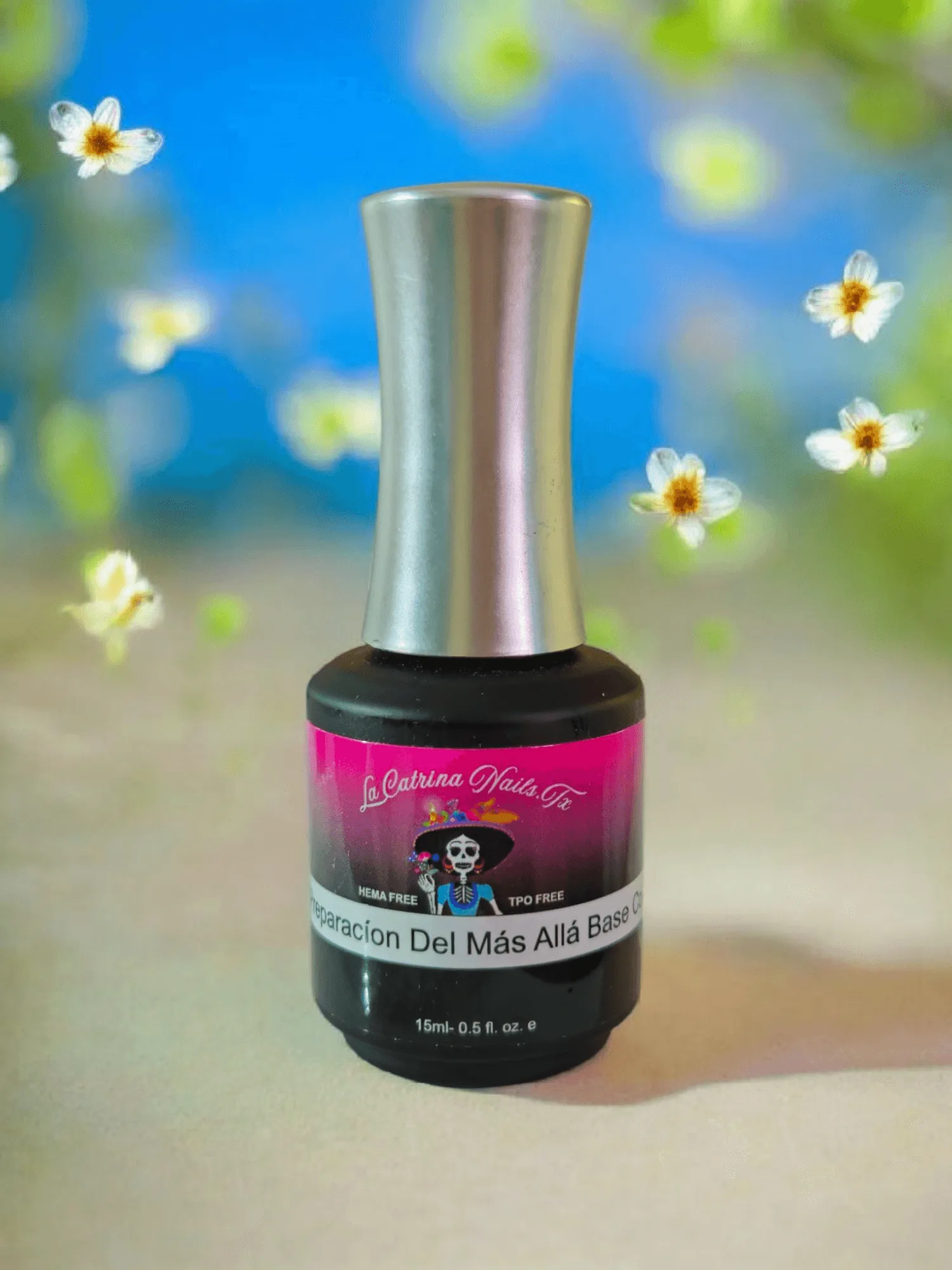
- Preparacíon Del Mas Alla Base Coat ~Preparation from the Beyond Base Coat ~ HEMA-Free and TPO Free Gel polish: Designed to create the perfect bond between the natural nail and your gel polish, this base coat delivers strong adhesion, smooth application, and long-lasting wear without lifting or peeling too soon. Its self-leveling formula helps create an even surface while protecting the natural nail. A self-leveling base coat can reduce the need for multiple layers and help you keep product off the cuticle, which is useful if you are trying to minimize skin contact with gel.
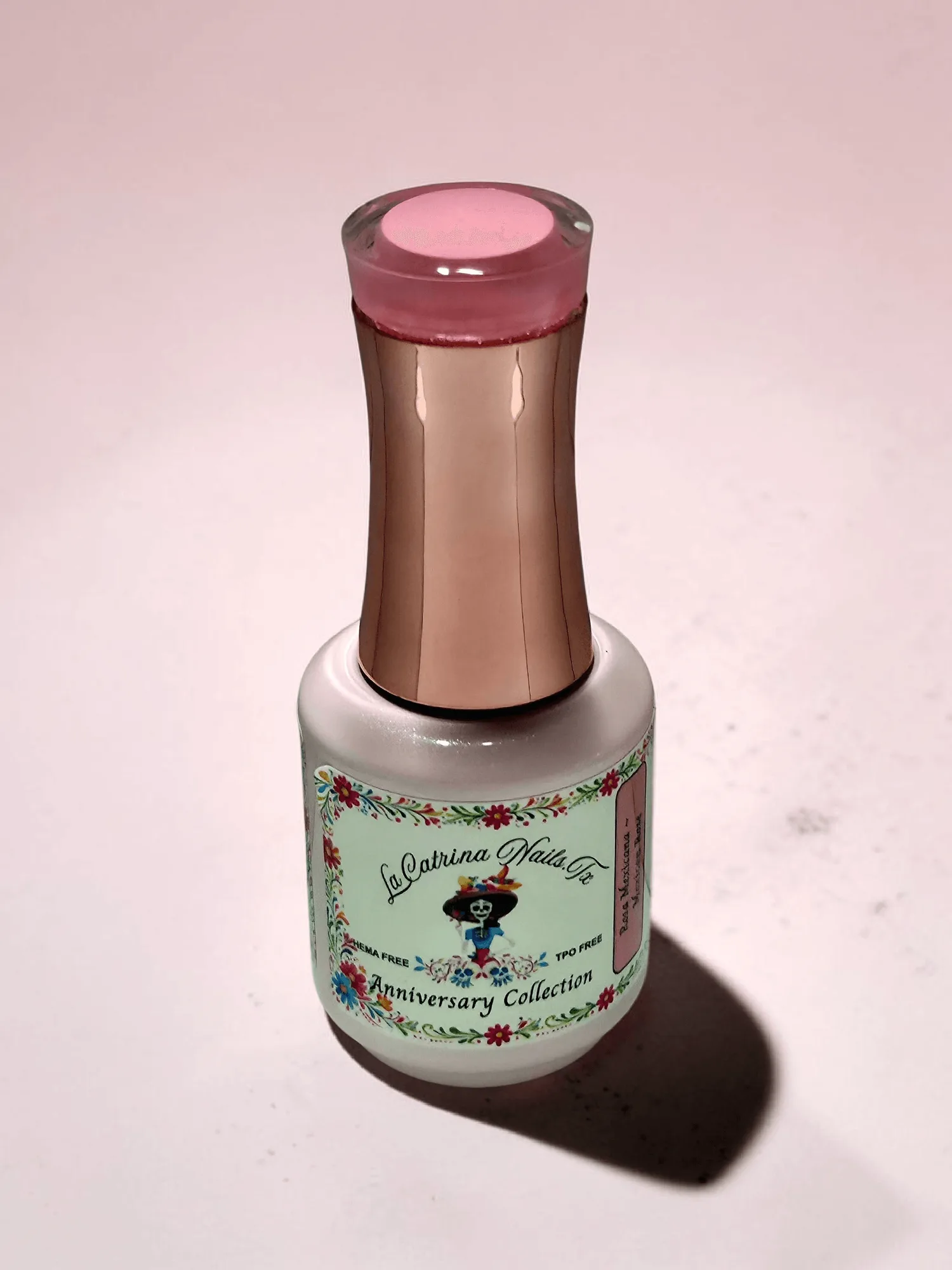
- Rosa Mexicana ~ Mexican Rose~HEMA-Free and TPO Free Gel polish: A bold, vibrant pink inspired by the richness and passion of traditional Mexican color. This shade is bright, confident, and full of life—capturing the beauty of blooming roses, festive folklore, and timeless femininity. A highly pigmented statement color can cover in fewer coats, so you use less product per set while still getting a bold result.
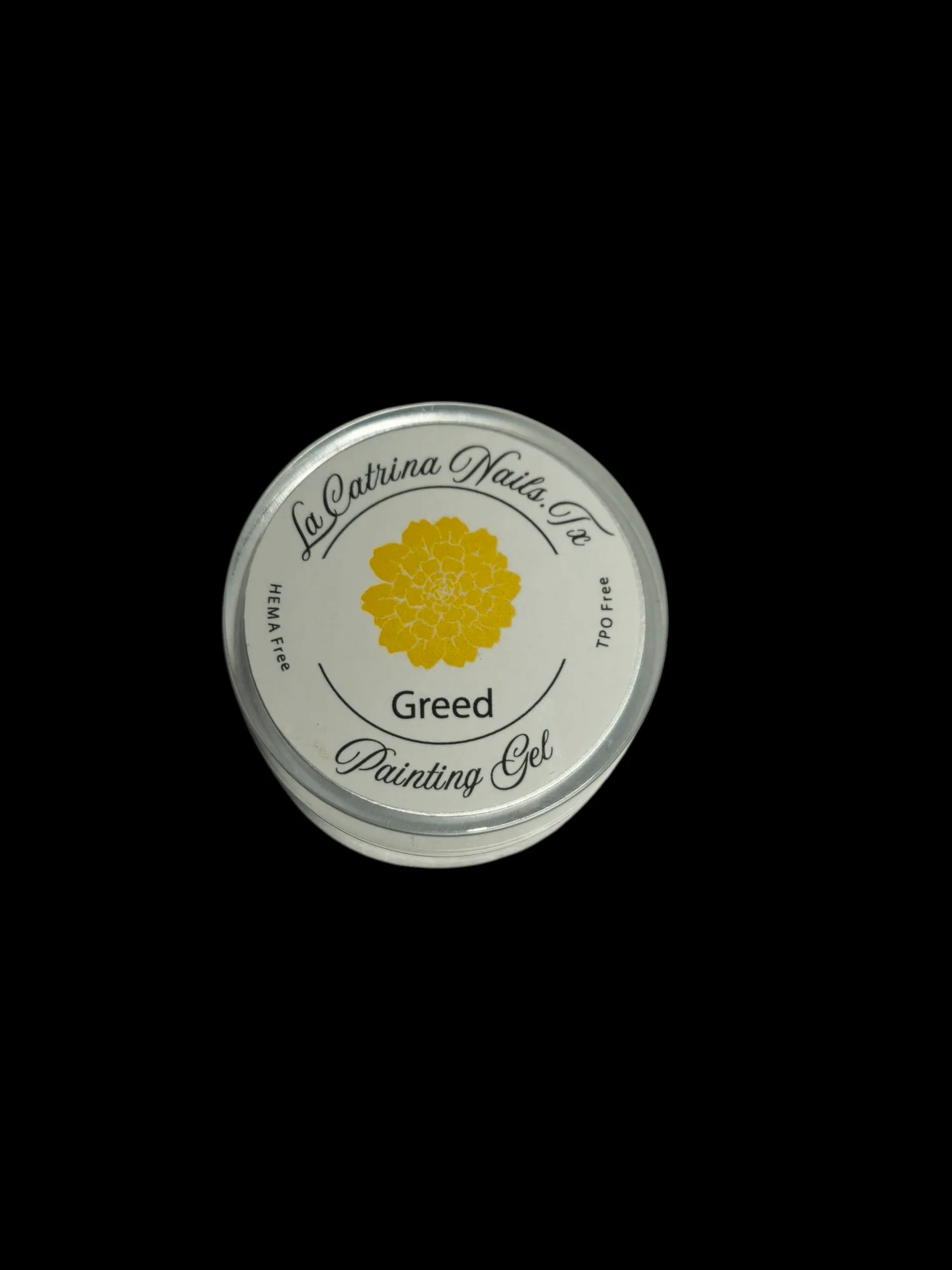
- Greed ~ HEMA-free Painting Gels 5ml: HEMA (hydroxyethyl methacrylate) and Di-HEMA Trimethylhexyl Dicarbamate are common monomers found in many gel nail polishes. While they help with adhesion and durability, they are also known to be significant allergens. This product explicitly names the monomers to avoid, which makes it easier to compare against other painting gels if you are building a HEMA-free kit.
Who this is for
Best for
- Nail techs and home users who want to avoid HEMA and TPO in their gel polish
- Anyone who has experienced sensitivity or reactions from gel products
- Buyers who want to compare formulas before committing to a full collection
Not for
- People looking for the cheapest gel polish regardless of ingredients
- Anyone who does not want to read labels or patch test
- Users who need a specific color match that is only available in a HEMA-containing line
Buying HEMA-free gel polish is mostly about reading labels and choosing products that disclose what is inside. Start with a HEMA-free and TPO-free base coat, add colors that cover in fewer coats, and patch test anything new. That routine gives you better control over what touches your nails.