Quick Answer
For gentle, daily regularity, psyllium fiber is generally the gentler choice because it works as a bulk-forming fiber that supports natural bowel movements without stimulating the colon. Herbal laxative capsules, such as those containing Triphala, offer a traditional Ayurvedic approach that also supports digestion and elimination, but they may have a slightly stronger effect depending on the herbs used. Choose psyllium for a simple, fiber-based approach, or Triphala for a more comprehensive digestive tonic.
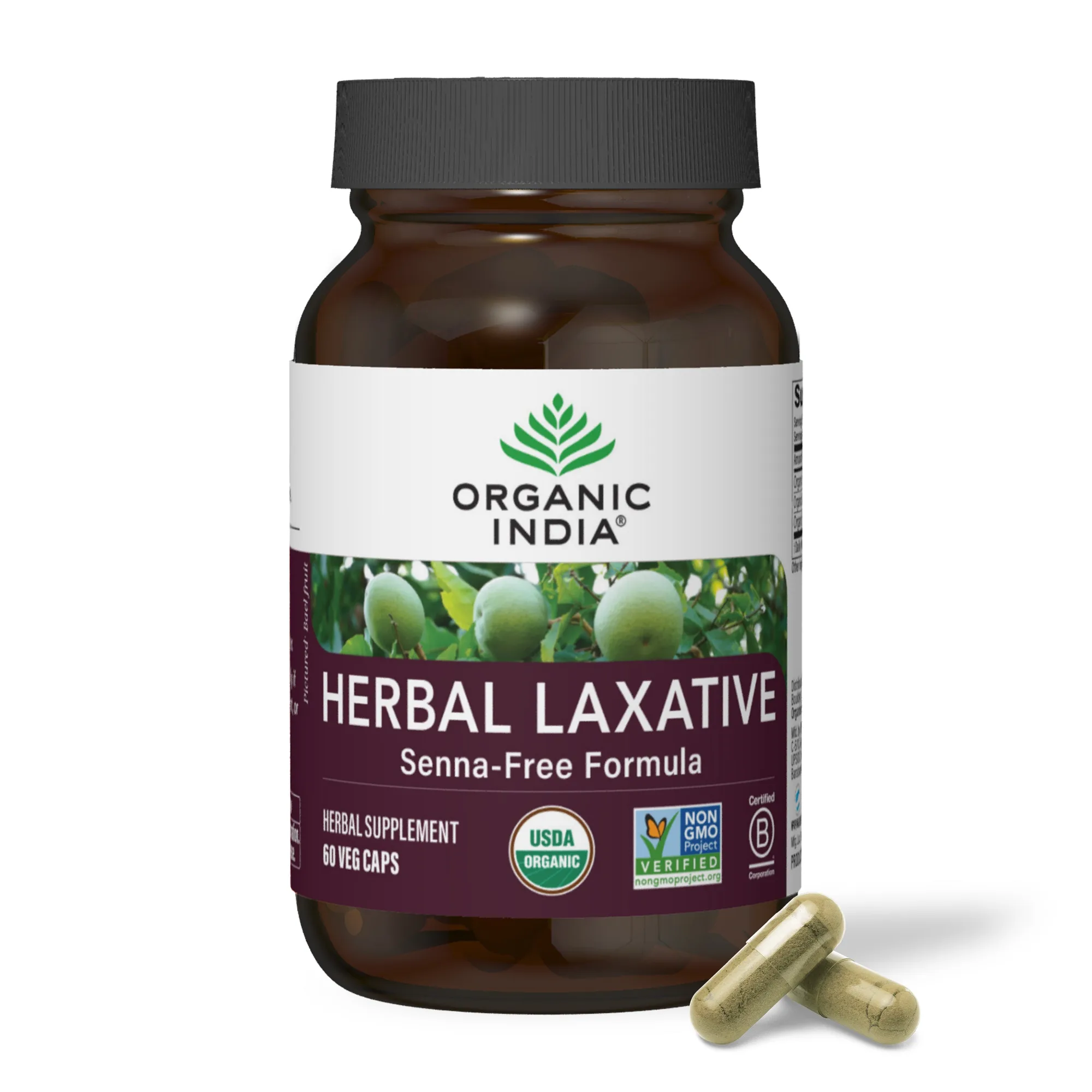
Herbal laxative capsules
When you're dealing with occasional constipation or irregularity, the choice between a herbal laxative and a fiber supplement can be confusing. Both promise relief, but they work in different ways and suit different needs. In this comparison, we'll explore the differences between herbal laxative capsules and psyllium fiber, focusing on gentleness, effectiveness, and overall digestive health.
We'll examine the mechanisms, benefits, and potential trade-offs of each option, using real product examples from Organic India to illustrate the choices available. By the end, you'll have a clear understanding of which approach might be gentler for your body and how to incorporate it into your daily routine.
Understanding Herbal Laxatives and Psyllium Fiber
Herbal laxatives are supplements that use plant-based ingredients to stimulate bowel movements or soften stool. They can work in several ways: some are stimulant laxatives that trigger contractions in the intestines, while others are bulk-forming or osmotic, drawing water into the bowel to soften stool. Common herbal laxatives include senna, cascara, and aloe, but Ayurvedic herbs like Triphala are also used for their gentle cleansing properties.
Psyllium fiber, on the other hand, is a soluble fiber derived from the husks of the Plantago ovata plant. It works by absorbing water and forming a gel-like bulk that softens stool and stimulates natural bowel contractions. This bulk-forming action is considered gentle and non-irritating, making psyllium a popular choice for daily use. It also supports heart health and healthy cholesterol levels, adding to its appeal.
- Herbal laxatives may be stimulant or bulk-forming; stimulant types can be harsher.
- Psyllium fiber is purely bulk-forming and generally gentler for daily use.
- Triphala is a traditional Ayurvedic blend that supports digestion and elimination without harsh stimulation.
Comparing Gentleness: Psyllium vs. Herbal Laxatives
Gentleness is a key factor when choosing a regularity supplement. Psyllium fiber is widely regarded as gentle because it doesn't force the colon to contract; instead, it provides the bulk that encourages natural movement. This makes it suitable for long-term use and for people with sensitive digestive systems. However, it requires adequate water intake to work effectively, and some people may experience bloating if they increase fiber too quickly.
Herbal laxatives can vary in gentleness. Stimulant laxatives like senna are effective but can cause cramping and may lead to dependency if used excessively. On the other hand, Triphala, a classic Ayurvedic formula, is known for its gentle yet effective support for digestion and elimination. It combines Amla, Bibhitaki, and Haritaki, which work together to tone the digestive tract without harsh stimulation. This makes Triphala a gentler herbal option compared to senna-based laxatives.
- Psyllium requires plenty of water to prevent bloating and ensure effectiveness.
- Triphala is a gentle herbal alternative to stimulant laxatives like senna.
- Always start with a low dose and increase gradually to assess tolerance.
Key Differences in How They Work
Psyllium fiber works mechanically: it absorbs water and forms a gel that softens stool and increases its bulk, which stimulates the intestines to move it along. This process can take 12-24 hours to produce a bowel movement, making it a predictable and gentle option. It also provides the added benefits of supporting heart health and cholesterol levels, as noted in the product facts for Organic India's Psyllium Whole Husk Fiber.
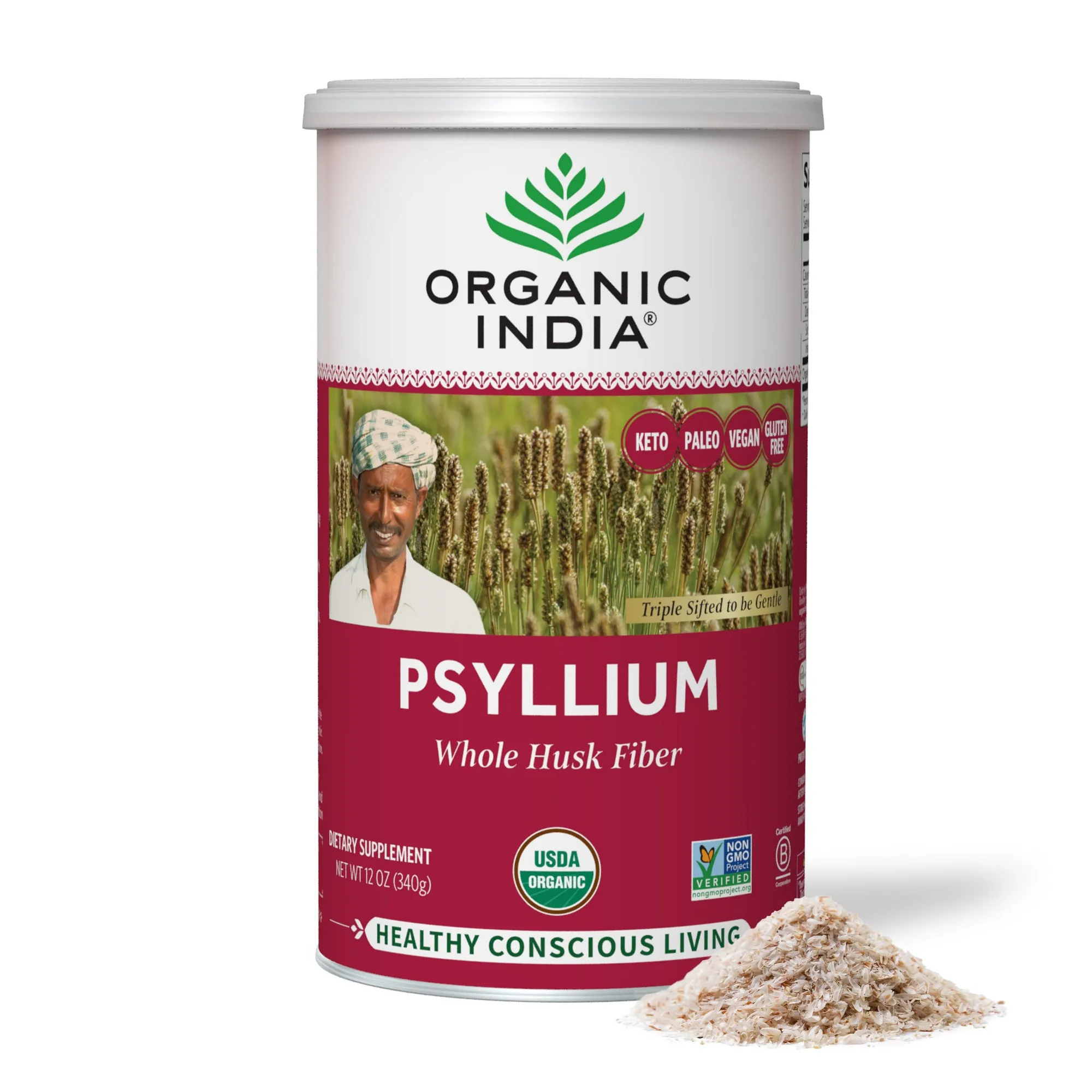
Psyllium Whole Husk Fiber
Herbal laxatives like Triphala work more comprehensively. Triphala is a combination of three fruits that support digestion, promote healthy elimination, and help cleanse the colon. It is believed to work by gently toning the digestive muscles and supporting the body's natural detoxification processes. While it may also take 8-12 hours to work, it offers broader digestive support, including promoting gut health and regularity.
Product Spotlight: Psyllium Whole Husk Fiber vs. Triphala Capsules
Organic India offers two excellent options for supporting regularity: Psyllium Whole Husk Fiber and Triphala Capsules. The Psyllium Whole Husk Fiber is a pure, single-ingredient supplement that provides natural soluble fiber for gentle regularity. It is free from sweeteners and additives, making it a clean choice for those who want a simple fiber boost. It can be mixed into water, smoothies, or baked goods, offering versatility in how you incorporate it into your diet.
Triphala Capsules, on the other hand, deliver a blend of Amla, Bibhitaki, and Haritaki in a convenient capsule form. This traditional Ayurvedic formula is certified organic and supports digestion, healthy elimination, and colon cleansing. It's a great option for those who prefer a capsule format and want the benefits of a time-honored herbal blend. Both products are vegan and made with organic ingredients, but they serve different preferences.
How to Choose Between Psyllium and Herbal Laxatives
Your choice should depend on your specific needs and preferences. If you are looking for a simple, fiber-based approach that also supports heart health, psyllium is an excellent choice. It's gentle, predictable, and can be easily added to your daily routine. However, if you prefer a capsule form and want a more comprehensive digestive tonic that supports overall gut health, Triphala capsules might be a better fit.
Consider your lifestyle: psyllium powder requires mixing, which might be less convenient for some, while capsules are portable and easy to take. Also, think about your digestive sensitivity. If you are prone to bloating, start with a low dose of psyllium and increase gradually. If you have a history of laxative dependency, avoid stimulant laxatives and opt for gentler options like Triphala.
Trade-Offs to Consider
- Mechanism of action: Psyllium works as a bulk-forming fiber, while Triphala works as a gentle herbal tonic. Psyllium is purely mechanical, while Triphala provides broader digestive support. If you want a simple fiber supplement, choose psyllium; if you want a comprehensive herbal approach, choose Triphala.
- Convenience: Psyllium powder requires mixing with liquid, while Triphala comes in capsules that are easy to take on the go. For travel or busy schedules, capsules might be more convenient.
- Onset of action: Psyllium typically works within 12-24 hours, while Triphala may work within 8-12 hours, but individual responses vary. If you need faster relief, Triphala might be slightly quicker, but both are gentle and non-harsh.
Product Facts at a Glance
- Psyllium Whole Husk Fiber: Whole Husk Psyllium fiber supplement for gentle regularity. This natural soluble fiber supports digestion, heart health, and healthy cholesterol levels. This makes psyllium a multi-benefit supplement, not just for regularity but also for cardiovascular health, making it a great daily addition.
- Triphala Capsules: Triphala Capsules deliver one of Ayurveda’s most trusted blends — Amla, Bibhitaki, and Haritaki — in a convenient, certified organic supplement. This traditional formula gently supports digestion, healthy elimination, and colon cleansing. Triphala offers a holistic approach to digestive health, supporting not only regularity but also overall gut wellness, making it a versatile herbal option.
Which One Fits You?
Best for
- People seeking a simple, fiber-based supplement for daily regularity and heart health.
- Those who prefer a powder that can be mixed into drinks or foods.
Not for
- People who dislike mixing powders and prefer capsules.
- Those looking for a comprehensive digestive tonic beyond just fiber.
Both Psyllium Whole Husk Fiber and Triphala Capsules offer gentle support for regularity, but they suit different preferences. If you value a pure fiber supplement with added heart benefits, psyllium is a great choice. If you prefer a traditional herbal blend that supports overall digestion, Triphala is worth considering. Assess your lifestyle and digestive needs to make the best decision for your wellness journey.