For centuries, people have turned to plants for wellness, whether sipping a warm cup of chamomile tea or taking a daily herbal capsule. Both herbal teas and herbal supplements offer unique advantages, but they are not interchangeable. Understanding the differences can help you choose the right form for your health goals, lifestyle, and preferences.
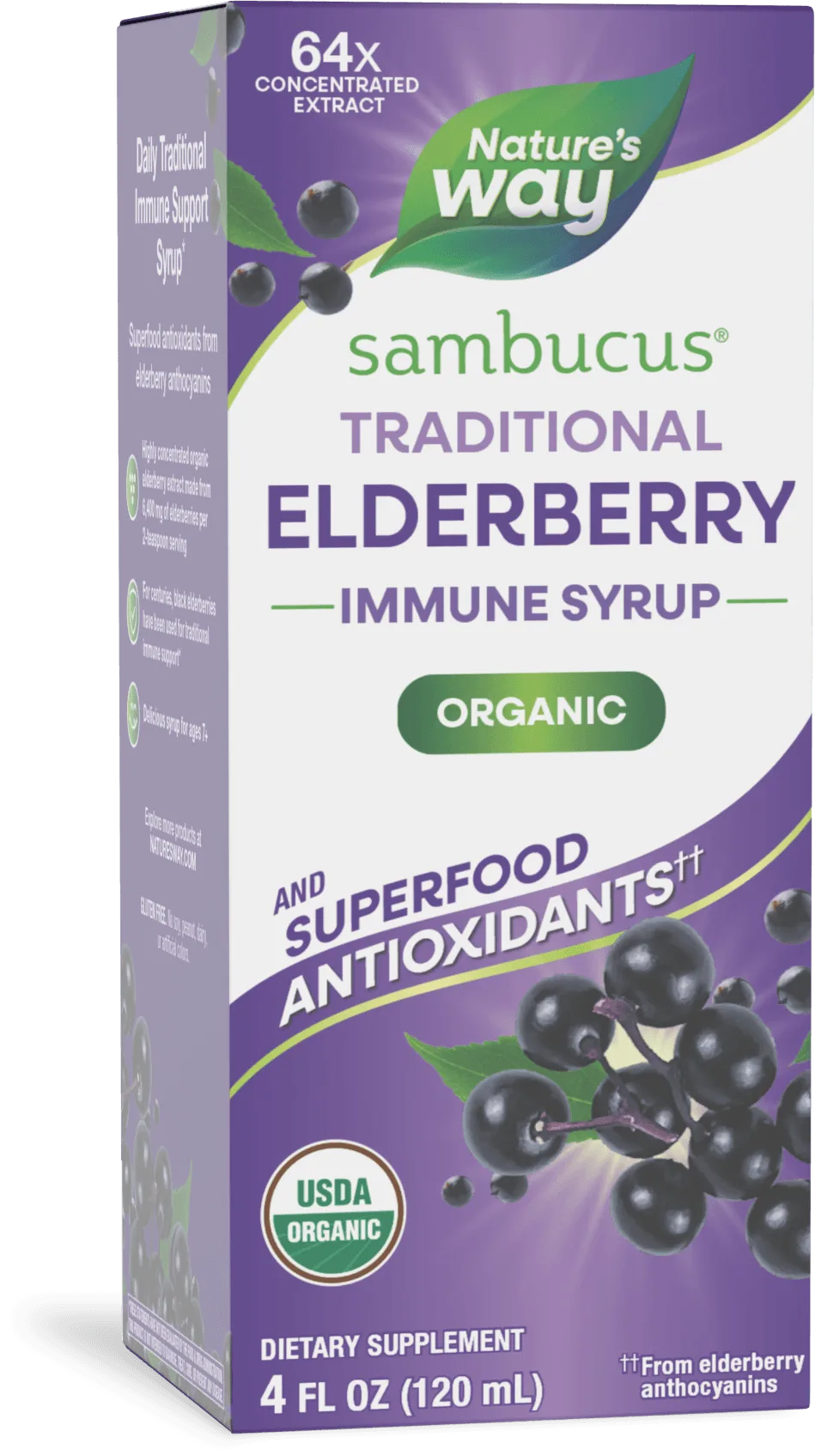
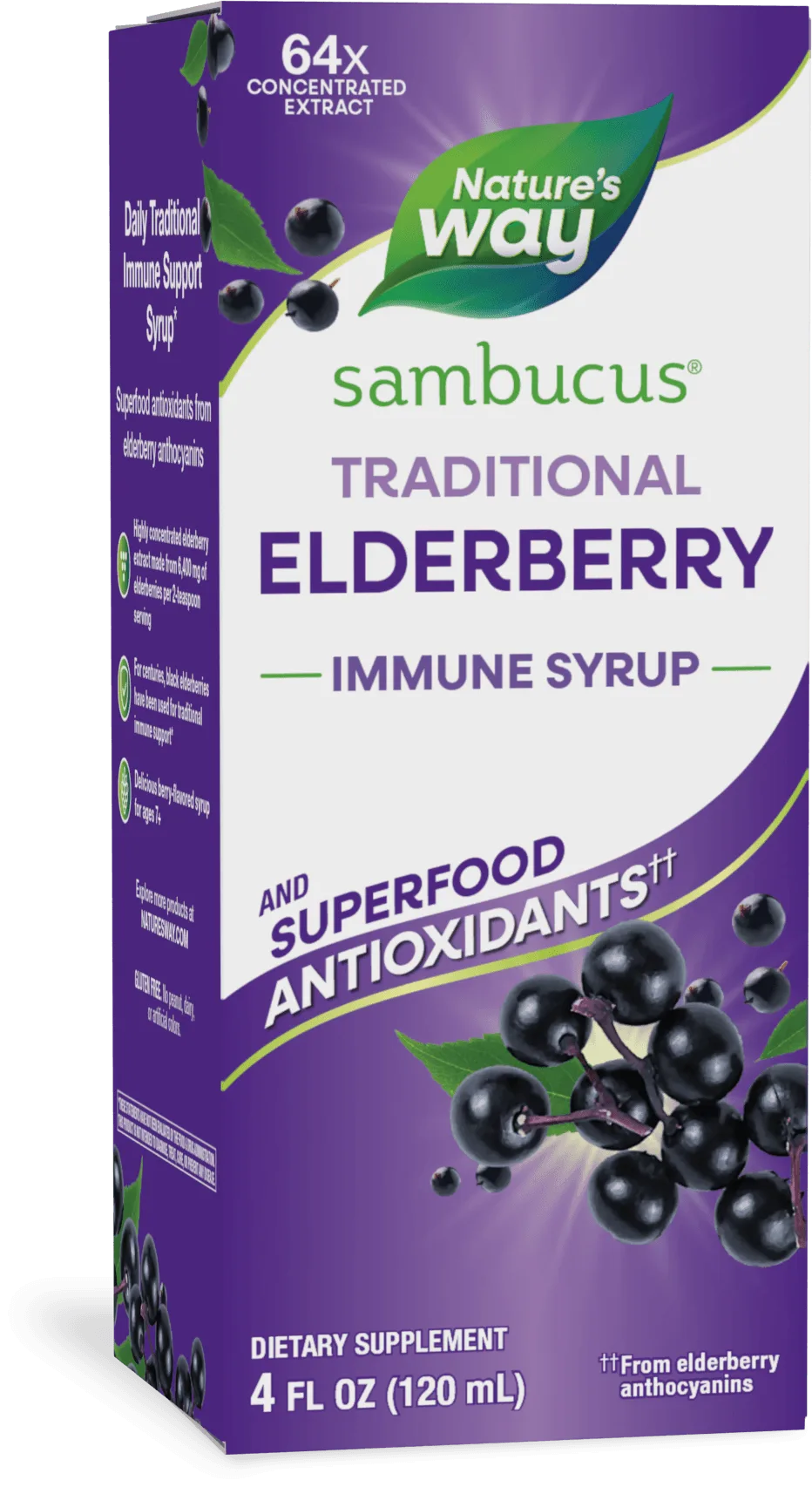
This guide compares herbal teas and herbal supplements across key factors like bioavailability, convenience, dosage, and taste. We'll also explore how products like https://natureswaybx.com/products/sambucus-traditional-elderberry-immune-syrup-385193Sambucus Traditional Elderberry Immune Syrup and Turmeric fit into each approach, so you can make an informed decision.
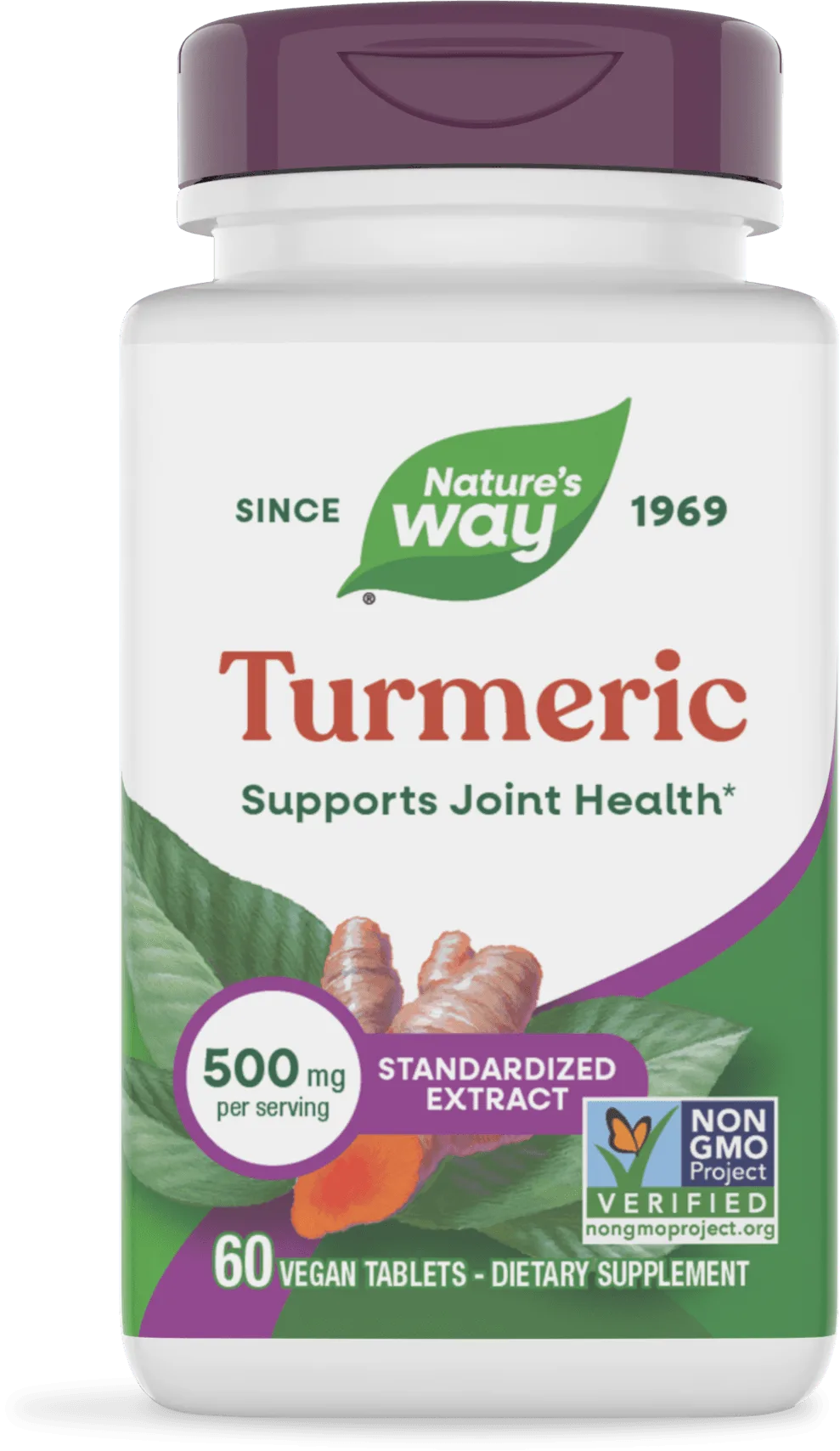
Turmeric
Herbal Tea Benefits: Gentle and Hydrating
Herbal teas, also known as tisanes, are made by steeping dried herbs, flowers, or roots in hot water. This gentle extraction method pulls out water-soluble compounds, such as flavonoids and certain vitamins, creating a mild, hydrating beverage. Herbal tea benefits include promoting relaxation, aiding digestion, and providing a comforting ritual that encourages mindfulness.
Because teas are consumed as a liquid, they are easy to incorporate into your daily routine. You can enjoy them hot or cold, and the warm temperature can be soothing for sore throats or stress. However, the concentration of active compounds in tea is typically lower than in supplements, so you may need to drink several cups to achieve a therapeutic effect.
- Hydrating and calorie-free (when unsweetened)
- Gentle on the stomach and suitable for daily use
- Provides a calming ritual that supports mental well-being
Herbal Supplement Benefits: Potent and Convenient
Herbal supplements, available as capsules, tablets, tinctures, or syrups, offer a concentrated dose of plant compounds. They are standardized to ensure consistent potency, making it easier to know exactly how much of an active ingredient you are getting. Herbal supplement benefits include targeted support for specific health concerns, such as immune function, joint health, or blood sugar balance.
Supplements are also highly convenient for busy lifestyles. You can take them with a glass of water in seconds, without needing to brew or wait. This makes it simpler to maintain a consistent regimen, which is often key to seeing results. For example, a Turmeric supplement provides a concentrated dose of curcumin, which may be more practical than drinking turmeric tea daily.
- Concentrated and standardized for consistent dosing
- Quick and easy to take on the go
- Ideal for targeting specific health concerns
Herbal Tea Bioavailability vs Herbal Supplement Absorption
Bioavailability refers to how much of a substance your body can absorb and use. Herbal tea bioavailability can be surprisingly good because the hot water extraction releases compounds in a form that is easy for the body to absorb. However, the total amount of active ingredients in a cup of tea is relatively low, so you might need to drink several cups to match the dose in a supplement.
On the other hand, herbal supplement absorption can be enhanced through formulation. For instance, some supplements include black pepper extract (piperine) to improve curcumin absorption, or they use liposomal delivery for better uptake. This means a single capsule may deliver a higher amount of active compounds to your bloodstream than several cups of tea. Yet, some people find that supplements are too concentrated and may cause digestive upset, whereas tea is gentler.
- Tea: lower dose but gentle and hydrating
- Supplements: higher dose with potential for enhanced absorption
- Consider your sensitivity and desired intensity
Herbal Tea vs Capsule: Taste and Experience
One of the most obvious differences between herbal tea vs capsule is the sensory experience. Tea engages your senses with aroma, warmth, and flavor, making it a pleasurable ritual. Many people find that the act of brewing and sipping tea helps them slow down and de-stress, which is a benefit in itself. Capsules, in contrast, are tasteless and odorless, offering pure convenience without the ceremony.
However, not everyone enjoys the taste of certain herbs. If you find a particular herb bitter or unpalatable, a capsule might be a better option. For example, elderberry syrup is delicious, but some people prefer the convenience of Sambucus Elderberry Immune Lozenge for on-the-go support. Ultimately, the choice depends on whether you value the experience or the convenience.
- Tea: flavorful, aromatic, and calming
- Capsules: tasteless and portable
- Consider your taste preferences and lifestyle
How to Choose: Which Is Better for Your Goals?
When deciding between herbal teas and supplements, consider your health goals and daily routine. If you are looking for gentle, everyday support and enjoy the ritual of brewing tea, herbal teas are a wonderful choice. They are particularly good for hydration, relaxation, and supporting digestion. On the other hand, if you need a more potent, targeted effect or have a busy schedule, supplements are often more practical.
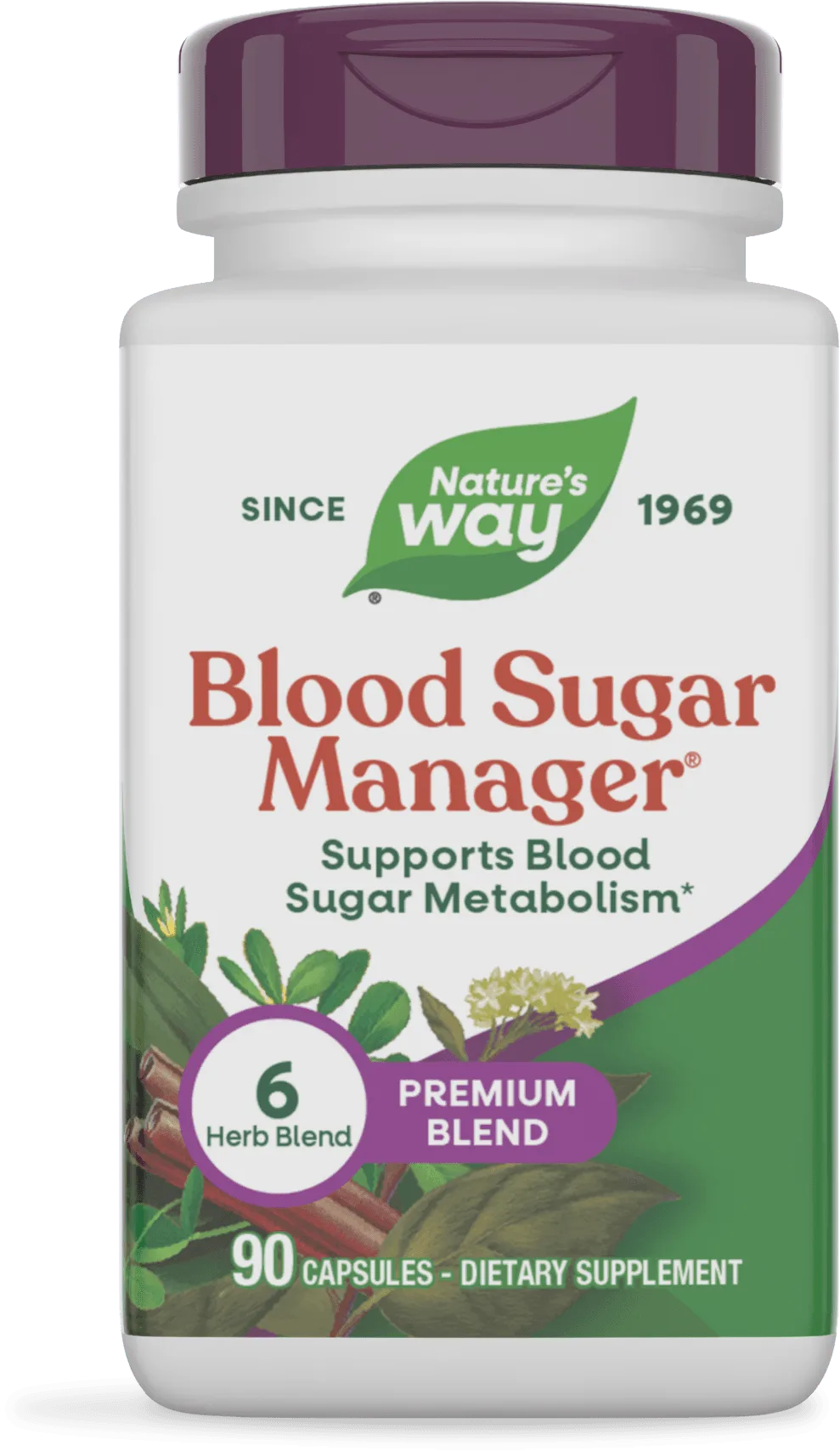
You can also combine both approaches. For instance, start your day with a cup of herbal tea for hydration and use a supplement like Blood Sugar Manager to support metabolic health after meals. Or use a soothing tea in the evening and a supplement like K2 + D3 for bone health. Listen to your body and choose what feels sustainable for you.
- For daily wellness and relaxation, choose tea
- For targeted support and convenience, choose supplements
- Combining both can offer the best of both worlds
Both herbal teas and herbal supplements have their place in a natural wellness routine. Teas offer a gentle, hydrating experience, while supplements provide potent, convenient doses. Consider your goals, taste preferences, and lifestyle to decide which is right for you—or enjoy both for a balanced approach. Explore our range of herbal supplements to find the perfect addition to your daily ritual.