Quick Answer
Store dried herbs and spices in airtight containers away from heat, light, and moisture. Use fresh herbs quickly or preserve them by drying or freezing. Check potency by smell and color, and replace ground spices every 6-12 months for best flavor.
Herbs and spices are the heart of flavorful cooking, but they don't last forever. Whether you're a seasoned cook or just starting, knowing how to store and use them can save money and elevate your meals. In this guide, you'll learn practical steps to keep your herbs and spices fresh, potent, and ready to use.
From dried oregano to fresh eucalyptus for your shower, proper storage and usage are key. We'll cover everything from container choices to shelf life, so you can get the most out of every jar and bunch.
eucalyptus
Why Proper Storage Matters
Herbs and spices lose their flavor and aroma over time due to exposure to air, light, heat, and moisture. Oxidation and evaporation of essential oils are the main culprits. Storing them correctly slows these processes, keeping your seasonings potent for longer.
Whole spices like cinnamon sticks and cumin seeds retain their flavor longer than ground ones because they have less surface area exposed to the elements. Understanding this helps you decide what to buy and how to store it.
- Keep herbs and spices away from the stove, oven, and dishwasher to avoid heat and humidity.
- Use dark, airtight containers to block light and air.
- Label containers with the purchase date to track freshness.
Storing Dried Herbs and Spices
Dried herbs and spices should be kept in a cool, dark, and dry place, like a pantry or a cabinet away from the stove. Avoid storing them above the counter near the sink or in a spice rack that gets direct sunlight.
Airtight glass jars with tight-fitting lids are ideal. They prevent moisture from getting in and keep air out. If you buy in bulk, transfer the spices to these containers and store the rest in a cool, dark spot.
Check your dried herbs and spices periodically. If they lose their vibrant color or smell weak, it's time to replace them. Ground spices generally last 6-12 months, while whole spices can last up to 2-3 years.
- Invest in small jars to match your usage; avoid opening large containers frequently.
- Use a dry spoon to scoop out spices to prevent moisture from clumping.
- Consider storing whole spices and grinding them as needed for maximum flavor.
Storing Fresh Herbs
Fresh herbs like parsley, cilantro, and basil have different needs. Hardy herbs like rosemary and thyme can be wrapped in a damp paper towel and stored in a plastic bag in the fridge. Tender herbs like basil are best kept at room temperature with their stems in water, like a bouquet.

rosemary
For longer storage, you can freeze fresh herbs. Chop them, place in ice cube trays with a little water or oil, and freeze. These cubes can be added directly to soups and stews for a burst of flavor.
Another option is to dry herbs at home. Hang bunches upside down in a dry, well-ventilated area out of direct sunlight. Once fully dried, crumble and store in an airtight container.
- Don't wash fresh herbs until just before use to prevent mold.
- Trim the stems of leafy herbs and change water every couple of days if storing at room temperature.
- Freeze herbs in oil to preserve their flavor and make them easy to use.
Using Herbs and Spices in Cooking
To get the most flavor from your herbs and spices, add them at the right time. Whole spices benefit from being toasted in a dry pan or oil to release their oils. Ground spices are often added early in cooking to meld flavors, while delicate fresh herbs are better added at the end to preserve their aroma.
A common mistake is adding too much or too little. Start with a small amount and taste as you go. Remember that dried herbs are more concentrated than fresh, so use about one-third the amount when substituting.
Pair herbs and spices thoughtfully. For example, raspberry leaf tea has a mild, smooth flavor that pairs well with honey and lemon, while neem leaf is bitter and often used in small amounts for its potential health benefits.
- Toast whole spices in a dry pan over medium heat for a few minutes until fragrant.
- Add ground spices at the beginning of cooking for deeper flavor, or at the end for a brighter note.
- Use fresh herbs like basil and cilantro as garnishes to add color and freshness.
Steps to Master Herb and Spice Storage
- Assess your current herbs and spices: Go through your pantry and check for any that have lost color or smell weak. Toss anything that's past its prime to make room for fresh stock. Checkpoint: If it smells like nothing, it will add nothing.
- Choose the right containers: Transfer dried herbs and spices to airtight glass jars with tight lids. Label each with the name and date of purchase. Keep them in a cool, dark cabinet away from heat and moisture. Mistake to avoid: Don't use plastic bags or containers that aren't airtight; they let air and moisture in.
- Store fresh herbs appropriately: For hardy herbs like rosemary, wrap in a damp paper towel and refrigerate. For tender herbs like basil, place stems in a glass of water at room temperature. Use within a week. Checkpoint: If leaves are wilting or slimy, they're past their prime.
- Consider freezing or drying extras: If you have too many fresh herbs, chop and freeze them in ice cube trays with water or oil. Or dry them by hanging in a well-ventilated area. Mistake to avoid: Don't dry herbs in direct sunlight; it degrades their color and flavor.
- Use a rotation system: When you buy new herbs or spices, place them behind older ones. This ensures you use the oldest first and prevents waste. Checkpoint: This simple habit can save you money and reduce waste.
Herbs and Spices from Tha Alkaline Hour
- Raspberry Leaf: Raspberry leaf is a classic herbal favorite with a long history of traditional use. Known for its smooth, mild flavor, it’s commonly enjoyed as a tea and appreciated across many herbal practices. If you enjoy herbal teas, raspberry leaf is a gentle option. Store it in an airtight container away from light and moisture to keep its mild flavor for up to a year.
- Neem Leaf: Discover the powerful benefits of Neem, known as the "Village Pharmacy" in its native India. This versatile herb has been used for millennia in Ayurvedic practices for its potential to support overall health. Contains azadirachtin, a compound known for its potent properties. Traditionally used for skin health and as a natural pesticide. Neem leaf has a strong, bitter taste, so use it sparingly. Store it properly to maintain its potency, and consider using it in teas or as a skin rinse.
- Gold Sea Moss Gel: Our Gold Sea Moss Gel — made from wildcrafted Chondrus crispus harvested from clean Atlantic waters and blended fresh in small batches at our Dallas facility. Gold Sea Moss has been a wellness staple in Caribbean and Irish coastal communities for centuries, prized as one of the most mineral-dense superfoods ever documented with 92 naturally occurring minerals including iodine, iron, calcium, magnesium, and dozens more. Sea moss gel is a fresh product, not a dried herb. Keep it refrigerated and use it within a few weeks or freeze it in portions to extend its shelf life, preserving those valuable minerals.
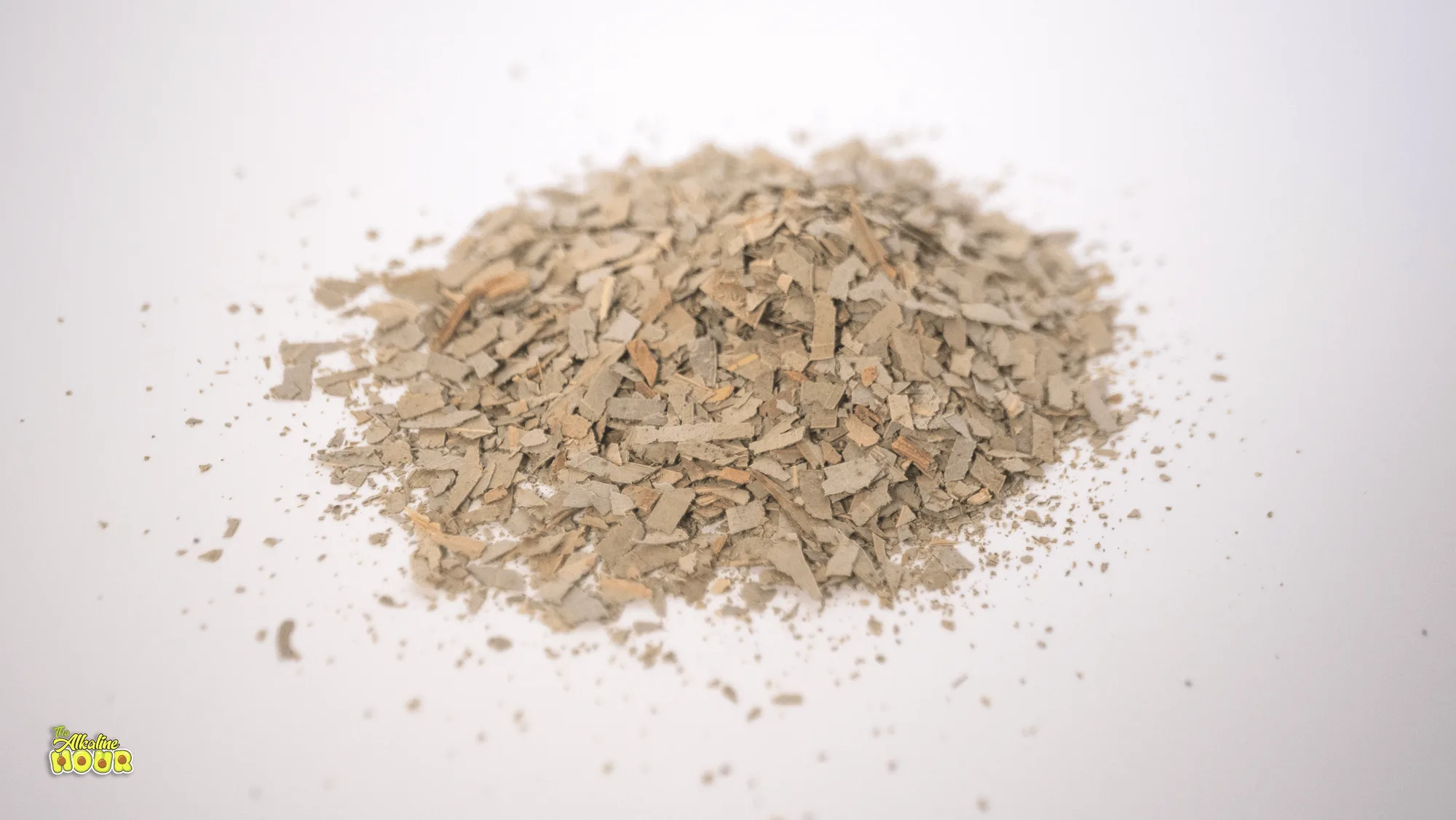
- Eucalyptus Plants for Shower: Transform your shower into a spa with fresh Eucalyptus — one of the simplest and most effective aromatherapy upgrades you can make to your daily routine. When fresh Eucalyptus is hung in a shower and exposed to steam and heat, it releases its powerfully aromatic essential oils into the air, creating a natural steam inhalation experience that has been used in traditional wellness practices worldwide for centuries. Fresh eucalyptus is used for its aroma, not for eating. Hang it in the shower and replace it when the scent fades, usually after a few weeks, to get the full benefit.
With these storage and usage tips, you'll keep your herbs and spices fresh and flavorful for longer. Remember to store them properly, use them wisely, and replace them when they lose their potency. For high-quality herbs and wellness products, check out Tha Alkaline Hour's selection to stock your pantry with the best.