Quick answer
Choose Hexatex 420D when you need a stiff, structured lining that holds bag shape. Choose adhesive ripstop 420D when you want a lightweight, water-resistant lining with a slick finish that adds minimal bulk. Your choice depends on whether you prioritize structure or packability.
Material differences at a glance
Hexatex 420D and adhesive ripstop 420D are both 420-denier fabrics, but they serve different lining roles. Hexatex is a stiff, woven polyester-nylon blend designed to add structure and hold a bag's shape. The adhesive ripstop 420D is a thin, water-resistant nylon with a slick face, often used as a lining or exterior for lightweight outdoor gear. The key difference is stiffness versus flexibility, and water resistance versus breathability.
Neither fabric is inherently better — each suits a different bag style. If you are making a structured tote or a wallet with defined pockets, Hexatex gives you the rigidity to keep edges crisp. For a packable daypack or a rain-resistant pouch, the adhesive ripstop's water-resistant coating and low bulk are clear advantages.
How weight and feel affect your project
Hexatex 420D has a heavier hand and a matte finish that resists slipping, making it easier to sew precise seams without shifting. The adhesive ripstop 420D is noticeably thinner and slicker, which can be a challenge when feeding through a machine — but that same slickness reduces friction inside a finished bag, so items slide in and out easily.
If you are lining a bag that will carry heavy loads (books, tools), Hexatex's stiffness helps distribute weight and prevents sagging. For a small crossbody or a foldable tote, the ripstop's lightweight nature keeps the final product packable and comfortable to carry.
Water resistance and durability tradeoffs
The adhesive ripstop 420D is described as water-resistant, which makes it a strong candidate for outdoor bags, wet-weather gear, or linings that may encounter spills. Hexatex does not carry a water-resistant claim, so it is better suited for interior use where moisture exposure is minimal.
Both fabrics are durable at 420 denier, but the ripstop's grid weave pattern resists tearing — a classic advantage for high-stress areas like bag corners. Hexatex's denser weave offers good abrasion resistance but can be less forgiving if snagged.
Hexatex vs Ripstop: Tradeoffs at a glance
- Stiffness vs flexibility: Hexatex holds shape; ripstop folds flat. Choose Hexatex for structured totes and wallets. Choose ripstop for packable bags and pouches. Match stiffness to bag style.
- Water resistance vs breathability: Ripstop is water-resistant; Hexatex is not. Use ripstop for outdoor or damp-condition bags. Use Hexatex for interior linings where moisture is not a concern. Consider the bag's environment.
- Sewing ease vs final feel: Hexatex resists shifting under the needle. Ripstop's slick surface can be tricky to feed but creates a low-friction interior. Practice on scraps if using ripstop.
Product facts
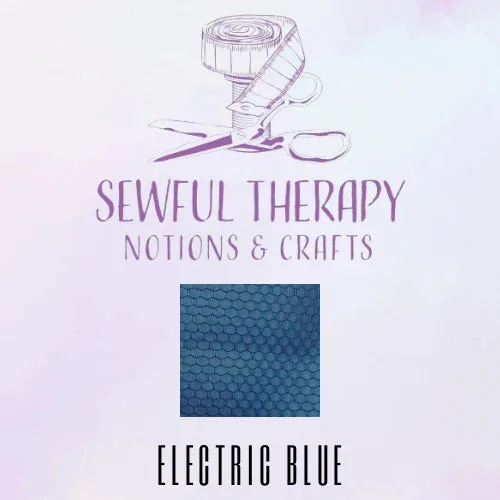
- Adhesive Hex Polyester Ripstop 420D (HALF Yard) Electric Blue: Adhesive Hex Polyester Ripstop 420D (HALF Yard) Electric Blue — a durable, ultrathin material with a sleek, slick finish. Water-resistant nylon ripstop, ideal for lining or exterior on outdoor projects. The water-resistant coating and slick finish make this ripstop a practical choice for bag linings that need to repel moisture and reduce friction when accessing contents.
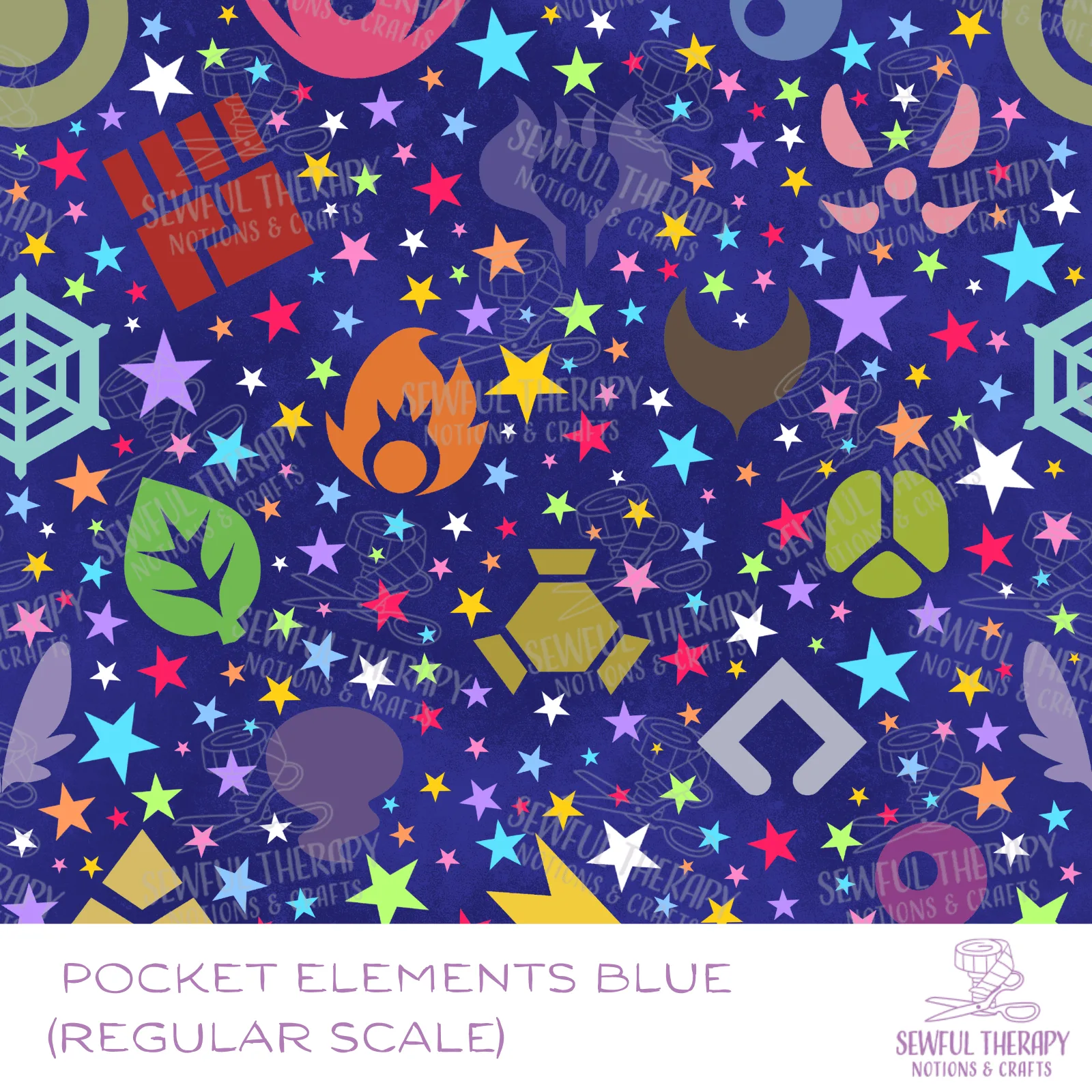
- Pocket Element Blue Hexatex (YD): Pocket Element Blue Hexatex (YD) — a poly-nylon base fabric sold by the yard. Regular scale 2"–2.5"; large scale 3.5"–4". Hexatex's stiff poly-nylon blend provides structure for pockets and panels, helping bags maintain their shape. The regular and large scale options let you match the fabric's visual scale to your bag design.
Which lining fabric fits your bag?
Best for
- Structured bags that need to hold shape (totes, wallets, organizer inserts)
- Projects where water resistance is a priority (outdoor gear, rain pouches, gym bags)
Not for
- Ultra-light packable bags where every gram matters (choose ripstop instead)
- Bags that require a stiff, non-slip lining for precise pocket placement (choose Hexatex instead)