What hibiscus loose leaf tea brings to the cup
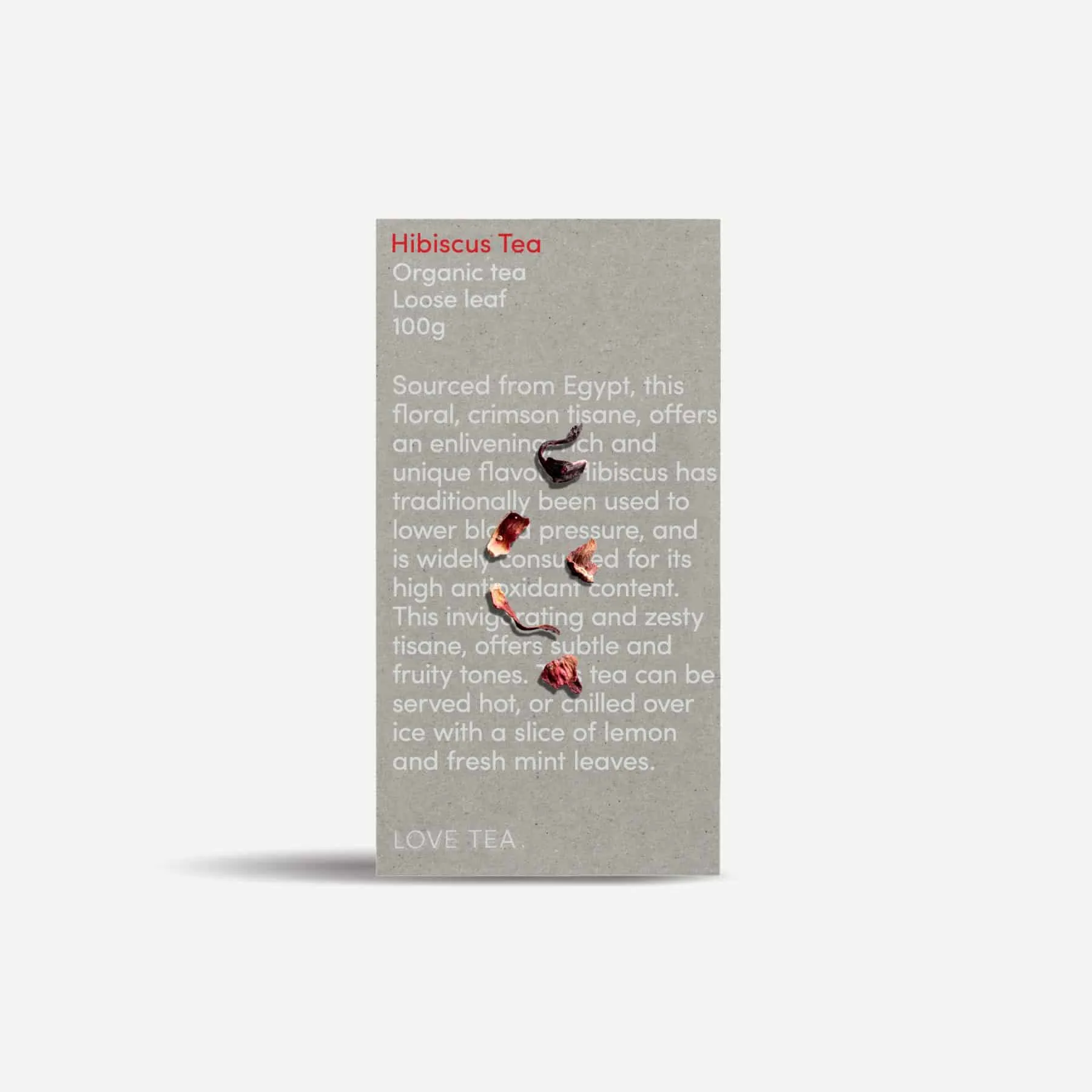
Hibiscus Loose Leaf Tea from Love Tea is a caffeine-free tisane sourced from Egypt. The product record describes it as a floral, crimson tisane with an enlivening, rich and unique flavour, subtle fruity tones and a zesty character. That combination makes it a good fit for anyone looking for a tart herbal tea that works both hot and chilled.
Because it is a tisane rather than a true tea, you are not managing the bitterness that comes with over-steeped black or green tea in the same way. Instead, the goal is to pull out the colour, fruitiness and zest without letting the cup turn muddy. The record does not supply a specific water temperature or steep time, so the guidance below focuses on a repeatable method you can adjust to your own taste.
The product at a glance
-
Hibiscus Loose Leaf Tea: Hibiscus Loose Leaf Tea is sourced from Egypt and described as a floral, crimson tisane with an enlivening, rich and unique flavour. Knowing the origin and character helps you set expectations for a bright, tart cup rather than a mild grassy one.
Hibiscus Loose Leaf Tea
-
Hibiscus Loose Leaf Tea: The tisane is caffeine free and can be served hot or chilled over ice with a slice of lemon and fresh mint. This confirms it suits both a warm daily cup and a cold brew-style serve, which is useful when you are deciding how much to buy.
-
Hibiscus Loose Leaf Tea: Available in 100g Loose Leaf and 300g Loose Leaf sizes. The smaller size lets you try the flavour before committing to a larger pack, while the larger size suits a regular hot or iced tea habit.
How to brew a bright hot cup
The product record does not state a water temperature or a fixed steep time, so treat these steps as a starting point rather than a manufacturer instruction. Adjust the amount of leaf and the steeping time to suit your taste.
- Measure the leaf: Add a spoonful of loose hibiscus to your infuser or teapot. Start with a modest amount and increase it if you want a stronger, more tart cup.
- Add hot water: Pour hot water over the leaf. The record does not specify a temperature, so use water that is hot but not aggressively boiling if you want to preserve the fruity top notes.
- Steep and taste: Begin tasting after a short steep and stop when the colour is deep crimson and the flavour is bright rather than dull. Because no steep time is supplied, let your taste decide when to strain.
- Finish with lemon and mint: The record suggests serving with a slice of lemon and fresh mint. Add them after straining so the aromatics stay fresh.
Making iced hibiscus tea without losing the zest
The product record explicitly supports serving this tisane chilled over ice. A practical way to do that is to brew a slightly stronger concentrate, strain it, and let it cool before pouring over ice. This avoids diluting the flavour as the ice melts.
If you prefer to brew straight over ice, use less water in the initial steep so the melting ice does not wash out the fruity tones. A slice of lemon and fresh mint work just as well in the chilled version, and the caffeine-free nature means it can be an evening drink too.
Choosing between 100g and 300g
The 100g Loose Leaf pack is a sensible starting point if you are new to hibiscus or want to test how you like it hot versus iced. The 300g Loose Leaf pack suits a household that already drinks tart herbal tea regularly, or someone planning to keep a jug of iced hibiscus in the fridge.
Storage guidance is not included in the supplied product record, so follow general good practice for loose leaf tea: keep it in a sealed container away from light, heat and strong odours. The record does not confirm a shelf life, so use your senses and the pack information when deciding how long to keep it.
Checkpoints for a better cup
- Taste as you steep: Without a stated steep time, tasting is the most reliable checkpoint. Stop when the flavour is vivid and not flat.
- Adjust leaf quantity before steeping longer: If the cup tastes weak, add more leaf rather than leaving it to steep indefinitely, which can make the brew dull.
- Keep the lemon and mint for serving: The record recommends them as a serve, not as a brewing ingredient, so add them after straining.
- Try it both ways before buying a large pack: Hot and iced versions can taste quite different. The 100g pack lets you decide which you prefer before moving to 300g.