Quick answer
Move your toddler from a high chair to a booster seat when they can sit upright without slumping, climb in with help, and show they want to feed themselves—usually between 18 and 24 months. Do not rush the switch just because your child is tall; a booster only works safely if the chair and table fit your child and the seat is installed correctly.
Readiness signs that matter more than age
Age is a rough guide, not a rule. The toddler booster seat age range is wide because children develop at different rates. Look for three practical signs: your child can sit with a straight back for a whole meal, they can bring a spoon to their mouth with some accuracy, and they stay interested in the family table rather than trying to climb out of the high chair. If they still need head and neck support or slide forward in the seat, keep the high chair a little longer.
A common mistake is switching because your child looks cramped. Check the high chair’s footrest and tray height first; a poor fit often looks like restlessness. If the chair has a booster mode, you can test the smaller setup without buying anything new.
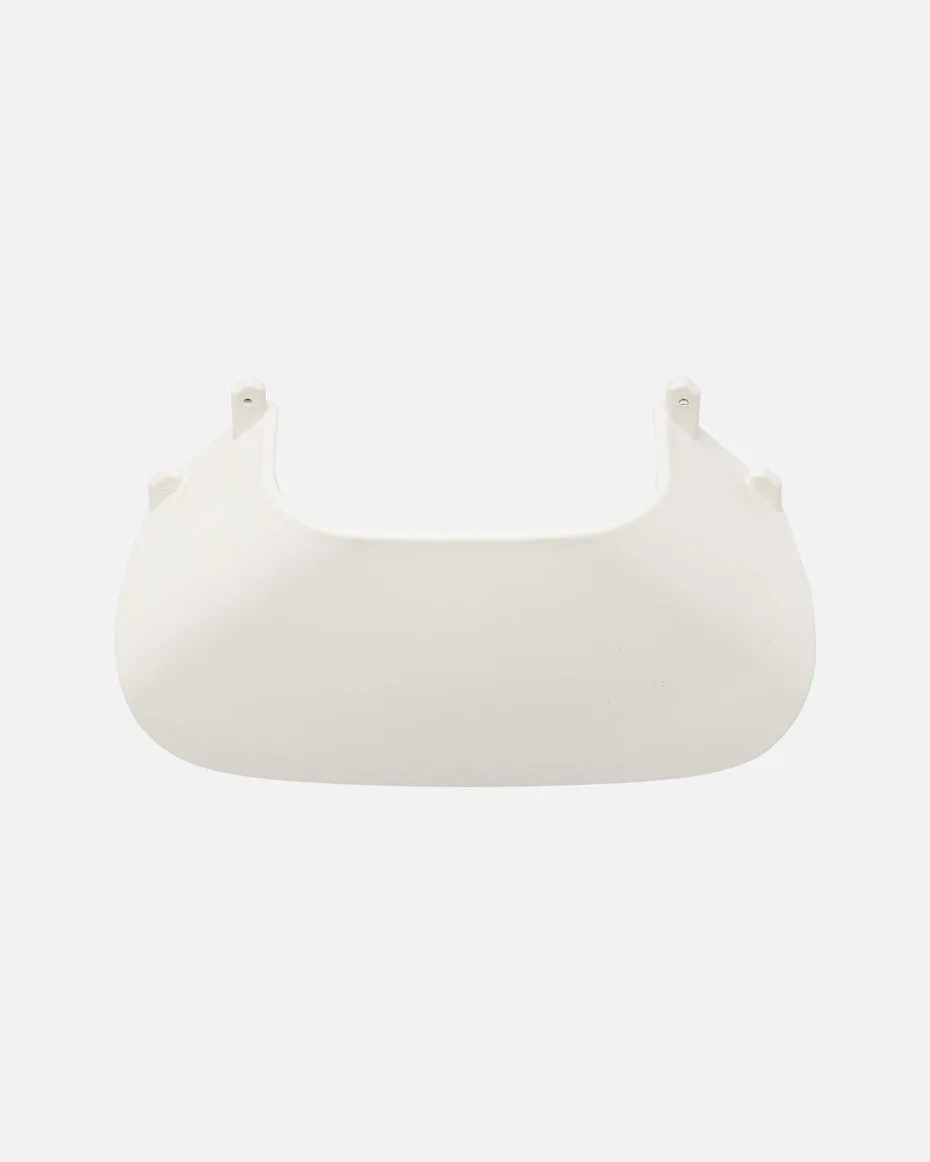
footrest
Check the chair and table fit before you switch
A booster seat raises your child to the table, so the table edge should sit around mid-chest, not at the throat. Your child’s knees should bend at the edge of the chair, with feet supported—dangling feet make it hard to sit still. If the table is too high or the chair seat too deep, a booster can make mealtime less comfortable, not more.
Measure the seat depth and table height at home. If the fit is borderline, a booster with an adjustable or compact base gives you more room to adjust. Also check that the dining chair is stable and that the booster’s straps can attach securely without slipping.
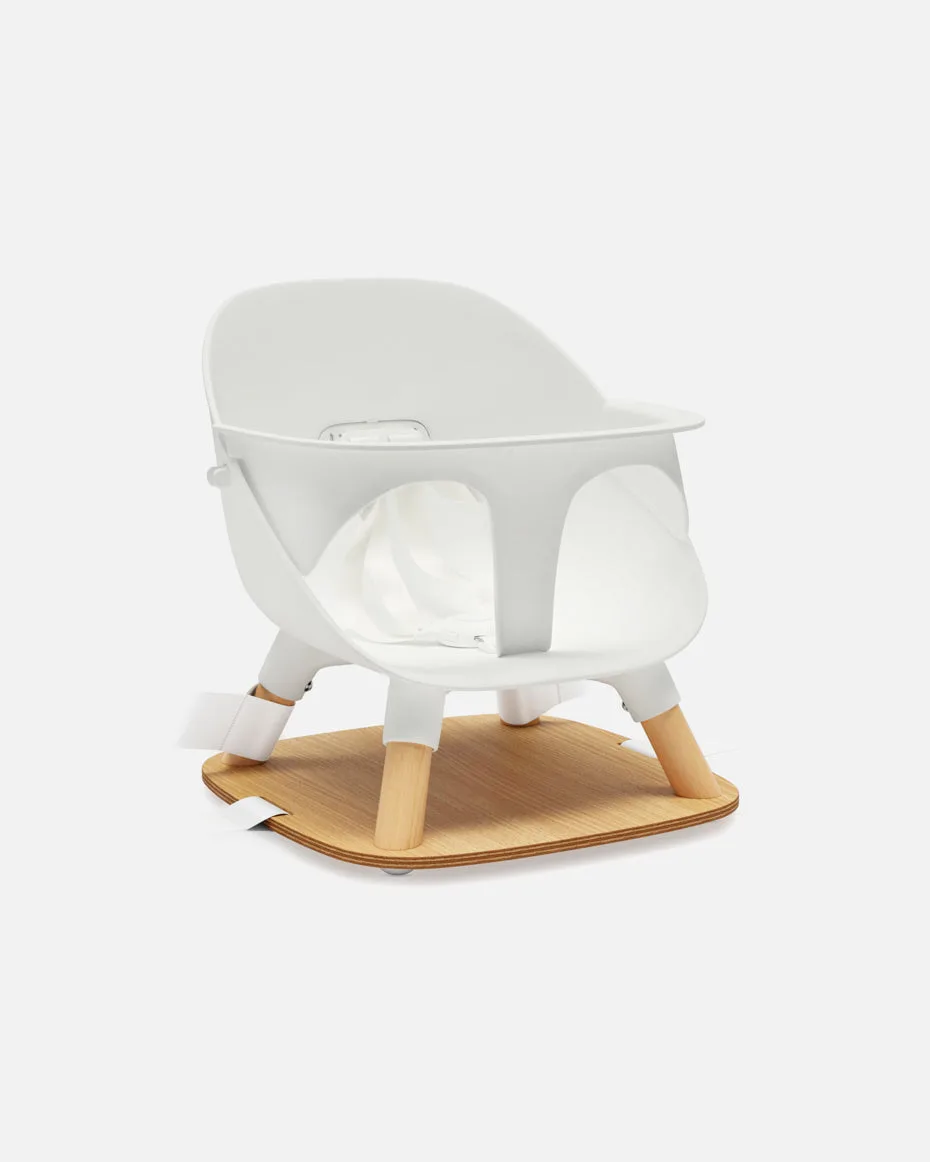
the booster
Set up the booster safely
Follow the booster’s instructions for both the chair attachment and the child harness. The seat should not move more than an inch in any direction when you push it. Use the harness every meal, even for a quick snack, and keep the chair away from tables, counters, or walls your child can push against.
Booster seat safety tips are simple but easy to skip: never place a booster on a stool or bench, never use it as a car seat, and always supervise. If your booster has a tray, remove it when you move to the table so your child can join family meals.
Step-by-step high chair transition
- 1. Do a two-week readiness check: For two weeks, note how your child sits at meals: back straight, feet supported, and able to stay seated for 15–20 minutes. Also note whether they try to climb out or push the tray away. If restlessness is the main issue, adjust the high chair footrest or tray before deciding to switch. Checkpoint: if your child still slumps or needs a tray for support, wait and recheck in a month.
- 2. Test the booster fit at your table: Place the booster on your dining chair and sit your child in it with the harness on. The table edge should be near mid-chest, and knees should bend at the chair edge. If the table is too high, try a cushion or a booster with a height adjustment; if the chair is too deep, use a firm cushion behind the back. Checkpoint: your child should be able to rest their forearms on the table without leaning forward.
- 3. Start with one meal a day: Begin with breakfast or a snack, when your child is rested and you have time to supervise closely. Keep the high chair available for backup. Use the booster’s harness every time, and remove the tray so your child eats at the table with you. Checkpoint: if your child slides forward or tries to stand, return to the high chair for a week and try again.
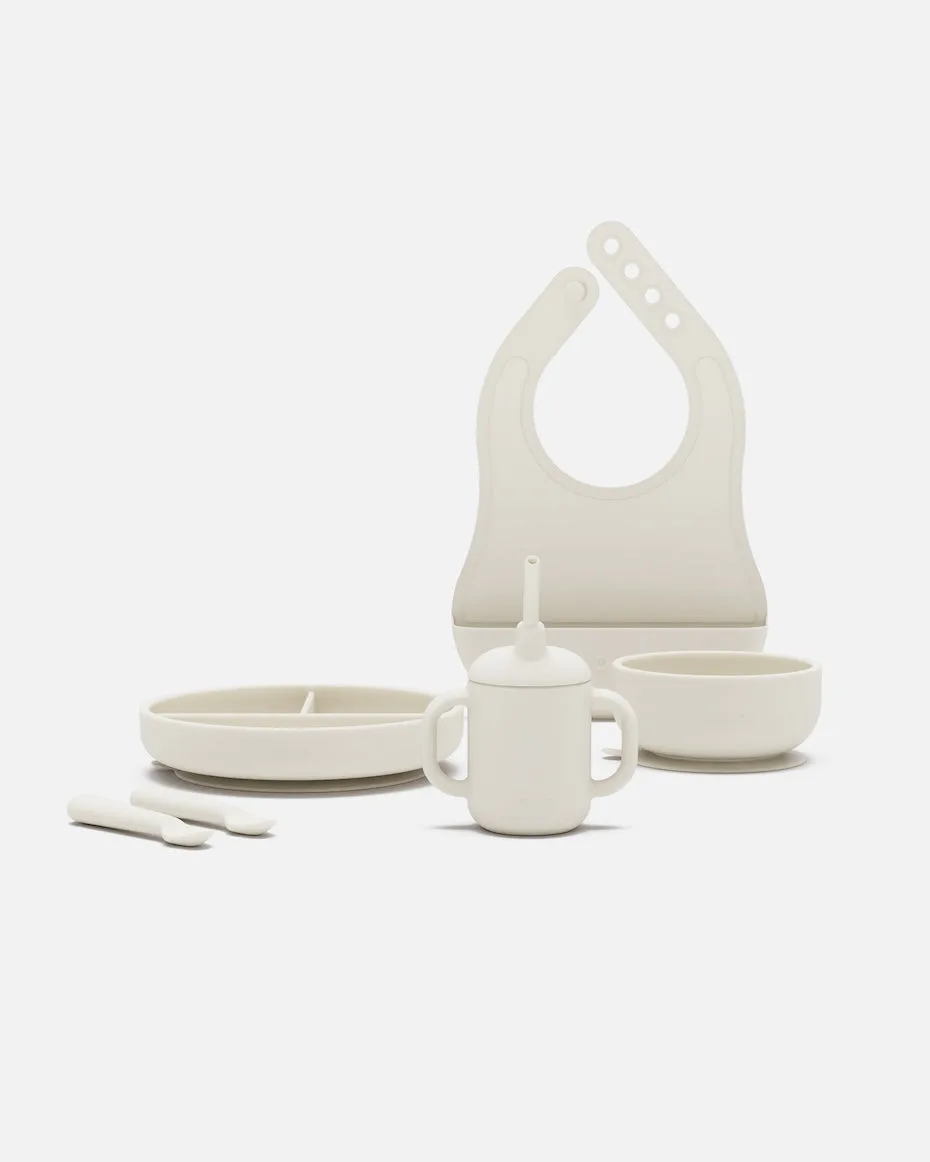
- 4. Build mealtime independence gradually: Offer a silicone plate and bib so your child can practice self-feeding without a big cleanup. Let them scoop with a spoon while you eat together. Expect spills; the goal is participation, not neatness. Checkpoint: a toddler who can bring a spoon to their mouth and sit through most of the meal is ready for full-time booster use.
- 5. Retire the high chair when the booster is routine: After two to three weeks of successful booster meals, move the high chair out of the kitchen or convert it to booster mode if it is a convertible model. Keep the harness and straps clean and check the attachment weekly for looseness. Checkpoint: the booster should not wobble when you push it; tighten or reposition if it does.
Products that support the transition
- The Chair: The Chair has a 3-in-1 design that converts from high chair to booster seat to play chair, with custom bundle options. You can start in high chair mode and switch to booster mode without buying a second seat, then reuse it as a play chair when mealtime is done.
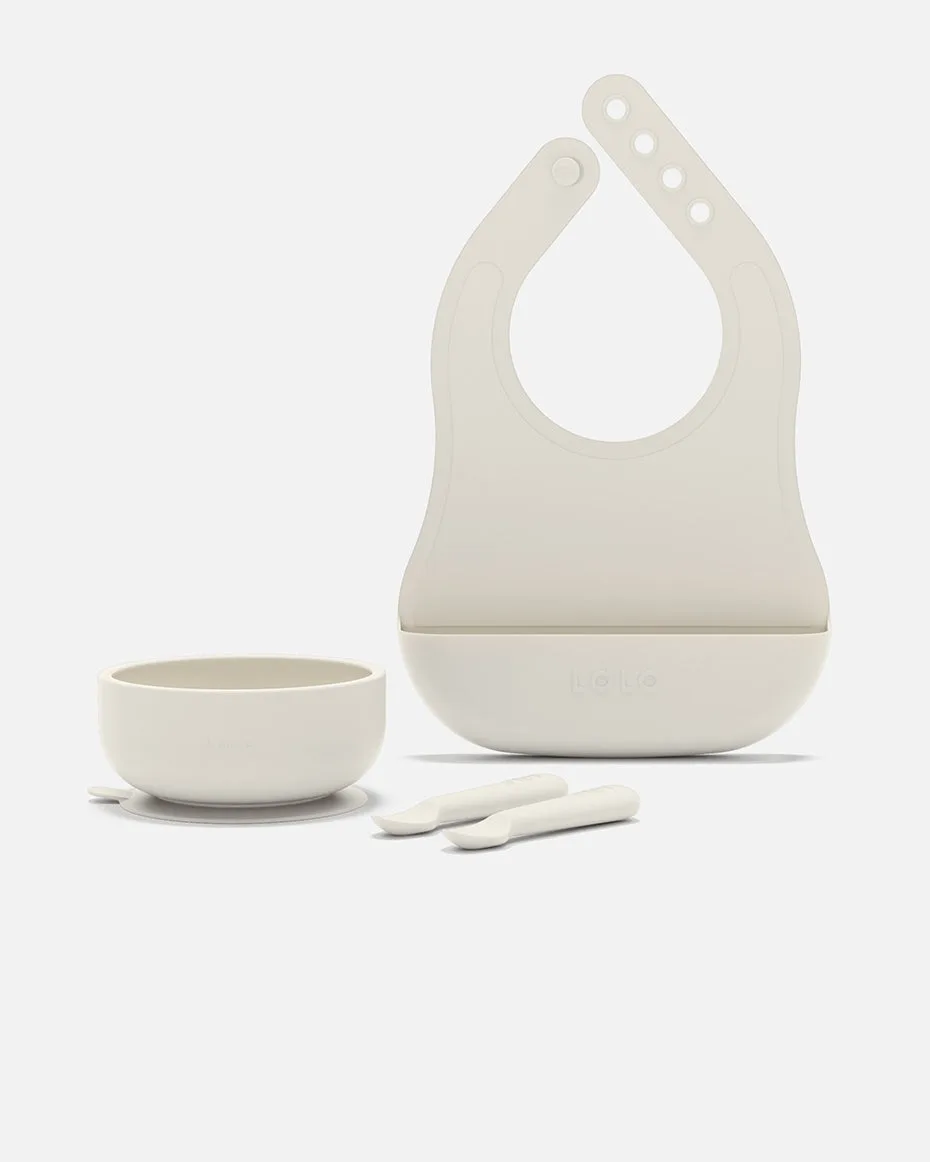
- The Bib: The Bib is made of super soft FDA-grade non-toxic silicone with an adjustable neckband and a catcher for dropped food. When your toddler starts self-feeding in a booster, the catcher keeps misses off the floor and the adjustable neck fits growing toddlers.
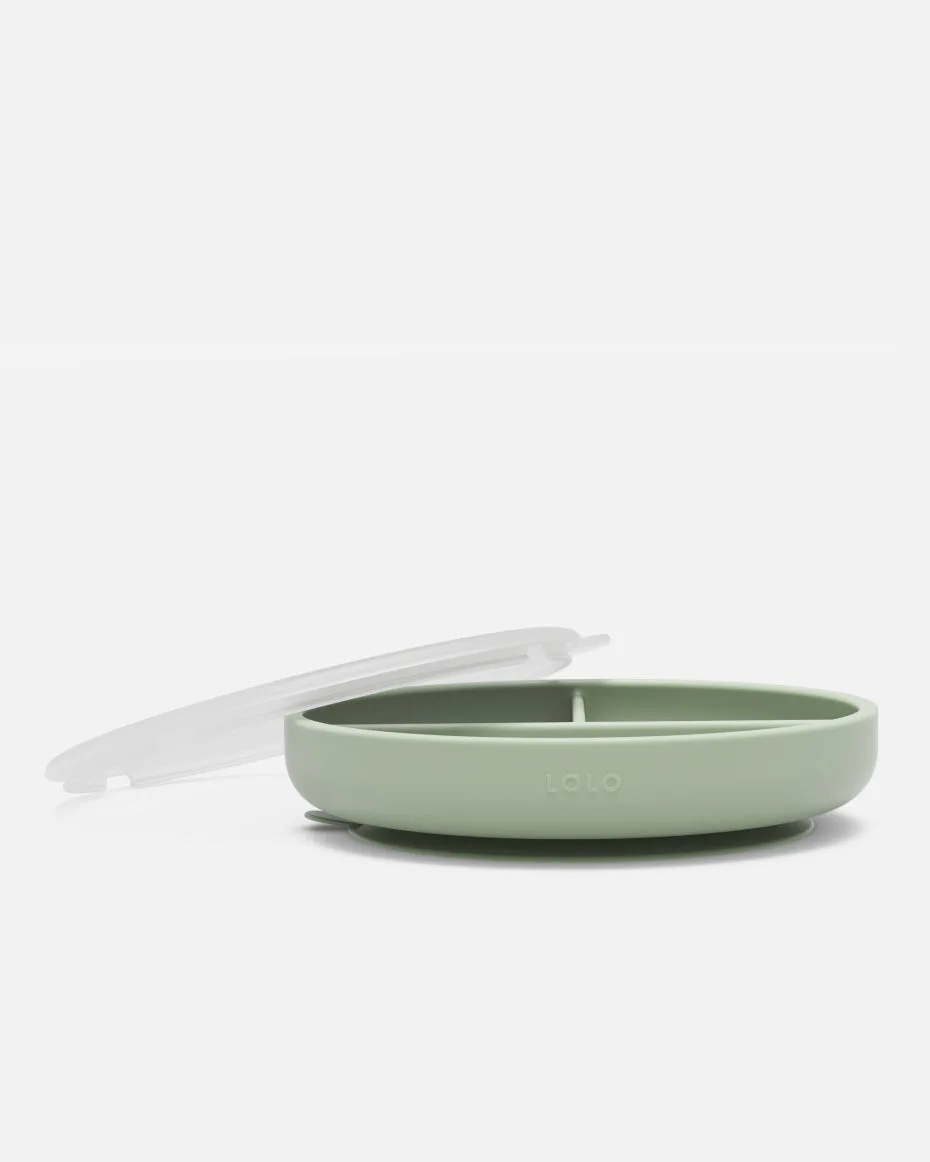
- Plate: The Plate is made of food-grade silicone and is dishwasher-safe. A familiar plate helps your toddler feel ownership of their new seat, and dishwasher-safe cleanup makes the transition less work for you.