Quick answer
You can introduce high contrast baby books from birth—newborns see best in black, white, and bold patterns until around 3–4 months. Start with simple black-and-white images, then transition to colorful high-contrast pages as their vision develops.
Why high contrast matters for newborns
Newborns have immature vision—they see only 8–12 inches clearly and prefer bold, high-contrast patterns. Black-and-white baby books stimulate their retinas and help build neural connections. Around 3 months, babies begin to distinguish more colors, so you can introduce books with bright, high-color illustrations.
When to transition to colorful books
Most babies can see a full range of colors by 4–5 months. At this stage, you can move from black-and-white baby books to books with bright, contrasting colors. Titles like Goodnight Moon work well as a calming bedtime read once your baby shows interest in color and story rhythm.
Frequently Asked Questions
When should I start showing high contrast books to my baby?
You can start from birth. Newborns prefer high-contrast black-and-white patterns because their vision is still developing. Hold the book about 8–12 inches from their face and let them gaze at the images for short periods.
How long do babies stay interested in black and white baby books?
Most babies enjoy high-contrast black-and-white books from birth to about 3–4 months. After that, they begin to see more colors and may prefer books with bright, contrasting hues. You can still use black-and-white books occasionally, but rotate in colorful baby sensory books as interest shifts. Watch for your baby's cues: if they lose focus on black-and-white pages, try a high-color book instead.
Can I use high contrast baby books for tummy time?
Yes. Prop a sturdy high contrast book upright in front of your baby during tummy time. The bold patterns encourage them to lift their head and track the images, which strengthens neck and eye muscles. Just make sure the book is chew-proof and nontoxic—like Indestructibles books.
What's the best high contrast book for a newborn gift?
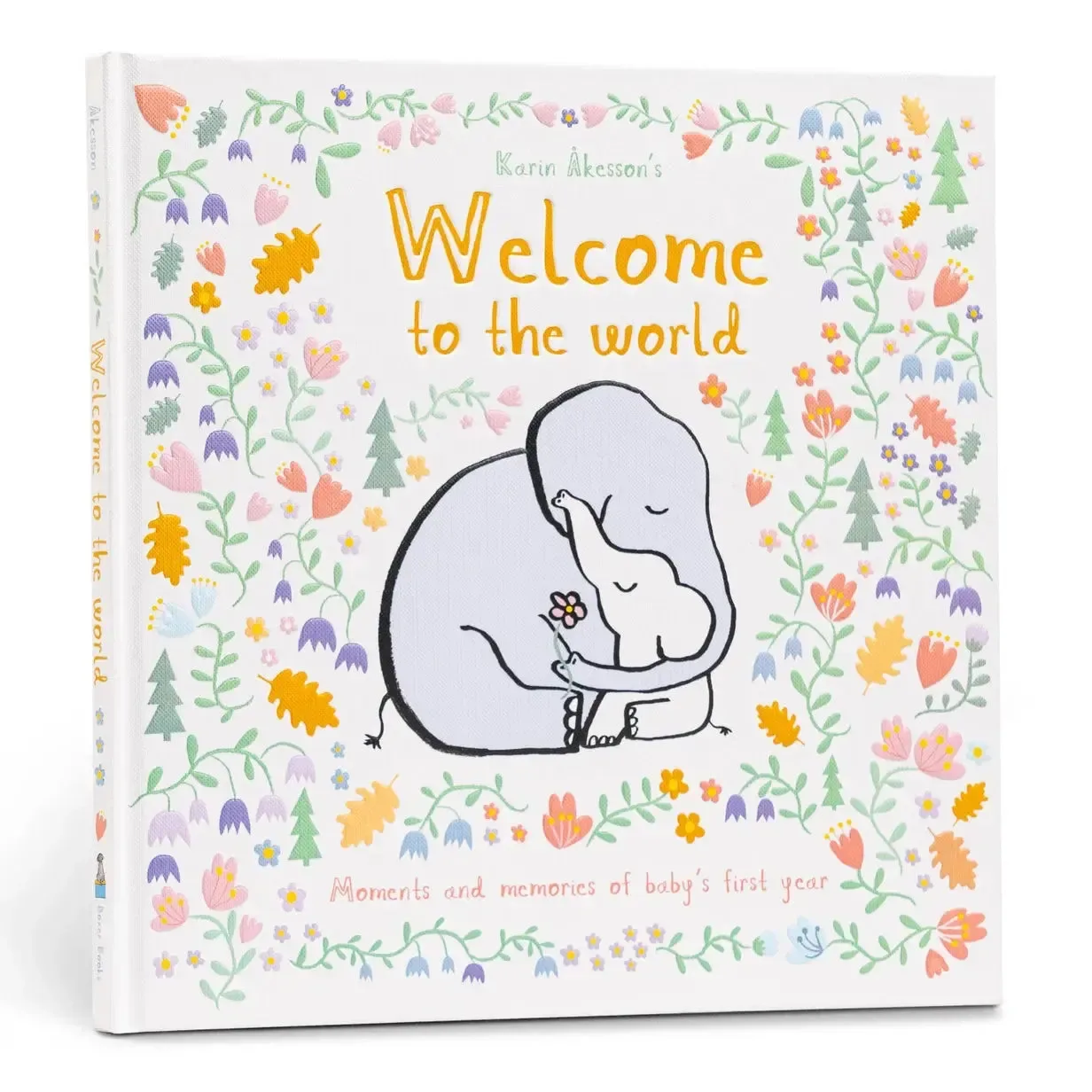
Indestructibles High Contrast: Hear the Sounds is an excellent choice. It's rip-proof, drool-proof, and printed on nontoxic paper, so it's safe for newborns who explore with their mouths. The high-contrast illustrations and sound themes also support early sensory development. Pair it with a baby first year book like Welcome to the World: Baby's First Year for a complete gift set.
Do high contrast books really help with baby's development?
Yes—they support visual development by stimulating the retina and strengthening neural pathways. They also encourage focus, tracking, and early attention skills. While every baby develops differently, regular exposure to high-contrast images in the first few months can complement natural visual maturation. Combine book time with face-to-face interaction and varied sensory experiences for balanced development.
Product facts
-
Indestructibles Books - High Contrast - Hear The Sounds: Indestructibles High Contrast: Hear the Sounds uses high-contrast, high-color illustrations suited for newborn vision and explores sounds to build early auditory awareness. This book works from birth because its bold patterns match what newborns see best, and the sound-focused pages also support listening development.
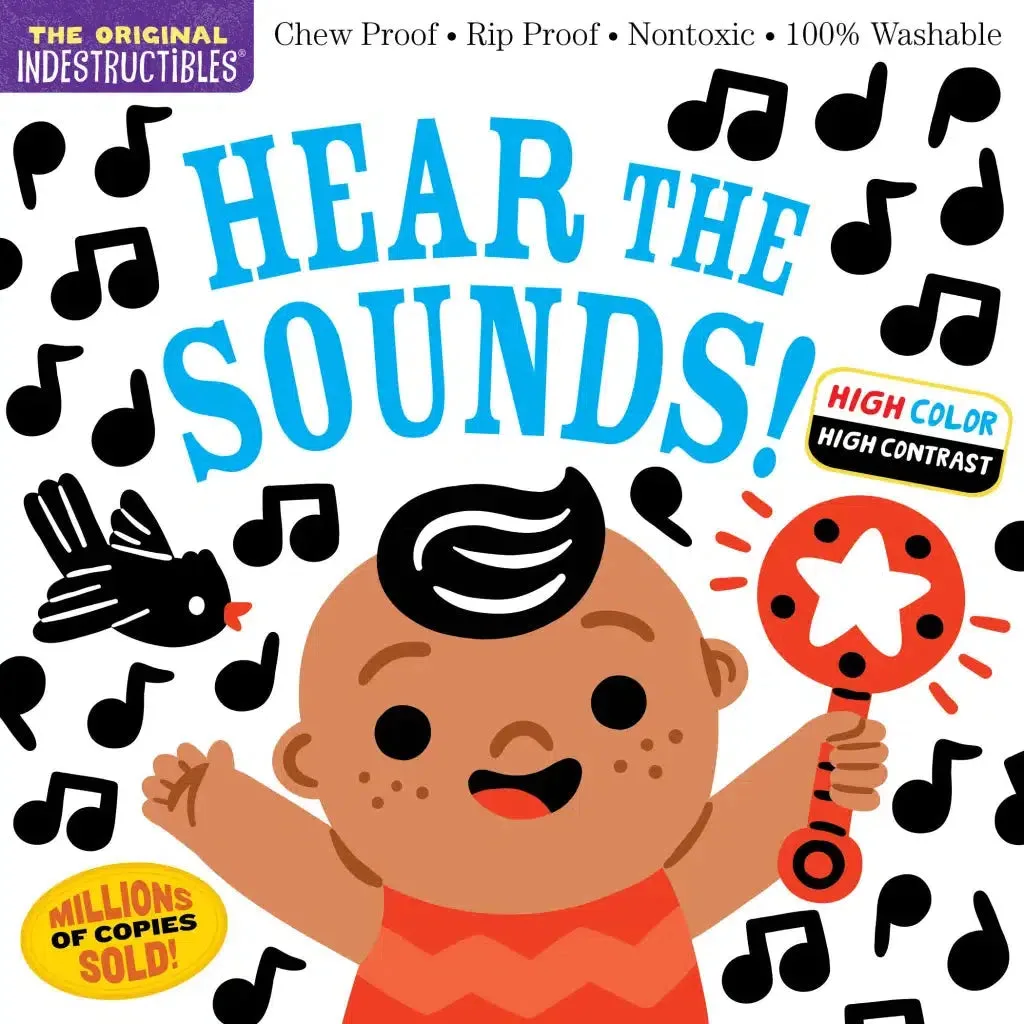
Indestructibles Books - High Contrast - Hear The Sounds
-
Goodnight Moon Board Book: Goodnight Moon Board Book features soothing rhythmic prose and warm, restored illustrations on sturdy board pages. Its gentle, repetitive text and clear illustrations make it an ideal first bedtime book once your baby starts recognizing colors and enjoys predictable routines.
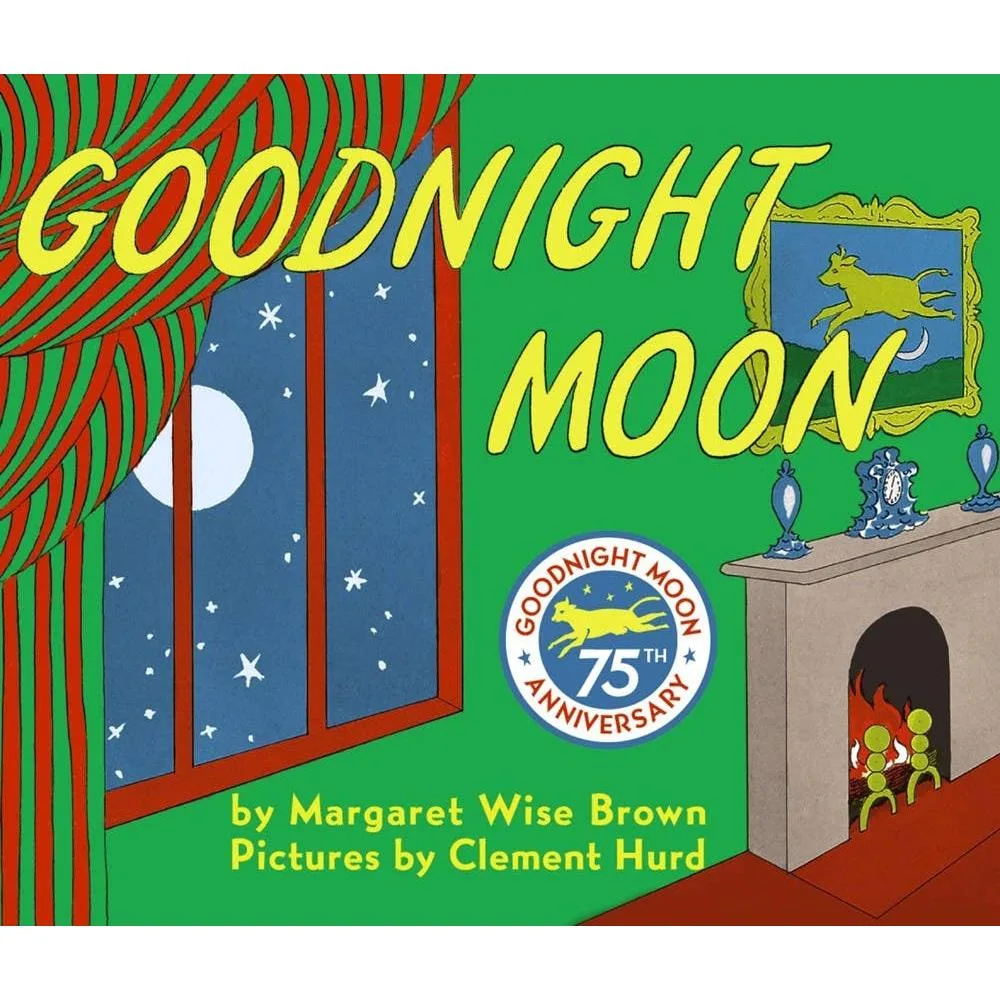
Goodnight Moon Board Book
-
Welcome to the World: Baby's First Year: Welcome to the World: Baby's First Year is a 48-page keepsake record book with guided prompts for photos and milestones. Use it alongside high contrast books to document your baby's first year—capture which books they loved at each stage and how their visual engagement changed.