Quick answer
Hiking poles help most on sustained downhill, with a heavy pack, or on loose and uneven ground, where a third and fourth contact point takes load off your knees and steadies each step. On flat, smooth, or short walks they mostly add weight and take your hands away from cameras, snacks, and scrambling. Carry them when the descent is the hard part; leave them home when the terrain is tame.
What changes when you add poles
A pole turns each arm into a support strut. Plant it slightly ahead of your foot and you spread effort across your upper body instead of loading only your legs, which is why hikers reach for poles on long descents and when carrying a full pack. The trade is real: your hands are occupied, you burn a little more energy swinging the poles, and you need somewhere to stash them when the trail turns to easy walking or a scramble. On gentle, well-groomed paths the benefit shrinks to almost nothing, so the decision is really about your route profile, not about whether poles are universally good or bad.
The downhill question
Descents are where hiking poles for downhill walking earn their place. Lowering your center of gravity and taking short, controlled steps with a pole planted below you reduces the braking load your quads and knees absorb, and it gives you a catch point if a rock rolls underfoot. If your hike is an out-and-back with a long, steep return, poles are the difference between finishing strong and hobbling the last mile. If your route is a rolling loop with short climbs, the same poles spend most of the day strapped to your pack.
When no poles is the better call
Leave the poles home when your hands need to be free. Scrambling, via ferrata sections, river crossings, and photography-heavy walks all favor bare hands. Ultralight fastpackers also skip poles on smooth, runnable trails where the swing weight costs more than the support returns. If you are hiking with a light daypack on flat ground, no poles is a perfectly valid choice, and you avoid the stow-and-deploy faff every time the terrain changes.
Poles vs. no poles: the trade-offs
- Knee load on descents: Poles reduce the braking force your knees absorb on long downhill sections, which matters most with a heavy pack or a steep, loose trail. Choose poles if the descent is the hardest part of your route.
- Free hands and packability: No poles keeps your hands free for scrambling, photography, and snacks, and removes the need to stow and deploy gear when terrain changes. Choose no poles on scrambles, crossings, and smooth, flat walks.
- Weight and energy cost: Every pole you carry adds swing weight and a small energy cost, so on tame trails the support benefit may not cover the effort. Match the pole decision to the steepest part of your route, not the average.
Gear that supports the pole-or-no-pole decision
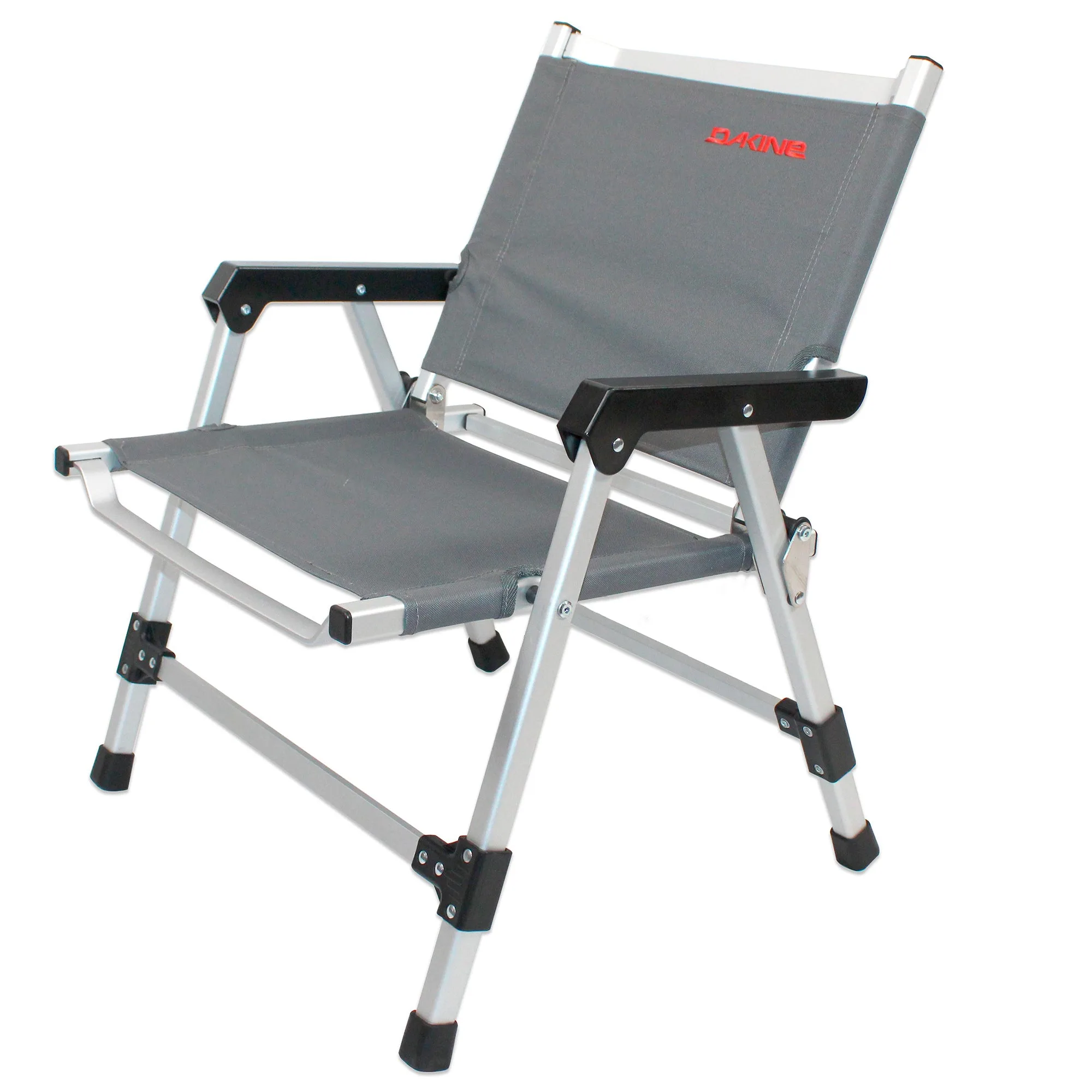
- Folding Camp Chair - Rock: Reinforced aluminum frame with 600/300D double-layered polyester fabric, 21 x 21.5 x 25.5 in, 6 lbs, 220 lb max weight limit. A chair you can trust at camp means you can sit and rest tired knees after a pole-assisted descent, and the 220 lb limit tells heavier hikers to check the spec before buying.
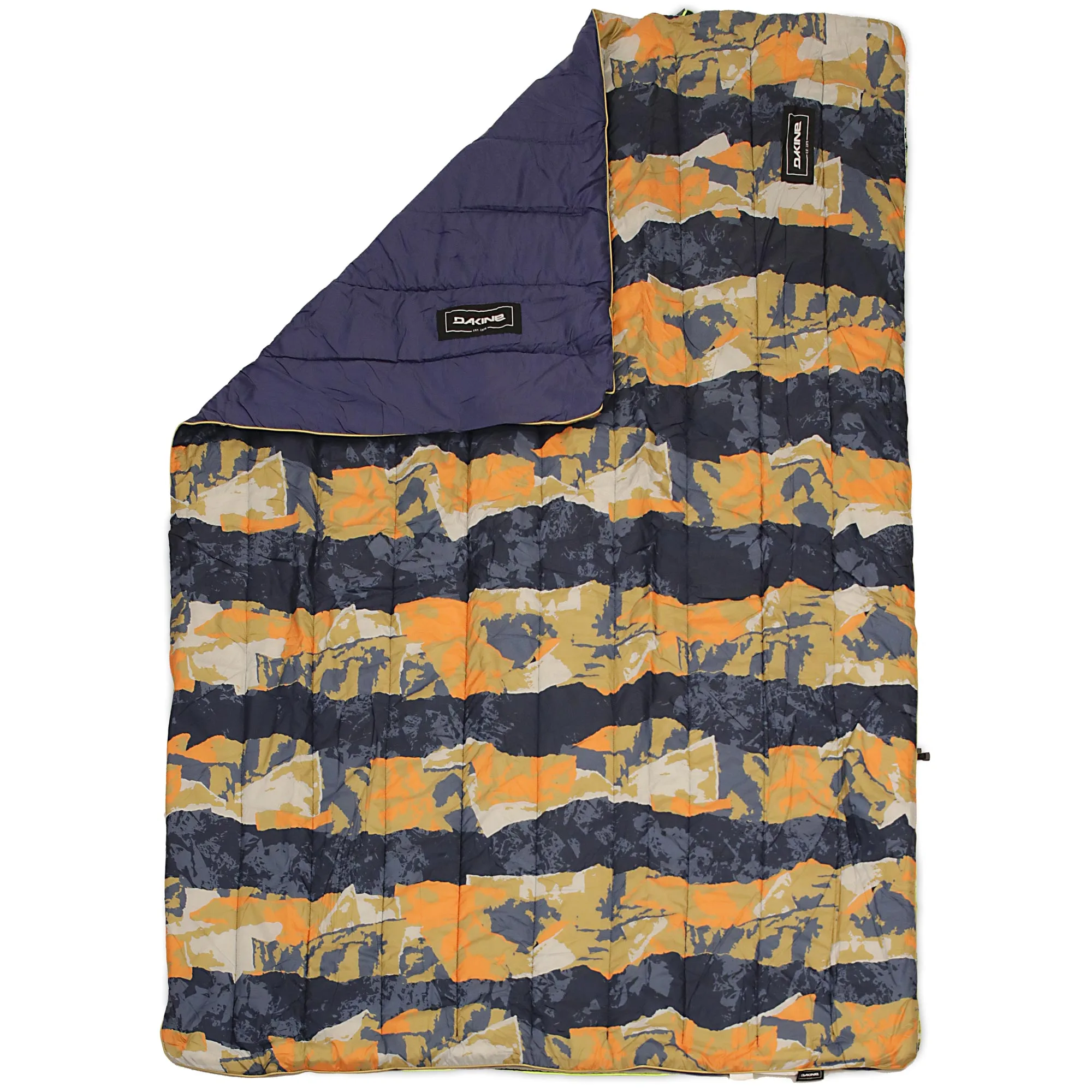
- Performance Camp Throw: 400T/20D polyester outer with 170g/M2 Micro ThermoPro filling, 75 x 52 in, 1.7 lbs. At 1.7 lbs this throw packs small enough to bring on a poles day hike for a warm sit-down break, so the weight penalty of carrying poles is partly offset by a lighter camp layer.
Which should you choose?
Poles make sense for
- Hikers with long, steep descents or knee sensitivity
- Backpackers carrying heavy loads on uneven ground
- Anyone hiking loose scree, mud, or river-adjacent trails
No poles make sense for
- Scrambling, via ferrata, or routes needing free hands
- Flat, smooth, short walks where weight and stow time outweigh support
- Ultralight fastpackers on runnable trails