Quick answer
Hip and joint supplements for dogs can support comfort and mobility, especially for aging dogs, large breeds, or dogs with arthritis in dogs. Look for glucosamine for dogs paired with chondroitin for dogs, plus ingredients like MSM or green-lipped mussel. Supplements are not drugs and work gradually, so consistency matters more than a single dose.
If your dog is slowing down on stairs or hesitating to jump, you have probably wondered whether a joint supplement is worth trying. The short answer is that the right formula can help, but it will not replace veterinary care or turn back time. This guide answers the questions dog owners actually ask.
We will cover what glucosamine and chondroitin do, when to start, how long to wait for results, and what to check on a label. You will also see how a few real products fit into a sensible joint support routine.
What do glucosamine and chondroitin actually do?
Glucosamine and chondroitin are building blocks and support compounds for cartilage, the cushioning tissue between joints. Glucosamine for dogs is thought to help cartilage repair and slow breakdown, while chondroitin for dogs may help cartilage hold water and resist enzymes that break it down. Neither is a painkiller, so they are best used as part of a broader plan.
Most studies in dogs show modest benefits for comfort and mobility, not dramatic reversals. That is why joint supplements are often used alongside weight management, controlled exercise, and veterinary care rather than instead of them.
- Look for glucosamine and chondroitin together rather than one alone.
- Give with food to reduce stomach upset.
- Expect weeks, not days, before you see changes.
When should I start a joint supplement for my dog?
Start when you notice early stiffness, reluctance to jump, or a slower pace on walks, or if your dog is a large breed with a family history of hip issues. Some owners start around middle age as a preventive measure, though evidence for prevention is limited.
If your dog has sudden limping, swelling, or pain when touched, see a veterinarian first. A supplement will not fix a torn ligament, infection, or injury. Once your vet has ruled out those problems, a daily joint supplement can be added to the plan.
- Early signs: slower stairs, bunny-hopping, stiffness after rest.
- Ask your vet before combining with NSAIDs or other medications.
- Keep a simple log of good days and bad days to judge progress.
How long until I see results, and what should I expect?
Most dog joint support products need four to eight weeks of consistent daily use before you can judge them. Some dogs improve sooner, and some show no obvious change. If you see no difference after two months at the correct dose, it may not be the right formula for your dog.
Track specific tasks rather than a general feeling. Can your dog get into the car without help? Does the morning stiffness last five minutes or thirty? Those details tell you more than a vague sense that your dog seems better.
- Give at the same time each day for the first eight weeks.
- Do not double up on two supplements with the same ingredients.
- Recheck with your vet if mobility gets worse instead of better.
What ingredients should I look for beyond glucosamine?
MSM is a common addition that supplies dietary sulfur and is often included for joint comfort. Omega-3 fatty acids from fish oil can help with inflammation, and green-lipped mussel is another popular ingredient. Some formulas add vitamin C or manganese to support cartilage metabolism.
More ingredients is not automatically better. A shorter, clearly dosed formula is easier to evaluate and less likely to cause stomach upset. If a label uses a proprietary blend without amounts, you cannot tell how much of each ingredient your dog is getting.
- Check the guaranteed analysis for actual amounts per chew or scoop.
- Avoid formulas that hide doses behind a proprietary blend.
- Introduce one new supplement at a time so you know what helps.
Chews, powders, or tablets: which form is easiest?
Soft chews win on convenience for most dogs because they are treated like a treat. Powders mix into wet food but can be messy and may be refused if the smell is strong. Tablets are compact but some dogs spit them out, and you may need to pill them.
The best form is the one your dog will actually take every day. If your dog is a picky eater, start with a small bag or single chew to test acceptance before buying a large container.
- Soft chews: easiest for most dogs, but check for added sugars or fillers.
- Powders: good for large dogs where chew count would be high.
- Tablets: useful if your dog already takes pills well.
Can I use horse or livestock joint supplements for my dog?
No. Products labeled for horses or livestock are dosed for much larger animals and may contain ingredients or concentrations not safe for dogs. Even if the active ingredient looks similar, the dose and formulation are different. Use a product specifically labeled for dogs.
That said, some ingredients overlap across species. If you already have a horse joint supplement, keep it for the horse and choose a dog-specific formula for your dog.
- Never guess a dog dose from a horse label.
- Look for a species-specific dog joint support product.
- Ask your vet if you are unsure about any ingredient.
Quick checks before you buy a joint supplement
Dose on the label
Find the actual milligrams of glucosamine and chondroitin per chew or scoop, not just the ingredient list. If amounts are hidden, choose another product.
Species
Confirm the product is labeled for dogs, not horses, cats, or livestock. Wrong-species products can be unsafe or ineffective.
Trial size
Buy the smallest size first to test acceptance and tolerance. Switch to a larger container only after your dog does well.
Vet check
Tell your veterinarian about every supplement, especially if your dog takes pain medication or has kidney or liver issues. Supplements can interact with drugs and lab tests.
Products that fit a joint support routine
- Coat N’ Tails Skin & Coat Soft Chews for Dogs 60 Ct: These soft chews support supple skin and a glossy coat, with a beef liver flavor dogs tend to accept. Skin and coat health often reflects overall nutrition, and a soft chew your dog takes willingly makes daily supplementation easier.
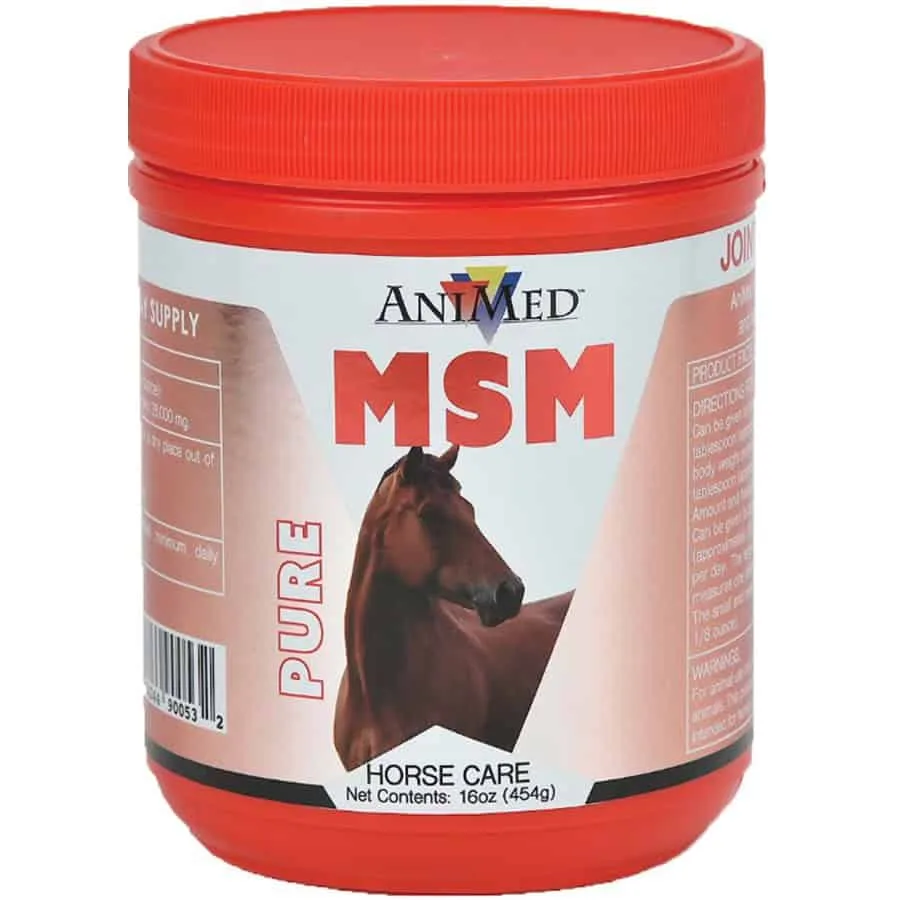
- AniMed Pure MSM Joint Support Powder Horse Supplement 16 oz: A 100% dietary sulfur supplement for horses, marketed to help ease pain and inflammation and support joint, cartilage, and skin health. It is labeled for horses, not dogs. Useful if you also care for a horse, but do not substitute it for a dog-specific joint supplement. Species and dosing matter.
- Pupcorn Plus Salmon & Sweet Potato 24.5 oz: Crunchy low-calorie dog treats made with real salmon and sweet potato, plus prebiotics and probiotics for digestion. Keeping your dog at a healthy weight reduces joint stress, so low-calorie treats can be a practical part of a mobility plan.
Joint supplements are a supportive tool, not a cure. Choose a dog-specific formula with clear amounts of glucosamine and chondroitin, give it daily for at least eight weeks, and pair it with weight control and veterinary care. If your dog’s mobility worsens, stop guessing and get a diagnosis.