Quick answer
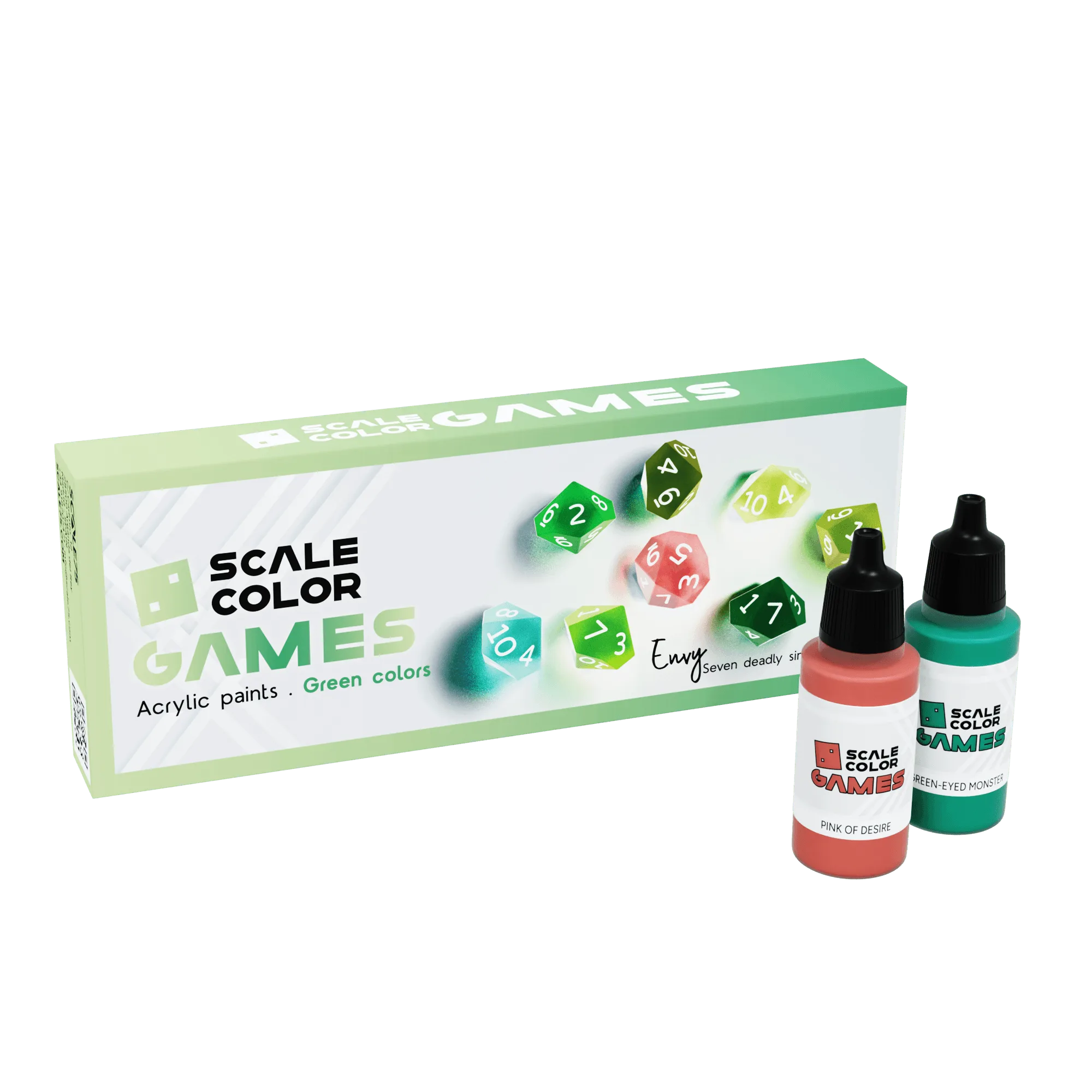
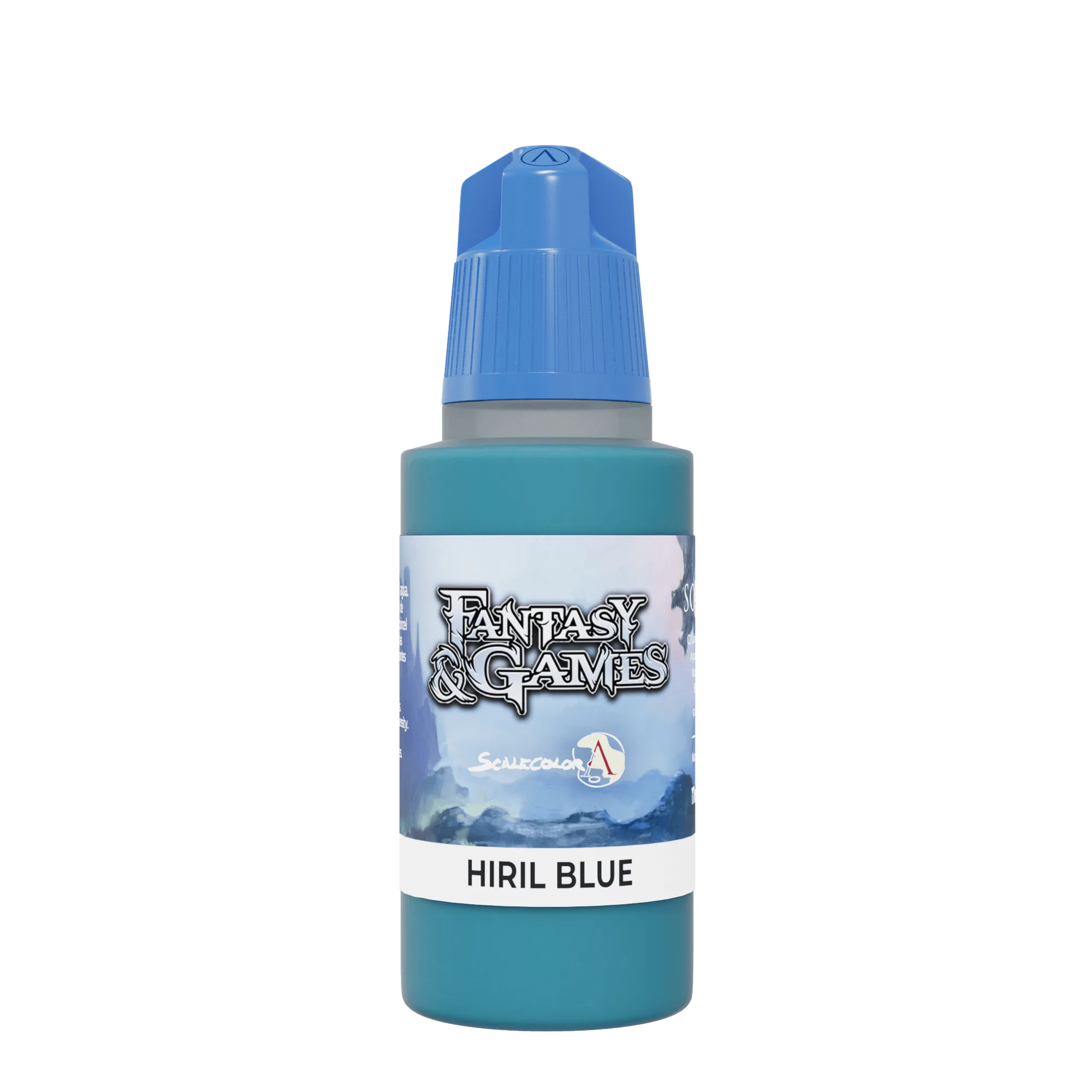
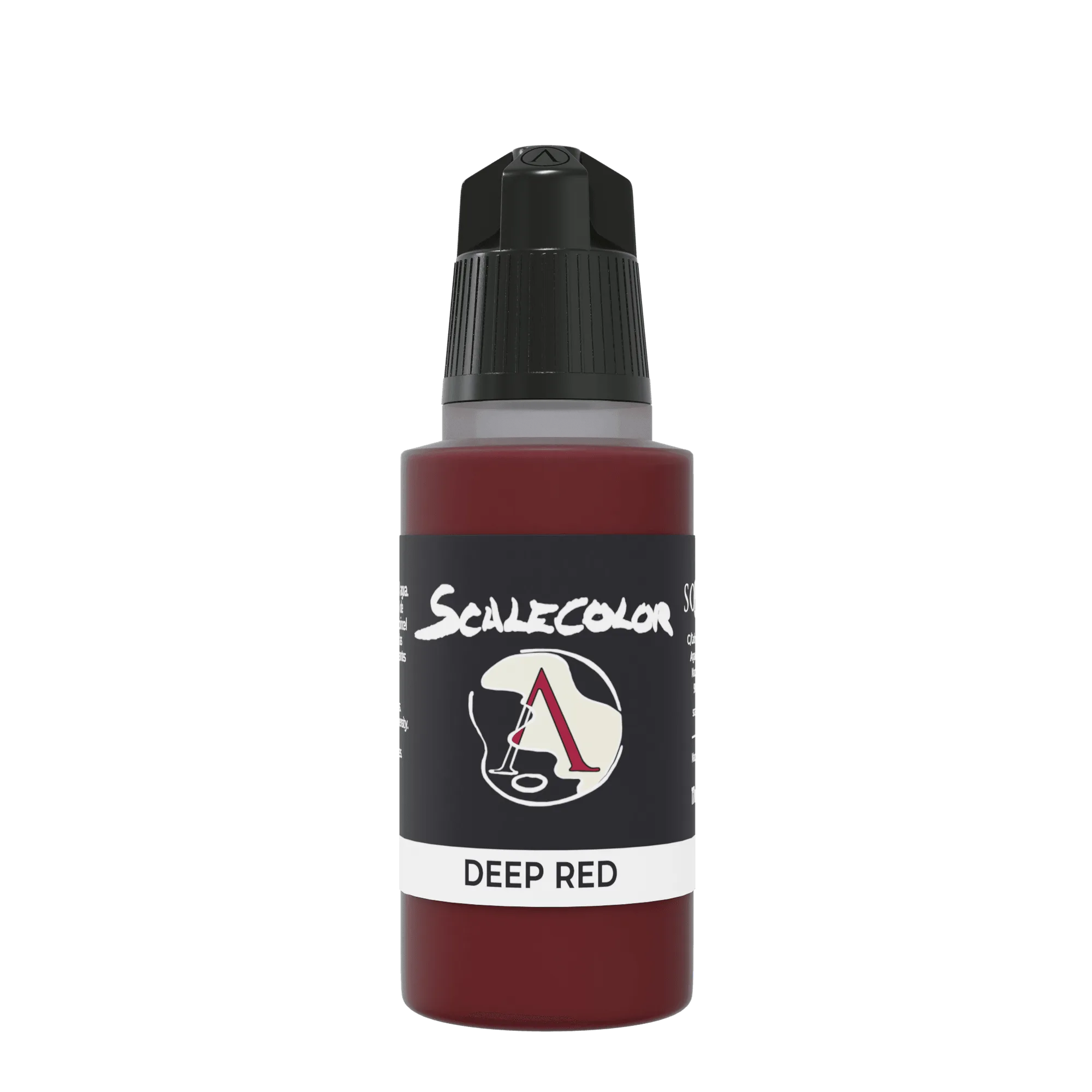
Choose Hiril Blue when you need a versatile blue that can read as both sci-fi energy and fantasy cloth without forcing a specific setting. If your project is a grimdark warband, a neon squad, or a display piece, test it over a light and dark primer first, then decide whether to keep it as a base or push it with a complementary accent like https://scale75sx.com/products/deep-red-1-b4fa10596239d0592efacb8c-1815749DEEP RED or ENVY.
Hiril Blue sits in an awkward spot for a lot of painters: it is blue enough to feel intentional, but not so specific that it locks your miniature into one genre. That makes it a practical candidate for sci-fi armor panels, fantasy robes, and anything that needs a cool mid-tone without looking like a standard ultramarine clone.
This guide is written for painters who already have a project in hand and want to know whether Hiril Blue is the right blue for it. It covers how to judge the color on your primer, when to use it as a base versus an accent, and how to pair it with other SCALE75 colors without guessing at coverage or finish.
What Hiril Blue actually does well
The strongest argument for Hiril Blue is flexibility. A versatile blue paint needs to hold up when it is the main color on a cloak, the glow on a plasma coil, or the shadow side of a silver helmet. Because the supplied catalog does not list a specific finish, opacity rating, or pigment code for Hiril Blue, treat those as unknowns and test them on a primed scrap before committing to a whole unit.
Where Hiril Blue earns its place is in projects that mix genres. A sci-fi skirmish crew with blue armor and a fantasy warband with blue tabards can share the same pot, which reduces the number of blues you need to keep on the desk. That is a real workflow benefit if you paint multiple systems and want a consistent cool tone across them.
- Test Hiril Blue over white, grey, and black primer to see how much the undercoat shifts the final look.
- Keep a wet palette handy so you can judge the color after it dries, not just while it is wet.
When Hiril Blue is the right blue for sci-fi
For sci-fi, blue usually needs to do one of two jobs: read as a clean manufactured surface, or read as an energy effect. Hiril Blue can handle the first job if you keep your layers smooth and avoid heavy texture. For the second job, you will likely want to push the value up with a lighter mix or a white ink rather than relying on Hiril Blue alone, because the supplied catalog does not claim any fluorescent or glow properties.
If your sci-fi scheme already uses a lot of red or orange, Hiril Blue gives you a cool counterpoint without going full teal. That makes it useful for factions where you want a disciplined, military look rather than a cartoonish primary palette.
- Use Hiril Blue on armor panels and weapon casings, then reserve brighter mixes for lenses and coils.
- If you want a colder sci-fi feel, glaze a thin layer of a darker blue into the recesses instead of reaching for black.
When Hiril Blue fits fantasy miniatures
Fantasy miniatures often need blues that feel like cloth, skin, or magic. Hiril Blue is most convincing on cloth and metal trim, where a mid-tone blue can suggest dyed wool or enameled armor. For skin, the supplied catalog does not describe Hiril Blue as a skin tone, so it is safer to treat it as a cloth and accent color rather than a flesh base.
For magic effects, Hiril Blue works as a foundation that you build up with lighter layers. If you want a colder, more unnatural spell, mix it toward a green or purple rather than adding white, which can desaturate the color quickly. The goal is to keep the blue recognizable while shifting its temperature.
- Paint Hiril Blue over a warm brown undercoat for a muted, weathered fantasy cloak.
- Keep the brightest highlights small on fantasy pieces so the blue still reads as cloth rather than plastic.
Pairing Hiril Blue with other SCALE75 colors
A blue this flexible benefits from a clear accent plan. DEEP RED is a supplied catalog color that can create a strong complementary contrast against Hiril Blue, which is useful for heraldry, warning stripes, and sci-fi markings. ENVY offers a green counterpoint if you want a colder, more toxic or arcane feel. Both are listed as separate products, so you can build a small, focused palette around Hiril Blue without buying a full range.
If you need to lighten Hiril Blue without losing its character, LIGHT SKIN is a supplied creamy acrylic that can be mixed in small amounts. Because the catalog describes LIGHT SKIN as high coverage with premium pigments, it is a reasonable candidate for controlled tinting, but you should still test the mix ratio on a scrap piece before applying it to a finished figure.
- Mix DEEP RED into Hiril Blue sparingly to create a muted violet for shadows, rather than a flat purple.
- Use ENVY next to Hiril Blue for a cold, unnatural look on undead or alien subjects.
Coverage, priming, and practical limits
The supplied catalog does not list a coverage rating for Hiril Blue, so you should not assume it will cover a dark primer in one pass. Plan on two or three thin layers over black, and fewer over white or grey. If you are painting a large vehicle or a full unit, that difference in layer count matters more than the color itself.
The same limitation applies to finish. Because the catalog does not state whether Hiril Blue is matte, satin, or gloss, do not plan your final varnish around an assumed finish. Test it, then choose a varnish that gives you the look you want. This is a decision limitation, not a flaw in the paint, and it is easy to manage with a small test card.
- Prime a test card with the same primer you use on your models before judging Hiril Blue.
- If you need one-coat coverage for a large area, consider a different base color and use Hiril Blue as a layer instead.
Decision rules for buying Hiril Blue
- If you paint both sci-fi and fantasy: Buy Hiril Blue as a shared mid-tone blue for armor, cloth, and trim, then add DEEP RED or ENVY as a single accent rather than expanding into multiple blues. One versatile blue plus one accent covers more projects than three similar blues.
- If your primer is black or dark grey: Plan for multiple thin layers of Hiril Blue, or base the area with a lighter neutral first. The supplied catalog does not list a coverage rating, so treat opacity as unknown until you test it. Test on a primed scrap before committing to a full unit.
- If you need a specific finish: Do not assume Hiril Blue is matte or satin. The catalog does not state a finish, so choose your varnish after you see the dried paint on your own primer. Finish is a decision you make with a test card, not a catalog claim.
- If you want a glow or energy effect: Use Hiril Blue as the base and build up with lighter mixes or inks. The catalog does not claim fluorescent or glow properties, so do not expect it to behave like a dedicated effect paint. Treat Hiril Blue as a color foundation, not an effect.
Catalog facts that affect your decision
- DEEP RED: DEEP RED is a supplied SCALE75 color with a catalog price of USD 20.66 and a catalog comparison price of USD 41.32. It is a practical complementary accent for Hiril Blue when you want strong contrast on heraldry, markings, or sci-fi details without introducing a third hue family.
- ENVY: ENVY is a supplied SCALE75 color with a catalog price of USD 12.40 and a catalog comparison price of USD 24.80. It gives you a green counterpoint to Hiril Blue, which is useful for cold, unnatural effects on fantasy or alien subjects.
- LIGHT SKIN: LIGHT SKIN is described as a premium creamy acrylic paint in a 20ml size, with high coverage inks and pigments recommended for novice or professional painters, valid for brush and airbrush. It can be mixed into Hiril Blue in small amounts to lighten the blue while keeping a creamy consistency, though you should test the ratio first.
Who should buy Hiril Blue
Best for
- Painters who want one blue that works across sci-fi armor and fantasy cloth
- Hobbyists building a small palette around a single mid-tone blue with DEEP RED or ENVY as accents
- Beginners who are comfortable testing coverage and finish on a scrap piece before painting a full model
Not for
- Painters who need a documented one-coat coverage or a specific finish straight from the catalog
- Projects that require a fluorescent or glow-in-the-dark blue effect
- Anyone looking for a flesh tone, since the catalog does not describe Hiril Blue as a skin color
Hiril Blue is a sensible pick when you want a versatile blue that can move between sci-fi and fantasy without repainting your whole palette. Test it on your primer, decide whether it is a base or an accent, and pair it with a grounded accent like DEEP RED or ENVY. If you need guaranteed coverage or a specific finish, choose a product with those specs listed, or plan to build up Hiril Blue in layers.