The triangle hoe, also known as the stirrup hoe or scuffle hoe, is a staple in gardens around the world. Its distinctive triangular blade allows for efficient weeding and soil cultivation with minimal effort. But where did this ingenious tool come from, and how has it evolved over centuries?
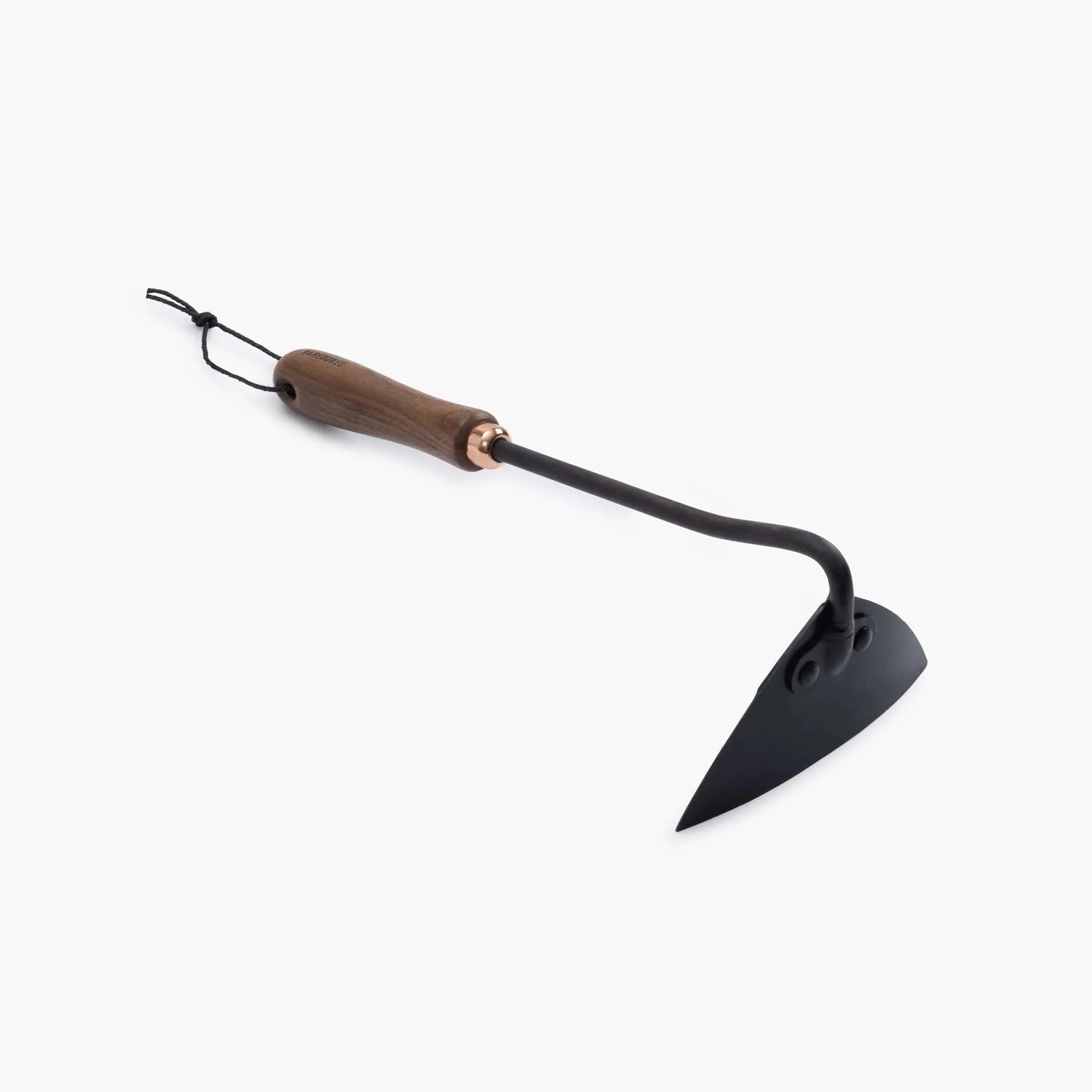
triangle hoe
From ancient agricultural practices to modern sustainable gardening, the triangle hoe has undergone a remarkable transformation. In this article, we trace its history, explore its design innovations, and highlight how today's versions—like the Stirrup Hand Hoe—embody the perfect blend of tradition and durability.
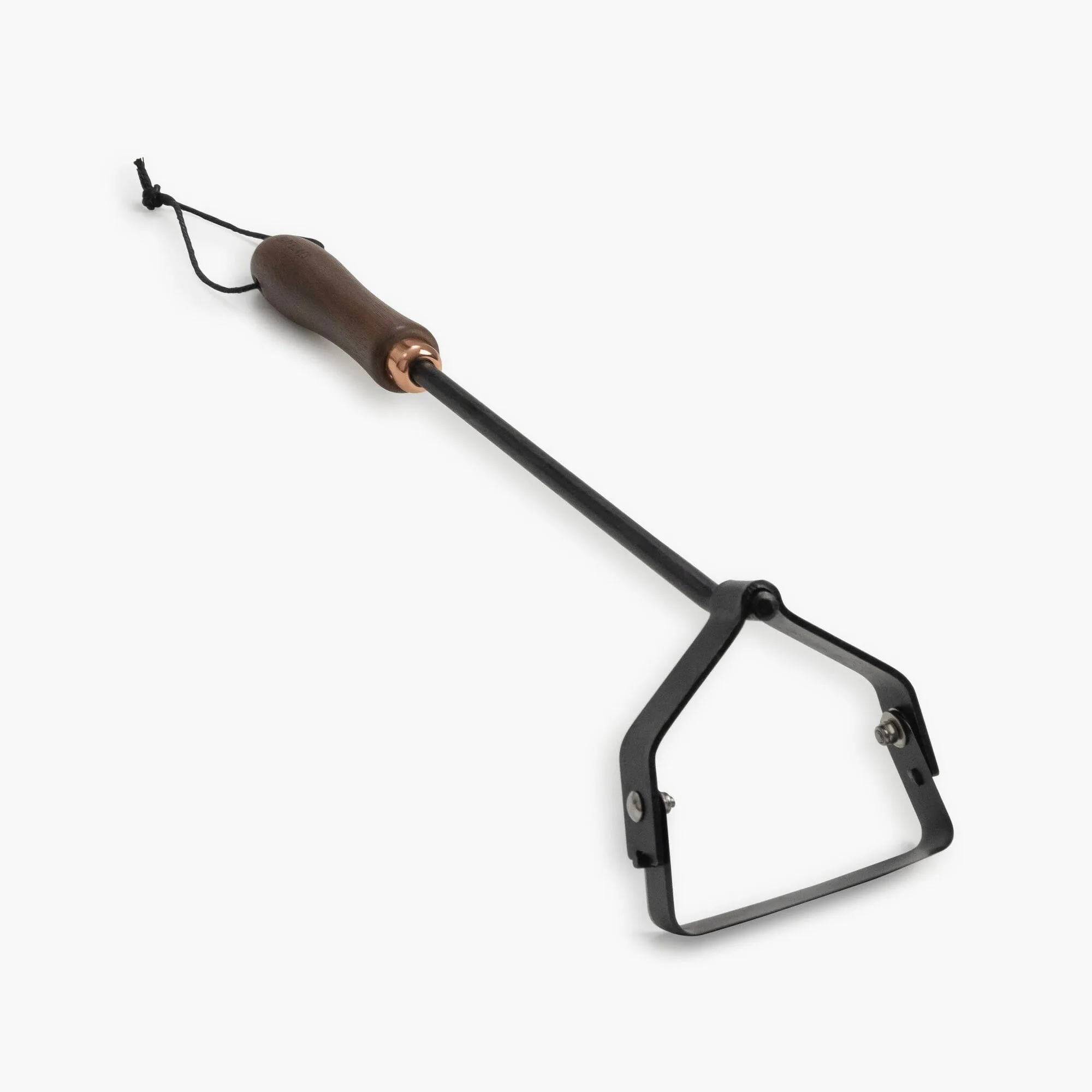
Stirrup Hand Hoe
Ancient Origins: The First Hand Tools
Gardening tools date back to the Neolithic era, when early humans used sharpened stones and sticks to till the soil. The hoe, in its most primitive form, emerged around 4000 BCE in Mesopotamia and Egypt. These early hoes were simple wooden handles with stone or bone blades, used for breaking ground and removing weeds.
The triangular shape likely evolved naturally: a wide, flat blade with a pointed tip made it easier to slice through roots and loosen compacted earth. Ancient Egyptian wall paintings depict workers using hoes with triangular blades, suggesting that the basic design has been effective for millennia.
- The earliest hoes were made from wood, bone, or stone, often with a triangular or trapezoidal blade.
- In ancient China, similar tools were used for rice paddy cultivation, with bronze blades appearing around 1500 BCE.
The Medieval and Renaissance Period: Refinement and Specialization
During the Middle Ages, European gardeners began to refine the hoe's design. The triangle hoe, in particular, became popular for its ability to cut weeds just below the soil surface without disturbing the root systems of nearby crops. Blacksmiths forged iron blades that were sharper and more durable than their stone predecessors.
By the 16th century, gardening manuals from Italy and France described specialized hoes for different tasks: wide hoes for breaking soil, narrow hoes for weeding between rows, and triangular hoes for precision work. The triangle hoe's shape allowed for a pushing and pulling motion, making it more efficient than traditional chopping hoes.
- The stirrup hoe, a type of triangle hoe with a looped blade, was first documented in the 1700s in England.
- These tools were often hand-forged by local blacksmiths, making each one unique.
The Industrial Revolution: Mass Production and Standardization
The 19th century brought significant changes to tool manufacturing. With the advent of steel production and factory processes, triangle hoes became more affordable and widely available. Companies like the American-based True Temper and the British firm Wilkinson Sword began producing standardized designs.
The stirrup hoe gained popularity in the United States during the early 1900s, marketed as a labor-saving device for home gardeners. Its oscillating blade reduced fatigue and increased speed, making it a favorite among commercial farmers and hobbyists alike.
- Mass production allowed for consistent blade angles and handle lengths, improving ergonomics.
- The introduction of carbon steel blades extended the tool's lifespan significantly.
Modern Innovations: Ergonomics and Sustainable Materials
Today's triangle hoes are engineered for comfort and efficiency. Ergonomic handles, lightweight materials, and replaceable blades are common features. The Stirrup Hand Hoe exemplifies this evolution, with a forged steel blade that stays sharp season after season and a handle designed to reduce wrist strain.
Sustainability has also influenced modern designs. Many manufacturers now use recycled steel and sustainably sourced wood for handles. The triangle hoe remains a favorite among organic gardeners because it minimizes soil disturbance and helps maintain healthy soil structure.
- Look for hoes with tempered steel blades for long-lasting sharpness.
- A well-balanced hoe reduces fatigue during extended weeding sessions.
- Pair your triangle hoe with other essential tools like the Wiregate Carabiners for organizing garden supplies.
Why the Triangle Hoe Endures: Practical Benefits
The triangle hoe's enduring popularity is no accident. Its design offers several advantages over other weeding tools. First, the triangular blade cuts weeds at the root zone without turning over the soil, which reduces weed seed germination. Second, the push-pull action allows for faster work compared to a traditional chopping hoe.
Third, the tool is versatile: it can be used for cultivating, aerating, and even digging shallow furrows for planting seeds. Gardeners who invest in a high-quality triangle hoe often find it becomes their go-to tool for daily maintenance.
- Use a sharp triangle hoe to slice weeds just below the surface for best results.
- Clean and oil the blade after each use to prevent rust and maintain performance.
Whether you are a seasoned gardener or just starting out, the triangle hoe is a timeless investment that makes weeding faster and more enjoyable. Explore the Stirrup Hand Hoe from Barebones to experience the perfect blend of history, craftsmanship, and modern ergonomics in your garden.