In an age dominated by battery-powered trimmers and robotic mowers, a quiet revolution is taking root in gardens around the world. Gardeners—from urban balcony growers to rural homesteaders—are rediscovering the tactile satisfaction and environmental benefits of hand tools. This shift is not merely nostalgic; it reflects a deeper cultural move toward sustainability, mindfulness, and durability in outdoor living.
The hand tools gardening market is experiencing a notable resurgence, driven by consumer demand for products that last, reduce waste, and connect people more intimately with the earth. Brands that prioritize craftsmanship, ergonomics, and timeless design are thriving. In this article, we explore the key trends fueling this revival and highlight how modern tools are redefining the gardening experience.
Why Gardeners Are Turning Away from Power Tools
The environmental impact of gas-powered and battery-operated tools has become a growing concern. Emissions, noise pollution, and the challenge of disposing of lithium-ion batteries have prompted many gardeners to reconsider their equipment choices. Manual tools offer a zero-emission, quiet, and low-maintenance alternative that aligns with sustainable gardening principles.
Additionally, the physical engagement required by hand tools provides a form of low-impact exercise and mental wellness. Gardening with tools like pruners, hoes, and trowels encourages deliberate, mindful work—a welcome antidote to the fast pace of modern life. This trend is especially strong among younger generations who prioritize eco-conscious living and hands-on experiences.
- Manual tools reduce reliance on fossil fuels and battery disposal.
- Hand tools promote mindfulness and physical activity.
- Durable hand tools often outlast their powered counterparts, reducing waste.
Ergonomics and Design: The New Standard for Hand Tools
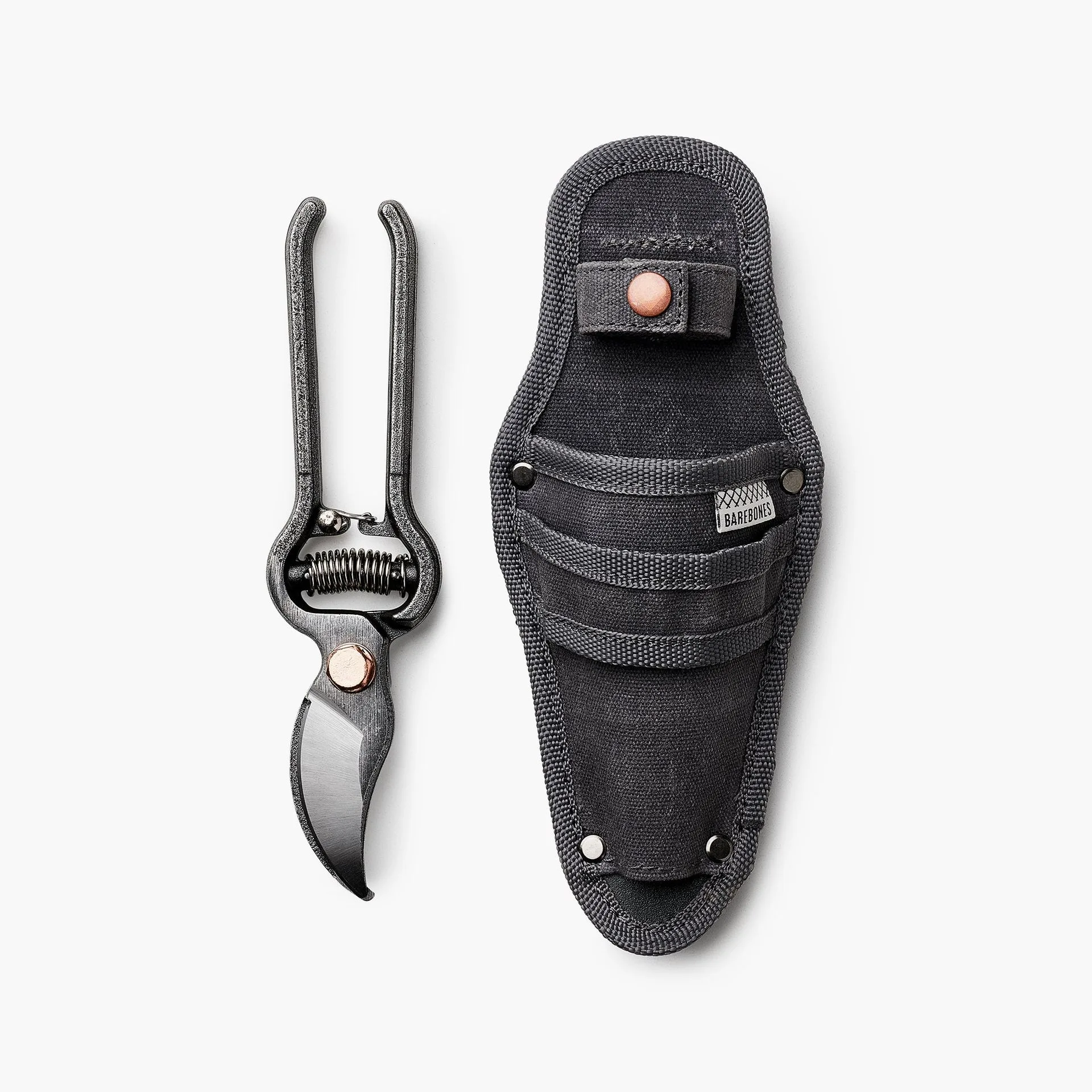
Today’s hand tools are far from the crude implements of the past. Manufacturers are investing heavily in ergonomic handles, balanced weight distribution, and high-quality materials like stainless steel and ash wood. These innovations reduce fatigue and strain, making gardening accessible to more people, including those with arthritis or limited mobility.
Barebones, for instance, has elevated the humble garden tool into a piece of functional art. Their Square Hand Hoe features a forged carbon steel blade and a comfortable handle that makes weeding and cultivating a pleasure rather than a chore. Such designs not only perform better but also encourage users to take pride in their tools, leading to better care and longer lifespans.
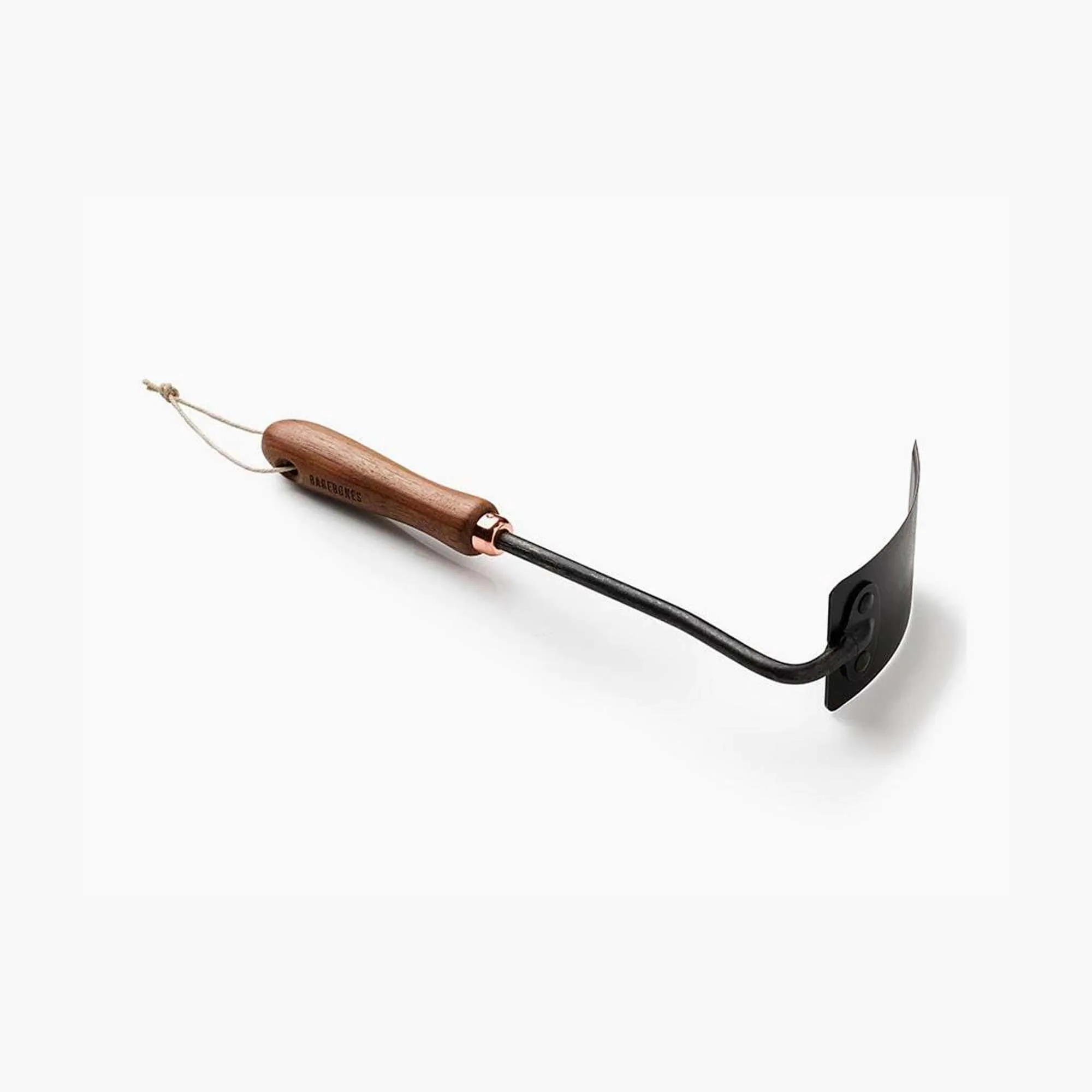
Square Hand Hoe
- Look for tools with ergonomic grips and balanced weight.
- Carbon steel blades offer superior sharpness and longevity.
- Aesthetic design can increase user satisfaction and tool maintenance.
The Rise of Multi-Functional and Compact Tools
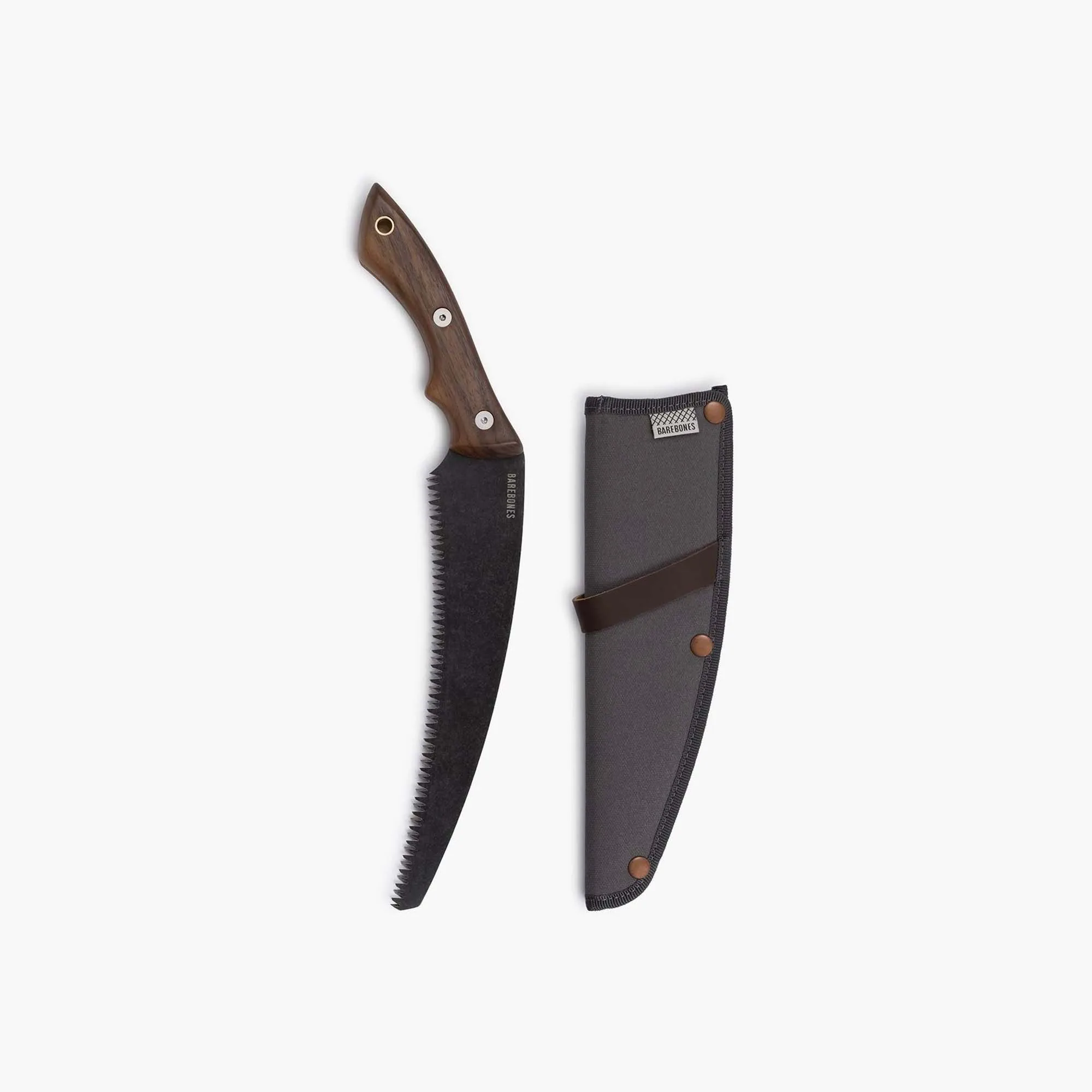
As gardening spaces shrink—especially in urban environments—versatility becomes paramount. Gardeners are seeking tools that can perform multiple tasks without cluttering limited storage. Multi-functional hand tools, such as the Hori Hori Classic, combine a digging blade, saw edge, and measuring marks in one compact implement. This trend mirrors the broader minimalist movement in home and lifestyle.
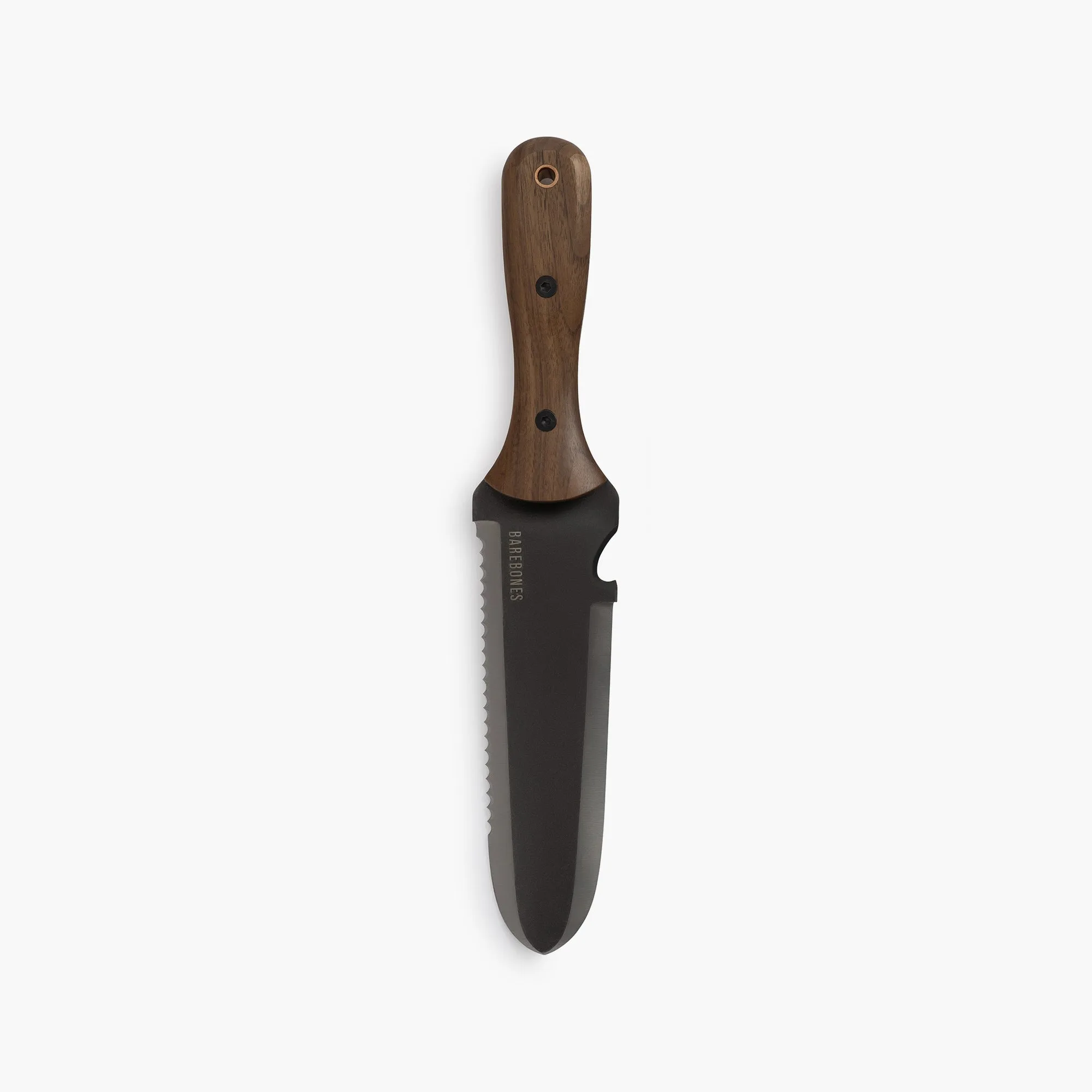
Hori Hori Classic
Compact tools also appeal to the growing number of container gardeners and raised-bed enthusiasts. A well-designed hand tool that can weed, transplant, and cultivate saves time and space. Brands are responding with kits that include essential tools in a single pouch, making it easy to grab and go. This shift is reshaping product development across the industry.
- Multi-functional tools reduce the number of items you need to buy and store.
- Compact designs are ideal for apartment balconies and small yards.
- Look for tools that combine digging, cutting, and measuring functions.
Sustainability and Material Choices in Modern Hand Tools
The materials used in hand tools are undergoing a transformation. Consumers are increasingly scrutinizing the environmental footprint of their purchases. Hand tools made from recycled metals, sustainably harvested wood, and biodegradable handles are gaining traction. Stainless steel and high-carbon steel are favored for their durability and recyclability.
Barebones exemplifies this commitment with tools like the Wilderness Paring Knife, which uses high-carbon steel and natural materials. While primarily a kitchen tool, its design philosophy—beautiful, durable, essential—resonates with the gardening community. The trend toward repairability is also growing; tools with replaceable handles or blades are preferred over disposable models.
- Choose tools with replaceable parts to extend lifespan.
- Opt for handles made from FSC-certified wood or recycled materials.
- High-carbon steel blades hold an edge longer and can be resharpened.
Community and Knowledge Sharing: The Social Side of Hand Tools
The resurgence of hand tools is not just about the tools themselves—it's about the community that surrounds them. Online forums, social media groups, and local gardening clubs are buzzing with discussions on sharpening techniques, restoration projects, and favorite tool brands. This knowledge sharing fosters a culture of craftsmanship and self-reliance.
Workshops on tool maintenance and traditional gardening methods are becoming popular events. Gardeners are trading tips on how to season wooden handles, sharpen blades, and store tools properly. This collective wisdom enhances the value of hand tools, turning them into heirlooms rather than disposable commodities. Brands that support this community through content and events are building lasting loyalty.
- Join online communities to learn tool maintenance and gardening tips.
- Attend local workshops on sharpening and restoration.
- Share your own experiences to help others adopt sustainable practices.
How Barebones Is Leading the Hand Tool Revival
Barebones has positioned itself at the forefront of this movement by combining heritage craftsmanship with modern innovation. Their product line reflects a deep understanding of what gardeners truly need: tools that are functional, beautiful, and built to last. The Hori Hori Classic, for example, is a favorite among serious gardeners for its versatility and robust construction.
Beyond individual tools, Barebones emphasizes the importance of the entire gardening ecosystem—from soil preparation to harvest. Their accessories, like the Padded Utility Storage Bag - 7L, help organize and protect tools, reinforcing the idea that care for your equipment is part of the gardening ritual. This holistic approach resonates with consumers who view gardening as a lifestyle, not just a hobby.
- Barebones tools are designed for both performance and aesthetics.
- Storage solutions help extend the life of your hand tools.
- The brand’s commitment to durability aligns with sustainable values.
As the gardening world embraces a slower, more intentional pace, hand tools are reclaiming their rightful place in the shed and on the soil. Whether you're a seasoned gardener or just starting out, investing in quality manual tools is a step toward a more sustainable and satisfying outdoor experience. Explore our collection of hand tools and find the perfect companion for your garden.