Quick Answer
The Hillsboro Hops sugar skull design is an alternate logo that celebrates the team's connection to the local community and the cultural tradition of Día de los Muertos. It reflects the team's embrace of diversity and the vibrant heritage of the Pacific Northwest.
The Hillsboro Hops, a Minor League Baseball team in Oregon, are known for their creative and community-focused branding. Among their most popular logos is the sugar skull design, which has become a fan favorite. This logo is more than just a visual; it represents a meaningful cultural connection.
In this article, we answer common questions about the history and cultural significance of the sugar skull design, and how you can show your support with official merchandise.
What is the sugar skull design?
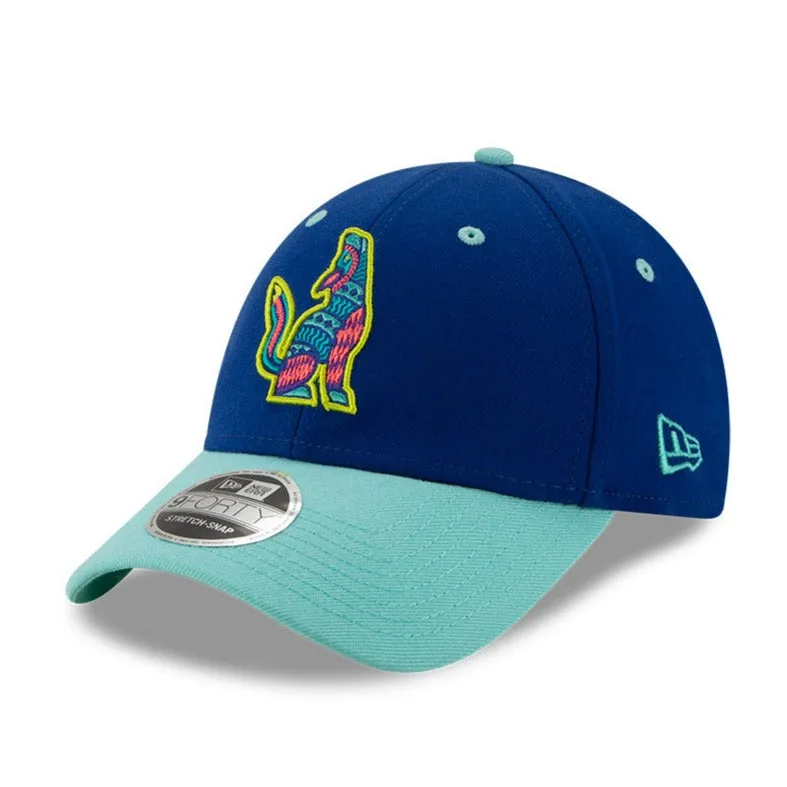
The sugar skull, or calavera, is a traditional symbol associated with Día de los Muertos (Day of the Dead), a Mexican holiday honoring deceased loved ones. The Hillsboro Hops incorporated this motif into an alternate logo, blending baseball imagery with cultural artistry. The design typically features a skull with decorative patterns, sometimes wearing a baseball cap or holding a bat.
This logo is part of a broader trend in sports where teams create special edition merchandise to celebrate cultural events. For the Hops, it’s a way to honor the Latino community in their fan base and the region's cultural diversity.
- Look for the sugar skull logo on special edition caps and apparel.
- The design is often released around Día de los Muertos (early November).
When was the sugar skull logo introduced?
While the exact year of introduction isn't officially documented, the Hillsboro Hops have used the sugar skull design as part of their promotional and community outreach efforts. It has appeared on merchandise and special game nights, such as their annual Día de los Muertos celebration.
The team, established in 2013, has consistently engaged with local cultural events, and the sugar skull logo is a natural extension of that commitment. Fans have embraced it as a beloved alternate mark.
What is the cultural significance?
The sugar skull is a symbol of remembrance and celebration in Mexican culture. It represents the idea that death is not an end but a continuation. By incorporating this into a baseball logo, the Hops acknowledge and respect this tradition, creating a sense of inclusivity.
For fans, wearing the sugar skull gear is a way to honor the holiday and show pride in their cultural heritage while supporting their favorite team. It’s a powerful example of how sports can bridge cultural gaps.
Your Sugar Skull FAQ
Is the sugar skull logo used on official game jerseys?
The sugar skull design is typically an alternate logo used on caps and special merchandise, not the primary jersey logo. Check special edition releases for sugar skull apparel.
Can I buy sugar skull merchandise year-round?
While some items may be available year-round, most sugar skull gear is released seasonally around Día de los Muertos. Keep an eye on the store for seasonal drops.
Do the Hops host a Día de los Muertos game?
The team has hosted cultural celebration nights in the past, often featuring special jerseys or giveaways. Follow the team schedule for themed game nights.
Official Sugar Skull Gear
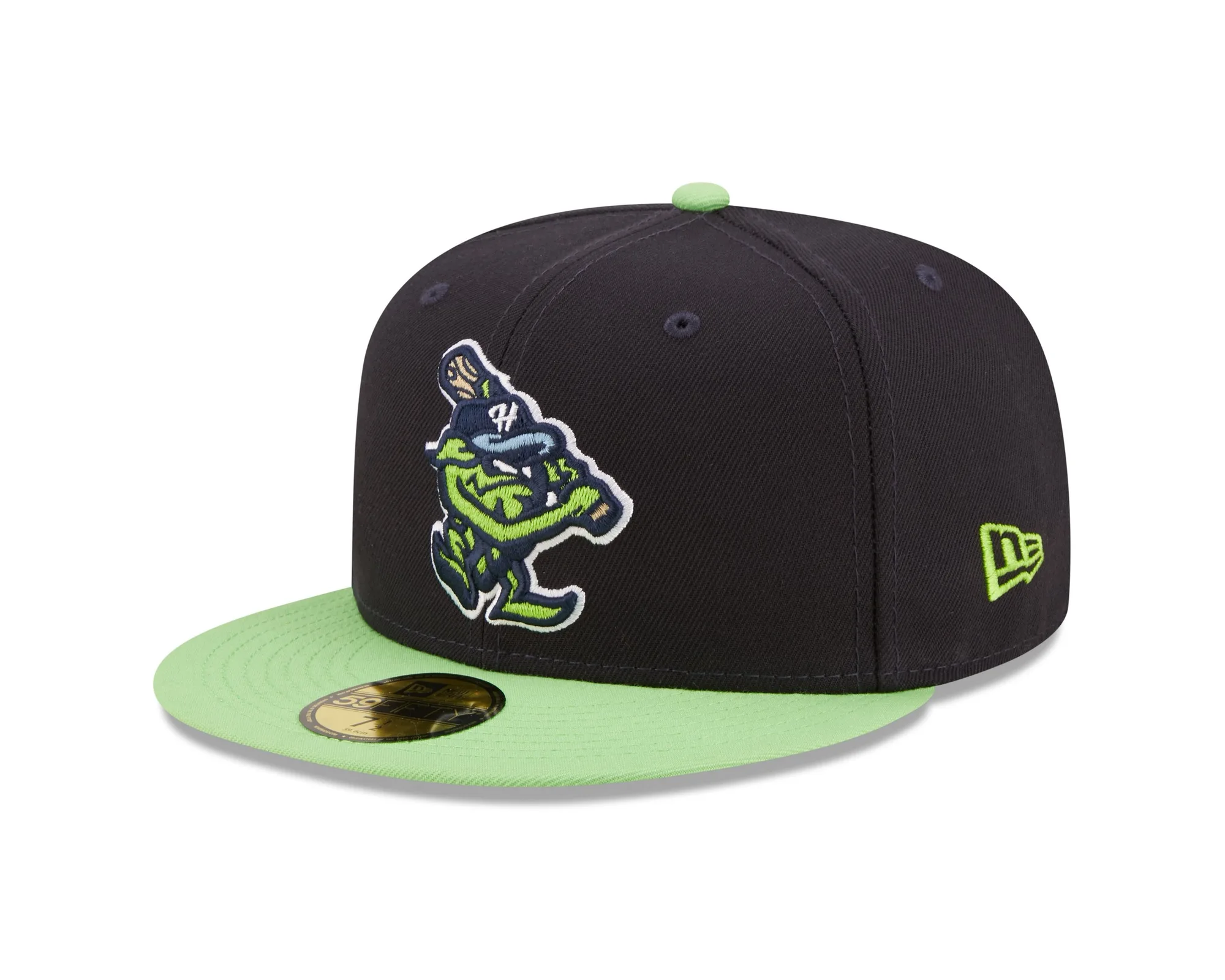
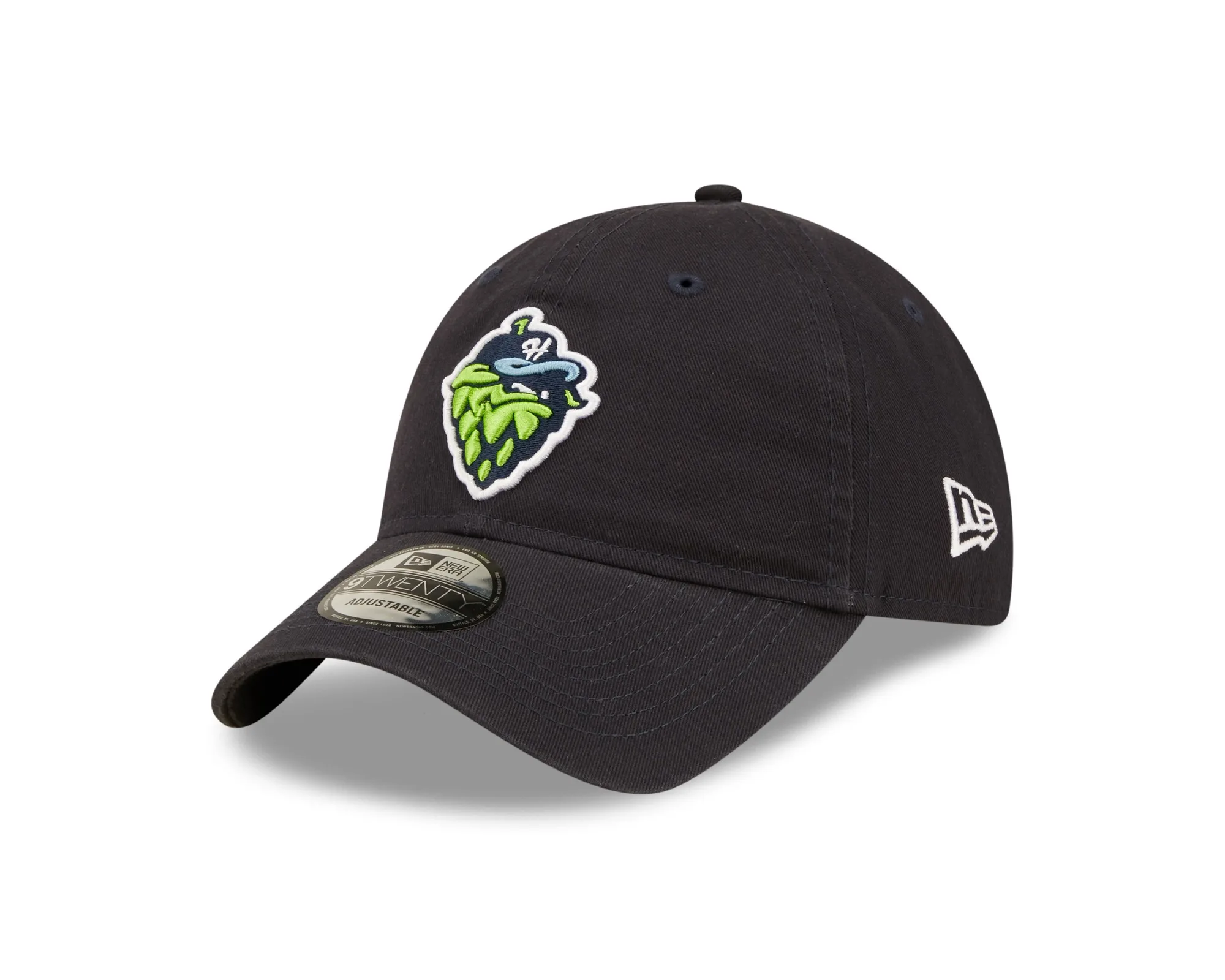
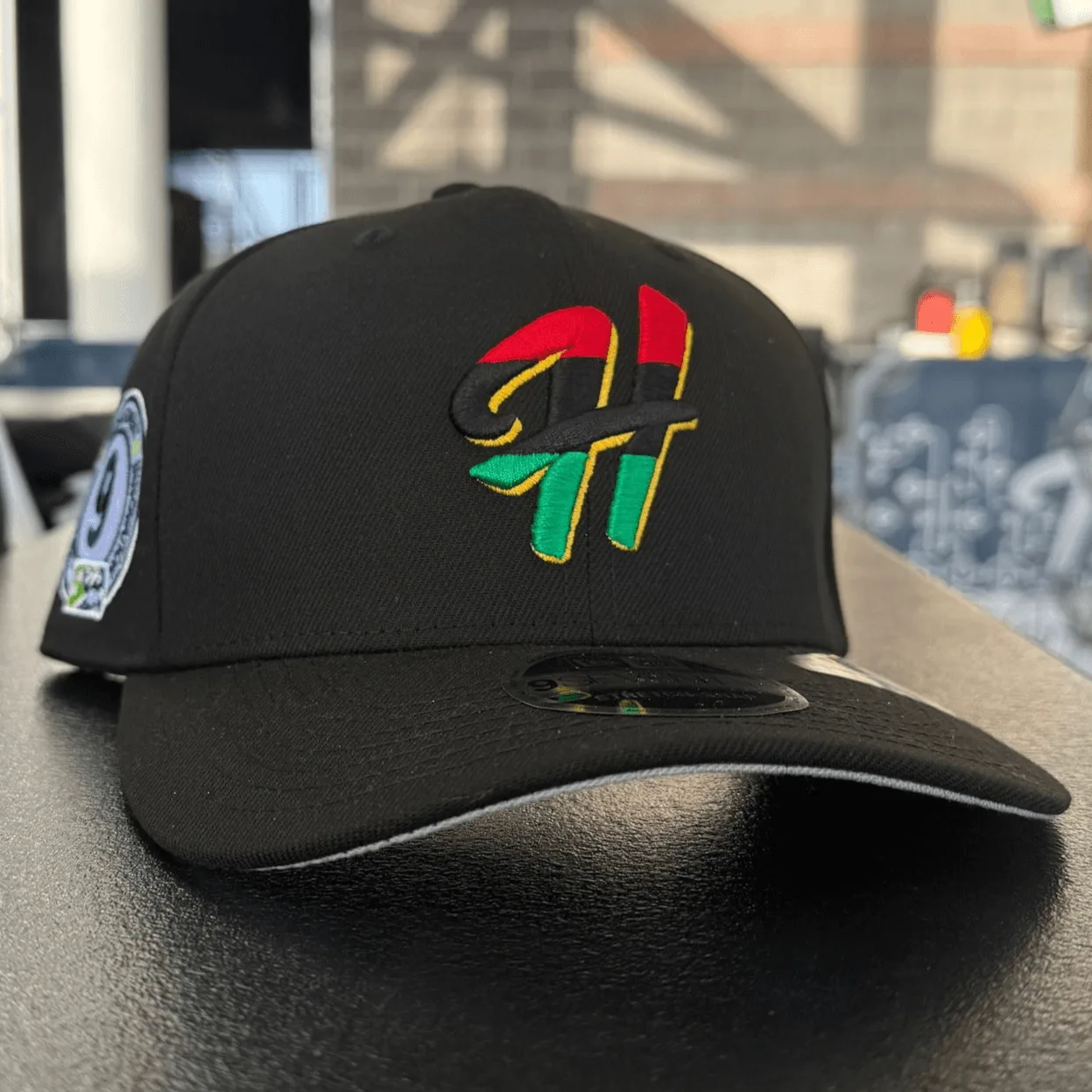
- New Era Juneteenth 9SEVENTY Cap, Hillsboro Hops: Adjustable black cap with a 9SEVENTY style from New Era. While not sugar skull-themed, this cap shows the team's commitment to cultural celebrations, similar to their Día de los Muertos gear.
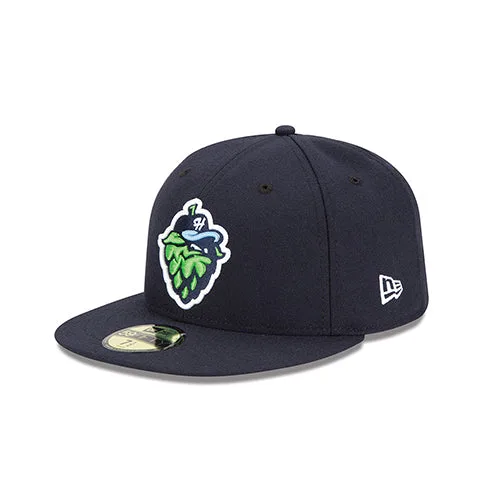
- New Era Youth 9FORTY Player Replica, Hillsboro Hops: Official replica of the on-field hat with a raised embroidered team logo. If you're looking for an authentic game-day cap, this is the one to choose, and it pairs well with sugar skull accessories for a festive look.
The Hillsboro Hops sugar skull design is a meaningful blend of baseball and cultural tradition. Whether you're a collector or a fan of Día de los Muertos, wearing this logo is a way to celebrate heritage and team spirit. Explore the store to find official gear that lets you show your pride.