Coffee pods have become a staple in homes and offices worldwide, offering convenience without sacrificing flavour. But how did this revolutionary brewing format come to be? The story of coffee pods is a tale of innovation, patent battles, and a relentless pursuit of quality that eventually gave rise to the specialty coffee pod movement we know today.
In this article, we’ll trace the history of coffee pods from their early beginnings in the 1970s to the modern era of compostable, single-origin capsules. Along the way, we’ll highlight key inventions and how brands like Kiss the Hippo Coffee are pushing the boundaries of what a pod can deliver.
The Birth of the Coffee Pod: A 1970s Breakthrough
The coffee pod concept was first patented in 1970 by Italian engineer and inventor Luigi Bezzera, who sought to create a single-serving espresso system for the home. His design used a sealed paper filter containing ground coffee, which was then placed in a dedicated machine. However, it was Eric Favre, a Swiss engineer working for Nestlé, who truly revolutionised the idea. In 1976, Favre filed a patent for a capsule system that used a hermetically sealed container to preserve coffee freshness. This invention laid the groundwork for the Nespresso system, which launched commercially in 1986.
Favre’s key insight was that by pressurising water through a sealed capsule, the machine could extract espresso with a thick, lasting crema—something previously only achievable with expensive commercial machines. The early Nespresso capsules were made of aluminium, chosen for its barrier properties against oxygen and light. This ensured the coffee inside stayed fresh for months, a breakthrough for home brewing.
- First coffee pod patent filed by Luigi Bezzera in 1970.
- Eric Favre’s 1976 capsule patent led to the Nespresso system.
- Aluminium capsules preserved freshness and enabled crema production.
The Nespresso Era: From Luxury to Global Phenomenon
Nespresso launched its first machine, the Nespresso C100, in 1986, targeting the high-end home market. The system was initially sold through a network of boutique stores and a club membership model. Despite slow early adoption, the brand gained traction in the 1990s as consumers embraced the convenience and consistent quality. By 2000, Nespresso had sold over 10 million machines worldwide, and its pod system had become a cultural icon.
The success of Nespresso inspired a wave of competitors. In the 2000s, companies like Keurig in North America introduced their own pod systems, using plastic cups rather than aluminium. Keurig’s K-Cup system, launched in 1998, focused on drip coffee rather than espresso, making it a hit in offices. Meanwhile, Nespresso’s patent expirations in the 2010s opened the door for third-party pod manufacturers, sparking a price war and a race to improve pod quality.
- Nespresso C100 launched in 1986 with a club membership model.
- Keurig K-Cup system (1998) targeted the drip coffee market.
- Patent expirations in the 2010s allowed third-party pod makers.
The Rise of Specialty Coffee Pods: Quality Meets Convenience
As the pod market grew, coffee lovers began demanding higher quality. Early pods often contained stale, commodity-grade coffee, but specialty roasters saw an opportunity. In the 2010s, roasters like Kiss the Hippo Coffee began offering pods filled with single-origin, ethically sourced beans. This shift elevated the pod from a convenience product to a vessel for exceptional coffee. For example, our Kenya, Kagumoini AA pod delivers bright acidity and complex fruit notes, proving that pods can rival traditional brewing methods.
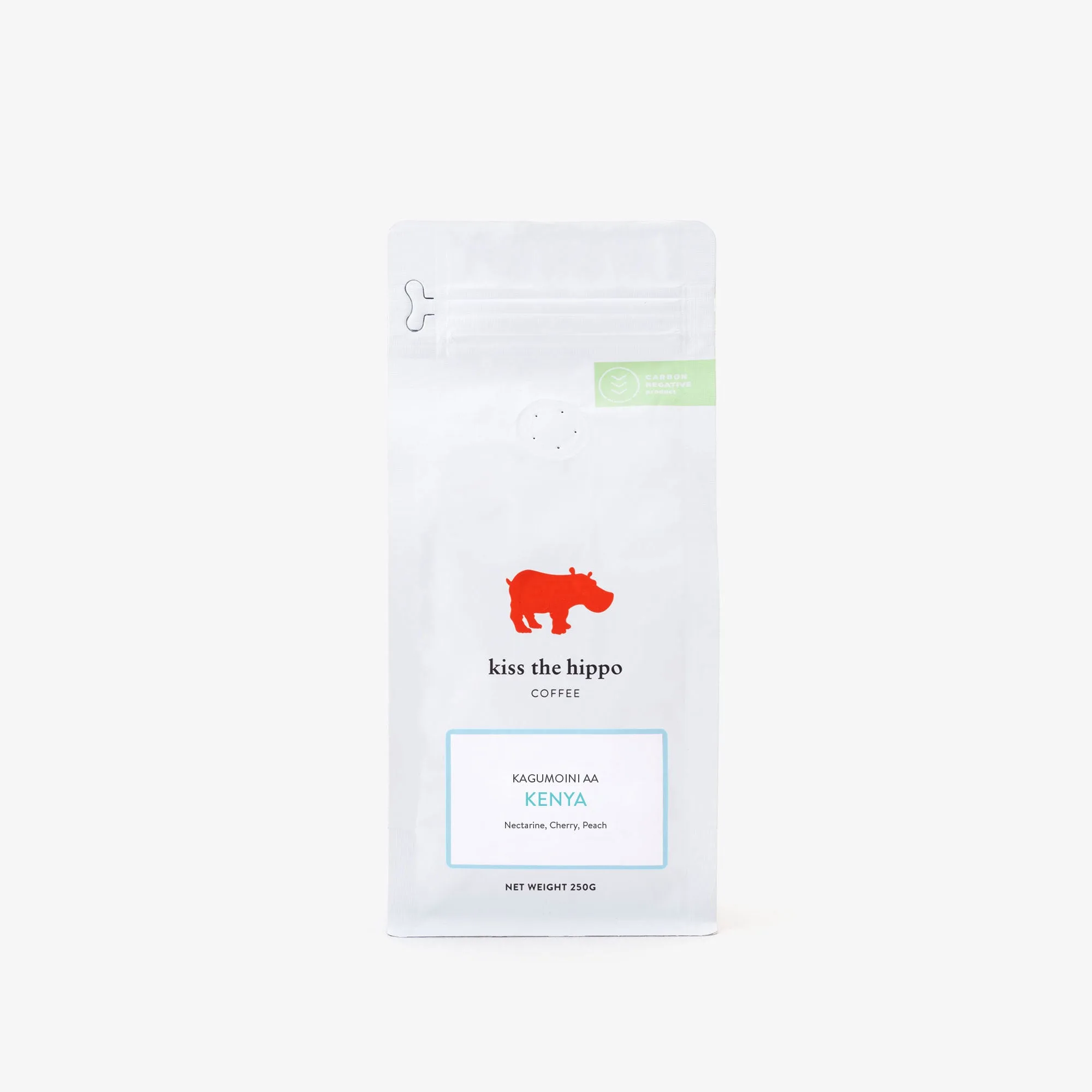
Kenya, Kagumoini AA
The specialty pod movement also embraced sustainability. Early pods were notoriously wasteful, with billions ending up in landfills. In response, companies developed compostable and recyclable pod materials. Kiss the Hippo Coffee’s Nespresso Compatible Compostable Organic Pods are a prime example, using plant-based materials that break down in industrial composting facilities. This innovation allows consumers to enjoy top-tier coffee without the environmental guilt.
- Specialty roasters began offering single-origin pods in the 2010s.
- Compostable materials reduce pod waste significantly.
- Kiss the Hippo’s pods combine quality with eco-friendly design.
The Future of Coffee Pods: Innovation and Sustainability
Today, the coffee pod industry is at a crossroads. Consumers demand both convenience and sustainability, pushing manufacturers to innovate. Biodegradable materials, home-compostable capsules, and refillable pod systems are gaining traction. Additionally, smart pod machines that adjust brewing parameters based on the coffee’s origin are on the horizon, promising to unlock even more flavour from each capsule.
For specialty roasters, the future lies in transparency and traceability. Pods now come with detailed origin stories, roast dates, and flavour notes—similar to whole-bean coffee. Kiss the Hippo Coffee’s single-origin pods, like our Peru, Sergio Chinguel, offer a direct connection to the producer. As technology evolves, we can expect pods to become even more customisable, allowing users to tailor strength, temperature, and volume to their taste.
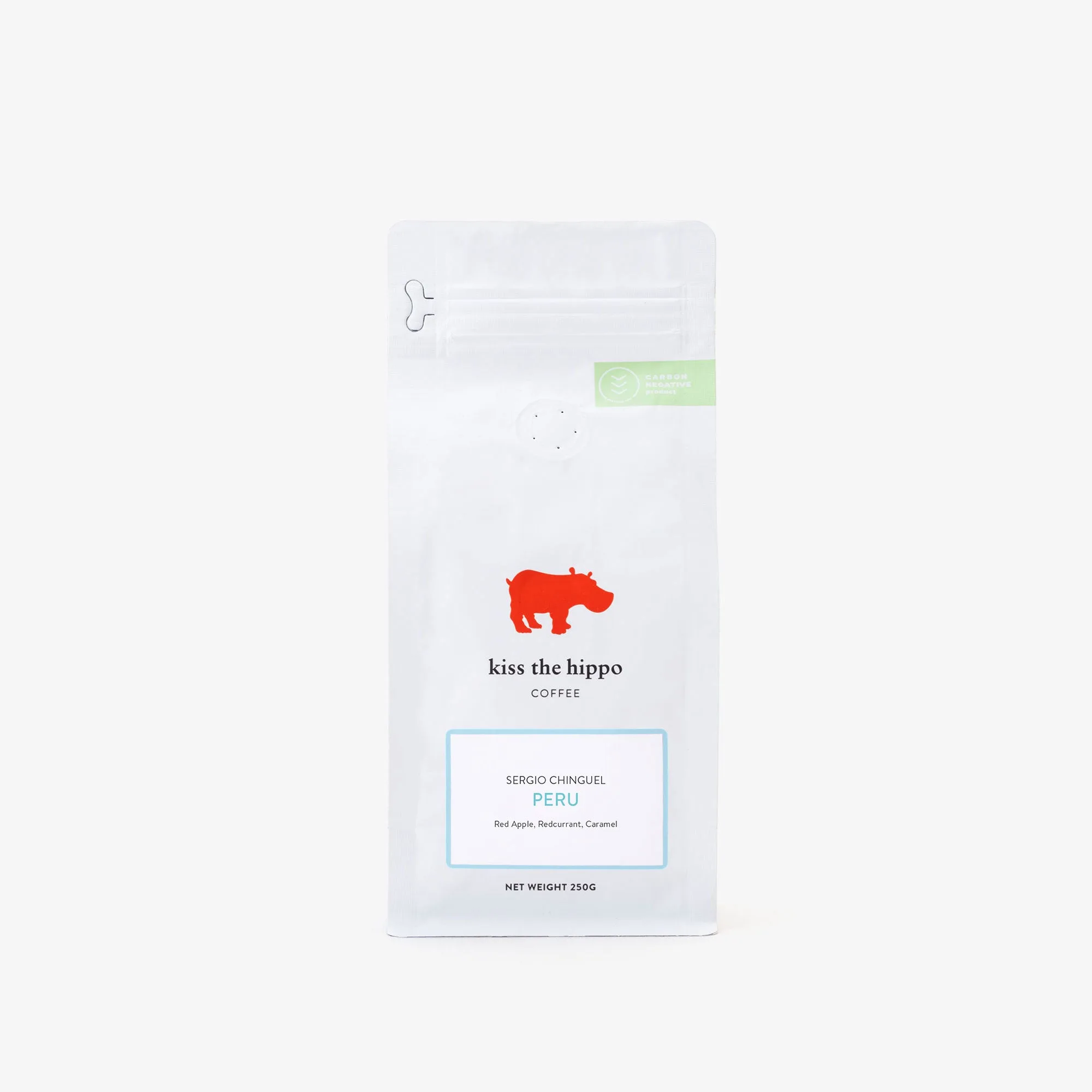
Peru, Sergio Chinguel
- Biodegradable and refillable pods are emerging trends.
- Smart machines will personalise extraction for each pod.
- Traceability and roast dates are now standard for specialty pods.
From Eric Favre’s 1970s patent to today’s specialty revolution, coffee pods have come a long way. They’ve evolved from a convenience novelty into a vehicle for exceptional, sustainable coffee. Whether you’re a long-time pod enthusiast or a curious newcomer, exploring high-quality options like Kiss the Hippo Coffee’s single-origin pods can transform your daily brew. Discover our range and taste the difference that specialty craftsmanship makes.