Quick answer
Hojicha powder and matcha both come from green tea leaves, but roasting changes everything. Hojicha is roasted, giving it a toasty, caramel-like flavor with lower caffeine, while matcha is steamed and stone-ground for a grassy, umami taste and a stronger energy lift. Choose hojicha for a mellow evening drink or baking, and matcha for a vibrant, caffeinated morning ritual.
If you're exploring Japanese green teas, you've likely seen both hojicha powder and matcha on café menus. They look similar in the tin, but the difference in taste, caffeine, and preparation is significant. Understanding these differences helps you pick the right tea for your mood, time of day, and recipe.
This guide breaks down the key distinctions between hojicha and matcha, offers practical ways to use each, and helps you decide which one fits your routine. We'll also touch on how to brew them properly and what to expect from each cup.
What is Hojicha Powder?
Hojicha is a Japanese green tea made by roasting tea leaves (usually bancha or sencha) at high heat. This roasting process turns the leaves a reddish-brown color and gives them a distinct toasty, nutty aroma. When ground into a fine powder, hojicha powder dissolves easily in water or milk, making it a convenient option for lattes and baking.
Because of the roasting, hojicha has significantly less caffeine than matcha. The heat breaks down some of the caffeine, so hojicha is a gentler choice for those sensitive to caffeine or for drinking later in the day. Its flavor is often described as comforting—like roasted grains or caramel—with a natural sweetness that pairs well with milk.
- Hojicha powder is roasted, giving it a toasty, low-caffeine profile.
- It dissolves easily, making it ideal for lattes, smoothies, and desserts.
- The flavor is mellow and slightly sweet, with no bitterness.
What is Matcha?
Matcha is made from shade-grown green tea leaves that are steamed, dried, and stone-ground into a vibrant green powder. Unlike hojicha, matcha is not roasted, so it retains a fresh, grassy flavor with a hint of umami. It also contains the full caffeine of green tea, providing a steady energy boost without the jittery crash of coffee.
Matcha is traditionally whisked with hot water, but it's also popular in lattes, smoothies, and baked goods. Its bright green color and slightly bitter notes make it a distinctive ingredient. Because matcha is more delicate, it requires careful storage and whisking to avoid clumps.
- Matcha is steamed and stone-ground, preserving its vibrant green color and grassy flavor.
- It has more caffeine than hojicha, offering a sustained energy lift.
- Use a bamboo whisk or a small frother to mix matcha smoothly.
Key Differences at a Glance
The main differences between hojicha and matcha come down to processing, taste, and caffeine. Hojicha is roasted, giving it a toasty, caramel-like flavor and lower caffeine. Matcha is shade-grown and steamed, resulting in a grassy, umami taste and higher caffeine. This makes hojicha a better choice for evening relaxation, while matcha suits mornings or midday pick-me-ups.
In terms of usage, both powders can be used in lattes, baking, and smoothies, but the flavor profiles change the outcome. Hojicha's roasted notes pair beautifully with chocolate and caramel, while matcha's vegetal flavor complements citrus and vanilla. Consider what you're making and the taste you want to highlight.
- Flavor: Hojicha is toasty and sweet; matcha is grassy and umami.
- Caffeine: Hojicha is low; matcha is moderate to high.
- Best time: Hojicha for evenings; matcha for mornings.
How to Use Hojicha Powder
Hojicha powder is incredibly versatile. The easiest way to enjoy it is as a latte: whisk one teaspoon of hojicha powder with a little hot water to form a paste, then add steamed milk and sweetener if desired. The roasted flavor makes it a comforting alternative to coffee or matcha.
You can also use hojicha powder in baking—think cookies, cakes, or ice cream—where its toasty notes add depth. Because it's less bitter than matcha, hojicha can be used in larger quantities without overwhelming a recipe. For a quick treat, stir it into yogurt or oatmeal for a subtle tea flavor.
- Hojicha latte: mix 1 tsp powder with hot water, then add milk.
- Baking: substitute up to 1-2 tablespoons of flour with hojicha powder.
- No whisk needed: hojicha dissolves easily in warm liquids.
How to Use Matcha
Matcha requires a bit more technique. To make a traditional bowl, sift 1-2 teaspoons of matcha into a bowl, add a small amount of hot water (not boiling, around 175°F), and whisk in a zigzag motion until frothy. For a latte, combine the whisked matcha with steamed milk and a sweetener of your choice.
Matcha also works in baking, but because it's more potent and bitter, use it sparingly. Start with 1-2 teaspoons per recipe and adjust to taste. Matcha's vibrant green color makes it a striking addition to cakes, cookies, and even savory dishes like soba noodles.
- Use water just below boiling to avoid bitterness.
- Whisk vigorously to create a smooth, frothy texture.
- Store matcha in an airtight container away from light to preserve color.
Hojicha vs Matcha: Which Should You Choose?
The choice between hojicha and matcha depends on your priorities. If you want a low-caffeine, comforting drink for the evening or a subtle flavor for baking, hojicha is the way to go. If you're looking for a vibrant, energizing tea to start your day or a bold flavor that stands out in recipes, matcha is your pick.
Both powders are excellent additions to a tea collection, and you might find yourself using both for different occasions. Hojicha is also a great option for those new to green tea who find matcha too grassy or bitter.
- Choose hojicha for a mellow, low-caffeine option.
- Choose matcha for a traditional, energizing experience.
- Try both to discover your personal preference.
The Tradeoffs of Hojicha vs Matcha
- Flavor: Hojicha offers a toasty, caramel-like sweetness that's approachable and comforting. Matcha has a grassy, umami flavor that can be bitter if over-brewed. If you prefer sweet and mellow, hojicha wins; if you want a bold, vegetal taste, matcha is better. Pick hojicha for dessert-like drinks, matcha for traditional tea.
- Caffeine: Hojicha has significantly less caffeine due to roasting, making it suitable for evenings or those sensitive to caffeine. Matcha provides a moderate to high caffeine boost with a smooth, sustained energy. Consider your sensitivity and time of day. Choose hojicha for late-day relaxation, matcha for morning focus.
- Preparation: Hojicha powder dissolves easily in hot water or milk, requiring minimal whisking. Matcha needs sifting and vigorous whisking to avoid clumps and achieve a frothy texture. If you value convenience, hojicha is simpler; if you enjoy ritual, matcha is rewarding. Hojicha for quick lattes, matcha for a mindful tea ceremony.
Tea Powders and Accessories at Onyx Coffee Lab
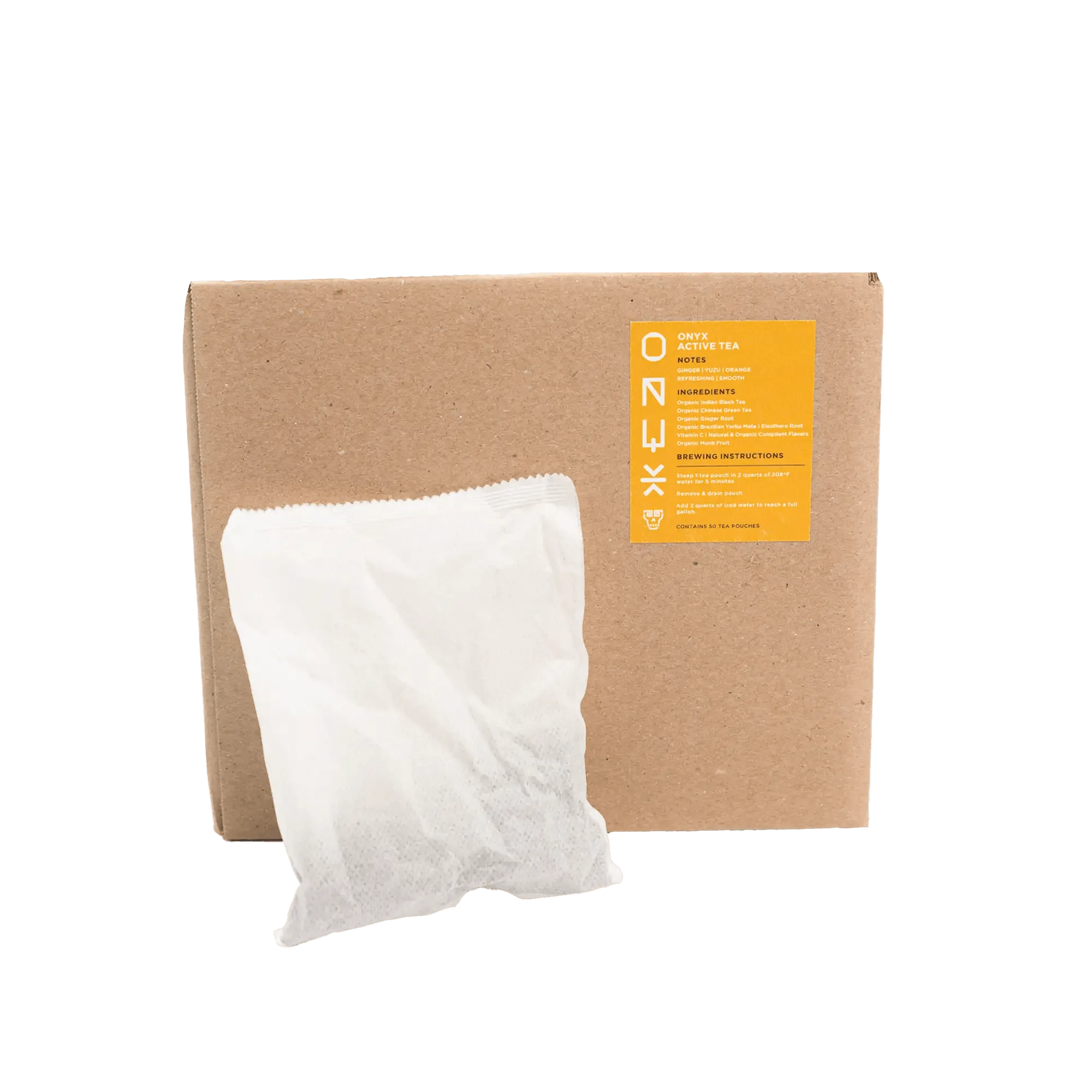
- Onyx Active Tea: Rejuvenating iced tea blend with a bright refreshing flavor, that is easy to make and drink! Includes 50 pouches (500 servings per box). Elevated Taste with Sustained Energy: Enjoy a delightful taste and a steady energy lift without the typical burst and bust associated with regular caffeinated drinks. If you're looking for a tea-based drink that offers a steady energy lift without the jitters, this blend is a convenient alternative to matcha. It's ready in seconds—just steep and serve—making it a practical choice for busy mornings.
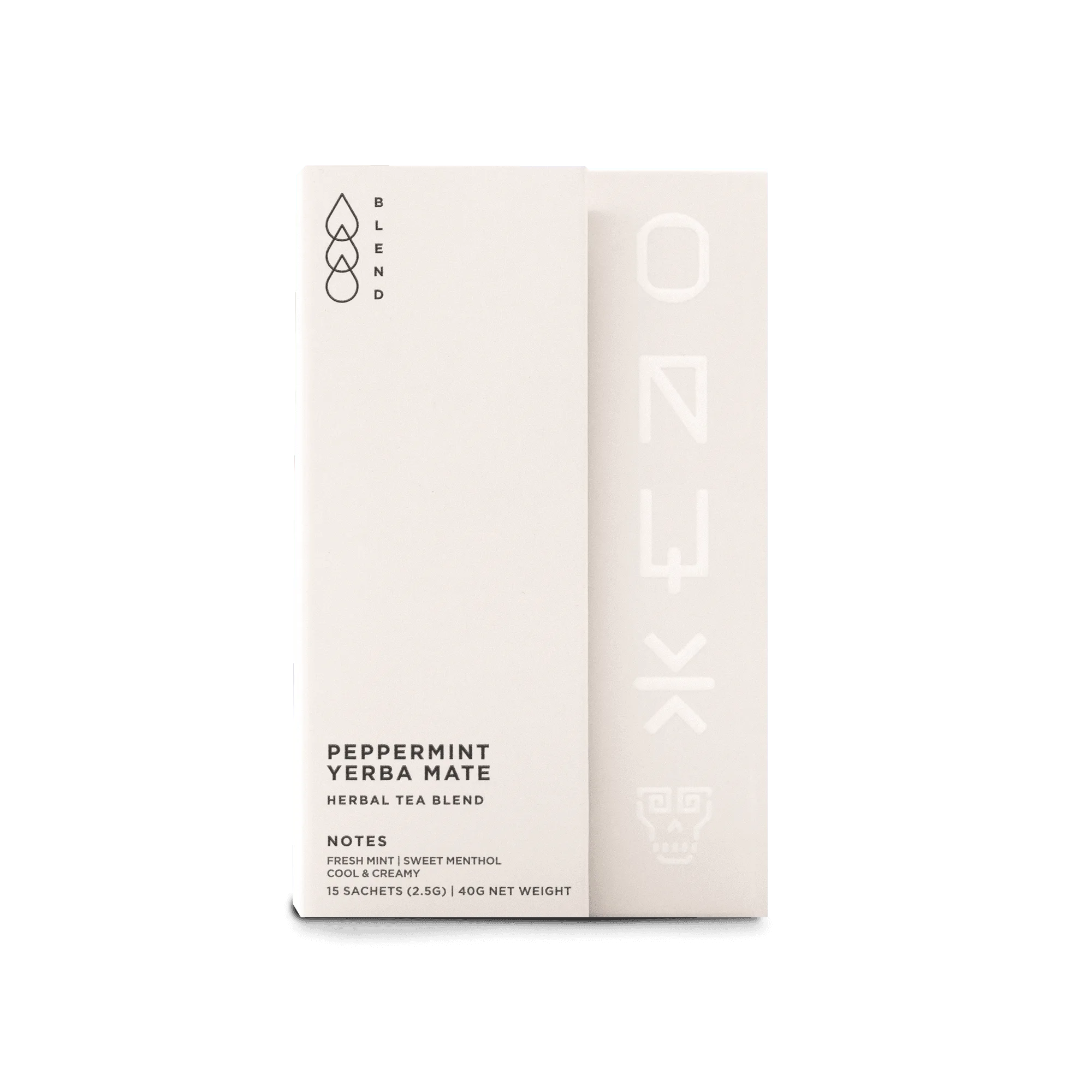
- Peppermint Yerba Mate: This crisp, light botanical tea is a blend designed to soothe and energize at the same time. Green leaves from the yerba mate plant, an evergreen tree in the holly family, are dried over a fire and then blended with organic peppermint leaves to produce a refreshing sweetness that coats the tongue with each calming sip. Yerba mate naturally contains caffeine. For those who enjoy the roasted, earthy notes of hojicha but want a caffeine boost, this tea offers a similar soothing yet invigorating experience. It's a great option for an afternoon pick-me-up without the intensity of matcha.
Which Tea Powder Fits You?
Best for
- Evening drinkers who want a low-caffeine, comforting tea
- Bakers looking for a subtle, toasty flavor in desserts
- Those new to green tea who prefer a sweeter, less bitter taste
Not for
- People seeking a high-caffeine morning ritual—opt for matcha instead
- Those who want a vibrant green color in their latte or baked goods—matcha is better
Both hojicha powder and matcha have their place in a well-stocked tea pantry. Hojicha offers a mellow, roasted comfort that's perfect for unwinding, while matcha delivers a vibrant, energizing experience. Consider your flavor preferences, caffeine needs, and how you plan to use the powder. Whichever you choose, you're in for a delicious cup of Japanese green tea.