Quick answer
Start with a budget and a rough count per stocking, then choose a mix: one practical item, one consumable, one tiny treat, and one small keepsake. Fill from the toe up with the heaviest and flattest items first, and keep a few flexible extras on hand for last-minute guests or forgotten names.
Stockings are the first thing many people reach for on holiday morning, yet they are often the last thing planned. That is how you end up with three tubes of lip balm and a candy cane stuck to a tangerine. A little planning turns a pile of small holiday gifts into a stocking that feels personal and complete.
This holiday stocking guide walks through a simple decision process: set a budget, choose a count, pick categories that fit the person, and fill in an order that keeps everything visible. You will also find stocking stuffer ideas by age and honest trade-offs so you can stop second-guessing every little purchase.
Set a budget and a target count before you shop
Decide on a per-stocking budget and a rough item count. A common approach is 5 to 8 items per adult stocking and 7 to 10 for kids, but the number matters less than the mix. If your budget is tight, reduce the count rather than buying filler that no one will use.
Write the count on a sticky note and keep it with your list. When you see a tempting small holiday gift, check whether it fits a category you already planned. This one habit prevents the classic mistake of buying five similar items and missing the practical one.
- Set a total budget, not just a per-item limit.
- Aim for variety: practical, consumable, treat, keepsake.
- Leave one slot empty for a last-minute find.
Choose stocking stuffer ideas by age and interest
For young children, focus on items that are safe, easy to use, and quiet enough for early morning. Think stickers, small puzzles, crayons, or a soft accessory. Avoid tiny parts for kids who still put things in their mouths, and skip noisy toys if the stocking is opened before others are awake.
For teens and adults, practical wins. A good pen, a favorite tea, a compact mirror, or a pair of cozy socks will get used. If you are stuck, think about what they replace often: phone cables, hair ties, lip balm, or kitchen sponges. For grandparents, consider a framed small print, a note card set, or a treat they would not buy for themselves. Stocking stuffers by age are less about age and more about daily routines.
- Kids: stickers, small books, crayons, hair accessories.
- Teens: phone accessories, snacks, gift cards, fun socks.
- Adults: consumables, tools, stationery, self-care items.
- Seniors: photos, note cards, teas, easy-to-hold items.
How to fill a stocking so everything fits and shows
Start at the toe with the heaviest and flattest items. A small book, a box of tea, or a folded T-shirt creates a stable base. Next, add medium items upright along the back, then tuck small items into the gaps. Keep the most visually interesting item near the top so it peeks out.
If you have a tall item, like a rolled poster or a long spoon, place it against the back seam. Use tissue paper or a small fabric scrap to fill empty space, but avoid crumpled newspaper if the stocking will be handled by kids. The goal is a full shape without crushing anything. A stocking that stands up on its own looks intentional and is easier to photograph.
- Heaviest items go in the toe first.
- Place tall items against the back seam.
- Use tissue or fabric to fill gaps, not to hide junk.
- Keep one item visible at the top as a teaser.
Balance practical, consumable, and keepsake items
A stocking feels satisfying when it mixes categories. Practical items get used, consumables disappear happily, and one small keepsake adds meaning. If you buy only consumables, the stocking may feel light; if you buy only keepsakes, it can feel cluttered. A 2-1-1 ratio of practical to consumable to keepsake works for many adults.
For kids, you can lean more toward practical and consumable, with one small toy or craft. If you are filling a stocking for a coworker or a host, skip the keepsake unless you know their taste. A nice tea, a good chocolate, and a useful kitchen towel are safe and welcome.
- Practical: socks, pens, toiletries, kitchen tools.
- Consumable: tea, coffee, candy, bath salts.
- Keepsake: a small print, ornament, or handwritten note.
- Avoid strong scents or political items for casual gift exchanges.
Plan for shipping, wrapping, and last-minute additions
If you are mailing a stocking, choose flat, lightweight items and avoid liquids that can leak. Pack the stocking inside a box with padding so it keeps its shape. For local giving, keep a small bin of backup items: extra candy, a spare pair of socks, a generic note card. This saves a trip when an unexpected guest arrives.
Wrap items only if the stocking will be opened slowly. Otherwise, skip individual wrapping to reduce waste and frustration. A single piece of tissue around fragile items is enough. Label any item that could be mistaken for something else, especially if it looks like a toy but is not.
- Mail flat, lightweight, non-leaking items.
- Keep a backup bin for unexpected guests.
- Skip individual wrapping for young kids.
- Label fragile or ambiguous items.
Common mistakes and how to avoid them
The biggest mistake is buying too many small things that add up to more than a main gift. Set a budget and stick to it. Another mistake is ignoring the stocking itself: a stretched or torn stocking will not hold a heavy load. Check the loop and seams before you fill it.
Finally, do not forget the person who does the filling. If you are the one who always stuffs the stockings, ask for a helper or prepare your own small treat. A little planning makes the holiday morning smoother for everyone.
- Do not let small items exceed your main gift budget.
- Check stocking seams and hanging loop before filling.
- Include a small treat for the person who fills the stockings.
- Keep a list so you do not double-buy.
Decision rules for filling any stocking
- Rule 1: Budget first: Set a total budget and a target item count before you shop. If you find a great item that pushes you over, remove something else. Aim for 5–8 items per adult and 7–10 per child, adjusted for budget.
- Rule 2: Mix categories: Include at least one practical item, one consumable, and one small treat. Add a keepsake only if you know the person will appreciate it. A 2-1-1 practical-to-consumable-to-keepsake ratio works for most adults.
- Rule 3: Fill from the toe up: Place heavy, flat items in the toe, medium items along the back, and small items in the gaps. Keep one interesting item visible at the top. The stocking should stand on its own without crushing contents.
Small keepsakes that fit a stocking
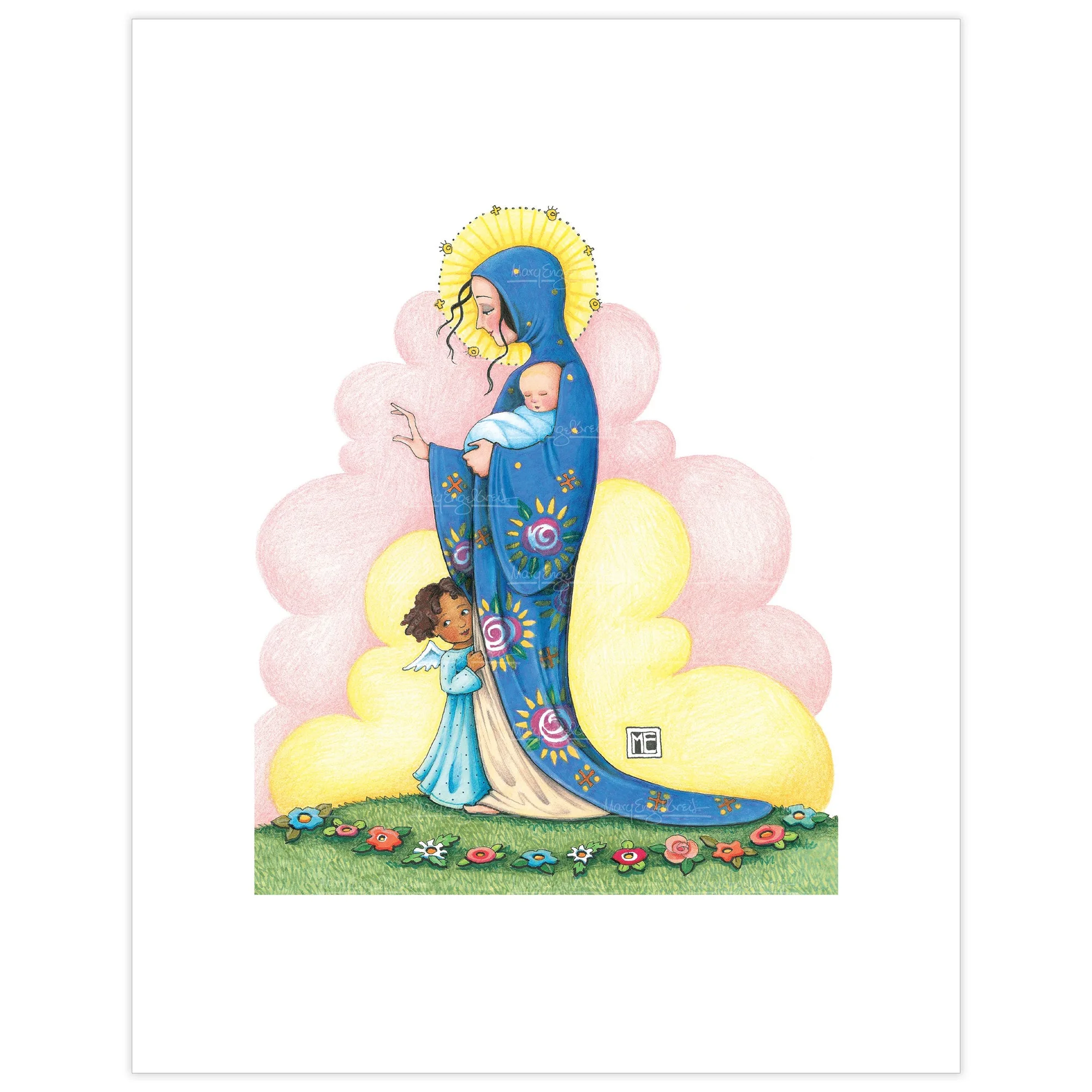
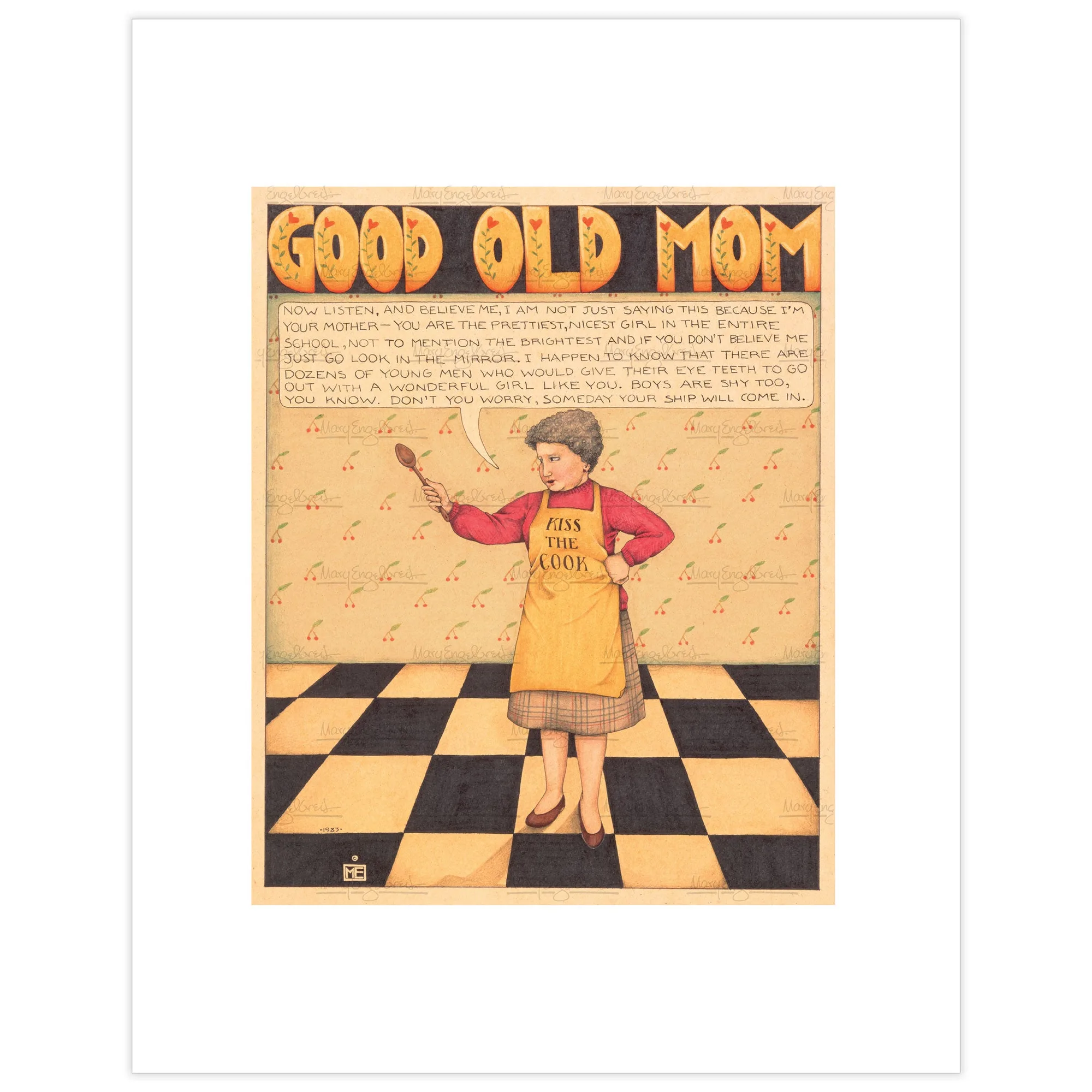
- Our Lady Fine Art Print: Printed on high-quality, textured paper in standard frame sizes, available with Mary's signature. Created to order, so allow up to one week for processing. A small print can be rolled or slipped into a large stocking, and the standard size makes framing easy after the holiday.
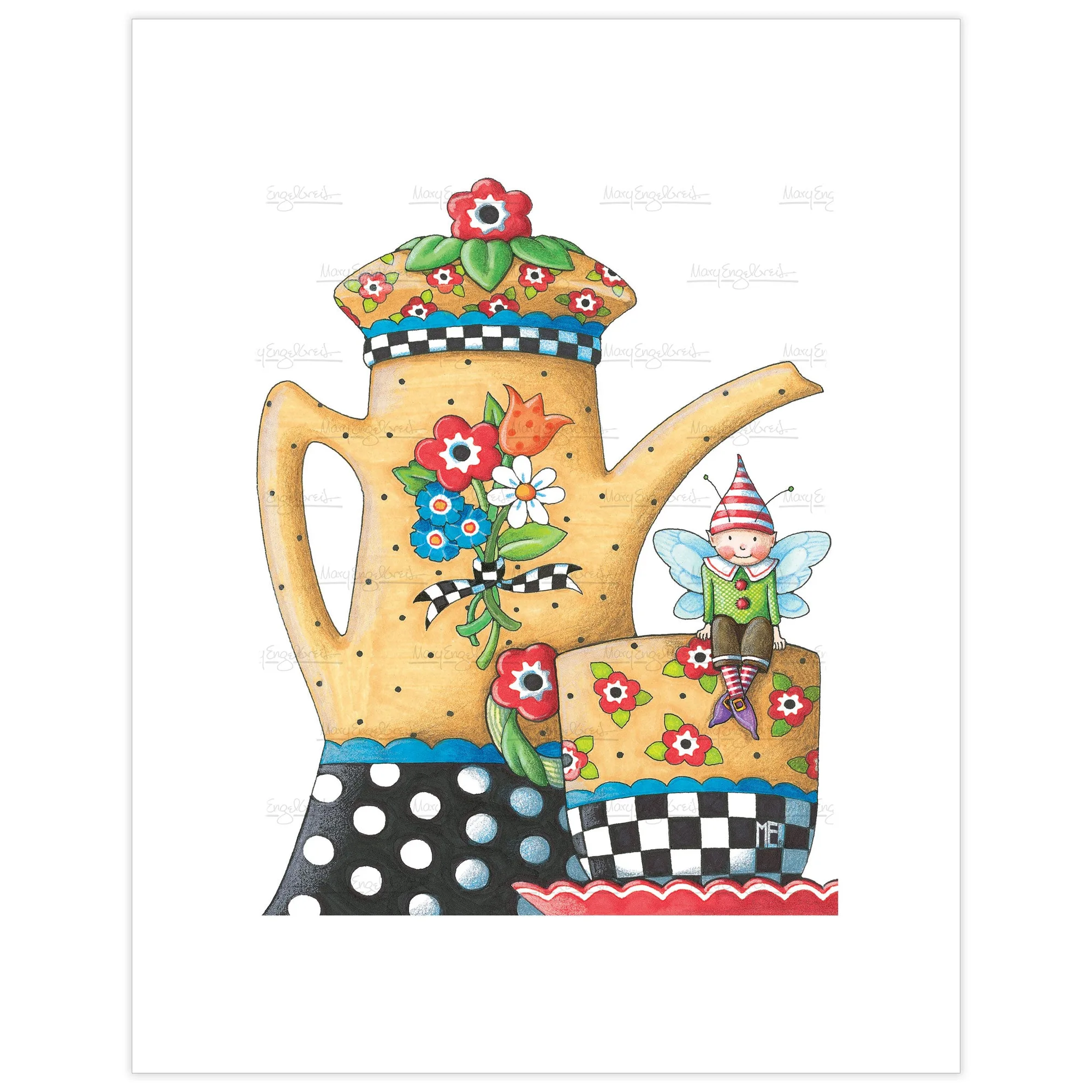
- Teacup Elf Fine Art Print: Printed on high-quality, textured paper in standard frame sizes, available with Mary's signature. Created to order, so allow up to one week for processing. The whimsical artwork suits a tea lover or a cozy corner, and the flat format ships well if you are mailing a stocking.
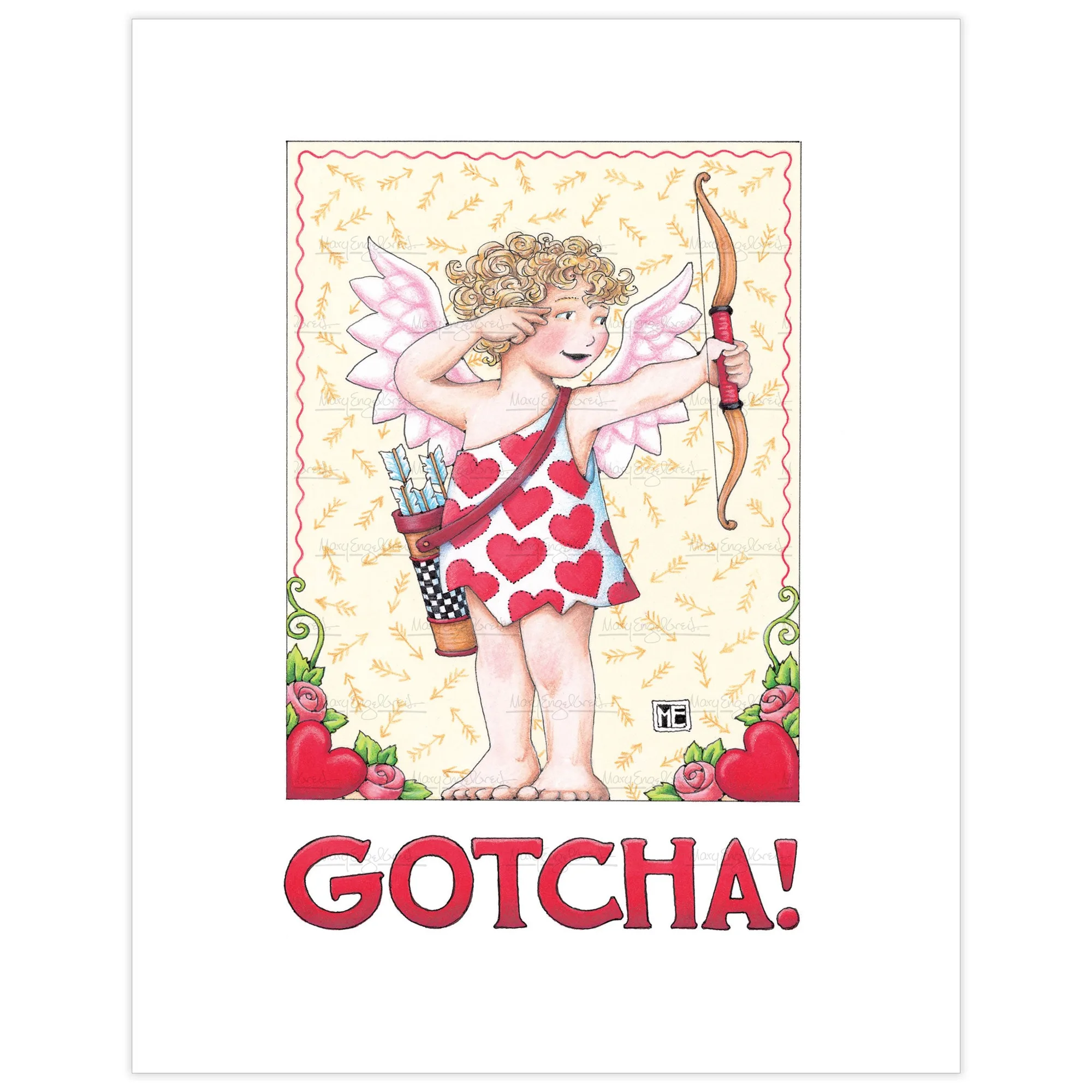
- Gotcha Fine Art Print: Reads 'Gotcha!' and is printed on high-quality, textured paper in standard frame sizes, available with Mary's signature. Created to order, so allow up to one week for processing. A playful print works as a small keepsake for a friend or family member who enjoys a bit of humor.
Who this stocking planning guide is for
Best for
- Anyone filling multiple stockings who wants a repeatable system.
- Shoppers who want stocking stuffer ideas by age without overspending.
- People mailing stockings who need flat, lightweight gift ideas.
Not for
- Shoppers looking for a single large main gift rather than small fillers.
- People who prefer to buy everything in one store without planning categories.
- Gifters who want pre-filled stockings rather than building their own.
A good stocking is not about how much you spend; it is about matching small items to the person and filling with a little order. Set a budget, choose a mix, and keep a backup bin for surprises. With a simple plan, you can enjoy the holiday morning instead of scrambling for one more thing.