Quick answer
For most cold-weather camping, a sleeping bag is the better primary choice because it is built to trap heat around your whole body and packs into a compact size. A cabin comforter like the Homestead Cabin Comforter Blanket is the better pick for cabin stays, RV trips, and car camping where weight and packed size matter less and you want a plush layer to drape over a chair or bed. If you sleep cold, pack the sleeping bag first and add the comforter as a top layer.
How the two options differ in real use
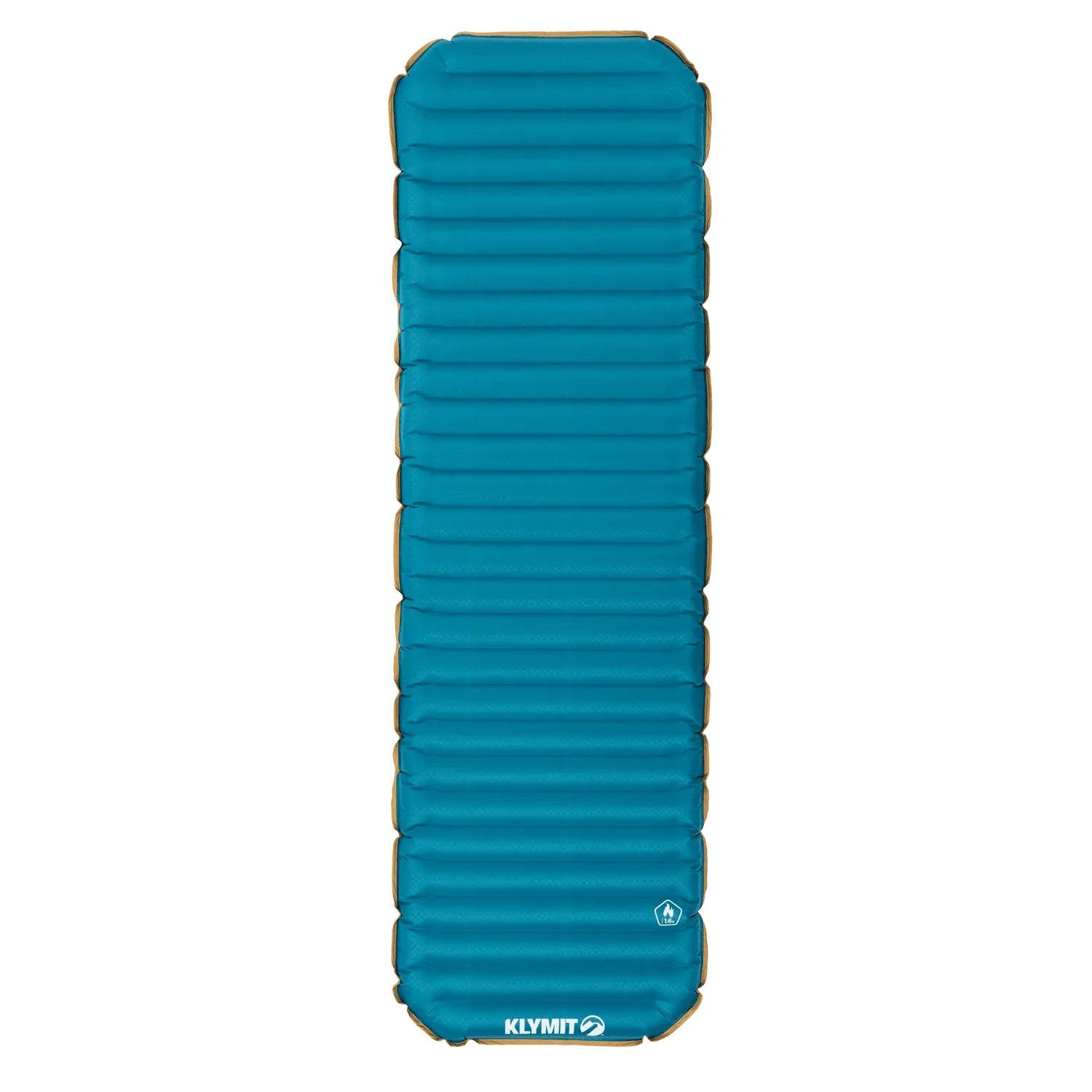
A sleeping bag is a closed system. It wraps your head, shoulders, and feet in one layer, so your body heat stays trapped in a small space. The Klymaloft Base Sleeping Pad uses I-beam baffle construction to create lofted pockets where a sleeping bag can nestle in, trapping warmth when temperatures drop. That pairing is the main reason a bag plus a pad is the standard cold-weather setup.
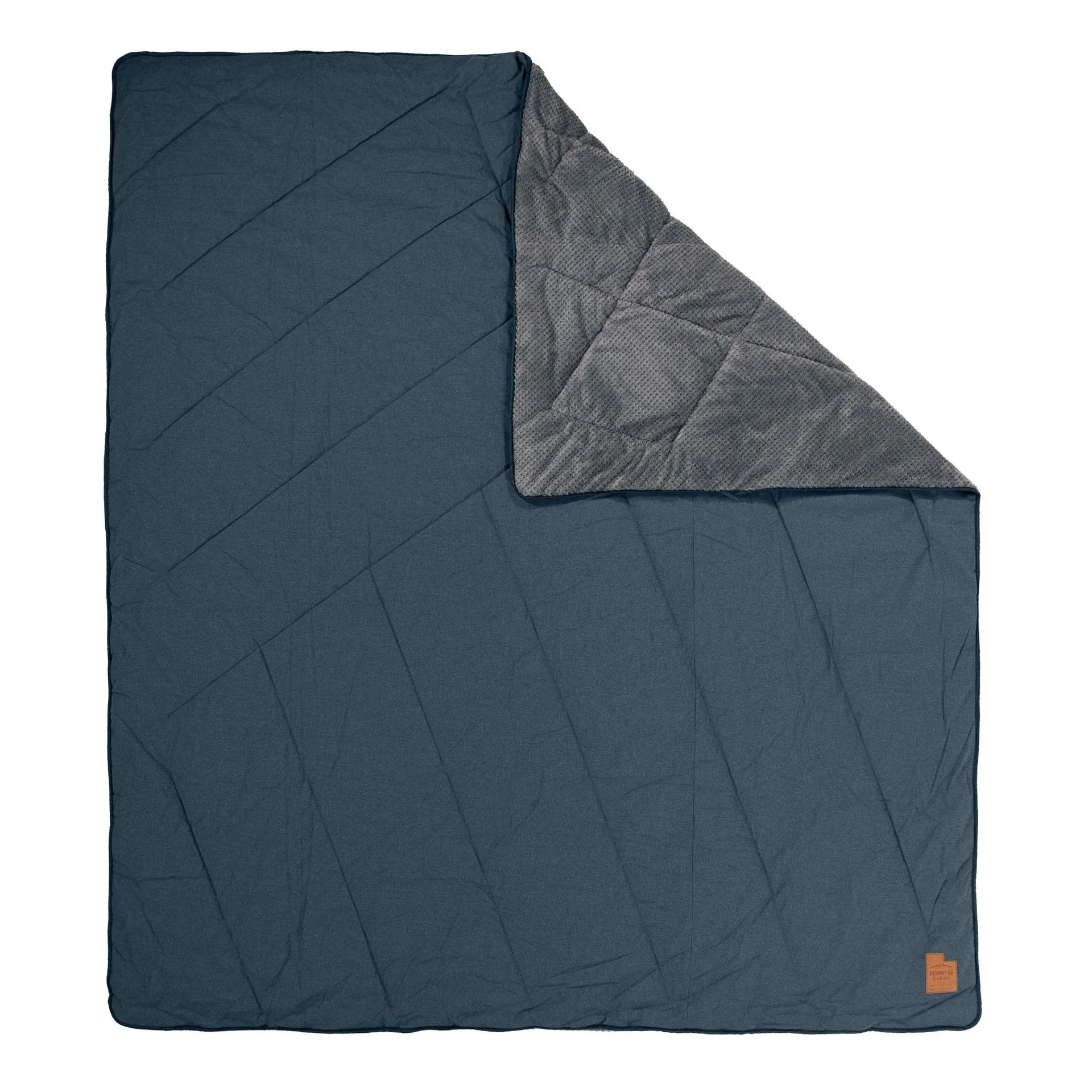
A comforter is an open layer. The Homestead Cabin Comforter Blanket has a durable canvas exterior and a plush high-loft fleece lining with thick synthetic insulation. It does not seal around you the way a bag does, but it is easier to throw over a chair, a cot, or a bed, and it feels more like home bedding. The trade-off is clear: the bag is more efficient at trapping heat, while the comforter is more comfortable to live with in a cabin or RV.
Packed size, weight, and where each one fits
Sleeping bags compress into a stuff sack and are designed to be carried. A comforter is bulkier and is not meant to be strapped to a backpack. If you are hiking in, the bag wins on packed size alone. If you are loading a car, a truck bed, or an RV, the comforter's bulk is less of a problem and its size becomes an advantage because it covers more area.
The Klymaloft Base Sleeping Pad is a lighter, streamlined model in the Klymaloft line, which makes it a good match for campers who want comfort without a heavy pad. Pair it with a sleeping bag for backpacking trips. Pair the Homestead comforter with the same pad for a car-camping bed that feels closer to a real bed.
Warmth strategy for cold nights
On genuinely cold nights, the sleeping bag does the heavy lifting. Its closed shape reduces the air you have to heat, and the pad underneath stops ground cold from pulling warmth out of your body. The comforter can then go on top of the bag as an extra layer, or underneath as a soft base layer on a cot.
If you only bring the comforter, expect to manage drafts. It works best when you tuck it around you on a cot or bed and add a pad underneath. For tent camping in shoulder seasons, many people bring both: the bag as the primary sleep system and the comforter for sitting around the fire before bed.
Maintenance and small spare parts
A sleeping bag and pad need occasional cleaning and air drying, but they have few user-serviceable parts. WaterPORT gear is different: the Pump Cap Gasket 3-Pack is a simple replacement part that helps restore a proper seal on a WaterPORT pump cap. It is worth keeping in your camp bin if you also carry a WaterPORT tank, because a worn gasket can turn a working pump into a frustrating one.
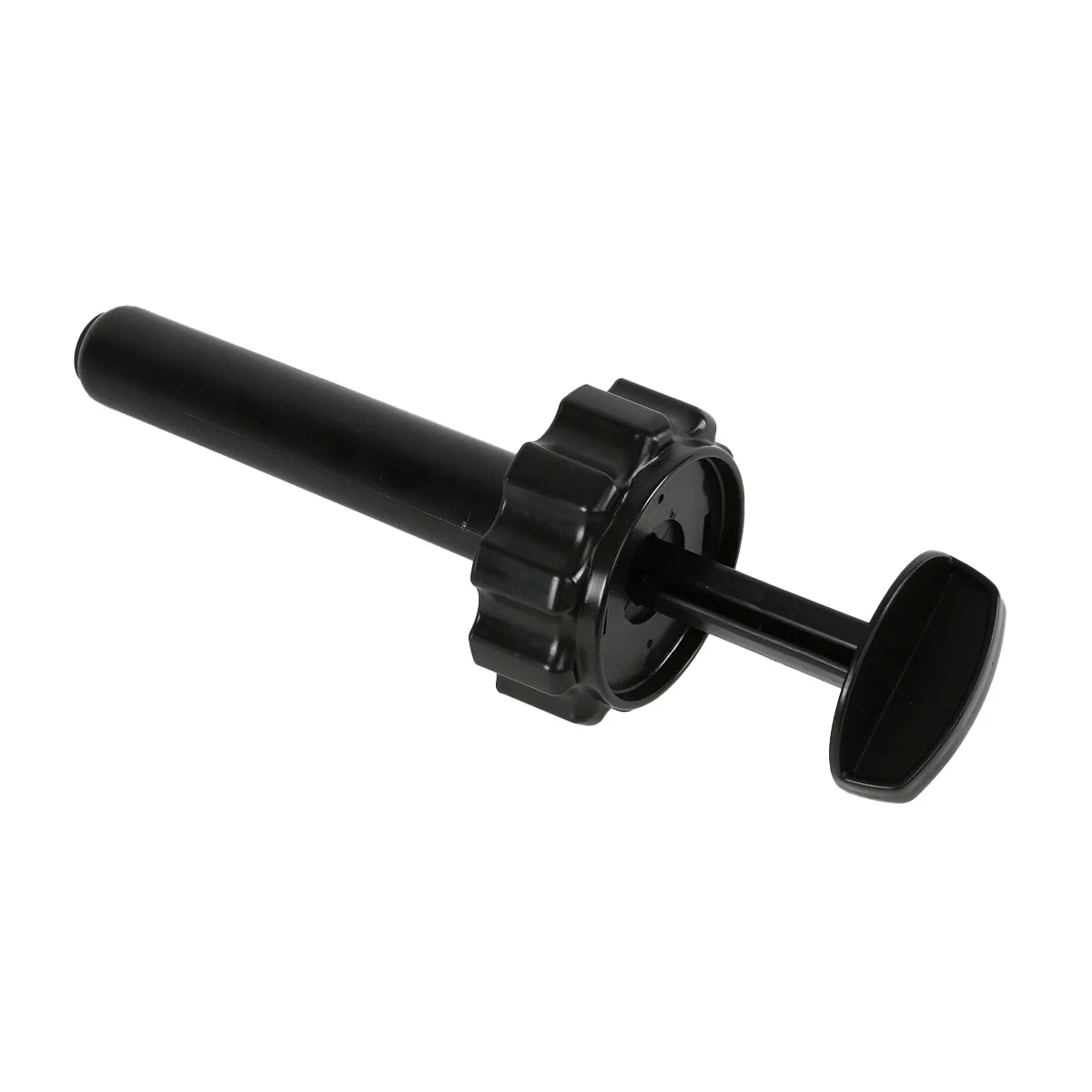
Pump Cap
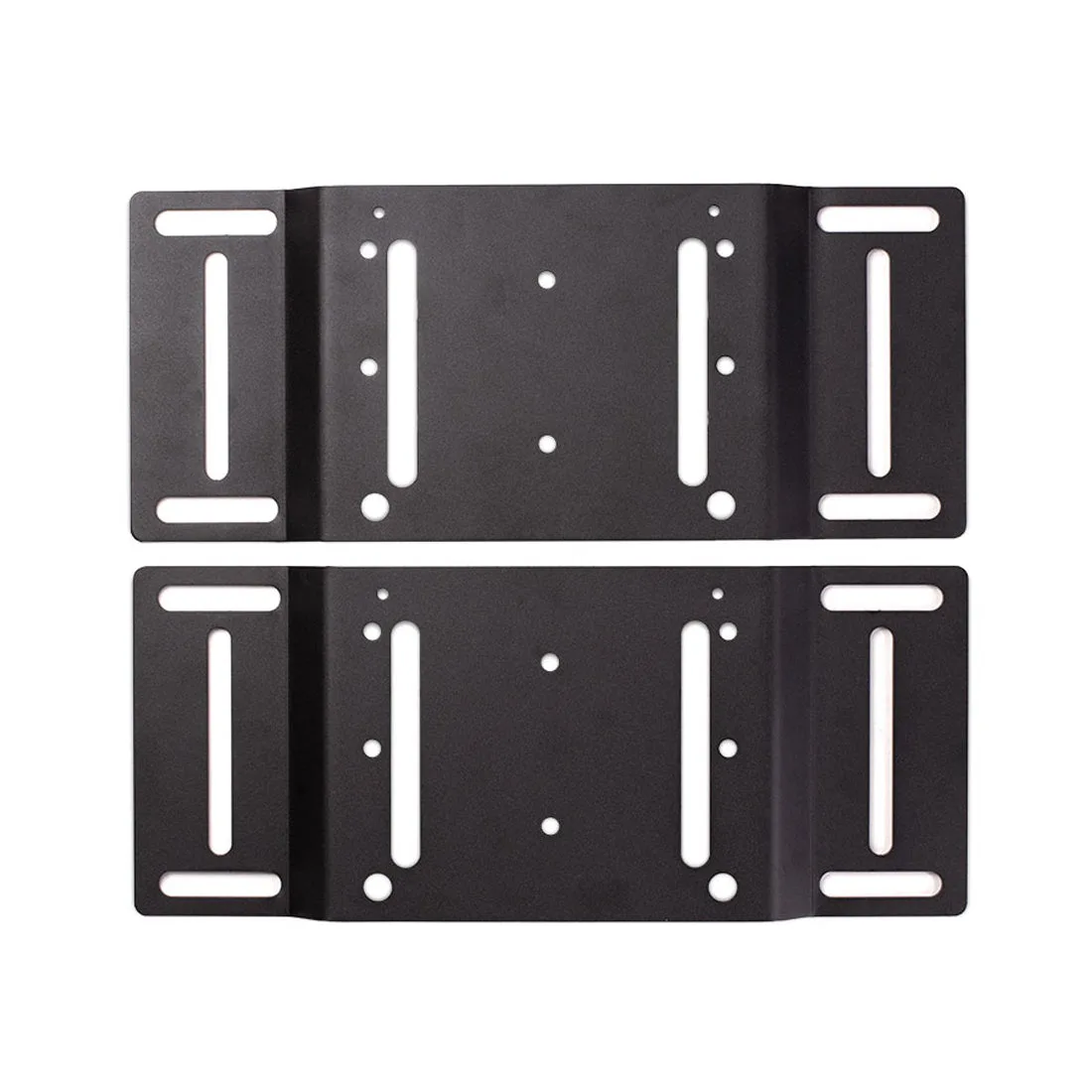
The Flat Bracket 2-Pack is the mounting plate that already comes with the WaterPORT 8 Gallon Weekender Tank, along with the hardware needed for most installs. If you are building out a vehicle camp, these small parts matter more than they look: they keep your water system mounted and your sleep area clear.
Trade-offs at a glance
- Warmth efficiency: A sleeping bag traps body heat in a closed space, while a comforter is an open layer that loses heat at the edges. Choose the bag for cold nights; add the comforter on top if you sleep cold.
- Packed size and weight: A sleeping bag compresses into a stuff sack and is made to carry. A comforter is bulkier and not designed for backpacking. Backpacking favors the bag; car camping and cabin trips can handle the comforter.
- Comfort and versatility: The Homestead comforter works as a chair throw, a bed topper, or an extra layer, while a bag is mostly a sleep-only item. If you want one piece of bedding that does more around camp, the comforter earns its space.
Product facts
- Homestead™ Cabin Comforter Blanket: The Homestead Cabin Fleece Comforter has a durable canvas exterior, a plush high-loft fleece lining, and thick synthetic high-loft insulation. It is built for cozy, stationary comfort at a cabin or in an RV rather than for packing into a backpack.
- Klymaloft Base™ Sleeping Pad: The Klymaloft Base Sleeping Pad uses I-beam baffle construction to create plush loft, stable air chambers, and lofted pockets where a sleeping bag can nestle in to trap warmth. It gives you a defined sleep surface that pairs naturally with a sleeping bag for cold nights, and it is lighter and more streamlined than the rest of the Klymaloft line.
- Pump Cap Gasket - 3 Pack: The Pump Cap Gasket 3-Pack includes three replacement gaskets for a WaterPORT pump cap and helps fix a faulty pump cap seal. A cheap spare that keeps your water setup working on trips where you are already carrying sleep gear and bedding.
- Flat Bracket - 2 Pack: The Flat Bracket 2-Pack is the mounting plate that comes with the WaterPORT 8 Gallon Weekender Tank and includes hardware for most installs. Useful if you are mounting a water tank in a vehicle or trailer and want a stable, out-of-the-way setup.
Which should you pack?
Best for
- Backpackers and tent campers who need a compact, heat-trapping sleep system
- Cold sleepers who want a closed bag plus a pad for three-season nights
Not for
- Cabin and RV campers who want a plush, open blanket to drape over a bed or chair
- Anyone who wants one piece of bedding for sitting around the fire and sleeping