Quick answer
Choose a hormone balance supplement by matching the formula's structure to your goal, not by the longest ingredient list. Check four things in order: serving size and daily dose, the specific form of each ingredient, whether the formula is built for cycle-phase shifts or for perimenopause, and whether the label makes structure/function claims rather than disease claims. If a label hides the dose behind a proprietary blend, treat that as a reason to keep looking.
Start with the serving size, not the ingredient list
The first number that matters is how much you actually take per day. A capsule count of '3 per day' with 18 ingredients is a different product from '1 per day' with 4 ingredients, even if the front label looks similar. Multiply the per-serving amount by the number of servings to see the true daily dose.
Then check whether the label lists amounts for every active ingredient or groups them into a proprietary blend. A blend can legally hide individual doses, which makes it impossible to compare formulas or judge whether the amount matches what research uses. For a hormone balance supplement label, full transparency is the single most useful quality signal.
Match the formula to your stage, not to a trend
Cycle support and perimenopause support are not the same job. A cycle-focused formula usually works with the four phases of the menstrual cycle and may shift ingredients or doses across the month. A perimenopause formula tends to target different concerns, such as temperature regulation, sleep, or mood, and is taken consistently rather than cyclically.
If you are still having regular cycles, look for a formula that explicitly references phase-based support or cyclical dosing. If your cycles have become irregular or you are in perimenopause, look for ingredients studied in that context and a dosing schedule that does not depend on a predictable cycle. Buying a cycle formula for perimenopause, or the reverse, is the most common mismatch.
Read the ingredient forms, not just the names
Two labels can both say 'cranberry extract' or 'fenugreek' and still deliver different experiences, because plant extracts vary by standardization and ratio. When a label specifies the extract ratio or the active compound, you have something to compare. When it only names the plant, you are buying on trust.
For probiotic ingredients, the form question becomes a count question. CFU (colony forming units) tells you how many live organisms are in the capsule at the time of manufacture, and shelf-stability tells you whether they survive without refrigeration. Both belong on the label if the product is positioned around women's flora or gut support.
Know what a label can and cannot claim
In most markets, a supplement label may make structure/function claims, such as 'supports normal hormonal balance,' but not disease claims, such as 'treats PMS' or 'replaces HRT.' That is a legal line, not a quality line. A confident, specific structure/function claim is normal; a disease claim on a supplement label is a warning sign.
This also means no supplement label can promise a lab result. If your goal is clinical, such as diagnosing a thyroid issue or confirming perimenopause, a supplement is not the tool. Use the label to judge the formula, and use a clinician to judge your hormones.
Check the format against your real routine
The most carefully formulated supplement fails if you will not take it consistently. Three capsules a day suits some routines and breaks others. A shelf-stable capsule that travels well may beat a refrigerated probiotic you leave at home. Before buying, count the daily doses and picture your busiest week, not your calmest one.
If you already take other supplements, scan for overlap. Two products with the same botanical or the same strain family can double up without you noticing. A short list of what you already take, kept on your phone, makes label reading faster in the aisle.
Decision rules for the supplement aisle
- If the dose is hidden, skip it: A proprietary blend that lists ingredients without amounts makes comparison impossible. Unless the brand publishes doses elsewhere, you cannot judge whether the formula matches research. Full dose transparency is non-negotiable.
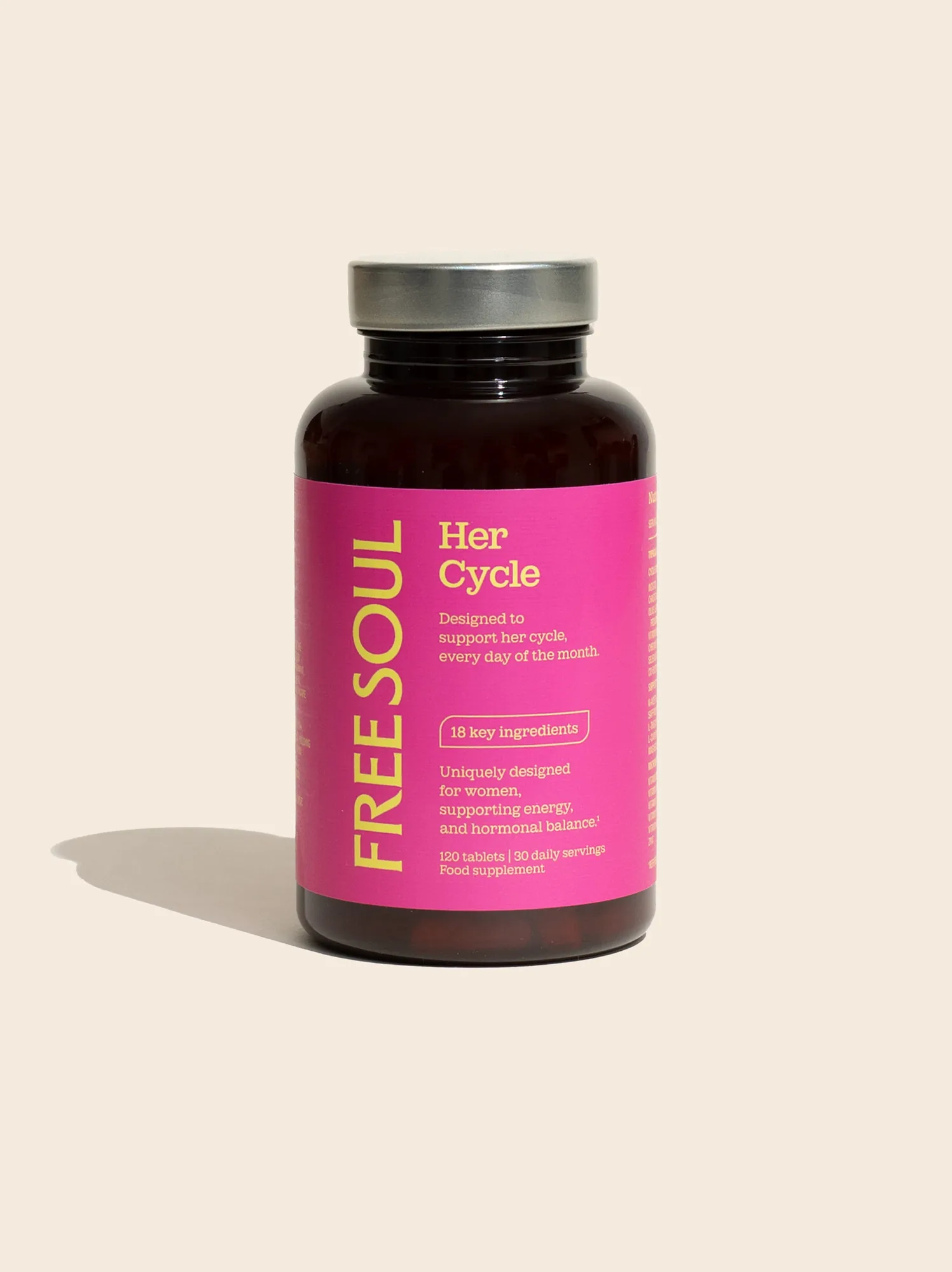
- If you have regular cycles, choose phase-based support: Look for a formula that explicitly references the four phases or cyclical dosing, like Her Cycle. Flat formulas are not wrong, but they do not adapt to the shifts in energy, mood, and nutrient needs across the month. Match the formula structure to your cycle status.
- If you are in perimenopause, choose consistent daily support: Prioritize ingredients studied in perimenopause and a dosing schedule that does not assume a predictable cycle. Re-read the label for temperature, sleep, or mood positioning rather than cycle-phase language. Do not buy a cycle formula for a non-cyclical stage.
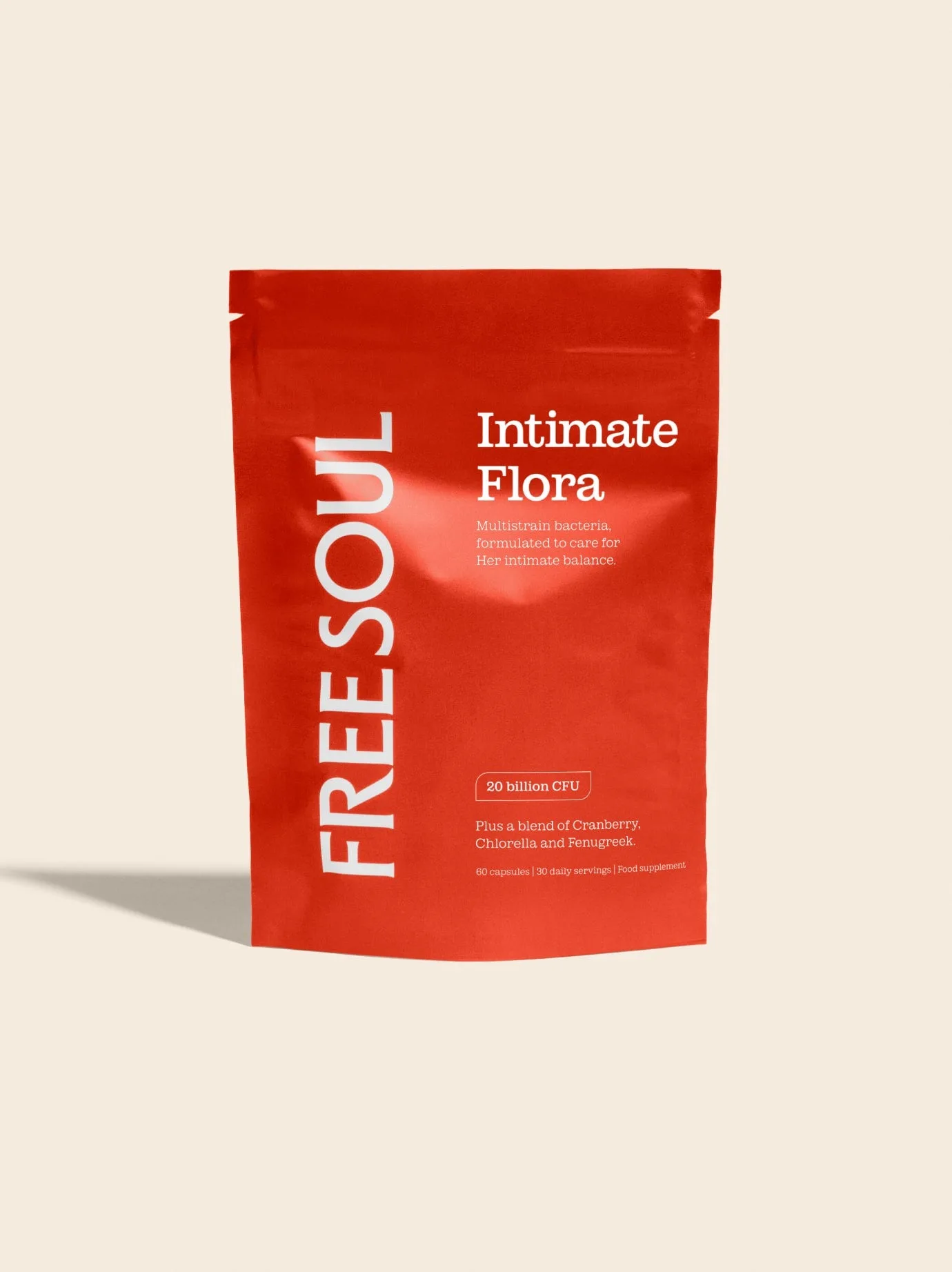
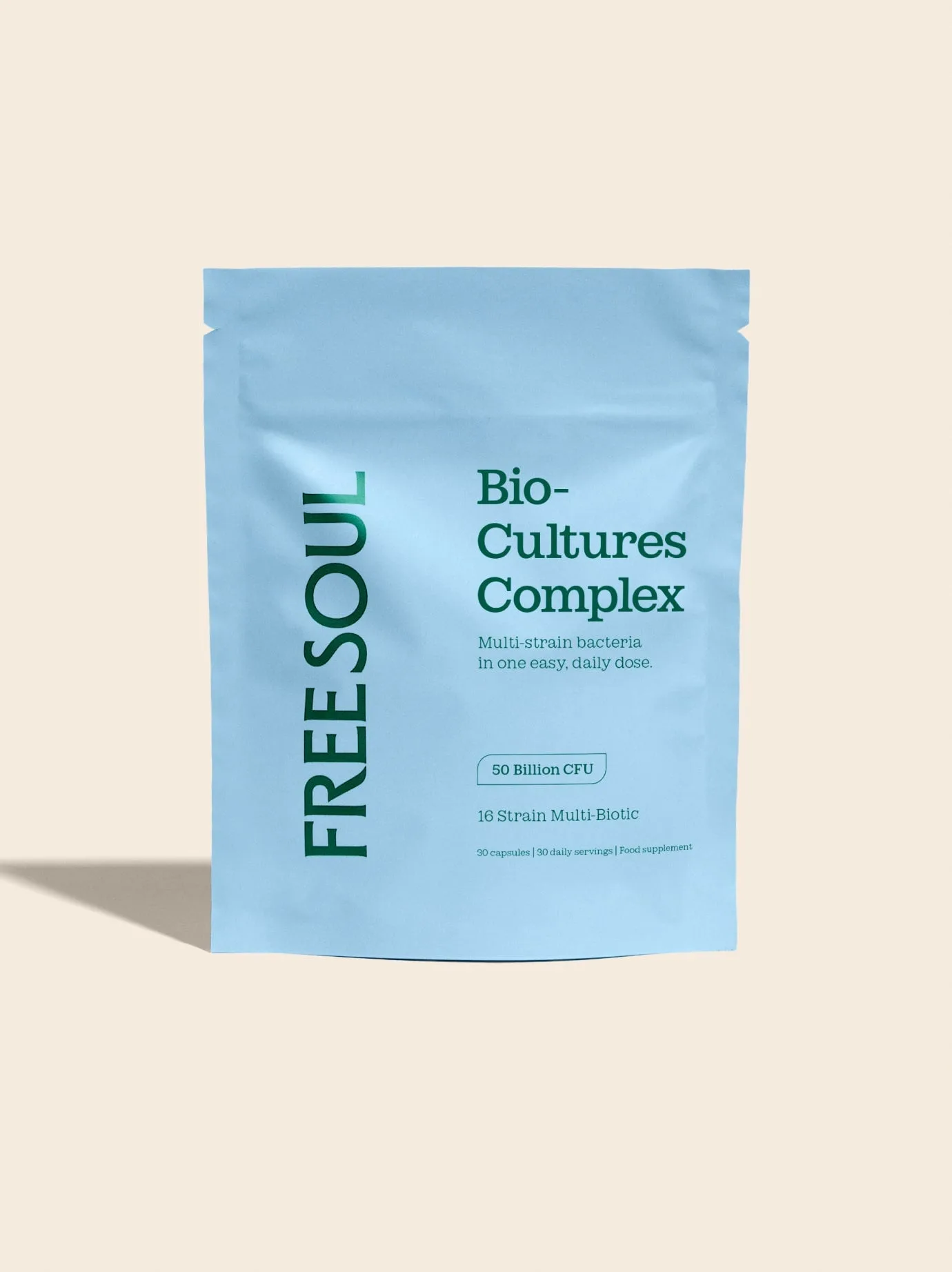
- If you need a probiotic, compare CFU and storage: Check the CFU count and whether the product is shelf-stable. Intimate Flora states 20 billion CFU and no refrigeration; Bio-Cultures states 50 billion CFU across 16 strains. Both numbers matter more than the front-label wording. CFU plus storage format beats marketing claims.
- If the label promises a cure, walk away: Structure/function claims are allowed; disease claims are not. A supplement that claims to treat a condition is either non-compliant or overreaching. Treat disease claims as a disqualifier.
Label examples worth studying
- Her Cycle Hormone Balance Supplement: Her Cycle is built around three targeted stacks, 18 science-backed ingredients, and an expert-led formula for female physiology, designed to work with the four phases of the cycle. This is the clearest example of a cycle-phase structure: the formula changes job across the month rather than doing one flat task. It fits readers who still have a predictable cycle and want phase-based support.
- Intimate Flora for Women: Intimate Flora for Women delivers 20 billion CFU per capsule in a vegan-friendly, shelf-stable format that needs no refrigeration, combining well-researched bacterial strains with fenugreek and cranberry extract. A concrete CFU number plus a shelf-stability statement is exactly the transparency to look for. The travel-friendly format also answers the adherence question before you buy.
- Bio-Cultures Capsules: Bio-Cultures Capsules use a blend of 16 live strains delivering 50 billion CFU per capsule, formulated for women and aimed at digestive and gut biome support. Higher CFU is not automatically better, but a stated strain count and CFU total let you compare like for like. This is the gut-focused option if your priority is digestion rather than flora.
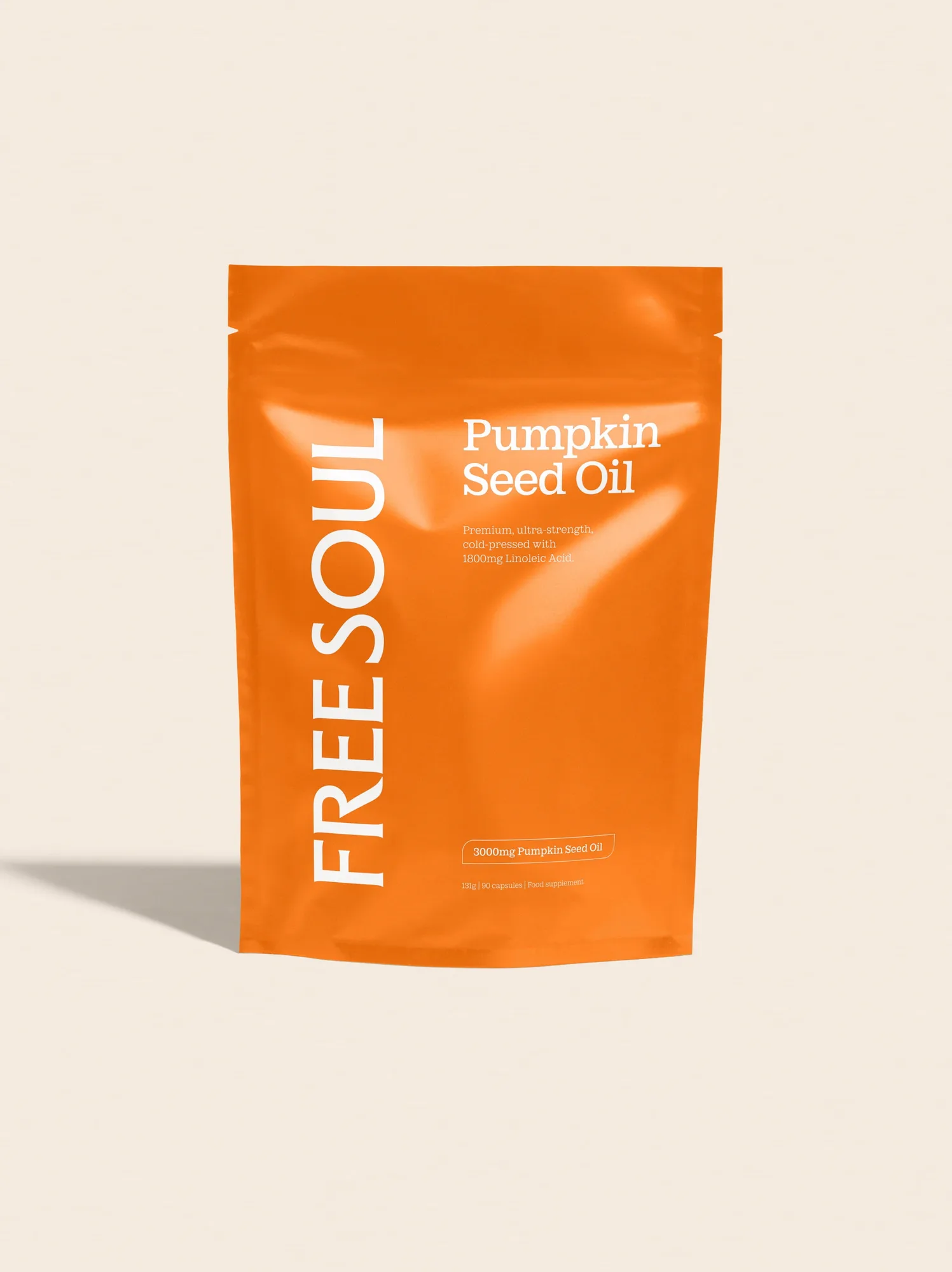
- Cold Pressed Pumpkin Seed Oil Capsules: Cold Pressed Pumpkin Seed Oil Capsules provide 3000mg of cold-pressed virgin oil per daily dose, rich in linoleic acid (omega 6) and oleic acid (omega 9), in three easy-to-swallow vegan capsules. A single-ingredient product with a stated daily dose is the easiest label to audit. It is a useful benchmark when you are comparing multi-ingredient formulas with hidden blends.
Who this buying approach fits
Best for
- Women who still have a regular cycle and want phase-based hormonal support
- Readers comparing multi-ingredient formulas and single-ingredient benchmarks before buying
- Anyone who wants to judge a hormone balance supplement label without a nutrition background
Not for
- Anyone seeking treatment for a diagnosed hormonal condition, who should work with a clinician
- Shoppers who want a single one-pill solution regardless of cycle stage
- People who will not take a product consistently, since label quality cannot fix adherence