Quick answer
Buy horse boot accessories by fit and function first: match liners and straps to the exact boot model, choose materials that suit your horse's workload, and replace only the worn part when the shell is still sound. If you use magnetic therapy, spare magnets let you reposition coverage without buying a new rug.
Start with the boot you already own
Accessories only work when they match the boot's design and size. Check the label or product page for the model name and available option types before ordering liners, straps, or replacement parts. If the boot uses a specific fastening system, a generic strap may not thread correctly or hold tension. Measure the current part, note how it attaches, and compare that with the replacement's stated dimensions.
Liners and straps: what to replace and when
Liners manage moisture, cushioning, and cleanliness. Replace a liner when it stays damp, packs down, or no longer sits flat against the leg. Straps and fastenings wear faster than shells because they flex every ride. Replace a strap at the first sign of fraying, stretched holes, or a buckle that no longer holds. Keeping one spare strap per pair of boots avoids a missed ride.
Materials and care that extend accessory life
Choose materials that match your routine. Breathable, washable fabrics suit frequent schooling and are easier to keep hygienic. Soft linings reduce rubbing for sensitive horses. After each use, wipe or rinse according to the manufacturer's instructions, dry fully before storage, and store boots and accessories away from direct heat that can degrade elastic and foam.
Decision rules for buying boot accessories
- Match the model, not just the brand: Confirm the boot name and size on the label or product page. A liner or strap from a different model may not align with the attachment points or coverage area. If the model is unclear, measure the old part and compare dimensions before ordering.
- Replace the worn part, keep the sound shell: Inspect straps, liners, and fastenings separately. If the outer shell is intact and the protection layer is uncompromised, replacing only the worn accessory is usually enough. Retire the whole boot if the shell is cracked, stiff, or no longer sits correctly.
- Choose care based on how often you ride: Frequent schooling and wet conditions call for washable, quick-drying materials. Occasional use tolerates simpler care, but drying fully before storage still prevents odour and material breakdown. Buy a spare set of liners if you ride most days and cannot wait for a full dry.
Product facts
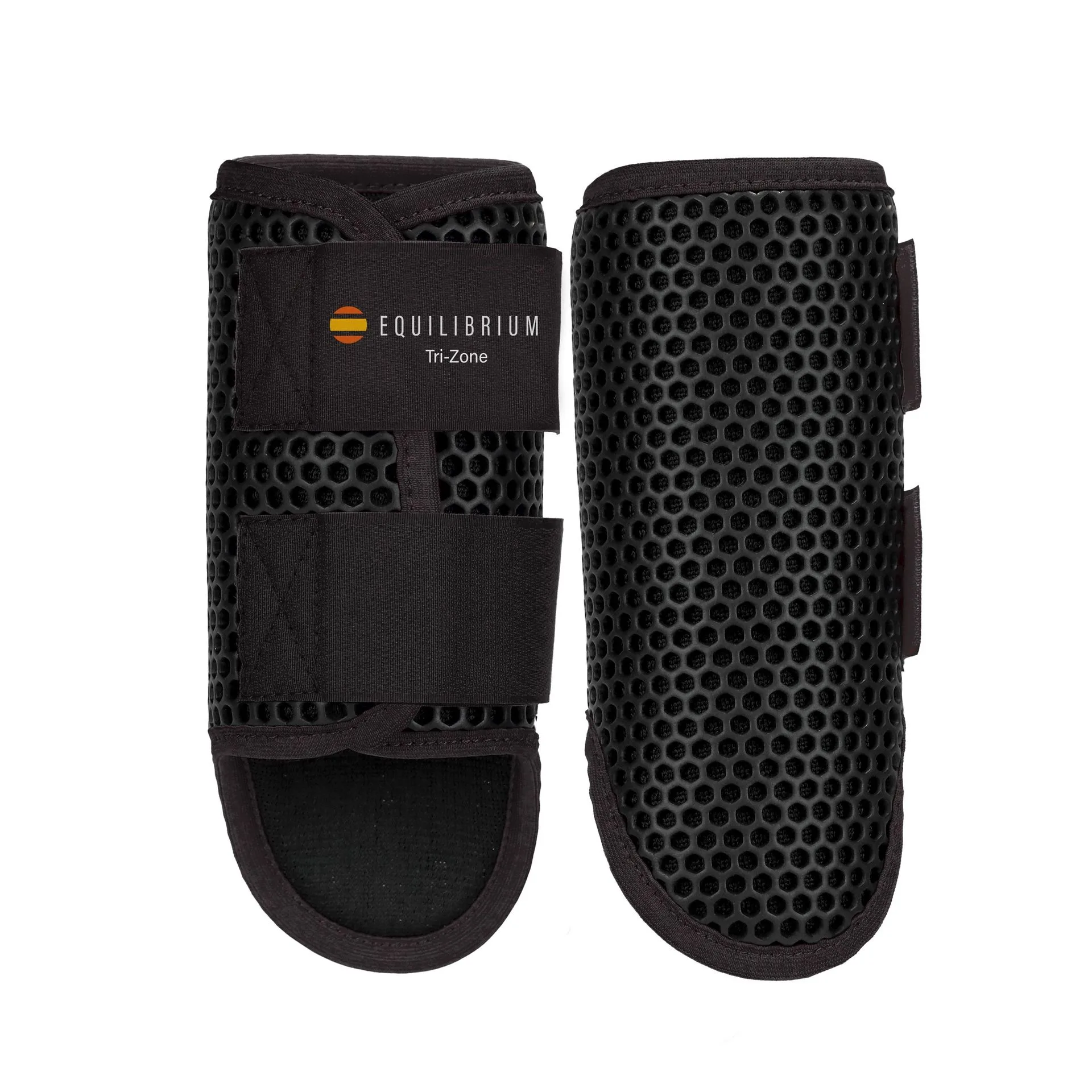
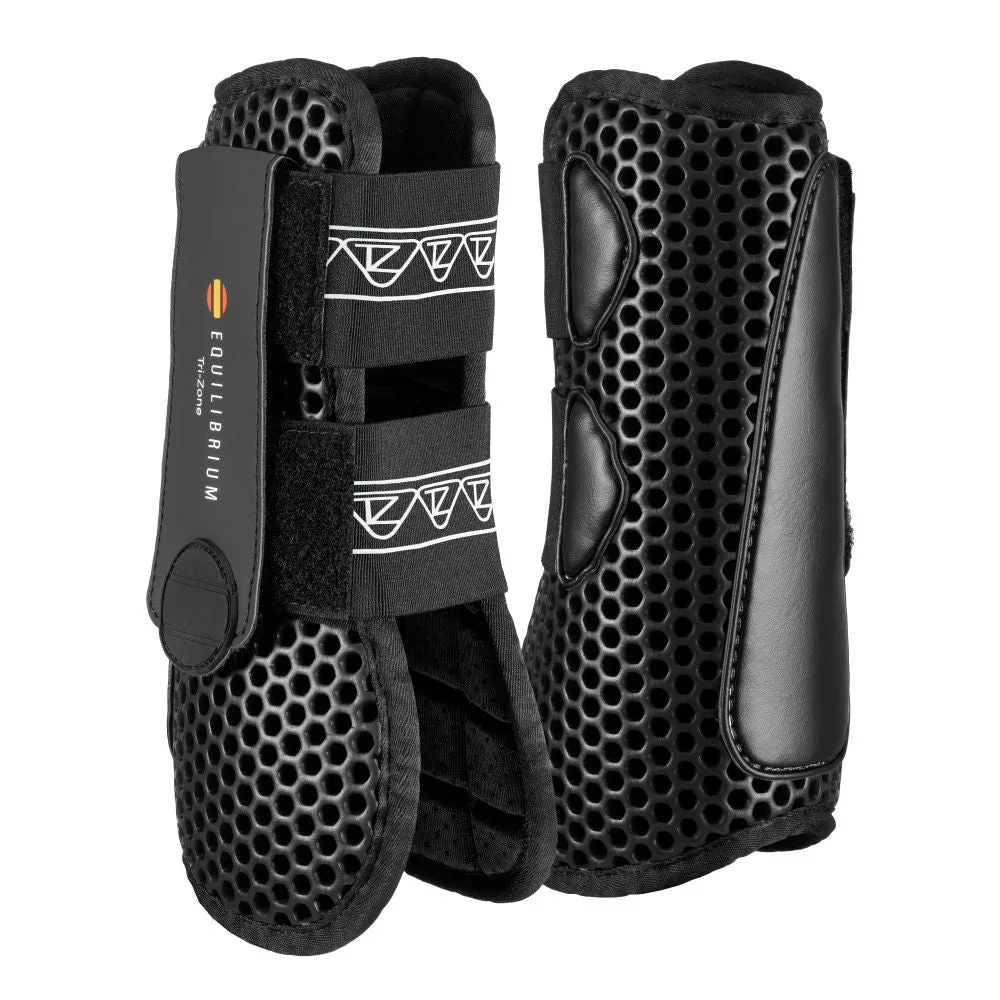
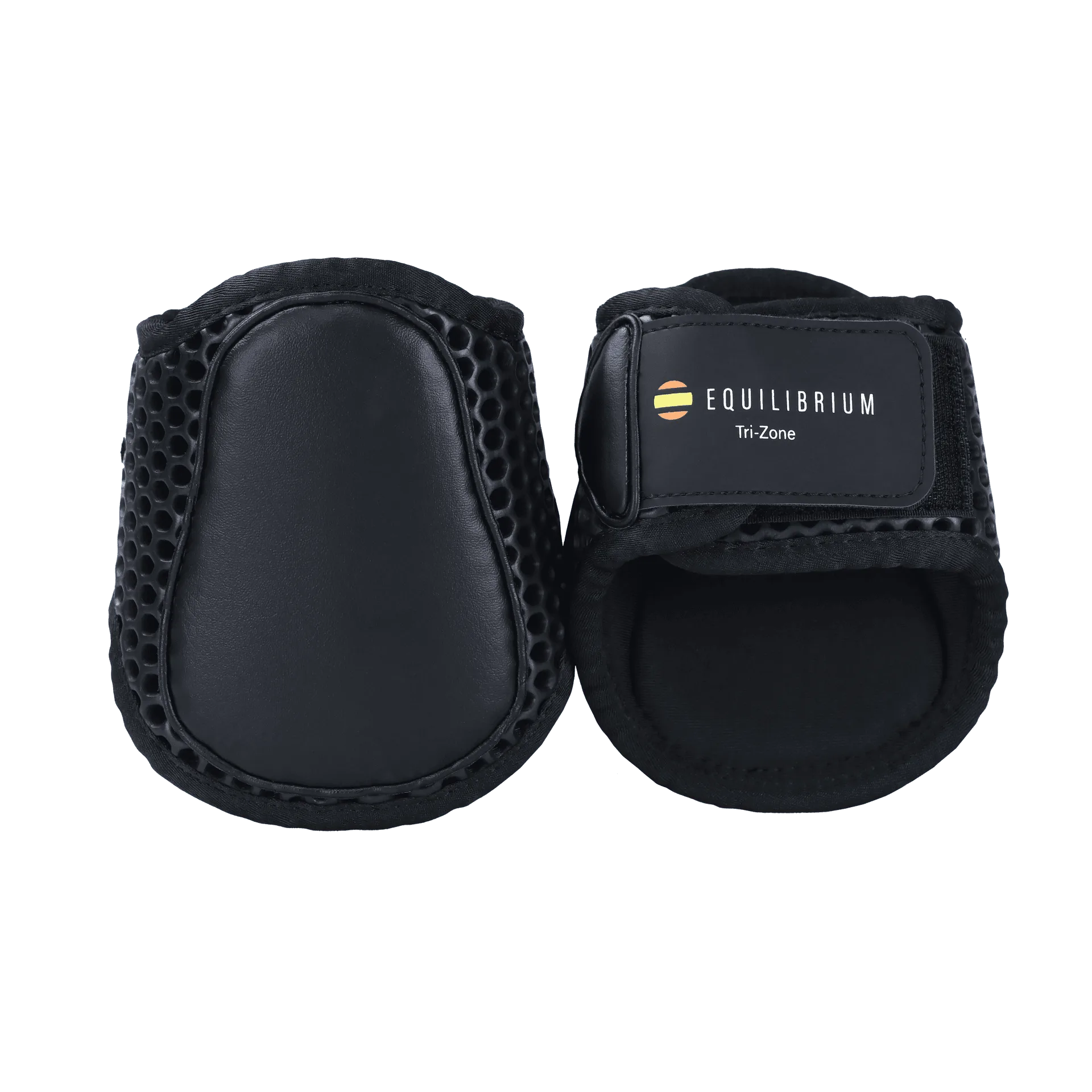
- Tri-Zone Fetlock Boots: Tri-Zone Fetlock Boots are lightweight, breathable, and use three protective layers against concussion and penetration injuries; they are easy to wash and carry a one-year guarantee. If you already use these boots, matching Tri-Zone accessories keeps the intended protection and fit instead of mixing incompatible parts.
- Stretch & Flex Flatwork Wraps: Stretch & Flex Flatwork Wraps use 4-way stretch, a soft jersey lining, and perforated domes that pump air away from the leg; they provide targeted cushioning over brushing-prone areas. These wraps show how liner and shell design work together, so replacement or add-on parts should preserve that breathability and cushioning.
- Spare Magnets - 2 x Long: Spare Magnets - 2 x Long are 25 cm moveable magnets with washable pillow packs, designed for use inside the Equilibrium Magnetic Rug and covered by a one-year guarantee. If you already own the Magnetic Rug, these spare magnets let you target specific areas or replace lost magnets without buying a whole new rug.
Fit guidance
Best for
- Riders replacing a worn liner or strap on a boot they already own
- Owners adding magnetic coverage to an existing Magnetic Rug with spare magnets
- Horses that need breathable, washable leg protection for regular schooling
Not for
- Horses whose boot shell is damaged or no longer fits, who need a new boot rather than an accessory
- Riders looking for a universal strap or liner that fits every brand without checking the model