Quick answer
For cooling a horse after exercise, Quick Chill water-activated products offer gradual, sustained heat draw without the shock of ice, while traditional ice methods provide intense but short-lived cold. Choose Quick Chill for routine post-work cooling and sensitive horses; choose ice for acute injury under veterinary guidance. Many riders use both: ice for immediate first aid, Quick Chill for everyday recovery.
How water-activated cooling differs from ice
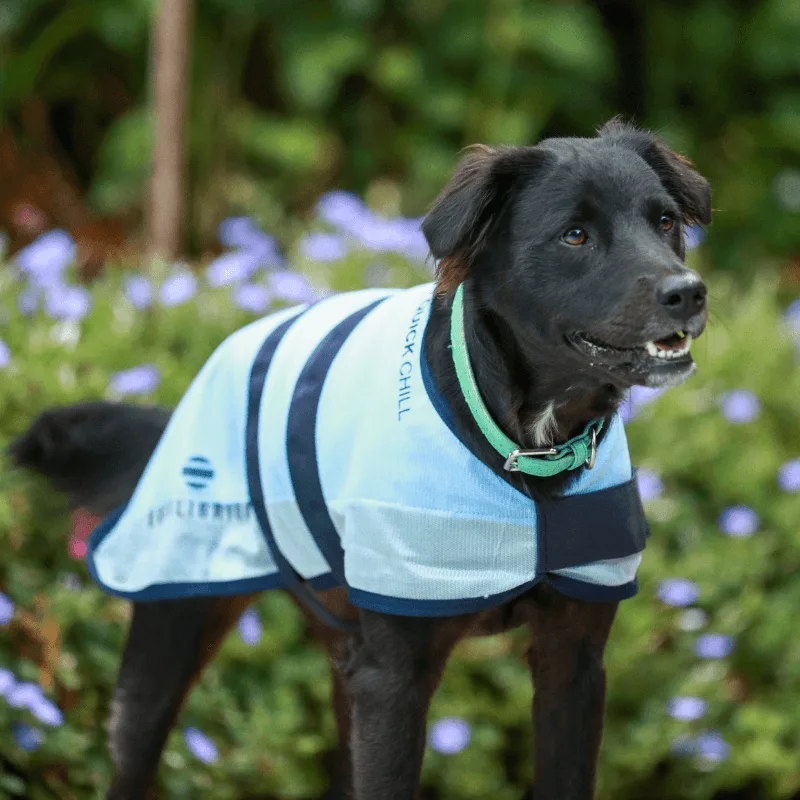
Ice works by conduction: the cold surface pulls heat from the leg or body quickly, but the effect fades as the ice melts and the area warms again. Water-activated cooling, like the Quick Chill Dog Coat, uses evaporation and conduction together. Once wet, the fabric draws heat away from the body and continues to cool as moisture evaporates, giving a more gradual and longer-lasting effect. For horses, this means less risk of cold-induced discomfort and a cooling curve that matches the natural cooldown after work.
When to reach for ice instead
Ice remains the go-to for acute injuries, such as a fresh tendon strain or a kick, where rapid constriction of blood vessels is needed to limit swelling. In those first 24–48 hours, ice or cold hosing is often recommended by vets. After the acute phase, switching to a water-activated product can help maintain comfort without over-cooling. Always follow veterinary advice for injuries.
Cooling the whole horse vs. cooling legs
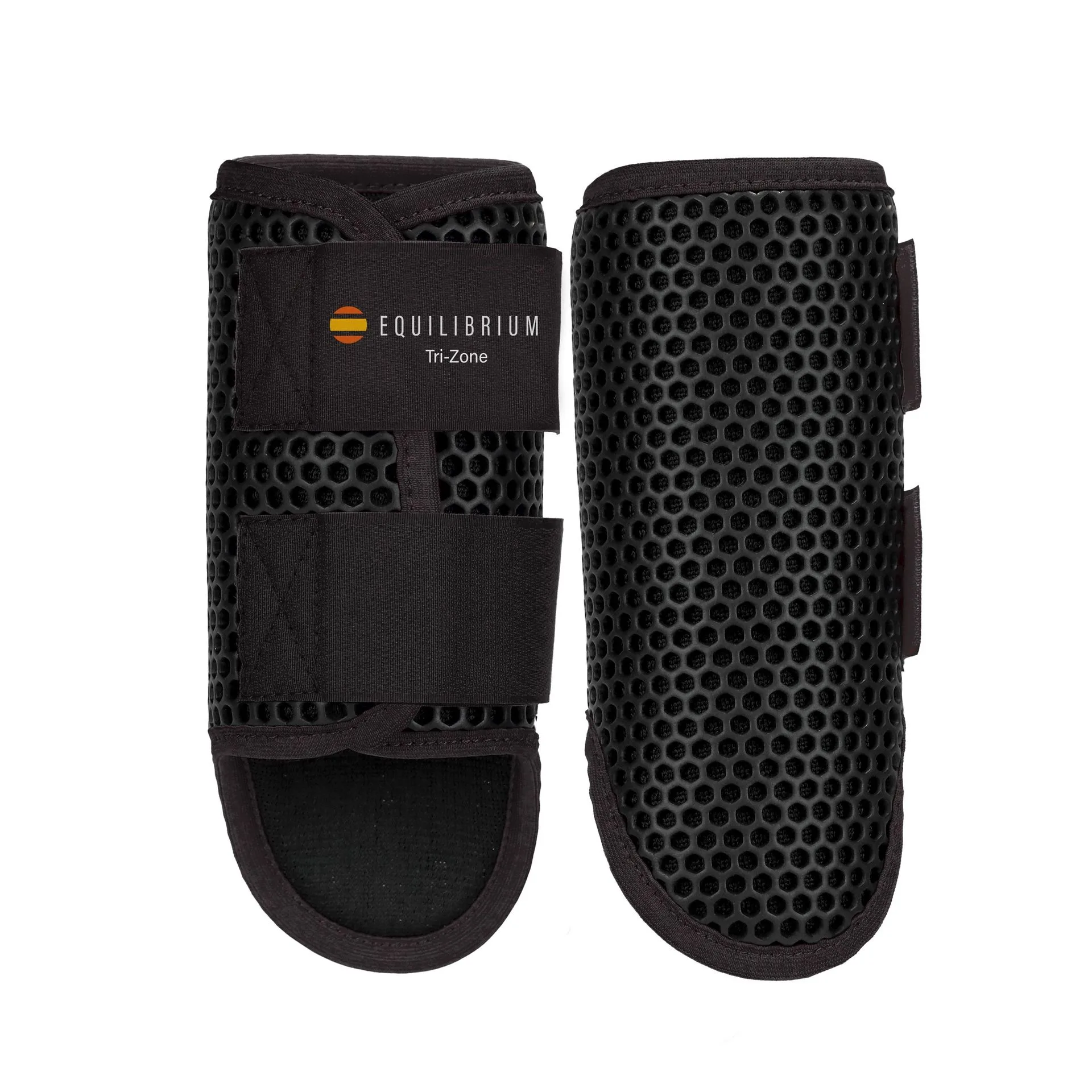
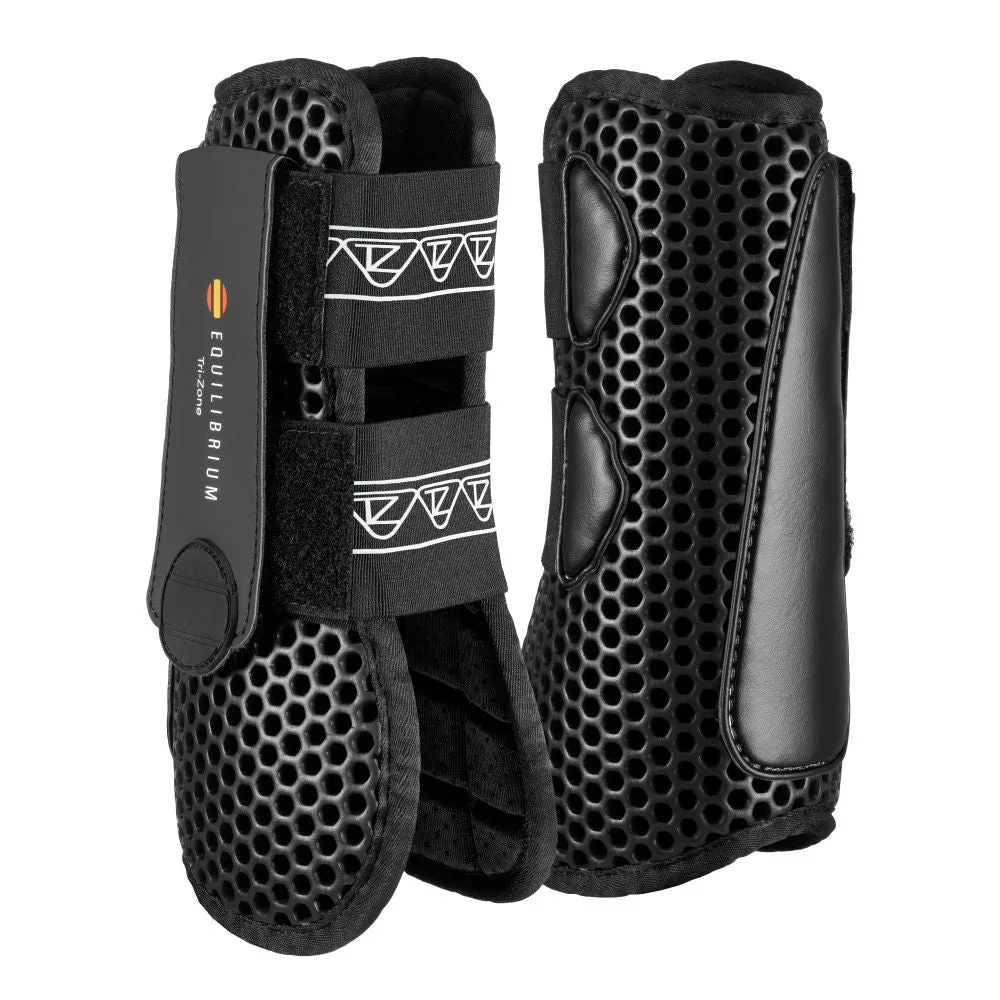
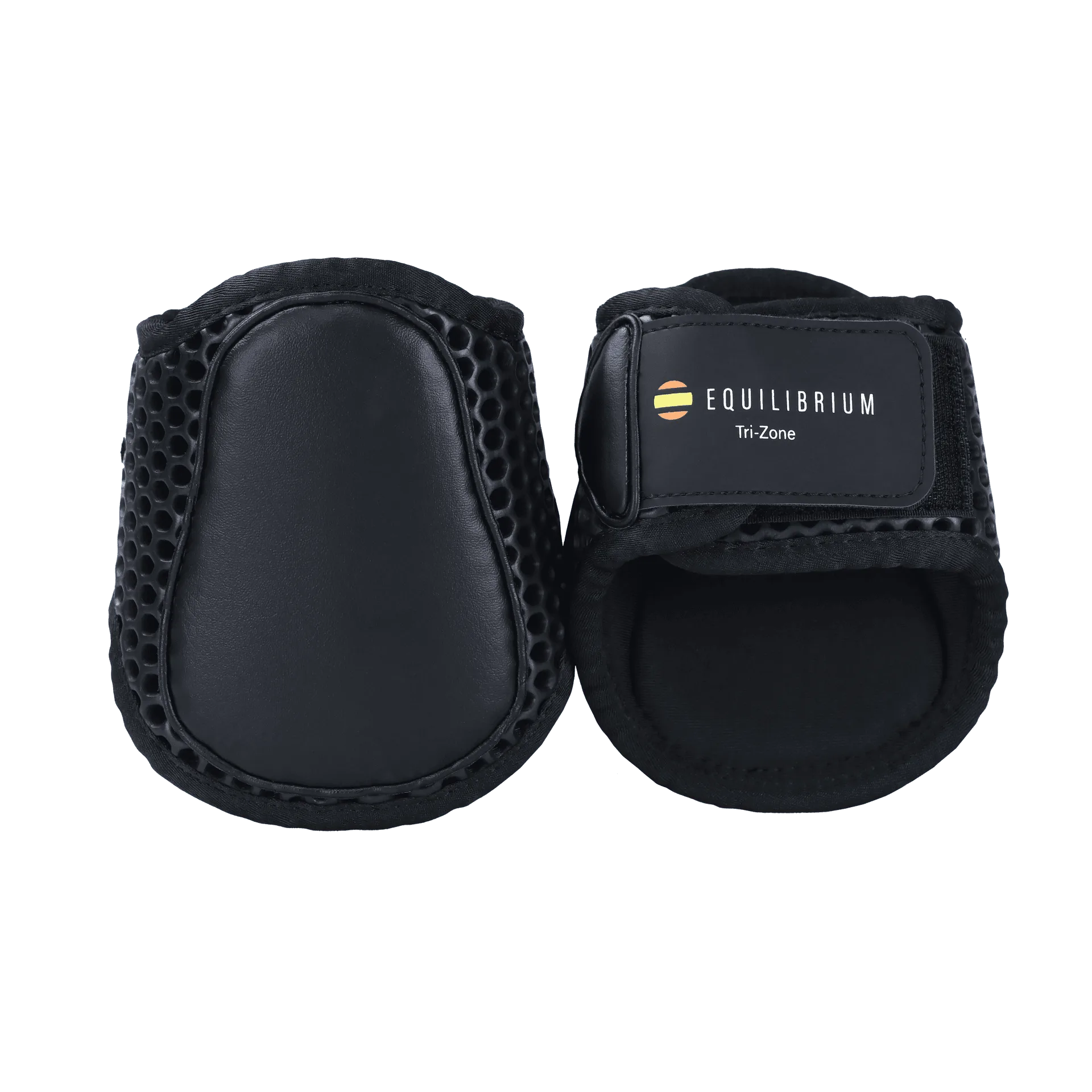
After hard exercise, a horse’s entire body temperature rises, not just the legs. A water-activated coat like the Quick Chill Dog Coat can be used on the body to help bring down core temperature, while boots target the lower limbs. The Tri-Zone Fetlock Boots are designed for protection during exercise, not cooling, so they are not a substitute for cooling boots. For cooling legs specifically, look for products designed for that purpose, such as water-activated wraps or ice boots. The Stretch & Flex Flatwork Wraps, for example, are for support and protection during flatwork, not cooling.
Practical application and fit
With ice, you need a freezer, a cooler, and a plan for keeping ice on the leg without slipping. With water-activated cooling, you need access to water to soak the product, then it can be reapplied as it dries. Fit matters for both: too loose and the cooling surface won’t make good contact; too tight and you risk restricting circulation. The Quick Chill Dog Coat comes in sizes, so measure your dog’s girth and back length. For horses, the Tri-Zone Fetlock Boots come in colour and size options; check the size chart to ensure the boot sits correctly over the fetlock without pinching.
Trade-offs: Quick Chill vs Ice
- Cooling intensity: Ice delivers a stronger, faster cold that can be uncomfortable for some horses; Quick Chill provides a gentler, sustained cooling effect. For a fresh injury, ice is often preferred; for routine cooldown, Quick Chill is more comfortable.
- Duration of effect: Ice melts and loses effect within 20–30 minutes; water-activated cooling can last as long as the fabric remains damp, often 1–2 hours. Quick Chill reduces the need for repeated applications during a cool-down routine.
- Convenience and portability: Ice requires a freezer and transport; water-activated products need only water and can be used anywhere. For shows or trail rides, Quick Chill is easier to manage.
Product facts
- Quick Chill Dog Coat: Designed with advanced water-activated conduction technology, this coat draws heat away from your dog’s body, providing instant relief and optimal cooling during warm weather. This makes it a practical alternative to ice for cooling after exercise, with the benefit of being reusable and portable.
- Tri-Zone Fetlock Boots: This fetlock boot has it all, protective but not stiff like others in the market, the perfect combination for show jumping! Extremely lightweight for freedom of movement. Breathable. Three protective layers, offering good protection from both concussion and penetration injuries. While not a cooling product, these boots protect the fetlock during exercise, reducing the risk of injuries that might later require ice or cooling treatment.
Which is right for your horse?
Best for
- Horses that need gradual cooling after routine exercise
- Sensitive horses that dislike the shock of ice
- Owners who want a portable, reusable cooling solution
Not for
- Acute injuries where rapid, intense cold is needed (use ice and consult your vet)
- Horses with conditions that make cooling contraindicated (always check with your vet)