Quick answer
Start by deciding whether the horse is for play or display, then match breed, pose, and scale to that use. For younger kids, choose a sturdy, simple standing pose in a smaller scale; for older collectors, prioritize breed accuracy and a dynamic pose. Check the product facts for material and size before you buy.
Buying a horse figurine can feel tricky because two models can look similar online but serve very different purposes. A child who wants a toy to gallop across the floor has different needs than an adult building a shelf display. This guide walks through the decisions that actually matter: breed, pose, scale, and material.
You will also see how real catalog details, like the Andalusian Grey or the Suffolk Punch Foal, can help you choose a horse figurine that fits your plan. The goal is not to buy the most expensive model, but to pick one that matches how it will be used.
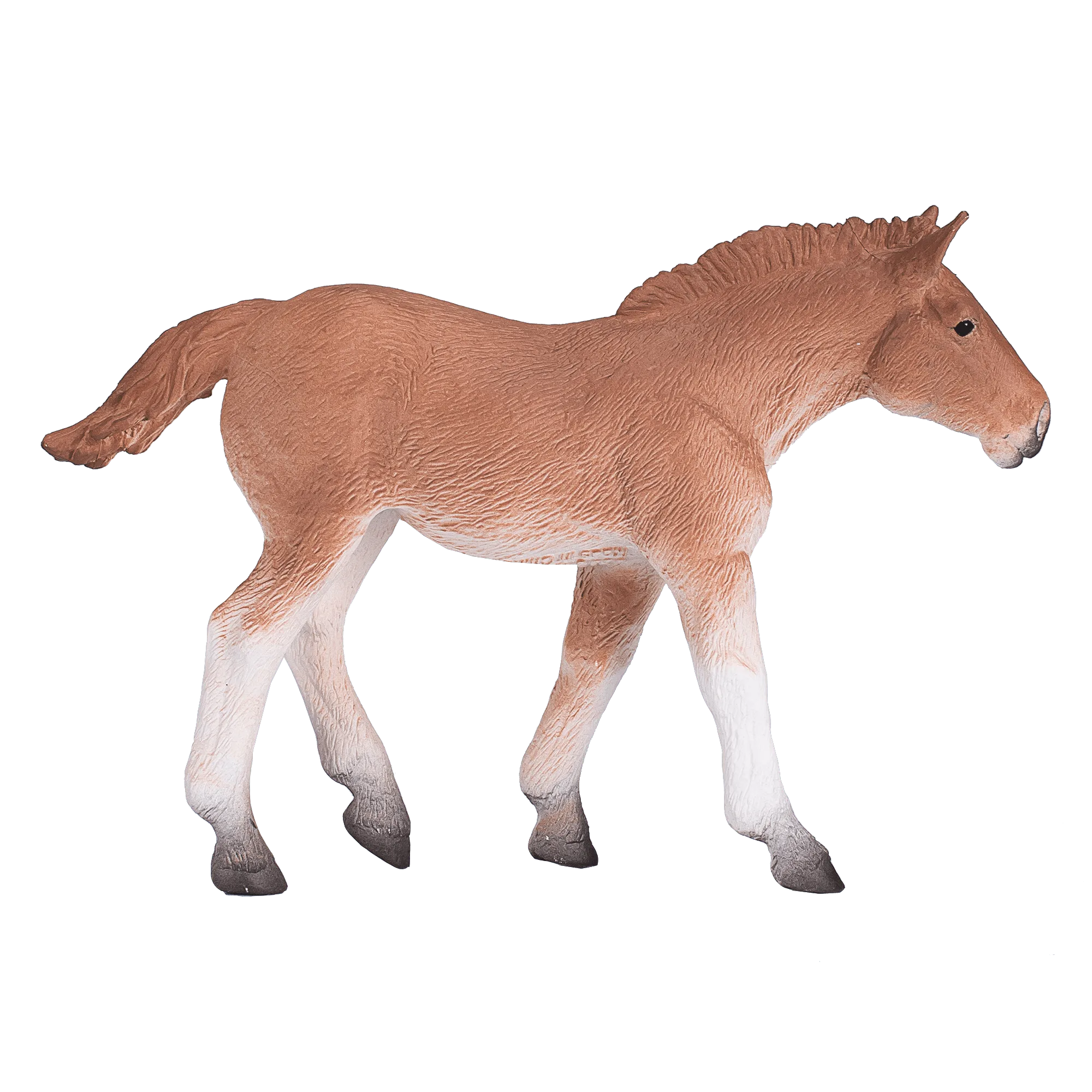
Suffolk Punch Foal
Start with the breed and what it tells you
Breed is more than a label. It signals the horse's build, typical movement, and often the pose a manufacturer chooses. For example, an Andalusian is known for a courageous spirit and magnificent paces, and is used in jumping, eventing, bull fighting, and cattle work in Spain. That background often leads to a figurine with a proud, arched neck or a high-stepping stance.
A Suffolk Punch, by contrast, was developed for farm work in Norfolk and Suffolk, England. Farmers bred them for endurance and willingness to work, so not many were on the market to begin with. A Suffolk Punch figurine will usually have a heavier, more grounded build, which suits farm or draft-horse displays.
- If you want a sporty, elegant look, look for Iberian or warmblood breeds.
- If you want a sturdy, work-horse look, look for draft breeds like the Suffolk Punch.
Match the pose to how the horse will be used
Pose affects both playability and display. A standing or walking pose is stable and easy for small hands to set down. A rearing or leaping pose looks dramatic on a shelf but can tip over during play. The Andalusian is known for high-level dressage movements where they leap off the ground, called 'airs above the ground,' so a dynamic pose is breed-appropriate but less practical for rough play.
For a child's first horse toy, choose a simple standing or grazing pose. For a collector, a mid-motion pose adds energy and can become the focal point of a display. If you are unsure, pick a neutral pose that works in both play and display.
- Test stability by checking if the figurine has a wide base or at least three points of contact.
- Avoid extreme poses for toddlers who are still learning to place toys gently.
Understand scale before you commit
Horse model scale is not standardized across brands, so two horses labeled the same scale may still look mismatched. The safest approach is to compare listed dimensions or, when dimensions are not supplied, treat scale as a decision limitation and buy from a brand whose other figures you already own. If you are building a scene, keep all horses within a similar height range.
For play sets, a smaller scale is easier to store and handle. For display, a larger scale shows more detail in the face, mane, and tack. If you mix scales on one shelf, group them by size rather than by breed to keep the display visually calm.
- Measure your shelf or storage bin before buying a larger horse.
- When scale is not listed, ask the seller for dimensions or compare with a figure you already own.
Check material and construction for durability
Most horse figurines are made of plastic or resin. Plastic is lighter and usually more forgiving if dropped, which makes it better for kids. Resin holds finer detail and has a heavier feel, which suits adult collectors who will not handle the piece often. Neither is automatically better; the right choice depends on who will touch it.
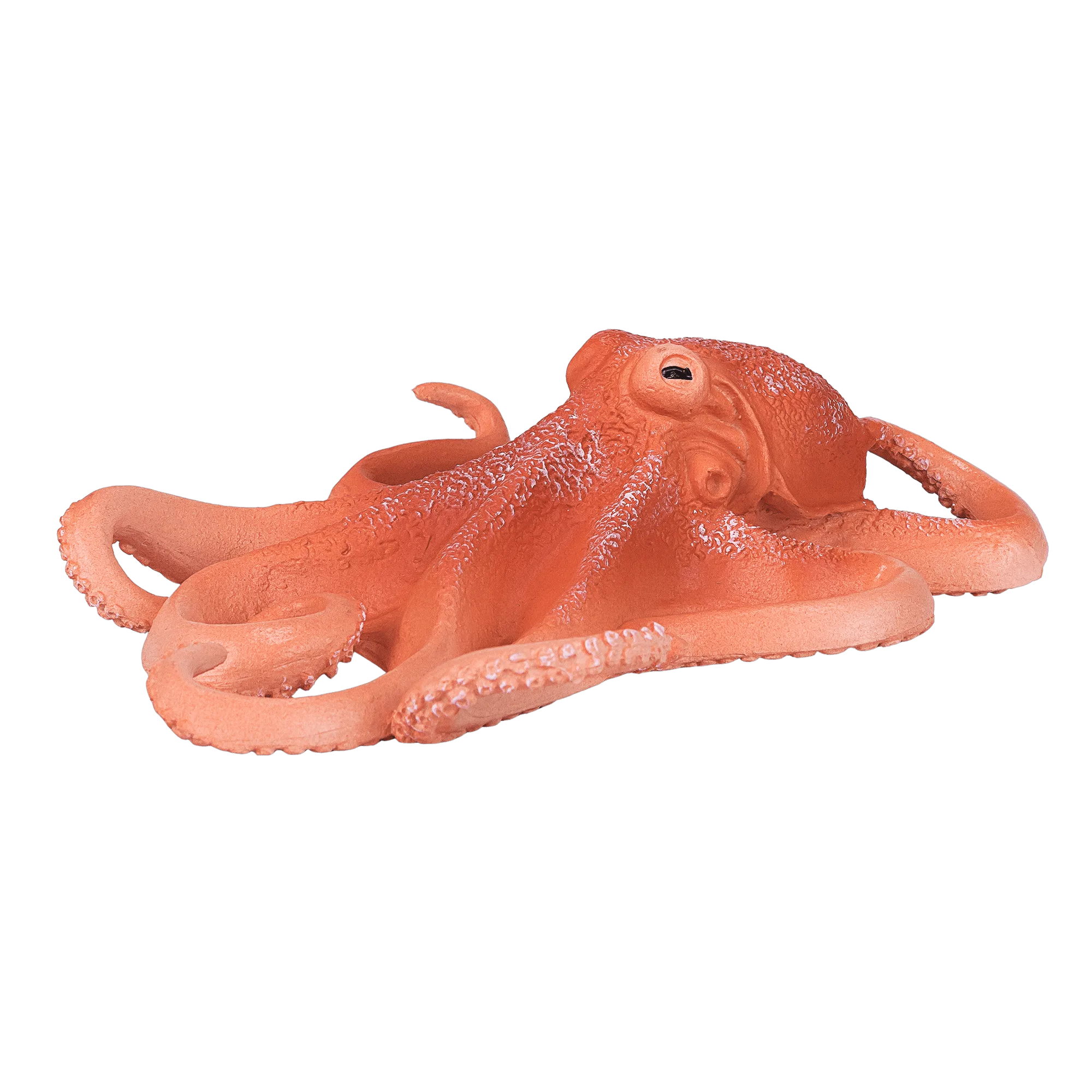
Look for a solid base and smooth seams. Thin legs and tails are the first parts to break, so if the horse has very slender legs, consider whether it will be played with or only displayed. A collectable octopus-1-1f072c6dc1a1b3522fda1d57-1559019">octopus figure, for example, is crafted with high-quality materials and is meant to add quirk to a collection, not to survive heavy play.
- For kids under five, choose plastic over resin.
- For shelf display, resin or detailed plastic both work if the piece is stable.
Decide between play, display, or both
A horse figurine that is perfect for play is rarely the same one that looks best under a display light. Play-focused horses need rounded edges, a stable stance, and a size that fits a child's hand. Display-focused horses can have delicate reins, fine muscle detail, and a more dramatic pose.
If you want one horse for both, choose a mid-size plastic model with a standing pose and moderate detail. That compromise rarely wins a model show, but it survives daily handling and still looks good on a shelf. Be honest about which use matters more, and let that guide the rest of your choices.
- Buy two horses if play and display needs are equally strong.
- Keep display horses out of the general toy bin to prevent damage.
Decision rules for choosing a horse figurine
- Rule 1: Match breed to the story you want: If you want elegance and sport, look for Iberian or warmblood breeds like the Andalusian. If you want farm or draft work, look for a Suffolk Punch or similar heavy breed. Write down the breed before you shop so you do not get distracted by a pretty pose.
- Rule 2: Match pose to the handler: Choose a standing or walking pose for children and a rearing or leaping pose for adult display. Dynamic poses are less stable and more likely to break. If the buyer is under eight, default to a stable standing pose.
- Rule 3: Confirm scale or accept the risk: When scale is not listed, treat it as unknown and compare dimensions with a figure you already own. Do not assume two brands share the same scale. Ask for measurements before buying if the horse must fit an existing scene.
- Rule 4: Choose material by handling frequency: Plastic is better for frequent handling and drops. Resin is better for detailed, low-touch display. Neither is wrong, but they suit different owners. If the horse will be handled weekly, buy plastic.
Catalog facts that help you choose
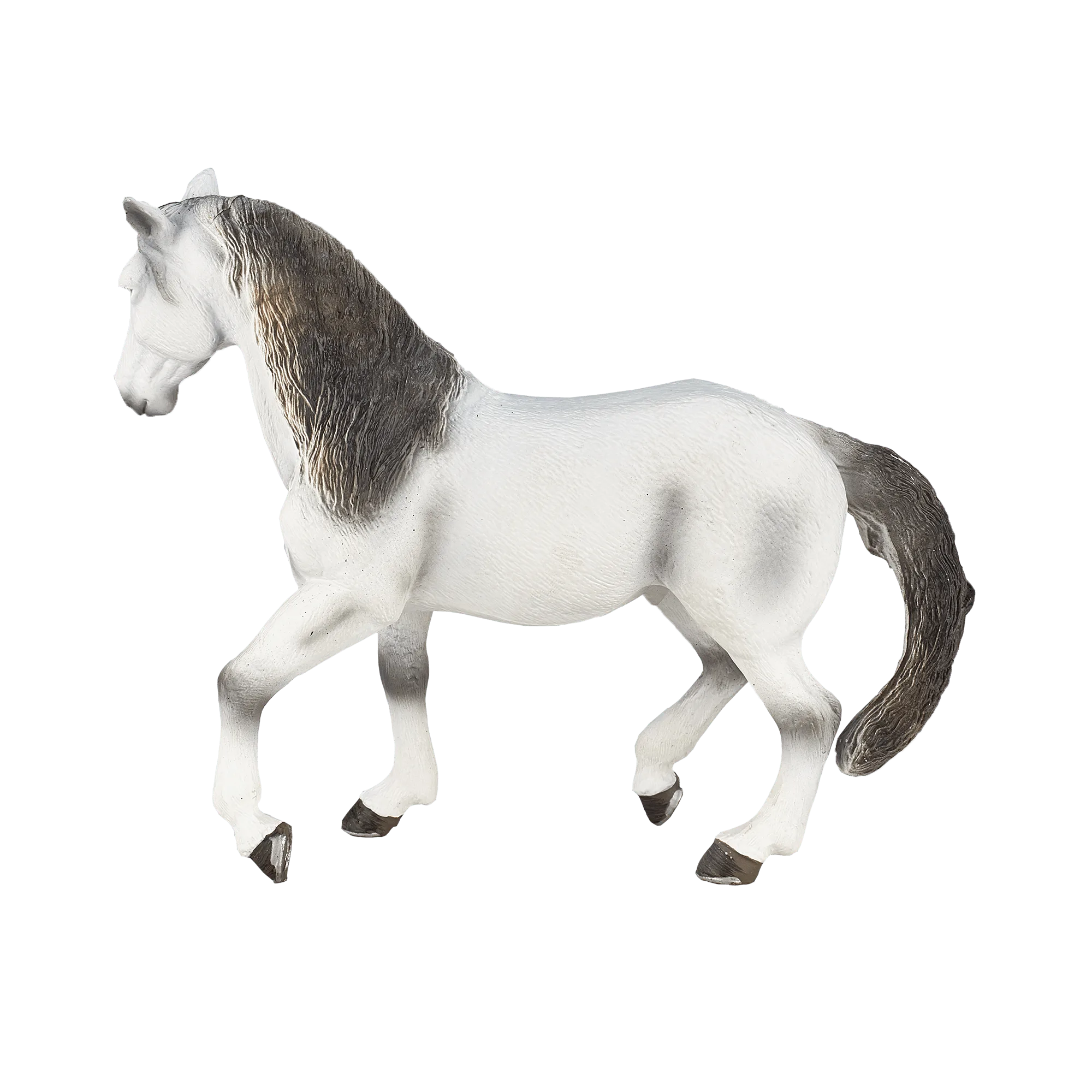
- Andalusian Grey: The Andalusian is known for its courageous spirit and magnificent paces, and is used as a sport horse in jumping and eventing as well as bull fighting and cattle work in its native Spain. It is also a spectacular horse for dressage and Haute Ecole, including high school jumps known as the 'airs above the ground.' This breed background explains why many Andalusian figurines have an arched neck or lifted leg. It is a strong choice if you want an elegant, sporty horse for display or for a child who loves dressage and jumping themes.
- Suffolk Punch Foal: The Suffolk Punch Horse was believed at one point to ascend from the medieval 'Great Horse' brought to England by William the Conqueror. They were originally developed for farm work in Norfolk and Suffolk of eastern England, and farmers bred them for endurance and willingness to work, so not many were on the market to begin with. This history points to a heavier, draft-type build. Choose a Suffolk Punch figurine if you want a farm or working-horse theme, or if you prefer a sturdy, grounded pose over a flashy one.
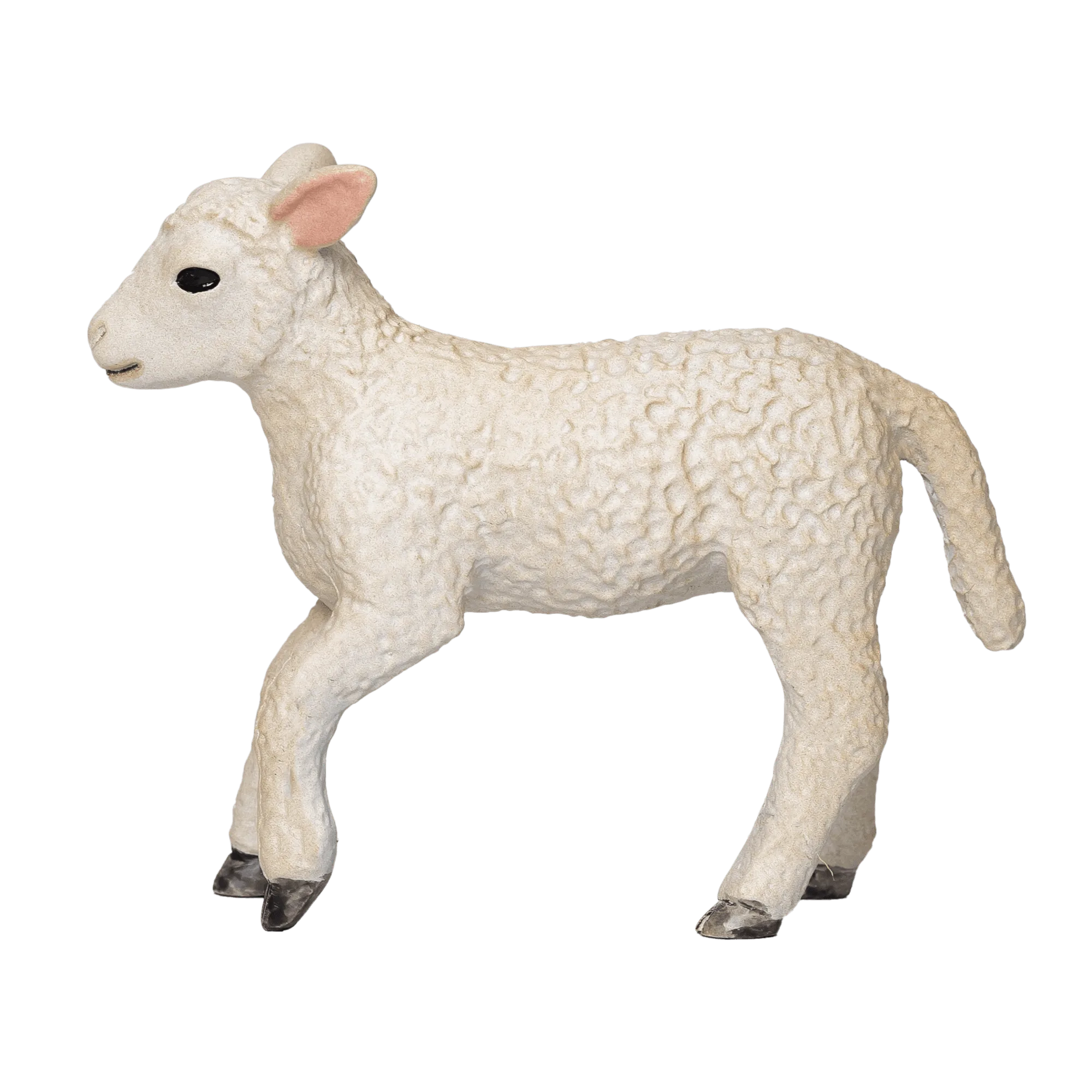
- Romney Sheep Lamb Running: This plastic figurine is a perfect addition to a farm-themed toy collection and also makes a great gift. If you are building a farm scene around a Suffolk Punch, a lamb figure adds scale contrast and storytelling. It is a low-cost way to make the horse feel like part of a larger setting.
Who should buy which horse figurine
Best for
- Children who want a durable horse toy for farm or stable play
- Collectors building a breed-accurate display of sport horses or draft horses
- Parents looking for a gift that pairs with farm animal figures
Not for
- Buyers who need an exact scale match but cannot confirm dimensions
- Toddlers who still mouth or throw toys, unless the figurine is plastic and solid
- Collectors seeking limited-edition or hand-painted models, which this range does not claim to be
Pick the breed that fits your story, the pose that fits your handler, and the scale that fits your space. When a detail like scale is not supplied, treat that as a reason to ask before you buy rather than guess. A horse figurine works best when it matches how it will actually be used.