Quick answer
For returning to work, choose a hospital grade pump like the Medela Symphony or Ameda Platinum if you need to establish or maintain a high milk supply with frequent pumping sessions. Choose a wearable pump like the Elvie if your priority is discretion, hands-free movement, and fitting pumping into a busy workday without being tethered to an outlet.
Why pump choice matters at work
Returning to work while breastfeeding means you need a pump that fits your schedule, your workspace, and your body's milk production needs. Hospital grade pumps are built for heavy use and research-backed expression patterns, while wearable pumps trade some suction power for portability and silence. Understanding these trade-offs helps you pick the one that supports your goals without frustration.
Key differences in pumping technology
Hospital grade pumps like the Medela Symphony use 2-Phase Expression technology, which mimics a baby's natural sucking rhythm to initiate milk flow and then switches to a slower, deeper expression mode. This pattern is clinically proven to help build and maintain milk supply, especially in the early weeks. The Ameda Platinum is the only multi-user hospital pump that records milk volume per session, which can be useful for tracking output trends.
Wearable pumps like the Elvie use SmartRhythm technology, which automatically shifts from stimulation to expression based on your body's response. They offer seven intensity settings and are designed to be worn inside a nursing bra with no tubes or wires. While convenient, the motor size limits maximum suction strength compared to hospital grade models.
Practical trade-offs in a work setting
Hospital grade pumps require access to an outlet (unless you choose a model with a rechargeable battery option) and are larger to carry. They are best for a dedicated lactation room or private office where you can sit for 15-20 minutes per session. In contrast, wearable pumps let you walk, type, or even attend meetings while pumping, but you may need to empty collection cups more frequently because capacity is smaller.
Cleaning also differs: hospital grade pump parts can be sanitized and reused across multiple sessions, while wearable pump parts need thorough cleaning after each use to prevent milk residue buildup in the closed system.
Hospital grade vs wearable: trade-offs for work
- Milk supply support: Hospital grade pumps (Medela Symphony, Ameda Platinum) are clinically proven to help initiate and maintain milk supply, especially for preterm or low-supply situations. Wearable pumps like the Elvie are effective for established milk supply but may not be as effective for building supply from scratch. If you have low supply or are pumping for a NICU baby, start with a hospital grade pump.
- Portability and discretion: Wearable pumps fit inside your bra and operate silently, so you can pump while commuting, at your desk, or in a shared space. Hospital grade pumps are larger, require a flat surface and power outlet, and produce noticeable motor noise. If you lack a private lactation room, a wearable pump lets you pump without leaving your workspace.
- Cost and multi-user capability: Hospital grade pumps are designed for multiple users and come at a higher upfront cost (e.g., Medela Symphony at $1,694.34). They are often available for rent. Wearable pumps are single-user and more affordable (e.g., Elvie at $329.99), but you cannot share them. If you plan to pump for multiple children or share with a colleague, a hospital grade pump is more economical long term.
Product facts at a glance
-
Medela Symphony Hospital Grade Breast Pump (Rechargeable Battery): The Medela Symphony uses research-based 2-Phase Expression technology designed to initiate, build, and maintain an adequate milk supply. This makes it a strong choice for mothers who need to establish or increase supply, especially during long workdays with frequent pumping sessions.
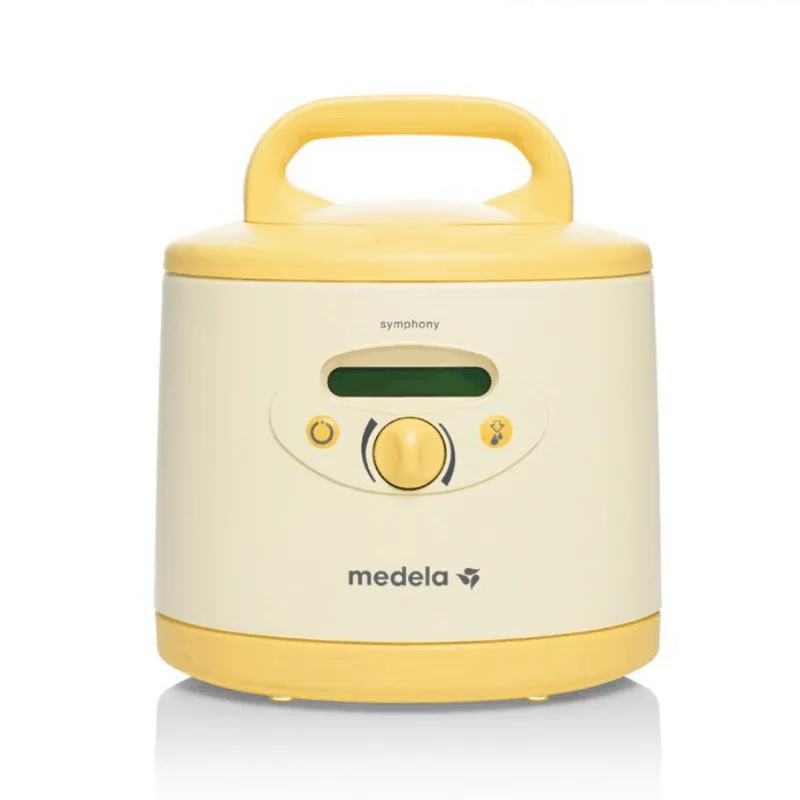
Medela Symphony Hospital Grade Breast Pump (Rechargeable Battery)
-
Elvie Double Electric Wearable Breast Pump: The Elvie is a silent, wearable pump with SmartRhythm technology that automatically switches from stimulation to expression mode. Its hands-free, discreet design allows you to pump during work tasks without drawing attention, but its motor is less powerful than hospital grade pumps.
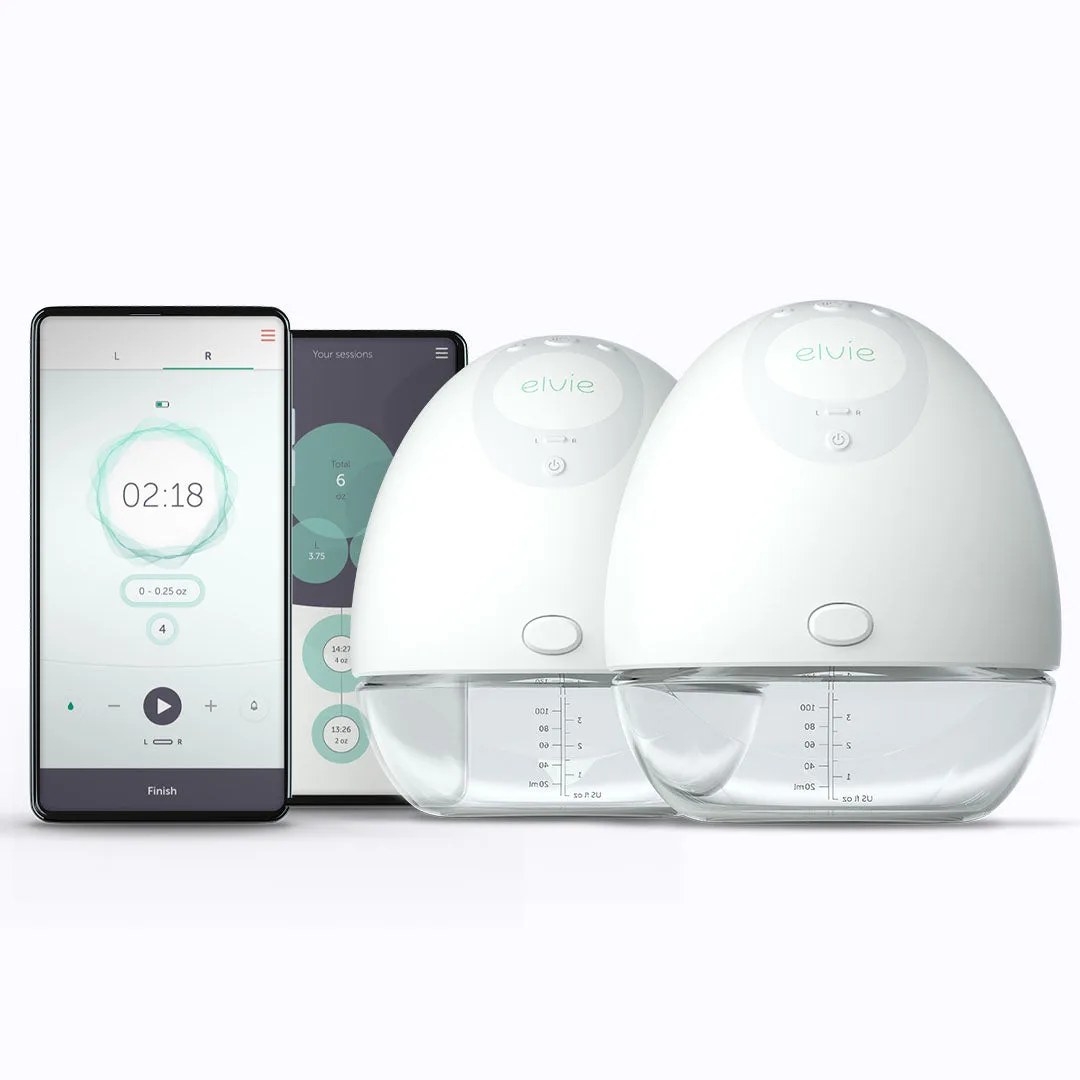
Elvie Double Electric Wearable Breast Pump
Which pump fits your work situation?
Best for
- Mothers returning to work with low milk supply or a history of pumping difficulties
- Those who have access to a private lactation room with an outlet and can dedicate 15-20 minutes per session
Not ideal for
- Mothers who need to pump in shared spaces or while moving around the office
- Those who prioritize absolute discretion and hands-free operation over maximum suction power