Quick Answer
Hostage Negotiator: Career shifts the game from standalone crises to a 10-year campaign, adding personal life management and career advancement. This guide walks you through the new rules and how to start your first career mode game.
What Career Adds to the Base Game
In the standard Hostage Negotiator game, each session is a single, self-contained crisis. Career changes that by linking sessions into a 10-year timeline, where your decisions between crises affect your negotiator's personal life and professional growth. You are no longer just resolving kidnappings; you are building a life and a reputation over time.
The expansion introduces two new layers: personal life management (you'll make choices about relationships, health, and hobbies) and career advancement (promotions, special assignments, and a final grand finale scenario). These layers add replayability and narrative stakes that the base game lacks.
Trade-Offs of the Campaign Format
The biggest trade-off is commitment. A full Career campaign takes several sessions, and if you lose a critical crisis, the entire campaign can be impacted. This is not a game you can pick up for a quick 30-minute session; it demands time and emotional investment.
Also, the personal life management can feel like extra bookkeeping if you prefer pure tactical negotiation. The expansion assumes you enjoy narrative progression as much as puzzle-solving. If you only want the negotiation puzzles, stick with the base game.
How to Start Your First Career Mode Game
- Set Up the Campaign Log: Use the included campaign sheet or a notebook to track your negotiator's name, starting stats (charisma, logic, empathy), and personal life choices. Each crisis you play will affect these stats and your career progress. Common mistake: forgetting to record personal life decisions between crises. Keep the log accessible during every session.
- Play Your First Crisis: Choose any abductor pack and play a standard Hostage Negotiator game. After the crisis, apply the outcome: if you saved all hostages, you gain a career advancement point; if you failed, you lose a personal life point. Record the result on your campaign log. Checkpoint: after the first crisis, review your log to see how your stats changed. This will affect options in future crises.
- Make a Personal Life Decision: Between crises, you will be presented with a personal life event (e.g., a friend invites you to a party, a family member needs help). Choose one option and record its effect on your personal life score. This score influences your negotiator's stress level in future games. Common mistake: ignoring personal life events. They directly impact your performance in later crises, so treat them as seriously as the hostage negotiations.
- Advance Through the Years: After every 2-3 crises, you will have a career advancement check. If your career points meet the threshold, you get a promotion, which unlocks new abilities or resources. If not, you stay at your current rank, but the game continues. Checkpoint: after each advancement check, update your negotiator's abilities on the campaign log. A promotion can turn the tide in a tough crisis.
- Reach the Grand Finale: After 10 in-game years (typically 10-12 crises), you trigger the grand finale scenario. This is a specially designed crisis that incorporates all your accumulated personal life and career choices. Winning it completes the campaign. Common mistake: rushing through the years without building up your personal life score. A low score makes the finale much harder. Plan your personal life decisions to support your final showdown.
Product Facts
-
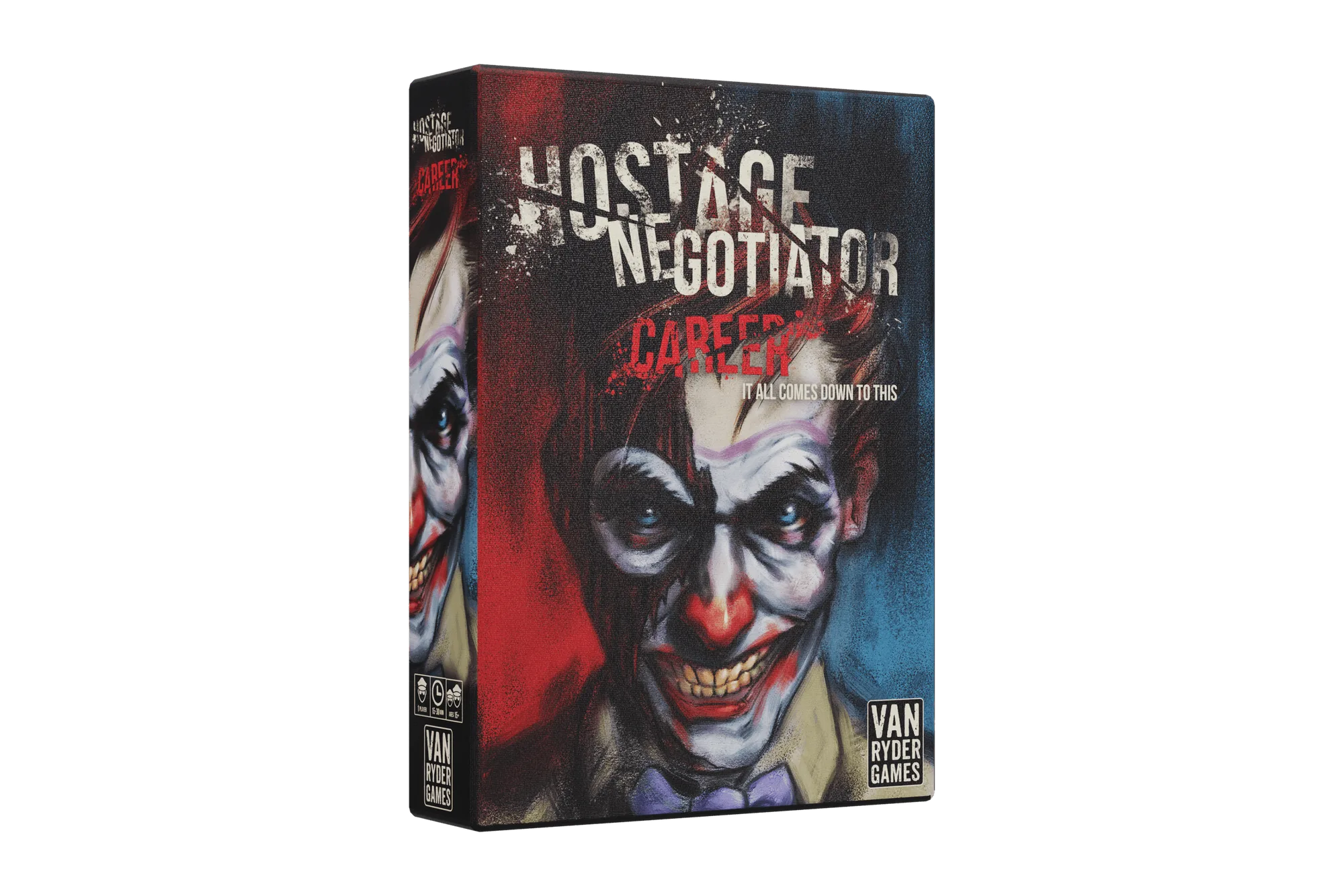
Hostage Negotiator: Career: In Hostage Negotiator: Career you’ve graduated from the academy, and now it is time to begin your career. You’ll play a campaign of 10 years as a negotiator that culminates in an exciting grand finale that you will never forget! Not only will you be responsible for the lives of the innocent hostages during the crises that happen, but you’ll be managing your own personal life and career advancement as well. This means you are not just solving crises; you are also making choices about your character's relationships, health, and career path, which adds a whole new strategic layer and narrative depth.
Hostage Negotiator: Career