Quick answer
The Frustration Die adds a risky, high-variance twist to Hostage Negotiator. It can speed up a stalled game, but it often undermines careful planning—only roll it when you accept losing control.
Why the Frustration Die exists
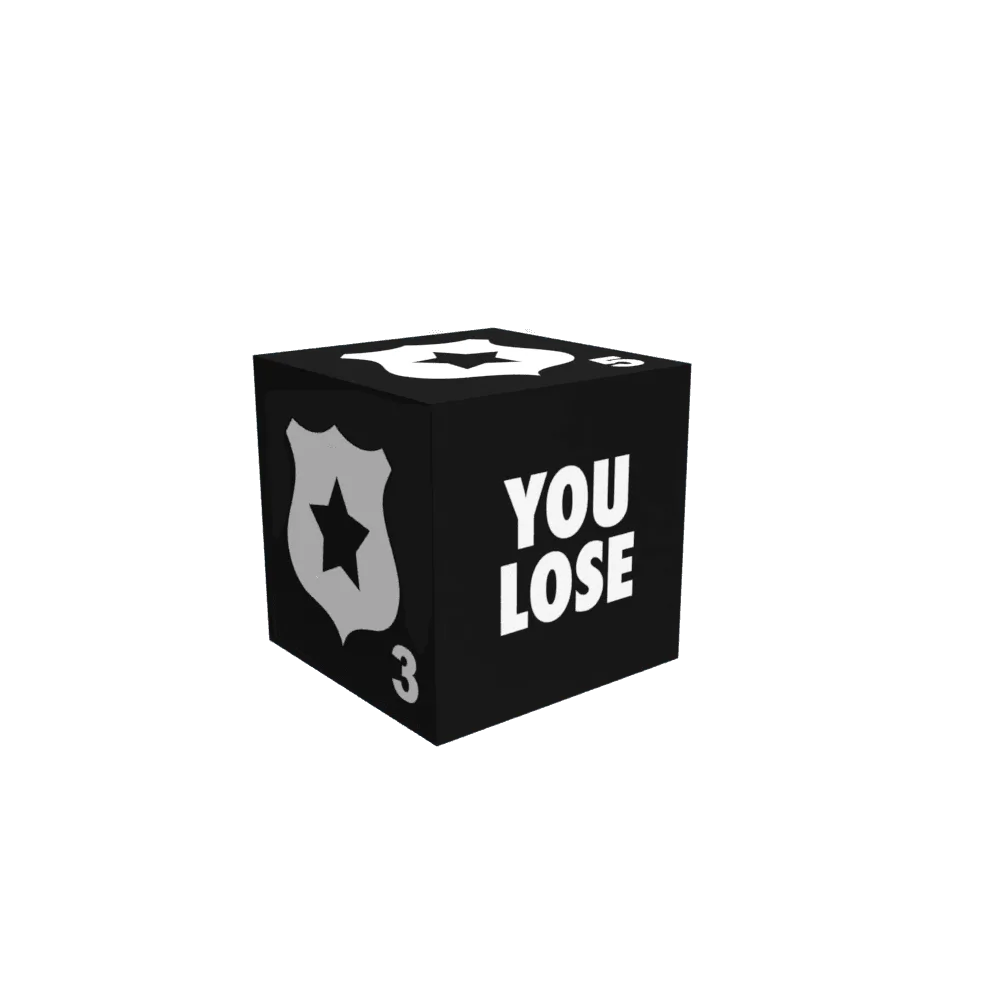
The Frustration Die is a promotional accessory that replaces your normal die in Hostage Negotiator. Five sides show success results, giving you a strong chance of a favorable outcome. But one side shows an X—and rolling it means you lose.
This die is not a balance patch or a difficulty slider. It is a pure gamble that changes the feel of the game. If you enjoy tense, all-or-nothing moments, it can be exciting. If you prefer strategic dice mitigation, it may frustrate more than it helps.
Trade-offs you need to know
The biggest trade-off is control. In a standard game, you can plan around probabilities, use conversation cards, and manage risk. The Frustration Die reduces that to a single roll. A single bad outcome can erase multiple turns of good play.
On the other hand, the die can break a stalemate. If you are stuck in a loop of bad rolls and low threat, the Frustration Die gives you a quick path to either a win or a loss. It saves table time but at the cost of depth.
Diagnosis: Should you roll the Frustration Die?
- Symptom: You feel the game is dragging or you are stuck making safe but slow progress.
- Likely cause: The standard die and conversation deck give you steady but predictable outcomes. The Frustration Die replaces that predictability with a sudden win-or-lose roll.
- Corrective action: Decide before the game whether you are in the mood for a gamble. If you are, use the Frustration Die for every roll. If you want to keep strategic depth, leave it in the box. If you try it and the game feels less satisfying, go back to the standard die. No rule says you must use it.
- When to stop or choose another option: If you dislike losing progress to a single unlucky roll, do not use the Frustration Die. It is not a tool for better play—it is a tool for faster, riskier games.
Product fact
-
Hostage Negotiator: Frustration Die: Five sides show success results; one side shows an X that means you lose. This high-stakes ratio makes every roll a binary gamble—great for tension, poor for players who want consistent progress.
Hostage Negotiator: Frustration Die