For collectors, few questions are as common as 'Why does that statue cost so much?' Anime statue pricing can seem mysterious, with some figures retailing for under a hundred dollars and others commanding thousands. The truth is that a complex mix of factors determines the final price tag, from the cost of licensing a beloved character to the materials used in production. Understanding these elements not only helps you appreciate the craftsmanship but also enables you to make smarter purchasing decisions.
In this guide, we break down the key factors that influence anime statue pricing. Whether you're a seasoned collector or just starting your journey, knowing what drives costs will help you evaluate whether a piece is fairly priced and worth adding to your collection.
Licensing and Copyright: The Foundation of Value
One of the most significant factors in anime statue pricing is licensing. When a studio creates a statue based on a popular series like Naruto or Frieren: Beyond Journey's End, they must obtain the rights from the copyright holder. Licensed statues typically cost more because the manufacturer pays royalties, and these costs are passed on to the consumer. For example, a licensed Naruto Shippuden statue from Pickstar Studio will generally carry a higher price than an unlicensed garage kit of the same character.
Licensing also ensures quality and authenticity. Companies that invest in official licenses often adhere to strict production standards, which adds to the overall cost. This is why licensed pieces from studios like Jimei Palace or TriEagles Studio are often more expensive than unlicensed alternatives. When you see a statue labeled as 'licensed,' you're paying for the peace of mind that comes with an officially approved product.
- Licensed statues usually cost more due to royalty fees.
- Unlicensed 'garage kits' are cheaper but may lack quality control.
- Look for 'licensed' in the product title to ensure authenticity.
Materials and Craftsmanship: What You're Really Paying For
The materials used in a statue significantly impact its price. High-end figures often use polystone, resin, or PVC, each with different costs and durability. Polystone is a popular choice for premium statues because it can capture fine details and has a heavy, high-quality feel. Resin is also common but can be more fragile. The complexity of the paint job, the number of pieces, and the overall size also contribute to the cost. A large, intricately painted statue like the Berserk Reunion Guts and Casca piece from Bard Studio will naturally cost more than a smaller, simpler figure.
Craftsmanship is another major cost driver. Skilled sculptors and painters command higher wages, and their expertise is reflected in the final product. Studios like Shen Yin Studio, known for their Studio Ghibli pieces, invest heavily in artisans who can recreate the whimsical charm of Totoro. The attention to detail—from the texture of clothing to the expression in a character's eyes—takes time and skill, and that effort is priced into the statue.
- Polystone and resin are premium materials that increase cost.
- Larger statues with complex designs require more material and labor.
- Hand-painted details add significant value.
Edition Size and Exclusivity: Scarcity Drives Price
The law of supply and demand is never more evident than in the collectibles market. Limited edition statues, with edition sizes of 500 or fewer, are priced higher because they are rare. Collectors are willing to pay a premium for the exclusivity of owning a piece that few others have. Some studios release 'exclusive' versions with additional accessories or alternate color schemes, further driving up the price.
Pre-order pricing also reflects edition size. When a statue is announced as a limited run, the price is often set higher from the start, and in some cases, the aftermarket value can skyrocket. For instance, a limited edition Saint Seiya Saga statue from Jimei Palace may appreciate in value over time, making it an investment as well as a collectible.
- Limited edition statues with small runs are priced higher.
- Exclusive variants with extra parts often cost more.
- Aftermarket prices can exceed the original retail for rare pieces.
Brand Reputation and Studio Track Record
The reputation of the studio behind a statue is another key factor. Established studios with a history of producing high-quality, sought-after pieces can command higher prices. Collectors trust brands like Prime 1 Studio or TriEagles Studio to deliver exceptional quality, and that trust is reflected in the price tag. Newer or lesser-known studios may price their pieces more competitively to build a customer base.
When evaluating a statue's price, consider the studio's past work. A studio that consistently delivers detailed, durable, and visually stunning figures justifies a premium. For example, PIJI Studio's original AmerFort Series JOY has gained attention for its unique design and quality, which supports its price point. On the other hand, a studio with a mixed track record may need to offer lower prices to attract buyers.
- Well-known studios often have higher price points due to trust and quality.
- Newer studios may offer lower prices to gain market share.
- Research a studio's past releases to gauge value.
Market Trends and Demand: The Invisible Hand
Current market trends and character popularity also influence anime statue pricing. A statue of a trending character from a hit series like Chainsaw Man or Dan Da Dan may be priced higher due to demand. Additionally, if a series has a dedicated fan base, like Attack on Titan or One Piece, statues featuring those characters tend to hold their value well.
Seasonal factors and release timing can also affect pricing. Statues released during major events, such as anime conventions or game anniversaries, may carry a premium. For example, the League of Legends Worlds 2024 Lux statue from Jimei Palace is a special edition that capitalizes on the game's popularity and the event's significance.
- High-demand characters from popular series are priced higher.
- Special editions tied to events can cost more.
- Monitor market trends to predict price movements.
Understanding anime statue pricing is essential for any collector. By considering licensing, materials, edition size, brand reputation, and market demand, you can make informed decisions that align with your budget and collecting goals. Whether you're eyeing a pre-order or a warehouse in-stock piece, always evaluate the factors that contribute to the cost. Ready to find your next treasure? Explore our collection of licensed and original statues, like the [Warehouse in Stock] Shen Yin Studio - Statue - My Neighbor Totoro - Totoro rest in the tree hole, and see how these pricing factors apply to real pieces.
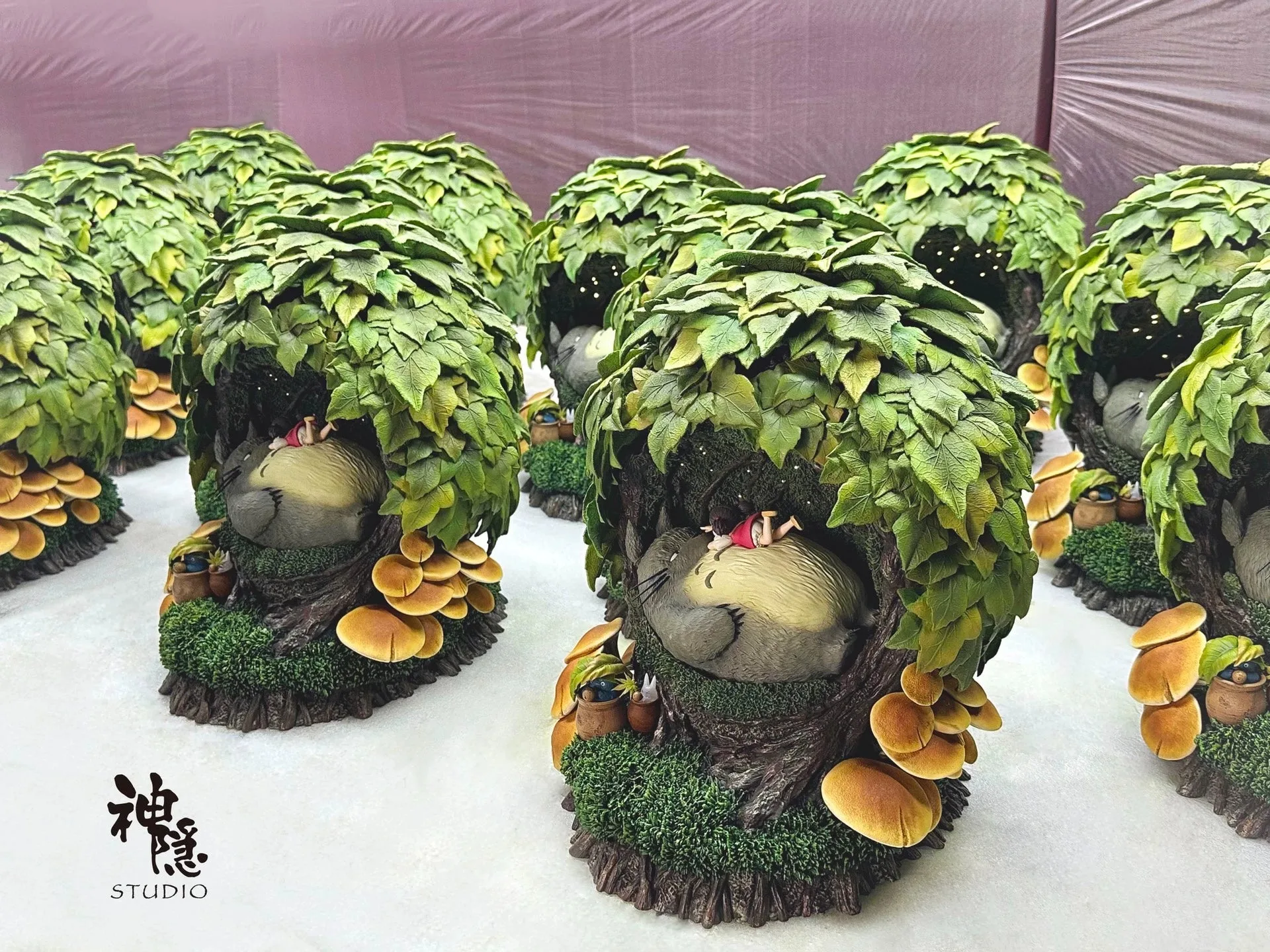
[Warehouse in Stock] Shen Yin Studio - Statue - My Neighbor Totoro - Totoro rest in the tree hole