Quick Answer
There is no single temperature that is too cold for every dog. A waterfowl vest extends your dog's working range by trapping heat and blocking wind and water, but it does not make cold water safe indefinitely. For most hunting retrievers, water below about 40°F combined with wind and repeated retrieves is the point where you should shorten the session, use a vest, and watch for shivering or weakness.
Why Air Temperature Alone Misleads You
A 35°F morning with no wind is a different hunt than a 35°F morning with a 15 mph breeze and wet dog. Wind strips heat from a wet coat far faster than still air, and water pulls heat away from a dog's body roughly 25 times faster than air at the same temperature. That is why a dog that handles a dry-field retrieve at 30°F can start shivering after two water retrieves at 45°F.
How a Waterfowl Vest Changes the Equation
A vest adds an insulating layer and a wind- and water-resistant shell over the dog's core, where heat loss matters most. It does not warm the water or replace a dog's natural fat and undercoat. Think of it as extending the time your dog can work safely, not removing a temperature limit. A well-fitted vest also keeps the dog's core warmer between retrieves, which helps conserve energy through a long sit in the blind.
When to Use a Dog Vest for Duck Hunting
Use a vest any time your dog will be wet and the combined air-and-water temperature is below roughly 50°F, or whenever wind is steady and the dog will be sitting still between retrieves. In late season, when ice forms on decoys and your dog is in and out of the water repeatedly, a vest is not optional gear—it is part of the safety plan.
Hypothermia Signs in Hunting Dogs
Watch for uncontrollable shivering, stiffness, slow or clumsy movement, a tucked tail, whining, or a dog that stops responding to commands. As hypothermia progresses, shivering may stop even though the dog is getting colder—that is a medical emergency. If you see these signs, dry the dog, get it into a warm vehicle or jacket, and end the hunt. Do not wait for the next retrieve.
Cold-Weather Hunting Dog FAQ
Is 40°F water too cold for a duck dog?
For many retrievers, 40°F water is workable for short sessions with a vest, but it is near the lower limit for repeated retrieves. Wind, current, and the dog's body condition can push it into dangerous territory. Use a vest, keep sessions short, and watch for shivering.
Can a dog wear a waterfowl vest all day?
A properly fitted vest can stay on during the hunt, but check for rubbing and let the dog dry between sessions. Never leave a wet vest on a dog in a cold vehicle. Remove the vest once the hunt ends and dry both dog and vest.
What if my dog is shivering but still wants to retrieve?
Shivering is an early warning. Stop the retrieve, dry the dog, and warm it up. A dog's drive can override its own safety signals. End the hunt if shivering continues after drying.
GUNNER Gear That Helps in the Cold
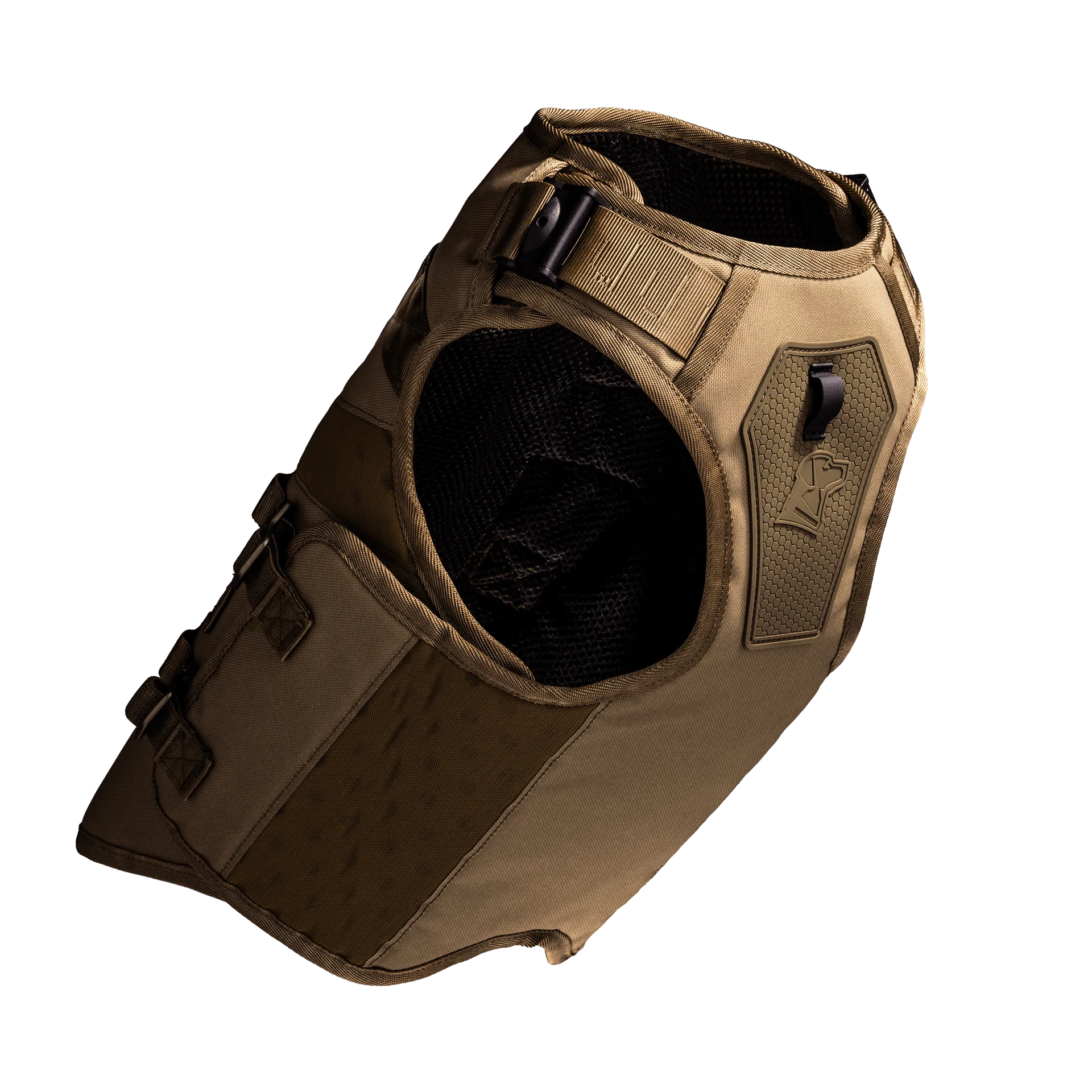
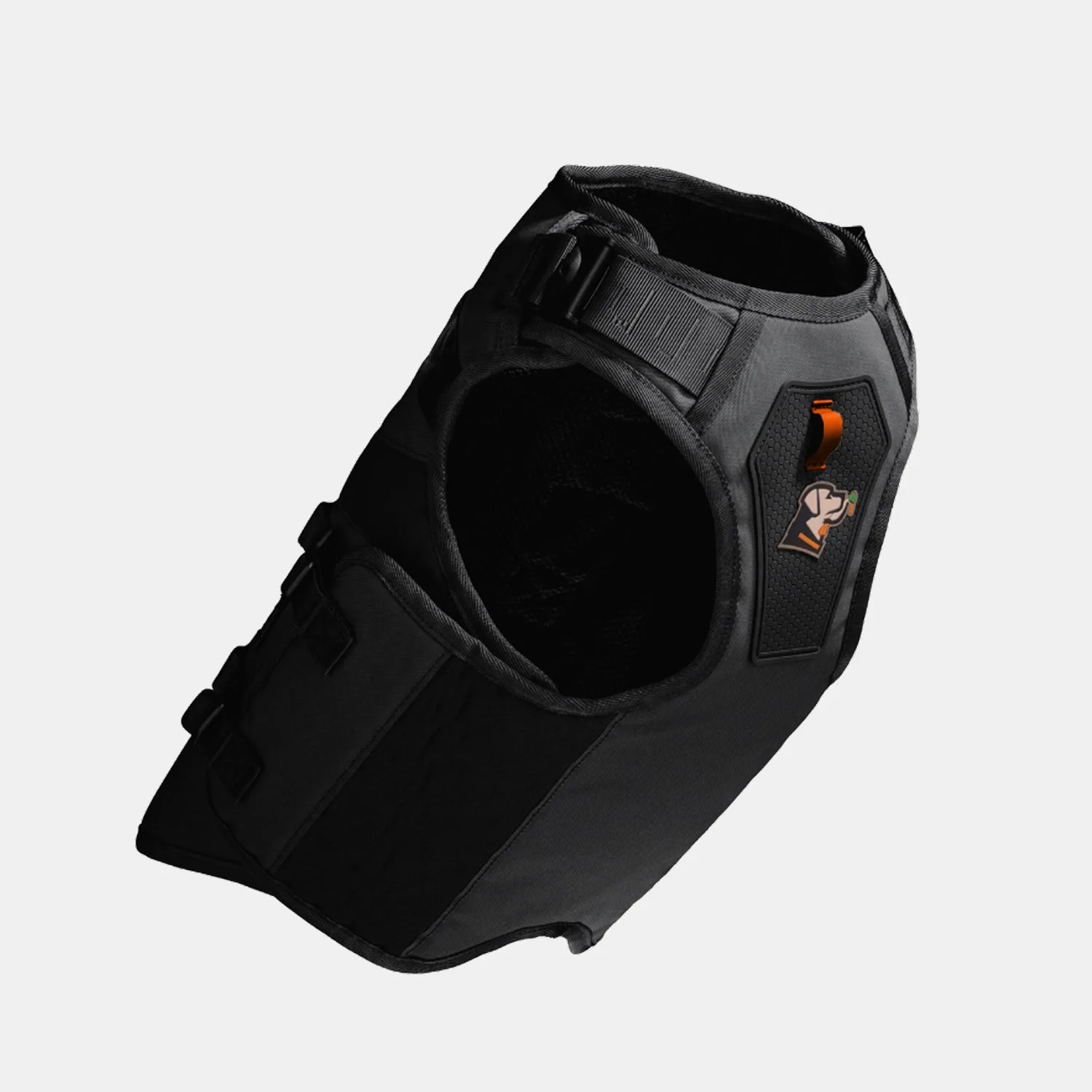
- GUNNER x 2F.7 Waterfowl Dog Vest: Built with a proprietary 5-Layer Performance System that allows dogs to conserve more energy, rebound quicker, and stay steady through every stage of the hunt. Conserving energy matters most on late-season hunts when cold water and long sits drain a dog faster than the retrieve itself.
- Waterfowl Dog Vest Marsh: Adjustable fit helps solve poor fit and soaked neoprene, two common pain points in cold-weather dog vests. A vest that shifts or holds water defeats the purpose; a secure, adjustable fit keeps insulation where it belongs and reduces chafing during repeated retrieves.